Luxury Handbag Trends: Market Signals, Resale Value and Brand Strategy, Translated Into a Collection Plan
Which luxury handbag trends actually change what a brand should make? Four do: resale value has become part of the first purchase argument, visible branding has lost ground to construction, buyers now read craft through specific tells, and traceability is expected rather than admired. Each one lands on the specification sheet rather than in the marketing. The practical result is a narrower collection built to named parameters: 1.2-1.4 mm full-grain calf, 8-9 stitches per inch, solid brass at 0.15-0.30 µm plating, MOQ 500 pcs per style and colourway, sampling in 6-10 working days, bulk in 35-50 days, AQL 2.5 inspection and FOB Xiamen.
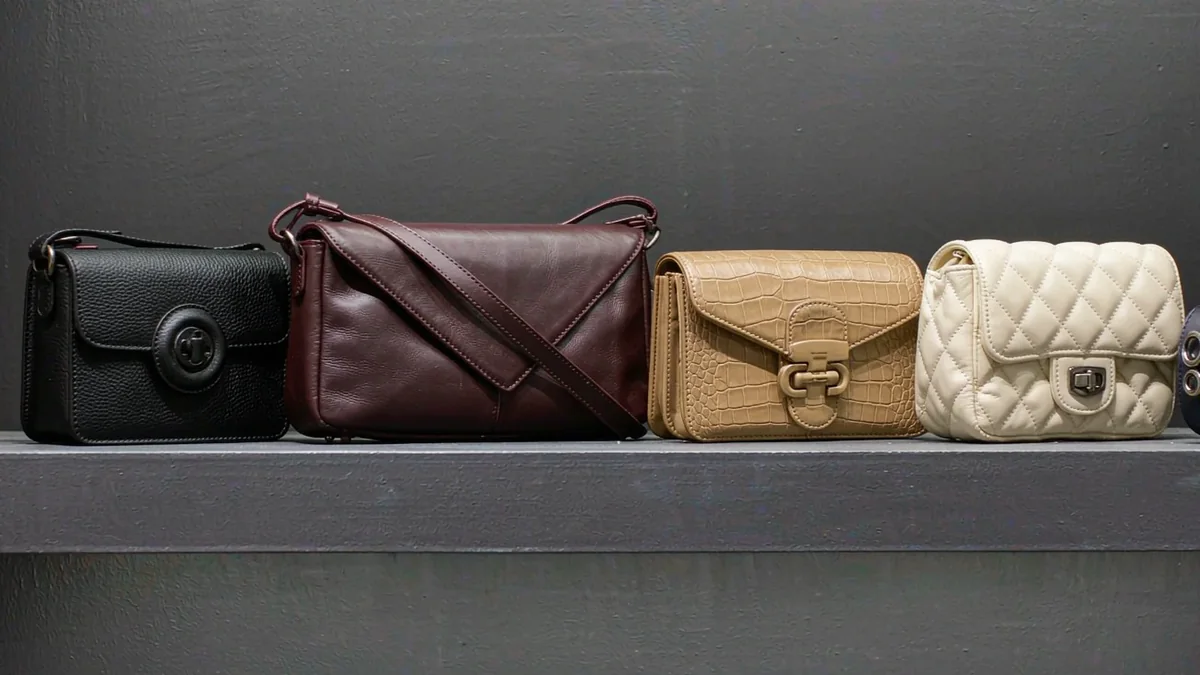
What the Luxury Handbag Market Is Signalling Right Now
The luxury handbag market is signalling three things at once: clients are buying less often but higher, resale value has become a purchase argument rather than an afterthought, and visible branding carries less persuasive weight than it did a few seasons ago.
Annual luxury studies from Bain and McKinsey have both described a market that grew on price rather than volume, which is a polite way of saying clients noticed. A client who has been through two price rises asks what the money bought.
For a label the implication is narrow and useful. Fewer styles, carried longer, built to a specification that can be repeated and defended. A collection of eight shapes that cannot be produced twice is weaker than three that can.
The market read continues in luxury handbag market size and growth explained and in buyer behaviour explained.
How a Luxury Handbag Buyer Actually Decides
A luxury handbag purchase is decided in a fixed order: shape first, then material, then hardware, then provenance, and only then price. Marketing sits outside that sequence.
- Does the shape suit the way I actually carry things, every day?
- Will this leather age into something better, or simply wear out?
- Does the hardware feel solid when it closes, without play?
- Will this still be worth something in three years?
- Can I say where it was made and from which hide?
- Is the price defensible against the bag hanging next to it?
Five of those six are answered at the tannery and at the bench, long before a photograph is taken. Trend work that stops at mood boards leaves money on the table.
The craft reading of this sequence is set out in how the luxury handbag market values craft and how buyers judge quality.
Resale Value and the Design Choices That Protect It
Resale has moved from an afterthought to a purchase argument, because resale platforms publish price history by model and clients read it before they buy. A bag is now compared against its own second-hand price.
| Design choice | What it does to resale | What to write on the spec |
|---|---|---|
| Structured body in 1.2-1.4 mm full-grain calf | Holds its shape, photographs well years later | Thickness stated in mm, measured after splitting |
| Solid brass hardware at 0.15-0.30 µm | Plating wear is the first thing a grader flags | Base metal and plating thickness named |
| Handle and strap load-tested to 500 cycles | Strap stretch is a common downgrade on resale | Cycle count and load written into the file |
| Edge paint in 3 coats with proper flash-off | Flaking edges read as poor care, not age | Coat count and flash-off time stated |
| Minimal exterior branding | Outlives a logo cycle and dates less quickly | Mark used on lining, hardware or a small tab |
None of this requires a louder bag. It requires a more specific one, which is the argument for writing parameters before cutting.
The design side is treated in how resale value shapes luxury handbag design and the resale pricing guide.
Quiet Luxury: Why the Branding Got Quieter
Quiet luxury is not a colour palette. It is a shift in where recognition lives: away from the printed mark and towards construction, hardware weight, edge finish and the way a panel holds its line.
The commercial consequence is a transfer of cost. Money that used to go into surface treatment moves into structure and finishing, which is exactly where a specification sheet does its work and where a vague brief does damage.
For a young label this is good news: recognition by construction can be bought with 8-9 stitches per inch and a cured edge, whereas recognition by heritage takes decades.
The movement is covered in quiet luxury bags and what it means for brands and the quiet luxury bag movement explained.
Craft as a Market Signal: The Tells Buyers Read
Craft claims are legible or they are noise; clients read specific tells rather than adjectives. Five tells decide most verdicts in the hand.
- An even stitch line around a turn, with no skipped stitch at the corner.
- Edge paint that folds without cracking, which is a cure question rather than a colour one.
- Hardware that closes without play and without needing to be pushed.
- A lining that sits flat inside the body instead of bagging at the corners.
- Feet that let the bag stand square on a table, with the base panel flat.
Each tell maps to a number: stitch density in stitches per inch, edge coats and flash-off time, plating thickness in microns, lining weight in millimetres. A house that cannot quote them is asking the client to take craft on trust.
The bench techniques behind each tell sit on craftsmanship, and the small-label view in how small luxury bag brands compete on craft.
Heritage Silhouettes That Keep Selling
Shapes survive trends because they solve a carrying problem, and the ones that persist share a narrow set of proportions rather than a decade.
Top-handle satchel
The structured default at 1.2-1.4 mm calf, with a flap and a brass turn-lock.
Frame bag
A metal frame with a kiss-lock closure, usually vegetable-tanned shoulder at 1.6-1.8 mm.
East-west shoulder bag
Wider than it is tall, carried under the arm, softer in construction.
Soft hobo with a burnished edge
A slouch body where the raw edge is hand-burnished rather than painted.
Evening bag and minaudière
Small, rigid, hardware-led; the shape where plating quality is most visible.
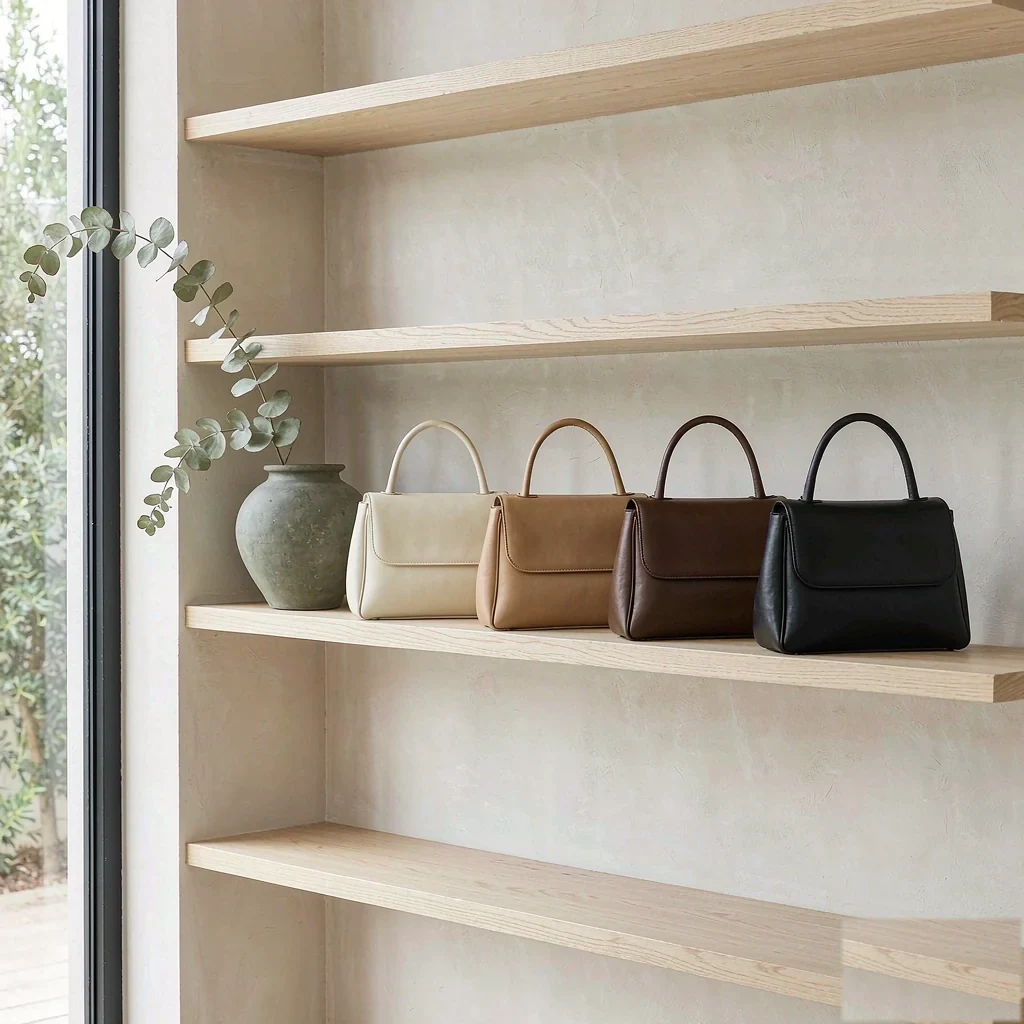
A first collection does better with two of these done properly than six approximations. Repetition builds recognition, and repetition needs a documented construction.
The reasoning is in why heritage silhouettes still sell and how vintage bags influence new designs.
Exotic Skins, Regulation and Collection Planning
Demand for exotic skins has not disappeared, but the rules have tightened, and several retailers apply their own restrictions on top.
- CITES Appendix II and III listings govern the permit documents that travel with every shipment.
- Permit processing runs on its own timetable, so an exotic line must be started earlier than a calfskin one.
- Some stockists will not carry listed skins at all, which is a channel decision before it is a material one.
- A calfskin alternative in the same shape protects the launch date if a permit is late.
The practical reading: exotics belong in a collection that already has a documented calfskin version of the same bag.
Detail sits in exotic leather demand explained, regulation and its impact on trends and luxury materials.
Traceability, Compliance and the Documents Buyers Expect
Traceability has moved from a nice-to-have to an expectation, and the expectation is documentary: a client asking where a bag came from is really asking whether the answer exists on paper.
| Expectation | What satisfies it | Where it is recorded |
|---|---|---|
| Where did the hide come from | Named lot and a Leather Working Group tannery reference | Material specification |
| What is in the coating | REACH Annex XVII declaration | Compliance test report |
| Is the hardware safe | California Prop 65 and CPSIA assessment | Hardware specification |
| Is the skin legal | CITES permit set matching the invoice | Shipping document set |
| Is the audit current | BSCI or Sedex report with a date on it | Programme file |
Ask for report dates rather than logos; the question that matters is what has changed in the lot since.
The client view is in consumer expectations for traceability and how sustainability shapes buying.
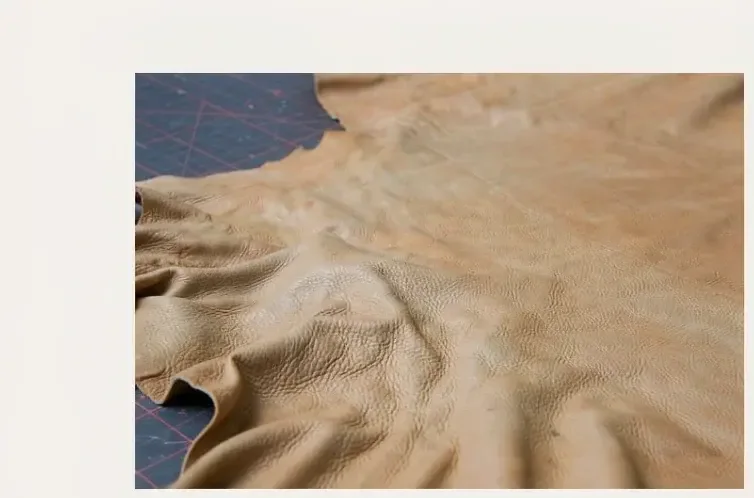
From Market Signal to Specification
A trends page is only useful if it translates. Each signal below has a specification answer and a cost consequence, and the two should be read together.
| Market signal | Specification answer | Programme consequence |
|---|---|---|
| Resale value matters | 1.2-1.4 mm full-grain calf, solid brass | Material rises to 38-52% of FOB cost |
| Branding is quieter | Mark moved to lining or hardware | Tooling spend replaces print spend |
| Craft is scrutinised | 8-9 stitches per inch, 3 edge coats | More bench time, longer finishing stage |
| Traceability expected | Named lot, REACH and Prop 65 files | Compliance adds 2-4% of FOB cost |
| Fewer, better styles | One construction carried across seasons | MOQ 500 per colourway becomes workable |
A quiet, resale-aware brief arrives at the same specification nearly every time, which is why the trend and cost conversations are really one conversation.
The cost arithmetic behind that table is set out in how luxury bag brands price for aspiration.
Brand and Retail: Positioning, Pricing and Channel
A new label cannot borrow heritage, so it has to compete on something it can actually deliver: transparency about how the bag was built.
Positioning against heritage houses
Do not trade on history. Trade on the parameters, and be prepared to quote them.
Pricing for aspiration
The price has to be defensible against the bag next to it, which means knowing your own cost lines.
Direct versus boutique accounts
Direct needs content and service; boutiques need margin, a story and reliable reorders.
First drop
One silhouette, one colourway, MOQ 500, launched properly rather than three shapes launched thinly.
Channel choice then drives the calendar. A boutique season has a fixed buying window, and a direct launch needs content ready before the goods land.
The playbook is in how to build a luxury handbag brand from scratch, the positioning guide and direct versus boutique accounts.
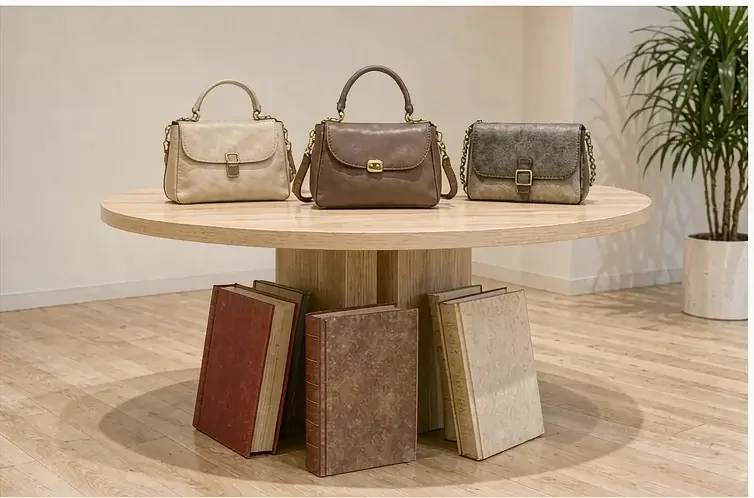
Presenting the Line: Display, Photography and Story
Presentation is where the specification becomes visible, and the labels that do this well describe the bag rather than praise it.
- Name the leather and its thickness rather than calling it beautiful.
- Show the edge and the stitch line close enough to be judged.
- Photograph the hardware closed and open, since closure is a quality tell.
- Keep the unboxing consistent with the claim: a rigid box and a proper dust bag.
A story built from numbers survives being repeated by a stockist. A story built from adjectives does not, which shows up in how staff describe the bag when the founder is away.
More on this in how to storytell a luxury bag collection, retail display best practices and luxury packaging.
From Signal to Launch: A Working Calendar
Trend work ends in a calendar. This is the sequence a single silhouette follows from a read on the market to goods on a shelf or a doorstep.
- Week 1: signals read, translated into a brief with target dimensions and a silhouette.
- Weeks 2-3: materials shortlisted, hide lot reserved, hardware base metal chosen.
- Sampling: 6-10 working days for a standard build, 12-15 for a complex one.
- Approval: sample signed in the hand, specification frozen, price reconfirmed.
- Bulk: 35-50 days including intake, cutting, assembly, finishing and the AQL 2.5 audit.
- During bulk: photography, packaging and stockist materials prepared, then FOB Xiamen handover.
The opening sample set, a swatch card, a hardware sample and one prototype panel, is billed at USD 4.80 and credited in full against the first bulk order. Work runs through our validated partner factory Quanzhou Yingming Bags, an SGS-validated production site with export experience since 2014, 7 production lines and about 200,000 pcs per month.
Turn a trend into a collection
Send the silhouettes you are considering, target dimensions, the leather and hardware in mind, quantity per colourway and launch date. You will receive a costed quote, a sampling calendar and a material shortlist within two working days. Request a quote.
If the question is how many silhouettes to begin with, why small batch bags outperform trends makes the argument directly.
Frequently Asked Questions
What are the most important luxury handbag trends right now?
Four shape a collection plan: resale value has become part of the first purchase argument, visible branding has given way to construction, buyers read craft through specific tells such as an even stitch line and a cured edge, and traceability is expected rather than admired. Each one lands on the specification sheet.
How does resale value affect how a bag should be designed?
It pushes decisions towards structure and hardware. A 1.2-1.4 mm full-grain calf body holds its shape for photographs years later, solid brass at 0.15-0.30 µm resists the plating wear graders flag first, and a load-tested strap avoids the stretch that costs the most on resale.
What does quiet luxury mean for product decisions?
It means recognition moves from the printed mark to the build. In practice that transfers spend from surface treatment into structure and finishing, and it rewards a label that can quote its stitch density, edge coats and plating thickness instead of describing them with adjectives.
Do heritage silhouettes still sell?
Yes, because they solve a carrying problem rather than follow a decade. The top-handle satchel, the frame bag, the east-west shoulder bag, the soft hobo with a burnished edge and the evening shape keep returning, and two of them done properly outperform six approximations in a first collection.
How do buyers judge quality in a luxury bag?
Through tells rather than claims: an even stitch line around a turn, edge paint that folds without cracking, hardware that closes without play, a lining that sits flat and feet that let the bag stand square. Each tell maps to a measurable parameter, which is why specifications matter.
Are exotic skins still viable given regulation?
They are viable but they need planning. CITES Appendix II and III listings govern the permit documents travelling with every shipment, permit processing runs on its own timetable, and some stockists will not carry listed skins. An exotic line belongs beside a documented calfskin version of the same bag.
What traceability documents do buyers expect?
A named hide lot with a Leather Working Group tannery reference, a REACH Annex XVII declaration for coatings, a California Prop 65 and CPSIA assessment for hardware, CITES permits matching the invoice, and a BSCI or Sedex report with a date. Report dates matter more than logos.
How should a new label price a luxury handbag for retail?
Start from the cost lines rather than the competitor. Material sits at 38-52% of FOB cost, hardware 12-22%, bench labour 14-20%, finishing 4-8%, compliance 2-4% and packaging 3-6%, and the retail multiple then has to be defended by what the client can see and feel.
How long does it take to turn a trend into a delivered collection?
Roughly ten to twelve weeks. Signals become a brief in week one, materials are shortlisted by week three, sampling takes 6-10 working days or 12-15 for complex builds, and bulk takes 35-50 days including the AQL 2.5 audit before FOB Xiamen handover. Listed skins add permit time.
Which handbag sizes are gaining share right now?
Smaller day bags and mid-size shapes that carry a phone, card case and glasses are doing the volume, while large work totes have softened. Compact shapes also suit higher leather prices because they use less material per unit, which makes them commercially sensible for a label working to a first MOQ 500 pcs run.
How much branding is appropriate on a modern luxury bag?
Less than most first collections use. A discreet stamp, a hardware mark or a lining repeat reads as confidence; visible logos across panels date quickly and complicate resale. Restricted branding also costs less to re-run later, since it does not depend on tooling for large decorative plates.
What makes a trend worth building into a production line?
It has to survive three questions: does it suit the construction already invested in, can the materials be sourced reliably, and will it still sell two seasons from now? A signal that fails any of those is a capsule experiment, not a platform, and deserves a correspondingly smaller commitment of development money.
People Also Ask
Why has resale become part of the first purchase decision?
Because resale platforms publish price history by model, so a client can compare a bag against its own second-hand price before buying. Durability stopped being a bonus and became a number.
Is quiet luxury a style or a construction standard?
A construction standard that looks like a style. Recognition moves to stitch density, edge finish and hardware weight, which is why the trend is specified in millimetres and microns rather than in colours.
Can a small label compete with heritage houses?
Not on history, but yes on transparency. A house that can quote leather thickness, stitch density and plating thickness gives the client something to verify, which is exactly what heritage has stopped providing.
Do exotic skins make sense for a first collection?
Usually not. Permit processing adds its own timetable and some stockists refuse listed skins, so a first collection is safer built on a documented calfskin version of the same silhouette.
How many styles should a first collection carry?
Two, done properly. Repetition is what builds recognition, and repetition is only possible when the construction is documented well enough to be produced a second time.
Sources and further reading
Every figure on this page is either our own programme data or attributed below. Open the originals before you write them into a specification.
- Bain Insights — Luxury GoodsBain & Company Annual luxury goods study tracking how the personal luxury market has grown on price rather than volume across recent cycles.
- The State of FashionMcKinsey & Company Annual industry report used here for the shift towards fewer, better purchases and for channel economics.
- Business of FashionBusiness of Fashion Trade coverage of luxury pricing, quiet branding and the resale market's effect on first-purchase decisions.
- WWD — Women's Wear DailyWWD Trade reporting on collections, retail channel shifts and heritage house strategy in leather goods.
- FashionUnitedFashionUnited Industry statistics and market reporting referenced for the handbag and leather goods category.
- CITES — Convention on International Trade in Endangered SpeciesCITES Appendix II and III listings govern the permit documents required for crocodile and python skins.
- Leather Working GroupLeather Working Group Tannery audit protocol behind the traceability reference a brand should hold on a named hide lot.
- ISO — International Organization for StandardizationISO Publisher of ISO 2859-1, the sampling procedure behind AQL 2.5 inspection, and of the leather test series.