How to Build a Luxury Handbag Brand From Scratch: Twelve Months, Nine Decisions and the Numbers Behind Them
Building a luxury handbag brand from scratch is a twelve-month sequence with nine decisions inside it, and the numbers are more forgiving than most founders expect. The entry commitment is 500 pcs per style and colourway, sampling runs 6-10 working days, the first bulk ships 35-50 days from an approved sample and re-orders land in 28-35 days, quoted FOB Xiamen. Hardware trim sits at about USD 4.80 per piece. What is not forgiving is order: houses that choose the silhouette before the position, or the price before the construction, lose a season and usually a second one repairing the damage.
What Building From Scratch Actually Costs
The opening commitment to a serious handbag line is smaller than its reputation suggests, because the constraint is not capital, it is specification. At 500 pcs per style and colourway, a house can launch with two styles in two colourways, which is four production units and a genuine archive. The money then goes into the sample cycle, the tooling for a custom closure and the material ledger rather than into inventory that may not sell.
The second thing founders underestimate is time rather than cost. Sampling at 6-10 working days sounds fast and is fast, but it only starts once the specification is written. Houses that arrive with a sketch and no substance, no stitch density and no closure drawing spend six weeks producing the document that should have taken one. The calendar, not the invoice, is what kills a first season.
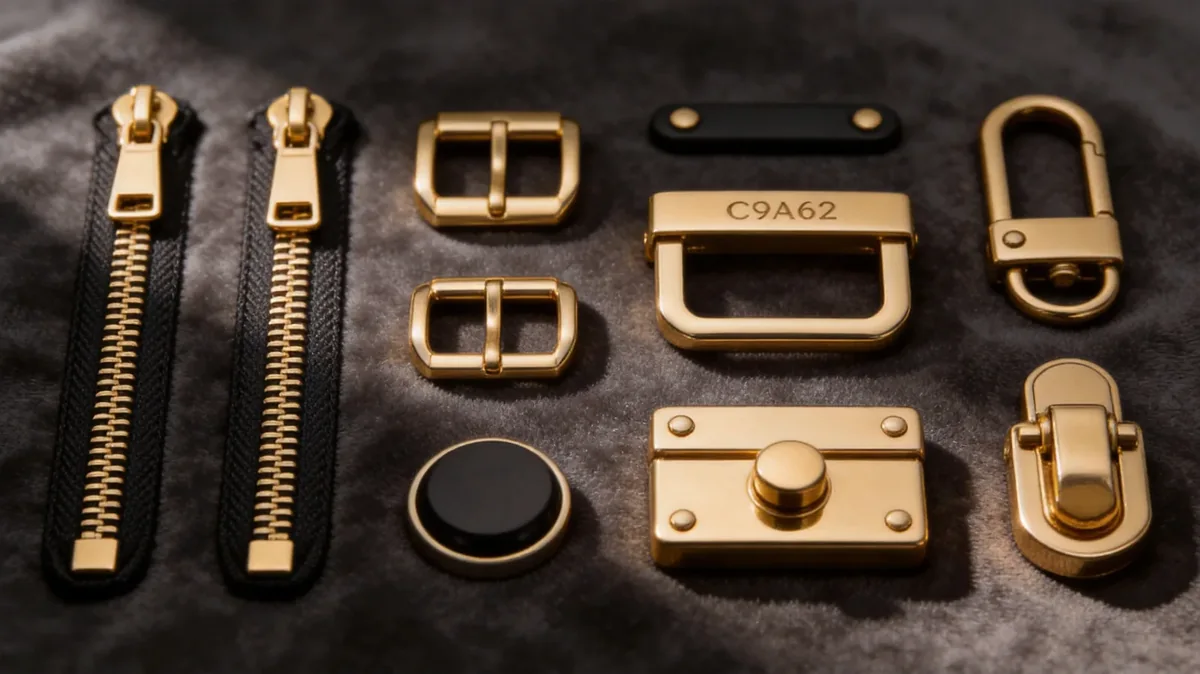
The third is that the trim bill is the least of it. A #5 metal zip, four base feet and a plated trim set come to about USD 4.80 per piece in parts. The bench time that turns those parts and a hide into a bag is where the cost sits, and it is also where a first season is won or lost, because it is the only part of the spend a customer can feel.
The Nine Decisions, in Order
- Position: what the house is for, stated in one sentence a customer could repeat.
- Silhouette family: the two or three shapes the house will be known by.
- Material: the hide, the substance and the tannery, recorded by lot.
- Closure: whether the house commissions its own hardware or uses a stock fitting.
- Tolerances: substance, stitch density, edge build, shade deviation and closure alignment, written down.
- Sampling: the prototype cycle and the golden sample that ends it.
- First bulk: quantity per colourway, matched to what the house can actually sell through.
- Launch: one channel done properly rather than three done thinly.
- Re-order discipline: what triggers a second drop and what deliberately does not.
The order matters more than the content. Position before silhouette, because a shape chosen before the house knows what it is for will be redesigned twice. Material before closure, because the hardware has to sit on the leather it was drawn for. Tolerances before sampling, because a sample that was never measured cannot be approved as a reference.
Months One to Three: Position, Silhouette and Material
The first quarter produces a document rather than a bag. It is the specification that everything later is measured against, and it is worth writing slowly. What follows is the set of figures a first capsule needs before any cutting starts.
- Body leather
- Full-grain calfskin, 1.2-1.4 mm structured, 0.9-1.1 mm slouched
- Finish
- Matte or semi-matte, named by tannery and batch
- Stitch density
- 8-9 SPI with bonded Tex 40 thread
- Closure
- Custom-cast turn-lock, brass or zamak, mould held for the house
- Plating
- 0.15-0.3 µm from a single recorded bath, sealed
- Lining
- Cotton twill or microsuede, matched to the panel
- Edge
- Three coats to a recorded weight formula, sanded between
A house that completes that table in its first quarter will sample cleanly. One that does not will discover the gaps at the worst possible moment, usually when a hardware lot arrives in the wrong colour and there is no plating specification to argue from. The table is not bureaucracy; it is the thing that makes the second drop possible.
Months Four to Six: Sampling and the Golden Sample
Sampling is where a first brand meets reality. The window is 6-10 working days for a standard construction and 12-15 for frame work or exotic skins, and the output is not a bag but a reference. The golden sample is the finished unit both sides sign and seal, held by the house and by the atelier, with the tech pack, the tolerance ledger and the material certificates attached.
Two copies exist and that is deliberate. When a dispute arises ten months later about whether the tan was always that dark, the question is settled by taking both samples into a D65 booth rather than by exchanging emails. A house that skips the sealing step because the sample looks fine has traded a few hours for the only instrument that settles later arguments.
Where the First Money Goes
New houses consistently misallocate their opening spend, and the pattern is predictable: too much on branding and photography, too little on the specification and the tooling. The table below sets out the allocation that tends to survive the first two seasons, expressed as shares of the opening commitment rather than as figures.
| Area | Typical first-brand allocation | Allocation that survives |
|---|---|---|
| Sampling and prototypes | Small, treated as a formality | A real line item, three rounds |
| Custom tooling | Avoided in favour of stock fittings | Funded; the mould is the brand asset |
| Material ledger | None | Funded; tannery lot recorded with an approved alternative |
| Branding and packaging | Large | Held until the object is right |
| Photography | Large, shot before bulk | Shot on the sealed reference, not the prototype |
| Inspection | Assumed | AQL 2.5 under ISO 2859-1, written into the order |
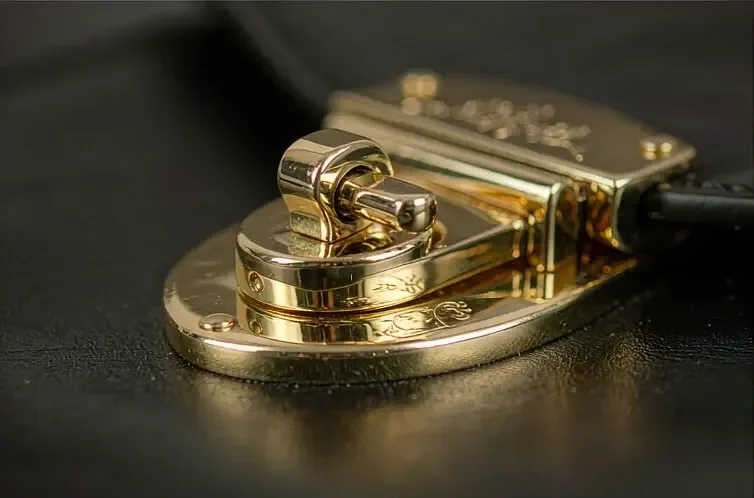
The single most valuable item on the right-hand column is the custom tooling. A mould cut for the house, held against the brand and never offered elsewhere, is the one asset a competitor cannot copy quickly. It costs far less than founders assume and it is the reason a quiet bag can be recognised without a logo.
Months Seven to Nine: The First Bulk
The first bulk runs 35-50 days from the approved sample, and almost all of that is material and hardware approval rather than assembly. Hides are bought to the recorded lot, hardware is plated in the specified bath, and the edge formula is mixed to weight rather than by eye. The controls below are what keep a 500-piece run inside the band the sample established.
A first brand should attend the inspection or read the report carefully. Not because anything is likely to be wrong, but because the report is the first objective description of what the house has actually made, and it is the document that makes the drop repeatable.
Months Ten to Twelve: Launch and Re-order Discipline
Launch in one channel. A first capsule has one story and it needs one place to be told properly, whether that is a boutique, a trunk show or the house's own site. Three channels done thinly produce three partial stories and no archive, and they consume the attention that should have gone into the re-order decision.
The re-order decision is the real test of the first year. Against a sealed reference and a live tolerance ledger, a second drop lands in 28-35 days. That window is short enough to let a colourway sell through and return inside a season, which is how a young house maintains scarcity without holding stock. Houses that re-order everything immediately usually discover that visibility, not availability, was the constraint.
The Numbers a First Capsule Must Hit
- MOQ
- 500 pcs per style and colourway
- Sampling
- 6-10 working days, 12-15 for frame or exotic work
- First bulk
- 35-50 days from approved sample
- Re-order
- 28-35 days against a sealed reference
- Trim bill
- About USD 4.80 per piece for zip, feet and plated trim set
- Spare hardware
- 2% of unit quantity, matched thread held
- Incoterm
- FOB Xiamen
Two of those figures deserve a note for a founder reading them for the first time. The 500 pcs floor is per style and colourway, so two styles in two colourways is four commitments, not two. And the 28-35 day re-order is only available where a sealed reference exists: a house that skipped the sealing step pays the full 35-50 day window again on every drop.
Mistakes That Cost a Season
- Choosing the silhouette before the position, which guarantees a redesign in month five.
- Setting the retail price before the construction, so the specification is squeezed to fit a number nobody defended.
- Skipping the golden sample, which costs the re-order window and any later argument about shade.
- Using stock hardware to save the tooling, then finding the house has nothing a competitor cannot buy.
- Naming no alternative leather finish, so a tannery discontinuation stops the line mid-season.
- Launching in three channels at once and telling the story in none of them.
- Re-ordering the whole capsule immediately, which removes the scarcity the price depended on.
A custom-cast closure with the mould held against the house is the least costly brand asset available to a new label. It costs less than a season of packaging, it cannot be copied quickly, and it is the thing customers recognise before they know the name. Spend there before spending on anything printed.
Plan your first capsule with the numbers in front of you
If you are launching a line and want the sequence costed before you commit, send your silhouette shortlist and target quantity per colourway. Our team will return a specification template and a sampling plan through our quotation desk.
What a first-year programme looks like in practice
- Across 7 production lines running about 200,000 pcs per month, a first capsule is planned as a specification project rather than a purchase. The house leaves with a sealed reference, a tolerance ledger, material certificates and an inspection report at AQL 2.5 under ISO 2859-1. Export experience since 2014 and a 28-35 day re-order window are what let a young brand plan a second drop while the first is still on the shelf.
Frequently Asked Questions
How do you build a luxury handbag brand from scratch?
In twelve months and nine decisions: position, silhouette family, material, closure, tolerances, sampling, first bulk, launch channel and re-order discipline. The order matters more than the speed. Houses that fix the position and the specification first sample cleanly; houses that start with a sketch and a price usually spend a second season repairing the first.
What is the minimum order to launch a handbag line?
500 pcs per style and colourway. Two styles in two colourways is therefore four production units, which is enough for a genuine archive without over-committing capital. Sampling runs 6-10 working days, the first bulk ships 35-50 days from an approved sample, and re-orders against a sealed reference land in 28-35 days.
How much does it cost to start a handbag brand?
Less in hardware than most founders expect. A #5 metal zip, four base feet and a plated trim set come to about USD 4.80 per piece in parts. The real commitment sits in the sample cycle, the custom tooling for a closure and the bench time that turns a hide into a bag, which is also where the value a customer feels is created.
How long does it take to launch a first collection?
Around twelve months: three months to write the specification, three to sample and seal a golden reference, three for the first bulk, and three to launch and decide the re-order. The 6-10 working days of sampling window is fast, but it only starts once substance, stitch density, closure drawing and tolerances are already written.
What should a new brand spend on first?
The specification and the tooling. A custom-cast closure with the mould held against the house is the least costly brand asset available: it cannot be copied quickly and it is what customers recognise before they know the name. Branding and packaging should wait until the object is right, and photography should be shot on the sealed reference.
Do I need my own hardware for a first collection?
Not strictly, but it is the decision that separates a house from a label. Stock fittings are available to every competitor at similar cost; a mould cut for you and held against your brand is not. The spread in cost is small at this scale, and the difference in recognition across three seasons is large.
What is a golden sample and why does it matter?
It is the finished unit both sides sign and seal at the end of sampling, with the tech pack, tolerance ledger and material certificates attached. Two copies exist, one held by each side. It settles later disputes in a D65 booth instead of by email, and it is what unlocks the shorter 28-35 day re-order window.
How many styles should a first collection have?
Two or three, in two colourways each. That is enough to look like a house and small enough that every piece can be properly specified. A capsule of eight styles usually means eight incomplete specifications, and the season is then spent managing exceptions rather than building an archive.
What tolerances should a new brand write down?
Substance at 1.2-1.4 mm, stitch density at 8-9 SPI, edge build in three coats, closure alignment within 0.5 mm of the flap axis, plating at 0.15-0.3 µm and shade deviation at ΔE ≤ 1.0 under D65. Written before sampling, they make the drop repeatable; written afterwards, they are a description of whatever happened.
Should a new brand launch in boutiques or online?
In one channel, whichever the house can tell its story in properly. A first capsule has a single narrative — the tannery, the closure, the bench work — and it needs one place where a customer can hear all of it. Three channels done thinly produce three partial stories and consume attention needed for the re-order decision.
How soon should a brand place a second order?
When a colourway is genuinely selling through, not when the first drop lands. With a sealed reference on file the re-order takes 28-35 days, short enough to return inside a season. Re-ordering everything immediately removes the scarcity the price depended on and usually points to a visibility problem rather than an availability one.
What is the most common first-season mistake?
Setting the retail price before deciding the construction. The specification is then squeezed to fit a number nobody can defend, and the compromise shows up as a thinner lining, a stock clasp or a one-coat edge. Decide what the bag is made of first, then let the construction set the ticket.
People Also Ask
How hard is it to start a handbag brand?
Harder in discipline than in capital. The entry commitment is 500 pcs per style and colourway and the trim bill is modest; the difficulty is writing a specification before spending money, and resisting the pull to choose the price before the construction.
What does a handbag brand need before sampling?
A written specification: leather substance and finish by tannery lot, stitch density, closure drawing, plating thickness, lining, edge build and shade tolerance. Sampling then takes 6-10 working days instead of six weeks of trying to work out what was wanted.
How many bags should a first order be?
500 pcs per style and colourway. Two styles in two colourways gives four units and a real archive without over-committing. It is also the point at which a custom mould becomes worth cutting, since the tooling cost spreads across a genuine run.
Do new handbag brands need custom hardware?
It is the strongest early investment available. Stock fittings are open to every competitor, while a mould cut for the house and held against the brand is not. The cost difference is small at 500 pcs and the recognition difference lasts for years.
What makes a new handbag brand look established?
Consistency across its first three drops. A sealed reference, a tolerance ledger and a plating bath that does not change make the second and third capsules match the first, which is what an archive looks like from the outside.
Sources and further reading
Every figure on this page is either our own programme data or attributed below. Open the originals before you write them into a specification.
- ISO — International StandardsInternational Organization for Standardization Publisher of ISO 2859-1 sampling procedures and the ISO 105 colour fastness methods used on a first bulk.
- Leather Working GroupLeather Working Group Tannery audit protocol referenced when a new brand names a hide source that must remain available across drops.
- Understanding REACHEuropean Chemicals Agency Annex XVII substance restrictions applying to leather finishes, edge coatings and plated hardware.
- Proposition 65California OEHHA Substance and warning requirements for handbags and metal hardware placed on the California market.