The Luxury Handbag Programme: How a Brief Becomes a Bulk Order, Staged and Priced
What does a luxury handbag programme deliver? It takes a brand brief and returns a finished, inspected and packed order, held together by one technical file. Development produces a costed quote; sampling takes 6-10 working days, complex builds 12-15; bulk takes 35-50 days after the approval sample is signed. The programme works to MOQ 500 pcs per style and colourway, inspects to AQL 2.5 under ISO 2859-1 and quotes FOB Xiamen by default. It is executed through our validated partner factory Quanzhou Yingming Bags, an SGS-validated production site with export experience since 2014, 7 production lines and about 200,000 pcs per month.
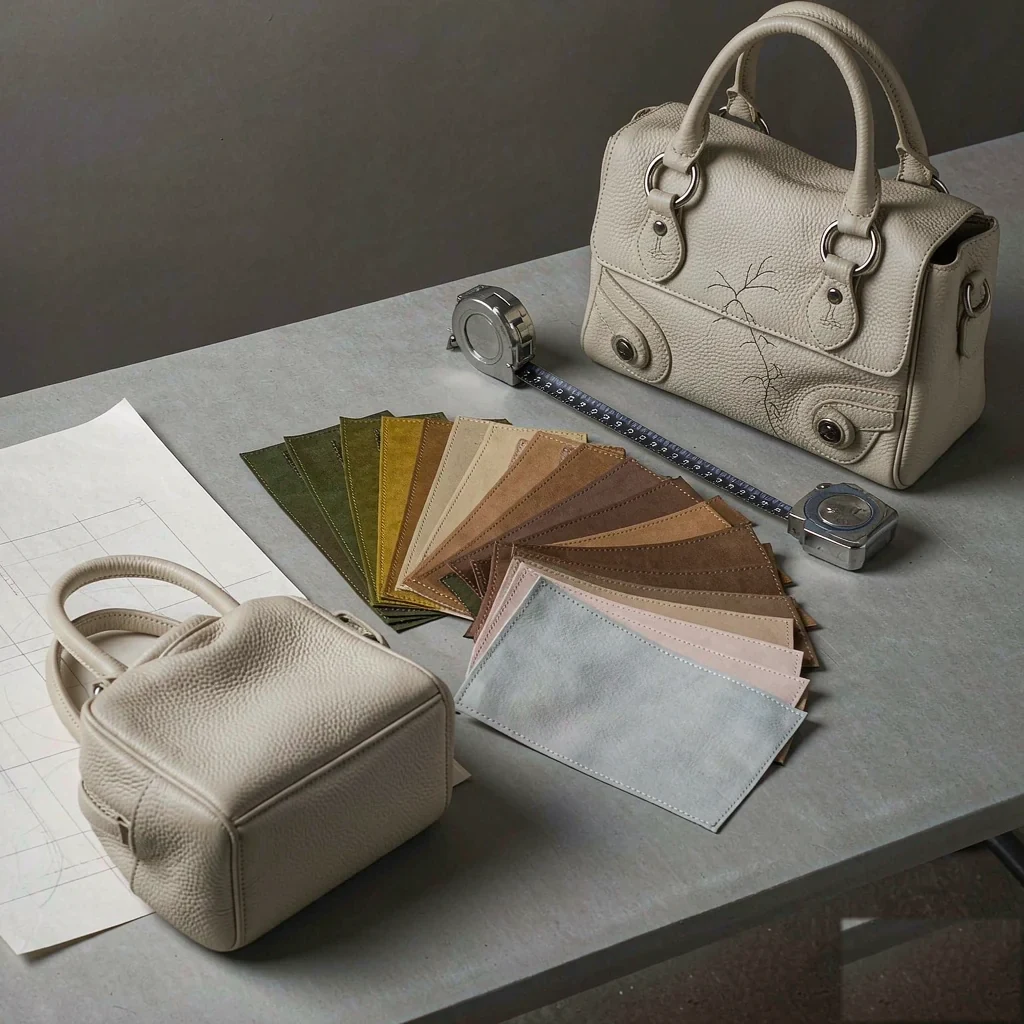
What the Programme Delivers, Stated Plainly
A luxury handbag programme takes a brand brief and returns a finished, inspected and packed order: development, material sourcing, sampling, bulk, inspection and packing, held together by one technical file.
The defining feature is not the list of services but the file. Every decision about the bag — panel measurement, seam sequence, hide grade, plating thickness — is written in one place, that file is what the bench cuts to, and it is what the inspector checks the finished cartons against.
The practical effect is that a change can be priced before it is made. When a brand asks what happens to the price if the flap is turned instead of folded, or if the lock moves from zinc alloy to solid brass, the answer comes out of the file rather than out of a guess.
The mechanics behind that claim are set out in how luxury handbag programmes really work.
Four Stages from Brief to Bulk
The programme runs in four stages, and each one ends in a signature rather than in an email that can be reinterpreted later.
- Stage 1, development: brief reviewed, technical pack written, material and hardware shortlists issued, costed quote returned.
- Stage 2, sampling: 6-10 working days for a standard build, 12-15 for a complex one, ending in a signed approval sample.
- Stage 3, bulk: 35-50 days from approval, covering material intake, cutting, assembly, finishing and the AQL 2.5 audit.
- Stage 4, handover: packing to the agreed specification, then FOB Xiamen, with CIF and DDP available where a brand prefers them.
Most programmes that miss a season do it at the boundary between stage 1 and stage 2, when a technical pack is approved before the hide and the base metal have been settled. Both can be changed later, but each change costs a sampling round and a revised pattern, so the stage where thoroughness costs the least is the first one.
The calendar in working days is laid out in lead times from Xiamen.
The Documents Every Stage Produces
Each stage hands the next one a document, and the document is what makes the handover real rather than assumed.
| Stage | Document issued | What it prevents later |
|---|---|---|
| Development | Technical pack and material shortlist | A bag that was drawn twice and cut from two different drawings |
| Development | Costed quote, six lines | A price that moves after the order is placed |
| Sampling | First sample with a measurement record | A verbal approval nobody can check against |
| Sampling | Approval sample record, signed | An argument about intent once bulk is under way |
| Bulk | Inspection protocol with AQL 2.5 | A disagreement about what a defect is |
| Bulk | In-process and final audit reports | A surprise at the packing table |
| Handover | Packing specification and carton list | A freight quote that arrives after loading |
| Handover | Commercial invoice, packing list, permits | A customs delay at the destination port |
Brands sometimes treat the inspection protocol as premature in month one. It is the opposite: agreeing the sample size and the accept and reject numbers before bulk starts turns a later disagreement into a mechanical count.
Pricing Tiers and What Each One Includes
The programme is sold in four tiers, so a brand can buy the development work without committing to the bulk run, and can add presentation once the bag itself is settled.
Development
Technical pack, material and hardware shortlists, and a six-line costed quote. Chosen by brands still deciding whether to commit to the run.
Development plus sampling
Adds the first sample round in 6-10 working days, with corrections logged and a second sample built where revision is needed.
Full programme
Development, sampling, bulk of 500 pcs per style and colourway, AQL 2.5 inspection and packing to the agreed specification.
Full programme plus presentation
Adds dust bags, boxes, tissue and printed inserts, agreed alongside the bag so carton count and freight can be planned together.
Each tier carries the same document trail; only the scope changes. A brand that buys development alone still owns the technical pack and can take it elsewhere, which is the point of writing everything down in the first place.
The physical material set — hide swatch card, lining card and hardware sample — is issued at USD 4.80 per set and credited in full against the first bulk order, so the cost of choosing properly is not an obstacle to doing it.
The tier boundaries are treated at length in pricing tiers explained and the cost breakdown.
The Two Decisions That Freeze the Price
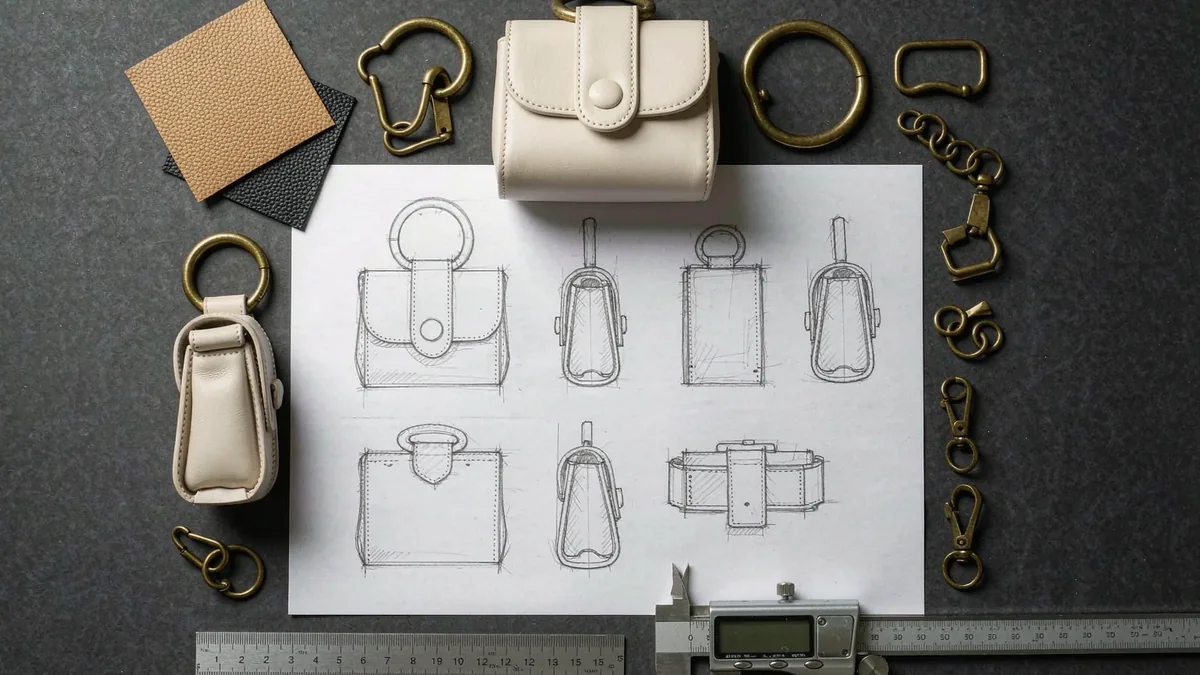
Two decisions fix most of the unit price before the pattern is cut: the hide, and the base metal for the hardware. Everything else in the specification moves the number by comparison, and often by very little.
- Body leather thickness
- 1.2 mm full-grain calf, measured after splitting
- Stitch density
- 8 stitches per inch, 0.45 mm bonded nylon thread
- Edge paint
- 3 coats, 6 min flash-off at 55 °C between coats
- Hardware plating
- 0.15 µm gold over solid brass, 24 h neutral salt spray
- Zipper
- #5 metal on the main opening, #3 on the interior pocket
- Handle rivet
- 4 mm solid brass, set through two layers
- Dimensional tolerance
- ±1.5 mm across the body panels
The reason these two decisions carry so much weight is downstream arithmetic. A brass lock costs more than a zinc alloy one before plating begins, and gold finishing adds again on top; a hide bought at 1.2 mm yields a different cut plan than one bought at 1.4 mm, and the yield is priced straight into the bag.
Sampling Rounds: What Is Included and What Costs Extra
Development includes two sampling rounds. That allowance is deliberate: the first sample almost always teaches the bench something the drawing could not, and the second is where the bag becomes what the brand meant.
- Round 1, 6-10 working days: pattern, first cut, bench assembly, measurement against the spec sheet.
- Round 2: corrections logged and rebuilt, usually the round that gets signed as the approval sample.
- Round 3 and beyond: billed as extra rounds, each one carrying its own bench time and material.
- A change of hide after approval is treated as a new round, because the cutting plan changes with it.
- New hardware tooling is quoted separately and adds 12-15 working days to the calendar.
The discipline that keeps a programme inside two rounds is to freeze the hide and the base metal before round 1. Most third rounds exist because a decision that could have been made in week one was deferred to week three, when it costs a pattern as well as an opinion.
The approval sequence itself is documented in the sample approval process.
Quality Gates Before the Carton Is Sealed
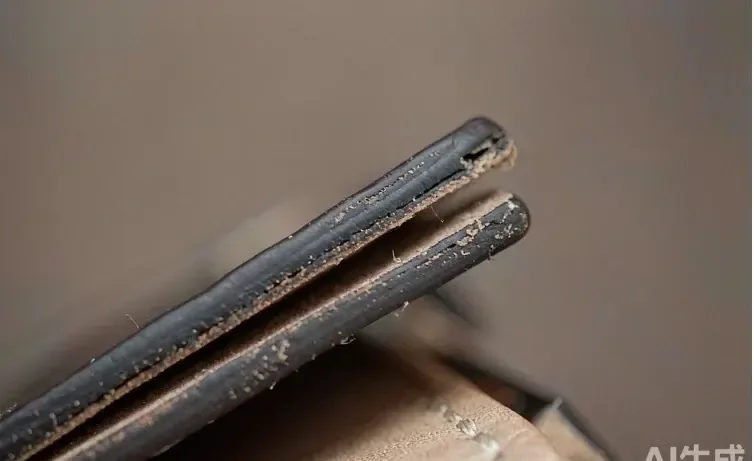
Bulk passes through five gates, and the fifth is the one that decides whether the cartons are sealed or the run is rebuilt.
- Material intake: leather thickness measured after splitting, hardware plating checked against the stated microns.
- First-off assembly: the first unit built to the approved sample, measured panel by panel before the run continues.
- In-process check: stitch density and edge finish sampled on the bench while the run is still moving.
- Final audit: AQL 2.5 under ISO 2859-1, with the sample size and the accept and reject numbers agreed in advance.
- Packing audit: carton count, dust bag and box presentation, and the packing list checked against the invoice.
AQL 2.5 means the inspection protocol, the sample size and the accept and reject numbers are fixed before bulk begins, so a later disagreement is a count rather than a matter of taste. Third-party inspection is available alongside the internal audit whenever a brand wants a second pair of eyes.
The gates are described step by step in quality control explained, and the five questions to settle before signing are in 5 questions before you sign a quote.
Trade Terms: Why FOB Xiamen Is the Default
FOB Xiamen is the default term because it keeps the handover point at the port where the goods are consolidated, and it leaves the brand in control of the freight it has chosen rather than the freight it was given.
- FOB Xiamen: the programme carries the goods to the port and loads them; the brand books and pays the freight.
- CIF: available where a brand wants carriage and insurance included to the destination port.
- DDP: available where a brand wants the goods delivered with duties settled at the destination.
- The term is fixed at quotation, not renegotiated once the cartons are ready to move.
The choice is not cosmetic. It decides who carries the risk during carriage, who handles customs documentation, and who is answerable when a shipment is delayed, which is why it belongs on the cost sheet beside the unit price.
The argument for the port of Xiamen is set out in why FOB Xiamen fits the programme.
Design Ownership, Tooling and Pattern Rights
Ownership in a programme is decided by who paid for what, and it is worth writing down on the cost sheet rather than leaving it to be discovered later.
Four ownership points to settle before development starts
- Patterns and graded sizes developed for the brand are held in its technical file, not in a shared library.
- Tooling the brand paid for belongs to the brand, and it should be named on the cost sheet.
- A confidentiality term should cover the pack, the material list and the launch date, not just the silhouette.
- The reference for the approval sample is the signed physical sample, not a photograph of it.
A brand that owns its file can move a programme without starting again, and that portability is the strongest argument for writing the parameters down in the first place. A brand that does not own the file is renting its own design.
The two arrangements compared side by side sit in design ownership explained.
Onboarding a New Brand Without Losing a Season
A new brand can be onboarded in four meetings, and the order matters more than the speed.
- Meeting 1: the brief, the target dimensions and the launch date, with the constraints stated honestly.
- Meeting 2: material and hardware shortlists, with the two decisions that freeze the price settled here.
- Meeting 3: technical pack review and the six-line quote, signed before sampling begins.
- Meeting 4: first sample review, corrections logged, and the approval gate booked.
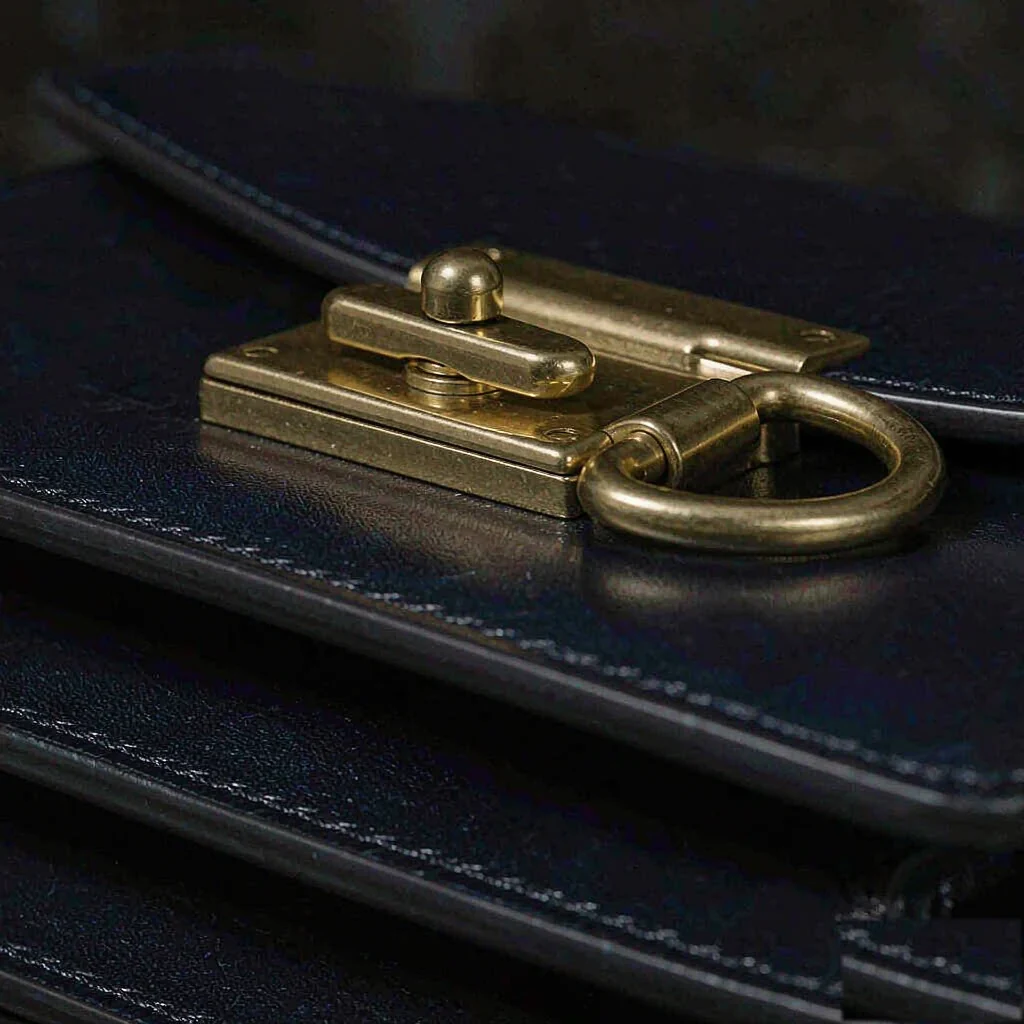
Capacity is rarely what slows a new programme down. The site runs 7 production lines at about 200,000 pcs per month, has held export experience since 2014, and is executed through our validated partner factory Quanzhou Yingming Bags, an SGS-validated production site. What slows things down is a decision deferred from meeting 2 to meeting 4.
The common mistakes are catalogued in onboarding mistakes to avoid and how a new brand is onboarded.
Start the Programme: What to Send First
The fastest programmes start with one complete email: sketches or reference images, target dimensions, the leather and hardware you have in mind, quantity per colourway, destination market and launch date. With those six things on the table, a costed quote and a sampling calendar come back inside two working days.
Start a luxury handbag programme
Send your brief, target dimensions, hide and hardware preferences, quantity per colourway and launch date. You will receive a six-line costed quote, a sampling calendar and a material shortlist within two working days. Request a quote.
Frequently Asked Questions
What does a luxury handbag programme include?
It includes development, material sourcing, sampling, bulk, inspection and packing, held together by one technical file. The file carries the technical pack, the material shortlist, the approval sample record and the inspection protocol, and it is the reference the bench and the inspector both work from.
How many stages does the programme have?
Four: development, sampling, bulk and handover. Development produces the technical pack and the costed quote, sampling runs 6-10 working days, bulk takes 35-50 days after approval, and handover covers packing and the shipping set at FOB Xiamen.
What is the minimum order for the programme?
The programme works to MOQ 500 pcs per style and colourway. That count lets a hide lot be reserved and a hardware run be plated to one shade. Below it, plating minimums and whole-hide buying move the unit price up, so a small launch usually does better in one colourway.
How many sampling rounds are included?
Development includes two rounds. The first is built in 6-10 working days and measured against the spec sheet; the second carries the corrections and is usually the one signed as the approval sample. Extra rounds are billed, and a change of hide after approval counts as a new round.
How long does the whole programme take?
From brief to handover, plan on development, then 6-10 working days for sampling, then 35-50 days for bulk. Complex builds needing new hardware tooling add to the sampling window, so an exotic or heavily tooled programme should be started earlier than a standard calfskin one.
What does AQL 2.5 mean for my order?
AQL 2.5 sets the acceptable count of minor and major defects in a random sample drawn under ISO 2859-1. It means the sample size and the accept and reject numbers are agreed before bulk starts, so a later disagreement is a mechanical count rather than an argument about taste.
Which trade terms are available?
FOB Xiamen is the default, with CIF and DDP available where a brand prefers them. The term is fixed at quotation because it decides who carries risk during carriage, who handles customs documentation and who is answerable when a shipment is delayed.
Who owns the design, the patterns and the tooling?
Patterns and graded sizes developed for a brand are held in its technical file, and tooling the brand paid for belongs to the brand. Both are worth naming on the cost sheet at the start, since they decide whether a programme can be moved later without starting again.
Can the programme handle exotic skins?
Yes, listed species can be specified, and CITES permit documents travel with every shipment and must match the commercial invoice. The caution is calendar rather than cost: permit processing has its own timetable, which sits alongside the 35-50 day bulk window.
What should I send to start the programme?
Send sketches or reference images, target dimensions, the leather and hardware you have in mind, quantity per colourway, destination market and launch date. With those six items on the table, a costed quote and a sampling calendar can be returned inside two working days.
Can the programme build to our own tech pack?
Yes. Many clients arrive with a complete pack: drawings, bill of materials, graded measurements and construction notes. The review then focuses on buildability, tolerance stack-up and material yield rather than on design intent. Where something cannot be engineered as drawn, alternatives are proposed with the reason stated in writing.
What happens if requirement fails at a gate?
A failed gate stops the programme at that point rather than pushing the problem downstream. The defect or deviation is documented, corrected where possible, and re-submitted. Nothing is released to the next stage on assumption. This is slower for a week and considerably less costly than discovering the same issue inside a finished bulk.
How is tooling charged and who keeps the tools?
Tooling covers cutting dies, hardware moulds, embossing plates and jigs needed for a specific design. It is invoiced once and belongs to the client. Tools are retained for repeat orders and released or transferred on request. This is stated in the order terms so ownership never depends on who happens to be holding the tooling.
Can a programme start with one hero style?
Starting with a single hero style is common and often sensible: development money buys one shape that has to carry a season. Once the platform is proved, additions share patterns, approved material sources and inspection references, which shortens their development. The MOQ 500 pcs per style / colourway rule still applies to the first run.
How is production capacity reserved for a launch?
Capacity is held once the deposit clears and materials are booked, not when a quote is requested. Seasonal peaks fill early, so the useful discipline is to approve samples inside the planned window. If a date must move, saying so early costs far less than asking for a slot that has already gone to another programme.
People Also Ask
Why does a programme need a technical pack at all?
Because it is the file the cutting table works from. Without it, the same bag gets drawn twice and cut from two different interpretations, and the differences only appear after the run has started.
Is MOQ 500 per style or per colourway?
Per style and per colourway. Each colourway needs its own hide lot and its own plating run, so splitting 500 pieces across four colours changes the economics of the whole order.
What makes a third sampling round necessary?
Usually a decision deferred from the material shortlist to the sample review. Changing the hide or the base metal at that point costs a revised pattern as well as a new round of bench time.
Should packaging be agreed with the bag?
Yes. Box dimensions drive carton count, and carton count drives freight, so a packaging decision taken after the bag is approved arrives too late to change the freight quote.
Is third-party inspection available?
It is. The internal AQL 2.5 audit runs in any case, and a brand that wants a second pair of eyes can appoint an inspector to work to the same agreed protocol before the cartons are sealed.
Sources and further reading
Every figure on this page is either our own programme data or attributed below. Open the originals before you write them into a specification.
- ISO — International Organization for StandardizationISO Publisher of ISO 2859-1, the sampling procedure behind AQL 2.5 inspection, and of the leather test series used on hides.
- Leather Working GroupLeather Working Group Environmental audit protocol for tanneries, referenced when a brand specifies audited hides at the material shortlist stage.
- CITES — Convention on International Trade in Endangered SpeciesCITES Appendix listings govern the permits that travel with every shipment of crocodile or python skins.
- ECHA — REACHEuropean Chemicals Agency REACH Annex XVII restrictions on substances in leather, coatings and metal components for the European market.
- CPSCU.S. Consumer Product Safety Commission Administrator of CPSIA requirements, including lead and phthalate scope for products marketed to children.
- SGSSGS Third-party testing and social compliance auditing used alongside the internal AQL 2.5 inspection.