How a Luxury Handbag OEM Onboards a New Brand: Six Questions Answered Stage by Stage
How does a handbag programme onboard a new brand? In six stages: a mutual non-disclosure agreement within 24 hours, a pack review against a 12-18 page tech pack, sampling in 6-10 working days, firm costing at approval, bulk in 35-50 days, and retained tooling for the second season. The stage that decides whether onboarding is smooth is the second one, because a complete pack removes most of the iteration that follows.
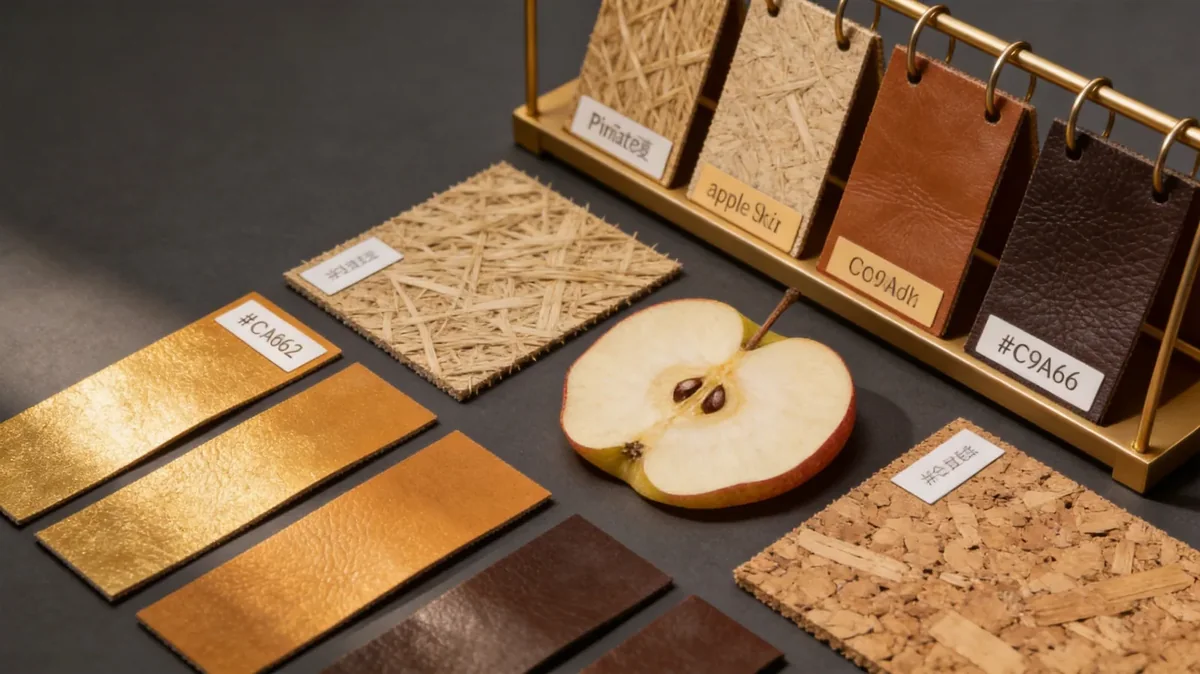
Question 1 — What Happens in the First Ten Days?
Onboarding is front-loaded: the first ten working days contain the non-disclosure agreement, the pack review, the costing pass and the start of sampling, and almost everything that goes wrong later traces back to something rushed inside them. A well-run onboarding spends those days on documents rather than on enthusiasm.
| Day | What happens | What you receive | What you owe |
|---|---|---|---|
| Day 1 | Enquiry reviewed, mutual non-disclosure issued | NDA within 24 hours | Signed NDA and a short brand brief |
| Day 2-3 | Pack review against drawings and destination list | Costing questions and a feasibility note | Dimensioned drawings and market list |
| Day 4-5 | Material and hardware direction confirmed | Swatch card and hardware options | Chosen tannery shade and finish |
| Day 6-7 | Indicative costing issued on six lines | Six-line indicative quote | Quantity per colourway confirmed |
| Day 8-10 | Sampling opens, pattern research begins | Pattern development record | Approval of the pack as written |
Day four is the one most first onboardings compress, and it is the wrong one to compress. Choosing a tannery shade and a hardware finish before costing means the indicative figure is built on the material the brand actually intends, which is what makes the firm quote land close to it.
Question 2 — What Does the House Need From You Before Day One?
A complete pack is worth more than a long brief, because a brief describes an intention while a pack describes a bag. The house needs dimensioned drawings, a bill of materials, a named shade and a destination list; everything else can be resolved inside the sampling window.
- Tech pack length
- 12-18 pages for a structured style with hardware
- Bill of materials
- 30-45 line items, each with material and finish named
- Colour reference
- Pantone TCX reference plus a physical approved swatch
- Hardware drawing
- 2D drawing with ±0.2 mm dimensional tolerance
- Pattern tolerance
- ±2 mm against the graded pattern set
Thirty to forty-five line items sounds excessive until a costing has to be defended. Each line is a thing that can be changed later: leather thickness, interlining weight, plating finish, thread gauge, zip size, feet diameter, dust-bag cloth, carton ply. Naming them early turns later changes into priced changes rather than surprises.
A hardware set at roughly USD 4.80 per unit for a mid-tier brass finish is a single line in that bill, and it carries its own plating thickness, base alloy and salt spray hours. Our luxury materials reference page shows how those sub-specifications are recorded so a re-order matches the first run.
Question 3 — How Does the First Sample Get Built?
The first sample is built from the pack, not from a conversation. Pattern research comes first, then a cutting trial in a substitute material, then the real cut once the pattern holds, and only then assembly. That order is what keeps the 6-10 working day window intact.
- Pattern research against the dimensioned drawings, with tolerance held at ±2 mm.
- Cutting trial in a substitute leather to prove the nesting and the panel count.
- Real cut from the reserved lot, with shade checked within ΔE 1.5 under D65.
- Assembly with the specified stitch density of 8-9 per inch and 0.45 mm thread.
- Edge work in three coats, cured 4 hours at 55-60 °C after the third.
- First-off check of dimensions, skive allowance and hardware alignment before dispatch.
The cutting trial is the step new brands never see and always benefit from. Proving the nesting in a substitute material costs a few hours and prevents a reserved lot from being cut to a pattern that does not yet hold its shape.
One further question arrives at almost every onboarding: can the house work from a sample the brand already owns rather than from drawings? It can, and it is often the fastest route, provided the sample is disassembled and measured rather than copied by eye. A measured teardown produces the same 30-45 line bill of materials and the same ±2 mm pattern tolerance, and it usually reveals one construction detail the brand had not noticed it was relying on.
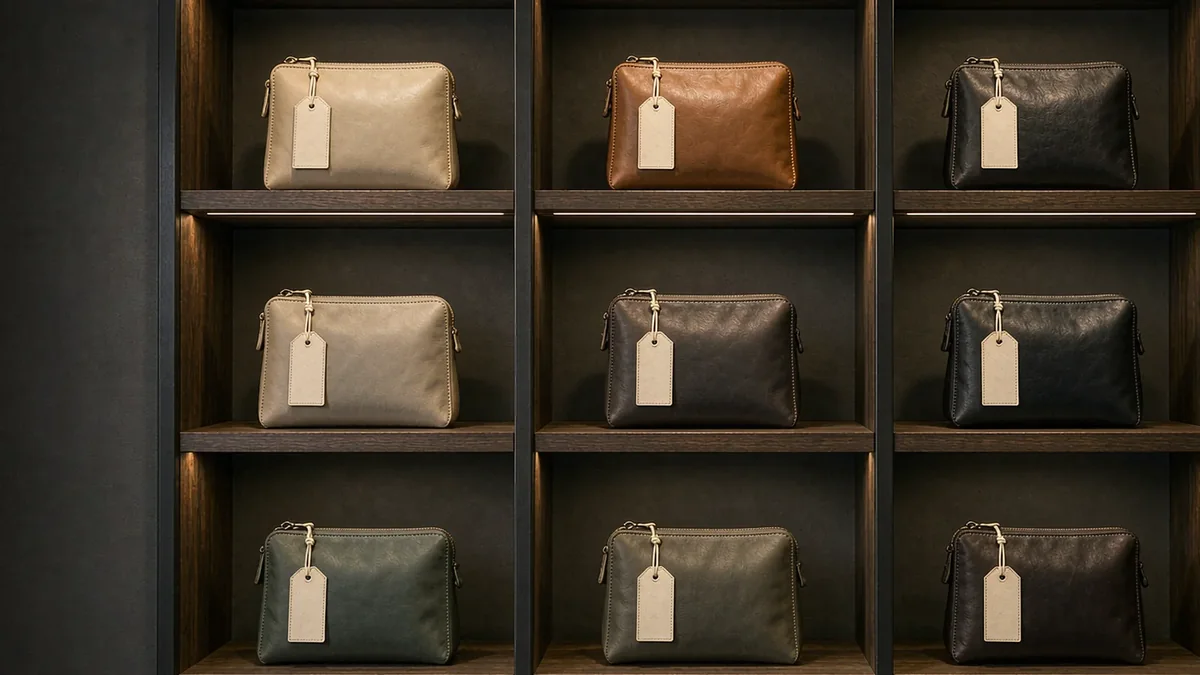
Question 4 — When Does Costing Become Firm?
Costing becomes firm at sample approval, not before. Before approval the figure is indicative and built on assumed yield and assumed bench time; after approval both are measured, and the firm quote is built on the actual panel count and the actual operations list.
- Indicative costing assumes a cutting yield of 62-70% and a stated bench time per operation.
- Firm costing uses the measured yield from the approved pattern and the recorded operations.
- Leather is priced against the reserved lot at 45-52 sq ft usable per hide.
- Hardware is priced against the confirmed finish, with plating thickness in microns named.
- Compliance is priced per lot and per market, so the destination list must be complete.
The gap between indicative and firm is usually small when the pack was complete and large when it was not. That gap, not the headline figure, is the honest measure of how well an onboarding was run, and a house that explains it in specific terms is one that understands its own costing.
Question 5 — What Does Approval Actually Lock?
Approval locks the material, the construction and the calendar. After approval, a change to any of the three is a priced change with a stated effect on the bulk window, which is why the approval stage should be treated as a contractual moment rather than as a formality.
| What is locked | How it is recorded | Effect of changing it later |
|---|---|---|
| Leather lot and shade | Lot number, usable area, ΔE 1.5 under D65 | New reservation, 6-10 working days and a fresh costing line |
| Construction and operations | Operations list with hand-finished steps named | Re-sampled pattern, 10-15 working days added |
| Hardware finish | Plating thickness, base alloy, salt spray hours | New plating run, component lead time again |
| Dimensions and tolerance | First-off card at ±2 mm against the pattern | New dies, and the tooling line reopens |
| Bulk slot | Reserved calendar position, 35-50 days | Slot released, and the season start moves |
The last row is the one that hurts. A released bulk slot is not recoverable by working faster; it is recovered by finding another opening in a calendar shared with other programmes, which is why reserving before the sampling window closes is worth more than any efficiency applied afterwards.
Question 6 — What Carries Into the Second Season?
What carries forward is the pack, the tooling, the approved sample and the lot record. Those four turn a second season from a fresh onboarding into a re-order, and they are the reason the first season should be documented even when nobody expects to repeat it.
- The approved pack, with every revision dated, so the pattern can be re-cut without research.
- Retained tooling: dies, plates and bespoke moulds, held for the brand with a stated storage period.
- The approved sample and first-off card as the physical reference for any future dispute.
- The lot record with usable area per hide, so a re-issue matches the original shade.
- The operations list, which is what makes bench time predictable on a repeat run.
Brands sometimes worry that documenting all of this slows the creative work down. In practice it does the opposite. Once the pack exists, a second silhouette in the same family costs a fraction of the first to develop, because the material lines, the hardware family and the interlining specification have already been settled and only the pattern is new.
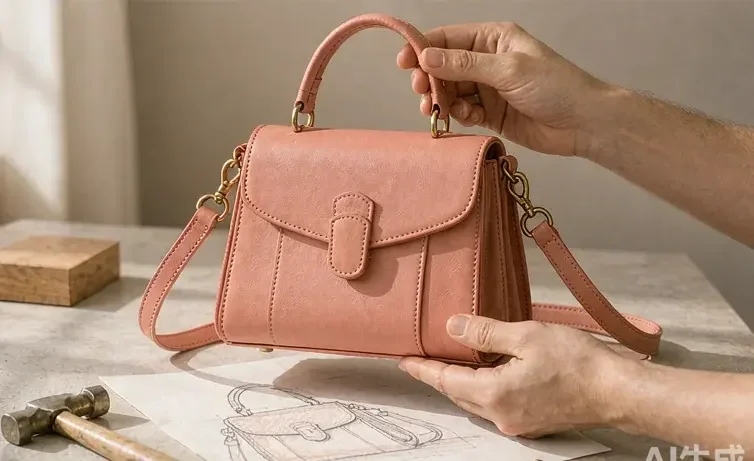
Start your onboarding with a complete pack
Send your drawings, quantity per colourway and destination markets. You will receive an NDA within 24 hours and a costing question list within two working days. Request a quote.
The Onboarding Documents, in Order
Onboarding produces a predictable stack of documents, and the order matters because each one gates the next. Brands that keep their own copy of every item in this list never have to argue about what was agreed.
Nine documents an onboarding should produce
- Mutual non-disclosure agreement, issued within 24 hours of first enquiry.
- Feasibility note recording any construction the house cannot build as drawn.
- Swatch card with the chosen tannery shade and a physical approved swatch.
- Indicative costing on six separated lines, with assumptions stated.
- Pattern development record with tolerance held at ±2 mm.
- First sample photographs showing edge build and hardware alignment.
- First-off card signed within 48 hours of the pilot run.
- Firm quote built on measured yield and the recorded operations list.
- Order document naming tooling ownership and the reserved bulk slot.
What New Brands Most Often Get Wrong
Five mistakes account for most difficult onboardings, and all five are visible in the first week if anyone is looking for them. None is fatal, and each is cheaper to fix early than to absorb later.
Mood imagery instead of drawings
Undefined geometry becomes billed research, and the sampling window is spent on questions the pack should have answered.
Hardware left undecided
A mechanism chosen after the first sample re-opens the pattern and costs 10-15 working days that bulk cannot recover.
Destinations named late
Each market can require its own report against its own lot, adding 6-10 working days at the busiest point in the calendar.
Bulk slot booked late
A released slot is not recoverable by working faster; it waits for another opening in a shared calendar.
Tooling ownership unstated
Without the clause, a second season buys the same dies again and starts later than it needed to.
None of these five is fatal, and the cost of each rises with the calendar. A mood board replaced by dimensioned drawings in week one costs an afternoon; the same correction made in week four costs a sampling window and, quite often, a reserved bulk slot that will not be offered again.
Our fixed figures sit behind every stage: MOQ 500 pcs per style and colourway, sampling in 6-10 working days or 12-15 for framed and hand-set work, bulk in 35-50 days, inspection at AQL 2.5 under ISO 2859-1, seven production lines at about 200,000 pcs per month, export experience recorded since 2014, and FOB Xiamen with CIF and DDP available. Our luxury sampling process page shows the sampling stage in the order it actually happens.
Frequently Asked Questions
How long does onboarding a new handbag brand take?
The document stages run about ten working days and sampling adds 6-10 more, or 12-15 for framed and hand-set work. Bulk then runs 35-50 days. The document stage is the one a brand controls, and completing the pack properly is what keeps the later stages on their stated dates.
What is in a complete handbag tech pack?
Twelve to eighteen pages for a structured style: dimensioned drawings, a bill of materials of 30-45 line items, a Pantone TCX colour reference with a physical swatch, a 2D hardware drawing at ±0.2 mm, and the destination list. Each line is something that can later be changed at a known cost.
Why does the bill of materials need so many lines?
Because each line is a variable in the costing. Leather thickness, interlining weight, plating finish, thread gauge, zip size, feet diameter, dust-bag cloth and carton ply all move the unit. Naming them early converts later revisions into priced changes rather than surprises at approval.
What is the non-disclosure arrangement at the start?
A mutual non-disclosure agreement is issued within 24 hours of a first enquiry, covering drawings, patterns and commercial terms. It is mutual because the house also holds process information worth protecting, and a mutual document is the version most brands' counsel will sign without amendment.
How is the first sample actually built?
In six steps: pattern research at ±2 mm, a cutting trial in substitute leather, the real cut from the reserved lot within ΔE 1.5 under D65, assembly at 8-9 stitches per inch, edge work in three coats cured 4 hours at 55-60 °C, and a first-off check before dispatch.
Why is a cutting trial done in substitute leather?
It proves the nesting and the panel count before a reserved lot is committed. A pattern that does not yet hold its shape would otherwise be cut from material that cannot easily be replaced, and the few hours the trial costs are far less than a re-cut hide lot.
When does a quotation become firm?
At sample approval. Before that, costing is indicative and built on an assumed yield of 62-70% and estimated bench time. After approval, both are measured against the approved pattern and the recorded operations, so the firm figure is built on fact rather than assumption.
What exactly does sample approval lock?
Five things: the leather lot and shade, the construction and operations list, the hardware finish with its plating thickness, the dimensions held at ±2 mm, and the reserved bulk slot. Changing any of them afterwards is a priced change with a stated effect on the calendar.
How is colour controlled from swatch to bulk?
A Pantone TCX reference sets the target and a physical approved swatch settles it, with production panels checked within ΔE 1.5 under D65 light. The lot is reserved against the order so every panel of one bag, and every bag in the run, comes from the same dye bath.
What tooling is created during a first season?
Eight to twelve cutting dies for a structured style, plus embossing plates and any bespoke moulds for hardware. That tooling is a one-off line amortised across the run, and with an ownership clause it is retained for the brand so a re-order does not buy it again.
What carries forward into a second season?
Four things: the approved pack with every revision dated, the retained tooling, the approved sample and first-off card, and the lot record with usable area per hide. Together they turn a second season into a re-order rather than a fresh onboarding.
How many units must a new brand commit at onboarding?
500 pcs per style and per colourway. Three silhouettes sharing one colourway commit 1,500 units but share a leather lot, a hardware family and a tooling set, which is the arrangement most first capsules should use rather than one silhouette in three colours.
What is the most common onboarding mistake?
Sending mood imagery instead of dimensioned drawings. Undefined geometry becomes billed research, and the sampling window is spent answering questions the pack should have settled. The second most common is leaving the hardware direction undecided until after the first sample.
How is quality handled during a first onboarding?
Finished goods are inspected at AQL 2.5 under ISO 2859-1, with a signed first-off card, conditioning at 20 °C and 65% relative humidity for 24 hours, and a report format agreed before bulk begins. Third-party inspection is available as an option.
Which trade terms apply to a first onboarding order?
FOB Xiamen is the base term, with CIF and DDP priced as alternatives from the same underlying unit. The unit covers the bag, its packing and the compliance work, while consolidation, port handling and ocean freight sit outside it.
People Also Ask
What does a handbag house need to start a new brand?
A mutual NDA, dimensioned drawings, a 30-45 line bill of materials, a Pantone TCX colour reference with physical swatch, a hardware drawing at ±0.2 mm and a full destination list.
How long does it take to onboard a new handbag brand?
About ten working days for documents, then 6-10 working days of sampling, or 12-15 for complex builds, followed by 35-50 days of bulk production before inspection and release.
Why is my first quote different from the final one?
The first is indicative, built on assumed yield and estimated bench time. At sample approval both are measured, so the firm quote reflects the actual panel count and operations list.
Can I change the hardware after approving a sample?
Yes, but it is a priced change. A new mechanism re-opens the pattern and plating run and typically adds 10-15 working days that bulk cannot recover.
What happens to my patterns and tooling after the first order?
With an ownership clause they are retained for the brand for a stated period, so a second season reuses the same dies and plates instead of buying them again.
Sources and further reading
Every figure on this page is either our own programme data or attributed below. Open the originals before you write them into a specification.
- ISO — International Organization for StandardizationISO Publisher of ISO 2859-1 for AQL sampling inspection and ISO 3376 for leather tensile behaviour referenced during onboarding.
- Leather Working GroupLeather Working Group Tannery environmental audit protocol referenced when a swatch card is issued from a named source during onboarding.
- European Chemicals AgencyECHA Authority behind REACH and the Annex XVII restrictions that shape the destination list collected at pack review.
- Office of Environmental Health Hazard AssessmentOEHHA Administers California Proposition 65 and the warning position required before goods land in that state.
- U.S. Consumer Product Safety CommissionU.S. Consumer Product Safety Commission Administrator of CPSIA, the scope that applies to styles placed in any children's market.