The Handbag Maison Programme: Development, Materials, Cost and the Calendar from Sketch to Carton
What does a handbag maison programme include? It includes development, material sourcing, sampling, bulk, inspection and packing, all run from one technical file by one accountable team. Sampling takes 6-10 working days, complex builds 12-15, and bulk takes 35-50 days after the approval sample is signed. The programme works to MOQ 500 pcs per style and colourway, inspects to AQL 2.5 under ISO 2859-1, and quotes FOB Xiamen by default. It is executed through our validated partner factory Quanzhou Yingming Bags, an SGS-validated production site with export experience since 2014, 7 production lines and about 200,000 pcs per month.
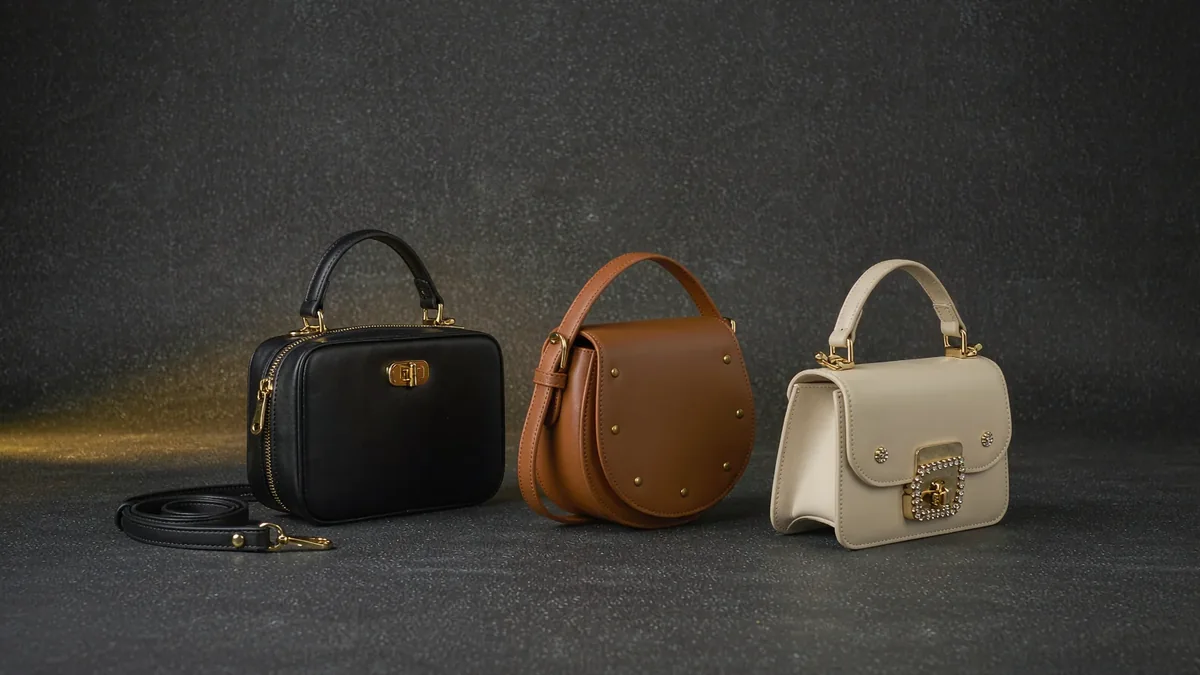
What a Maison Programme Covers, End to End
A maison programme covers six things under one agreement and one technical file: development, material sourcing, sampling, bulk, inspection and packing. Nothing on that list is handed to a party the brand cannot name.
The word is borrowed from couture, where the studio, the atelier and the finishing bench sit under one roof. Applied to handbags it describes a working arrangement rather than a marketing badge: ask who owns the pattern, and the answer should be one team that can show you the stitch density it intends to run.
Brands pay for this because it closes the blame gap. When a gusset creases or an edge lifts, a split arrangement gives every party a reasonable story about why it was somebody else. One file, one reference, one answerable team.
For the stage-by-stage view, how a luxury handbag maison develops a new collection walks the sequence from mood board onward.
The Nine Documents That Define the Order
A maison programme is defined by nine documents, from the brief through to the CITES permits where the market requires them, and a missing one is a missing agreement rather than a missing form.
| Document | Who signs it | What it locks |
|---|---|---|
| Design brief | Brand and development team | Silhouette, target dimensions, intended use |
| Technical pack | Development team | Panel measurements, allowances, seam sequence |
| Material specification | Brand and tannery reference | Hide grade, thickness, finish, colour standard |
| Hardware specification | Brand and plating partner | Base metal, plating thickness, salt-spray target |
| Approval sample record | Brand | The physical reference the bulk run is measured against |
| Cost sheet | Both parties | Unit price, MOQ, included sampling rounds, payment terms |
| Inspection protocol | Both parties | AQL level, sample size, accept and reject numbers |
| Packing specification | Both parties | Dust bag, box, tissue, carton count |
| Shipping set | Programme team | Commercial invoice, packing list, CITES permits where required |
Two of them do most of the work. The technical pack is the file the cutting table works from, and the approval sample record is the physical reference the bulk run is judged against, so no later argument about intent can override either.
The Maison Calendar: Six Gates from Sketch to Carton
The programme runs to six gates, and crossing each one requires a document rather than a promise.
- Gate 1, days 0-2: brief and technical pack reviewed, hide and hardware lots reserved.
- Gate 2, days 3-6: pattern drafted, first cut, skiving, bench assembly, sample measured.
- Gate 3, days 7-10: corrections logged, second sample built where revision is needed.
- Gate 4, days 11-15 for complex builds: hardware tooling proven, turn-lock fitted.
- Gate 5, approval: sample signed, spec frozen, price reconfirmed on the final lot.
- Gate 6, bulk days 1-50: intake, cutting, assembly, finishing, AQL 2.5 audit, packing, handover.
Two things push a programme past 50 days: a hardware decision taken after the pattern is cut, and a hide lot re-selected after approval. Both are calendar problems rather than paperwork problems, and both are avoided by freezing the specification before intake.
The day-by-day view sits in handbag maison lead times and the timeline from sketch to delivery.
Materials the Programme Sources and Why They Differ
Materials in a maison programme are named by grade, thickness and finish, and those names are what the cutting table works to rather than a general description.
Full-grain calf, 1.2-1.4 mm
The default for a structured body. Holds a flap shape through a season and develops an even patina.
Vegetable-tanned shoulder, 1.6-1.8 mm
Used for handles, straps and frame bags where the edge is left raw and burnished by hand.
Nappa and suede linings, 0.6-0.8 mm
A drape and comfort decision. Below 0.6 mm the lining bags out at the corners within months.
Solid brass hardware, 0.20 µm palladium
The common mid-luxury specification, holding a thread on a lock far longer than zinc alloy.
CITES-listed exotics
Crocodile and python can be specified, but permit documents travel with every shipment.
Tannery provenance matters as much as grade: Leather Working Group (LWG) audited tanneries are used where the brand asks, and the audit reference is filed inside the technical file, which is what lets a second season match a first.
The full reference for hides and finishes sits on luxury materials, and listed skins are covered in choosing exotic leather lines.
The Parameters the Atelier Writes Down
A maison programme states its finishing parameters before cutting and measures them at intake, because a number that was never written down cannot be defended later.
- Body leather thickness
- 1.2-1.4 mm full-grain calf, measured after splitting
- Stitch density
- 9 stitches per inch, 0.45 mm bonded nylon thread
- Edge paint
- 4 coats, 8 min flash-off at 60 °C between coats
- Hardware plating
- 0.20 µm palladium over solid brass, 24 h neutral salt spray
- Turn allowance
- 3.0 mm on every turned edge
- Dimensional tolerance
- ±1.0 mm on panels up to 300 mm, ±1.5 mm beyond
- Interlining
- 0.8 mm non-woven on flap and front panel
The numbers are not decoration. At 9 stitches per inch a 1.2 mm calf panel resists creep under a loaded handle, while the same seam at 7 opens visibly after a single season. Four edge-paint coats with an 8 minute flash-off cure through instead of skinning over, so the edge survives the fold.
Cost Structure: Six Lines, Not One Number
A maison quote is written in six lines — material, hardware, labour, finishing, compliance and packaging — because a single price per bag cannot be negotiated honestly by either side.
- Material, 38-52% of FOB cost: hide grade, cut yield and lot size are the three levers.
- Hardware, 12-22%: base metal first, then plating thickness, then any dedicated tooling.
- Bench labour, 14-20%: stitch density, hand-finishing and turn-edge work.
- Finishing, 4-8%: edge-paint coats, creasing, burnishing and final pressing.
- Compliance, 2-4%: REACH, Prop 65 and CPSIA testing, tied to the material lot.
- Packaging, 3-6%: dust bag, box, tissue and print, costed per unit.
Four of the six are fixed before the pattern is cut, which is the real lesson: price is set in the specification, not negotiated at the end. The physical sample set — swatch card, hardware sample and one prototype panel — is billed at USD 4.80 and credited in full against the first bulk order.
Four questions to ask before you sign a quote
- Which material lot is this price tied to, and how long is that lot held?
- Is the plating thickness stated in microns, and what salt-spray duration was tested?
- How many sampling rounds are included before extra rounds are billed?
- Are the compliance test reports inside the unit price, or billed separately?
The line-by-line treatment sits in how much a handbag maison programme costs.
What MOQ 500 Buys, and What Going Below It Costs
The programme works to MOQ 500 pcs per style and colourway, and that threshold is a technical argument rather than a commercial one.
At 500 a hide lot can be reserved, a hardware run can be plated to one shade, and the bench can hold one construction long enough for the second hundred units to beat the first. Below it, plating minimums and whole-hide buying turn the arithmetic against the brand, so a launch needing 120 pieces across four colourways usually does better in one colourway at 500.
Capacity is rarely the constraint. The programme runs 7 production lines at about 200,000 pcs per month, has held export experience since 2014, and is executed through our validated partner factory Quanzhou Yingming Bags, an SGS-validated production site. Third-party inspection is available alongside the internal AQL 2.5 audit.
The threshold itself is explained in MOQ for designer brands and small luxury collections.
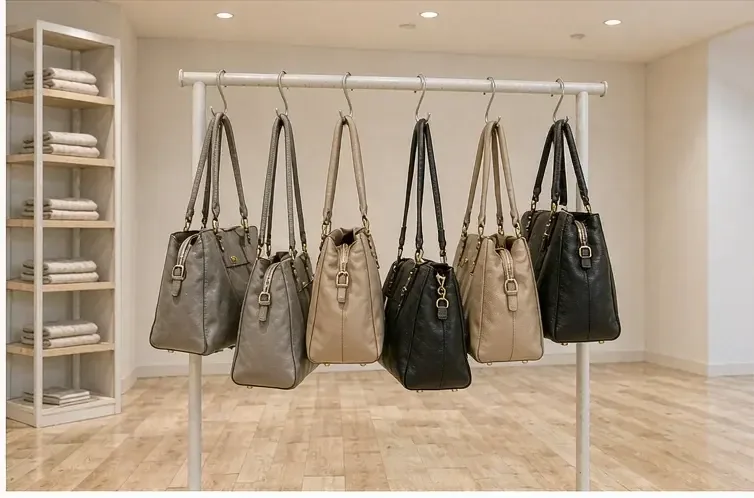
Brand Identity: How a Maison Protects the Work
Protection in a maison programme is procedural before it is legal: the pattern, the graded sizes and the tooling are held in the brand's file, and that file is what makes the work portable.
- Patterns and graded sizes are developed for the brand, not held in a shared library.
- Tooling the brand paid for stays the brand's, stated on the cost sheet rather than assumed.
- Confidentiality covers the tech pack, the material list and the launch date.
- A named hide lot lets a second season be matched to a first instead of approximated.
- Approval sample records are signed by both parties, so the reference is physical.
Heritage is the half that cannot be written into a contract: the memory of why a handle was shortened three seasons ago. That memory is what makes a fourth collection look like it belongs to the same house, and it is treated further in how a maison protects brand identity.
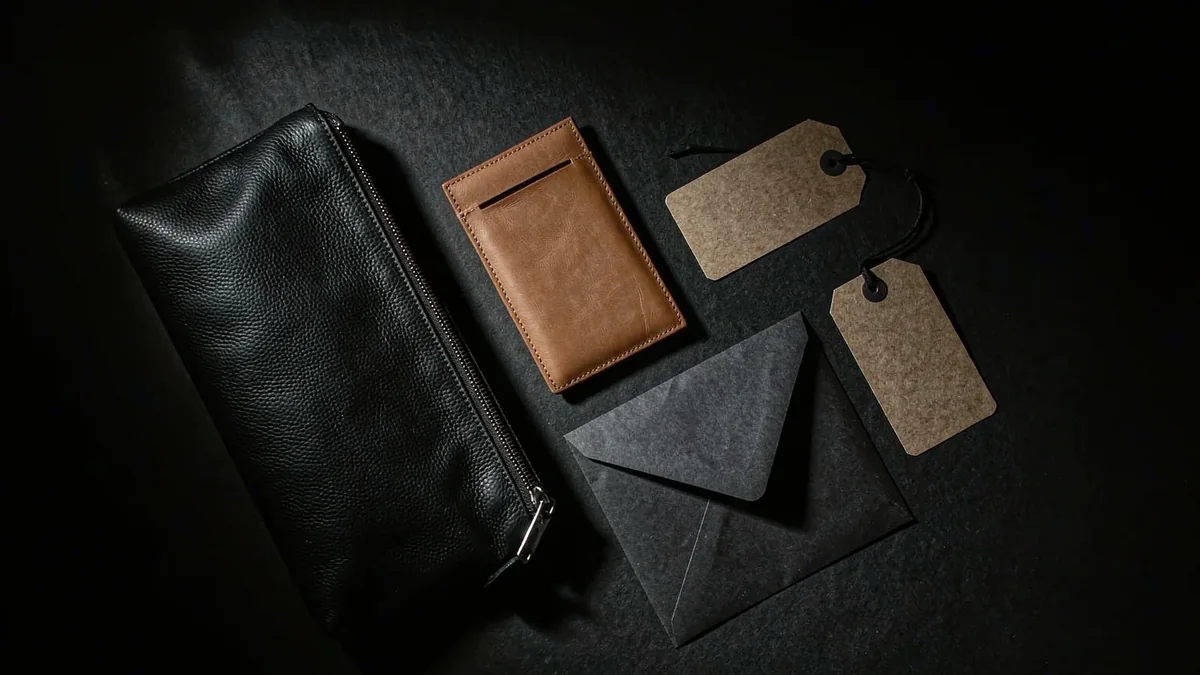
Fit Tests: When the Maison Model Is Right, and When It Is Not
The maison model is right when the bag depends on parameters somebody has to defend, and wrong when the design is already frozen to a commodity standard nobody intends to revisit.
- Right: the bag is defined by a leather thickness, a stitch density or a plating specification.
- Right: the brand will carry the construction across several seasons and needs a file to carry it in.
- Right: several parties are involved today and none of them owns the technical file.
- Wrong: the order is a one-off market test of 50 to 150 pieces per style.
- Wrong: the decision is made on unit price alone and the finish standard is negotiable.
- Wrong: the timeline is shorter than 35-50 days from approval and cannot move.
The vetting sequence before you commit sits in how to vet a handbag maison and the qualities prestige brands look for.
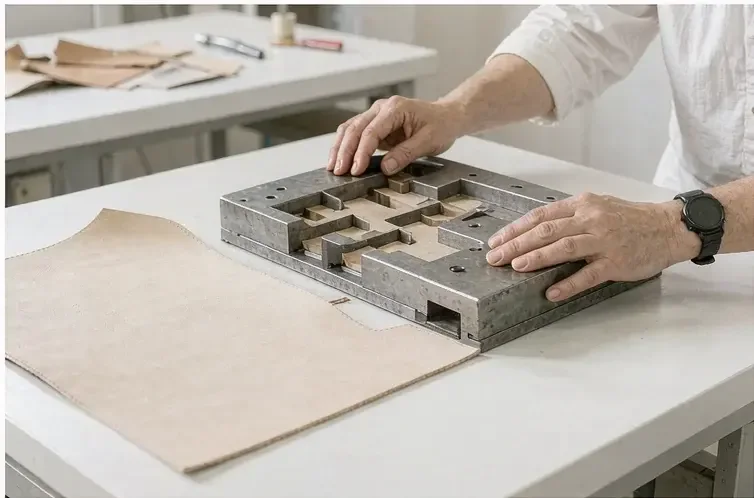
Starting the Programme: What to Send First
The fastest programmes start with a complete first email: sketches or reference images, target dimensions, the leather and hardware you have in mind, quantity per colourway, destination market and launch date. With those six things on the table, a costed quote and a sampling calendar come back inside two working days.
What is worth preparing before that email is a decision on the two things that freeze the price — the hide and the base metal for the hardware. Both can change later, but each change costs a sampling round and a revised pattern, so the programme that costs the least is the one where both were settled early.
Start a maison programme
Send your sketches, target dimensions, hide and hardware preferences, quantity per colourway and launch date. You will receive a six-line costed quote, a sampling calendar and a material shortlist within two working days. Request a quote.
Frequently Asked Questions
What is a handbag maison programme?
It is a working arrangement that keeps development, material sourcing, sampling, bulk, inspection and packing under one technical file held by one accountable team. The file carries the patterns, the graded sizes, the material lot and the finishing parameters, and it is the reference every decision about the bag is checked against.
How is a maison programme different from a standard production order?
The difference is where the technical file lives. A standard order builds to a drawing somebody else owns, while a maison programme writes the spec sheet, states the tolerances and measures them at intake. That adds a little time at the start and removes the blame gap when something comes back wrong.
What is the minimum order for a maison programme?
The programme works to MOQ 500 pcs per style and colourway. At that count a hide lot can be reserved and a hardware run plated to a single shade. Below it, plating minimums and whole-hide buying push the unit price up sharply, so a small launch often does better in one colourway.
How long does sampling take?
Sampling runs 6-10 working days for a standard build and 12-15 for a complex one. Days 0-2 cover the brief and pattern, days 3-6 the first cut and bench assembly, and days 7-10 corrections. Complex builds need the extra days for hardware tooling and lock fitting.
How long does bulk production take after sample approval?
Bulk takes 35-50 days after the approval sample is signed and the material lot is confirmed. The window covers material intake, cutting, skiving, assembly, finishing, the AQL 2.5 audit and packing, ending at FOB Xiamen handover. Late hardware decisions and re-selected hides are the two things that most often push past 50.
Which leathers can the programme source?
Full-grain calf at 1.2-1.4 mm is the default for structured bodies, vegetable-tanned shoulder at 1.6-1.8 mm for handles and frame bags, and nappa or suede at 0.6-0.8 mm for linings. Exotics such as crocodile and python are possible, but they require CITES permit documents with every shipment.
Can the programme handle exotic skins and their documents?
Yes, listed species can be specified and the permit documents travel with every shipment, matching the commercial invoice. The practical caution is calendar rather than cost: permit processing has its own timetable, so an exotic programme should be started earlier than the equivalent calfskin one.
What does AQL 2.5 inspection mean for my order?
AQL 2.5 sets the acceptable count of minor and major defects in a random sample drawn under ISO 2859-1. In practice it means the inspection protocol, the sample size and the accept and reject numbers are agreed before bulk starts rather than after the cartons are sealed. Third-party inspection is available on request.
Who owns the patterns and the tooling?
Patterns and graded sizes developed for a brand belong to that programme and are held in its technical file. Tooling the brand paid for is the brand's. It is worth stating both on the cost sheet at the start, since that determines what happens if the programme later moves elsewhere.
What should I send to start a maison programme?
Send sketches or reference images, target dimensions, the leather and hardware you have in mind, target quantity per colourway, destination market and launch date. With those six items on the table, a costed quote and a sampling calendar can be returned inside two working days.
What does a maison calendar look like across one season?
A season runs six gates: concept and brief, material direction, tech pack and costing, sampling in 6-10 working days, approval and golden sample, then bulk across 35-50 days before packing and export. Each gate produces a document. Working backwards from the launch week is the only reliable way to set the dates for the earlier ones.
How many styles should a first maison programme carry?
Most first programmes carry three to five styles: one structured hero, one softer day shape, one small evening or cross-body piece, and optionally one small leather good. That is enough to read as a collection while keeping development spend and minimum quantities inside MOQ 500 pcs per style / colourway rather than multiplying them.
Can a maison programme include small leather goods?
Yes. Note cases, card holders and pouches share leather lot, hardware finish and branding with the bags, so they amortise development and cut waste from the same hide. Minimum quantities still apply per style, but unit cost is usually lower, which makes them useful entry price points in a first collection.
How is a maison quotation structured?
A maison quote separates development, sampling rounds, tooling, unit price per style, packaging and testing. Each line is stated with the assumption behind it, including quantity and material direction. Comparing quotes then becomes a question of which assumptions suit the programme, rather than a search for the lowest single number.
People Also Ask
What does maison mean when it is applied to handbags?
It describes a working model borrowed from couture: the studio, the atelier and the finishing bench operate under one roof and one file, so design intent survives into bulk instead of being reinterpreted by each party that touches it.
Why do designer brands prefer a maison over separate vendors?
Because accountability sits with one team. When a seam creeps or an edge lifts, there is no gap between the drawing, the cutting and the assembly for responsibility to disappear into.
Is MOQ 500 per style or per colourway?
Per style and per colourway. Each colourway needs its own hide lot and its own plating run, so splitting 500 pieces across four colours changes the economics of the whole order.
How early should hardware be specified?
Before the pattern is cut. Lock geometry and thickness drive panel allowances, so a late decision usually means a revised pattern and a second sampling round rather than a straightforward swap.
What is the most common cause of a missed launch date?
A material lot re-selected after the approval sample was signed. It forces a new test report, a new cutting plan and sometimes a revised price, which is a calendar problem rather than a paperwork one.
Sources and further reading
Every figure on this page is either our own programme data or attributed below. Open the originals before you write them into a specification.
- Leather Working GroupLeather Working Group Environmental audit protocol for tanneries; referenced when a brand specifies audited hides for a structured calfskin programme.
- CITES — Convention on International Trade in Endangered SpeciesCITES Appendix II and III listings govern the permit documents required for crocodile and python skins.
- ISO — International Organization for StandardizationISO Publisher of ISO 2859-1, the sampling procedure behind AQL 2.5 inspection, and of the leather test series.
- ECHA — REACHEuropean Chemicals Agency REACH Annex XVII restrictions apply to substances in leather, coatings and metal components sold into the European market.
- Proposition 65California Office of Environmental Health Hazard Assessment The warning assessment reviewed whenever the hardware plating or the coating on a bag changes.
- EUR-LexEuropean Union Home of EU Regulation 1007/2011 on fibre names, which governs how material composition is stated.