How to Request a Luxury Handbag Quote
How do you request a luxury handbag quote? Send a complete brief covering design status, dimensions, materials, hardware, quantity, destination and delivery window, and we will convert it into a scoped commercial response. The first reply normally follows six steps: intake, feasibility review, material and hardware direction, sampling plan, commercial proposal and approval route. The locked baseline is 500 pcs per style / colourway, sampling in 6-10 working days, complex styles in 12-15 working days, bulk in 35-50 days and final inspection to AQL 2.5 (ISO 2859-1) on FOB Xiamen terms.
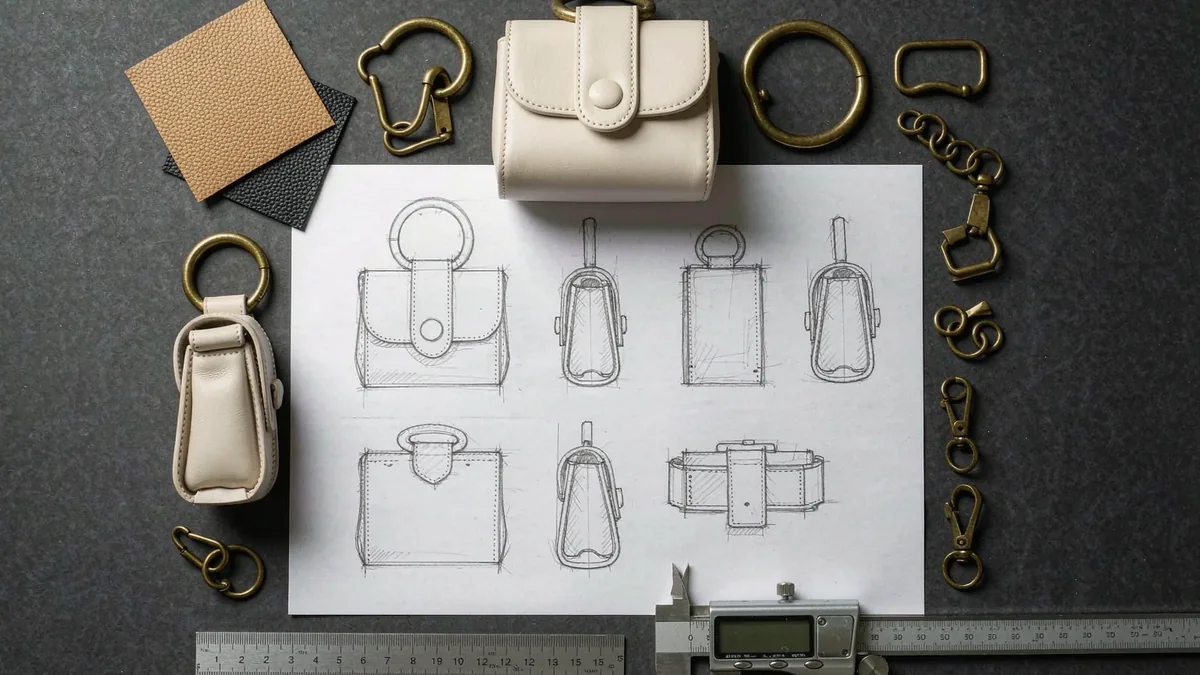
What Happens After You Send an Enquiry
A quote becomes useful when it is attached to a defined specification rather than a photograph alone. The first exchange therefore focuses on completeness: what exists, what is still open and which decisions will shape cost, timing and risk. Once the brief is readable, we identify the questions that must be answered before a price can be defended, then return a structured reply with assumptions stated explicitly rather than implied.
This approach protects both sides. A buyer receives a response that can be compared against an internal cost target and calendar; the programme team avoids quoting against two different interpretations of the same design. Where information is missing, we say so and propose a sensible default. Where a request is genuinely unfeasible, we explain the limiting factor and the alternative that would meet the intent.
The Six-Step Quote Route
Six steps move an enquiry from initial contact to a commercial proposal that can be approved internally. Each step has a clear output, so progress is visible even when the creative direction is still evolving.
- Enquiry intake: collect drawings, references, dimensions, quantity by style and colourway, destination, packaging expectation and required delivery window.
- Feasibility review: assess construction complexity, material and hardware development needs, testing expectations, compliance scope and realistic timing.
- Material and hardware direction: shortlist outer material, lining, reinforcement, edge finish, thread, metal tone and branding method with named alternatives.
- Sampling plan: define what the first sample must prove, the comment method, the approval owner and whether standard or complex timing applies.
- Commercial proposal: present unit pricing against the approved specification, payment structure, trade term, packaging scope, validity period and volume assumptions.
- Approval route: confirm the sealed reference sample, inspection criteria, order details, booking logic and the release authority for shipment.
Information Buyers Should Prepare Before Contacting
The items below form a practical checklist. You do not need finished technical drawings to start, but each missing item becomes a question later, and unanswered questions delay both sampling and pricing. Prepare what you have, then mark the rest as open.
Design Status
State whether you have sketches, dimensioned drawings, annotated references or only a concept direction.
Dimensions and Function
Share length, height, depth, handle drop, opening type, capacity intent, pocket layout and carrying method.
Material Direction
Describe outer material, lining, reinforcement, edge finish, thread colour and acceptable alternatives.
Hardware and Branding
List closures, rings, feet, protectors, metal tone, logo artwork, size, position and application method.
Quantity Plan
Give pieces per style and colourway, remembering the 500 pcs per style / colourway baseline.
Market and Compliance
Name destination markets, labelling needs, restricted-substance expectations and any required audit evidence.
Packaging Scope
Define protective components, presentation elements, labelling, assortment method and export carton requirements.
Timing and Approvals
Provide the requested delivery window, the approval owner and the internal dates that must be met.
Response Times for Each Stage
Timing expectations are easier to manage when they are stated per stage rather than as a single promise. The table below sets out the standard working windows and the condition that starts each one. Buyer review time, courier transit and revision rounds sit outside these windows and should be planned separately.
| Stage | Working window | Starts when |
|---|---|---|
| Enquiry acknowledgement | 1 business day | Brief received with contact details |
| Feasibility review | 2-3 business days | Design, quantity and destination are known |
| Material direction | 3-5 business days | Target character and price band agreed |
| Standard sampling | 6-10 working days | Specification pack and material direction confirmed |
| Complex sampling | 12-15 working days | Moulded parts or new hardware approved |
| Commercial proposal | 2-4 business days | Specification, quantity and trade term set |
| Bulk production | 35-50 days | Order, sample, materials and terms confirmed |
How Pricing Is Built and Compared
A defensible price is tied to a specification, a quantity and a delivery assumption. Leather consumption, yield, hardware development, edge construction, reinforcement layers, lining choice, branding method, testing scope and packaging all move the number. Comparing two quotes without comparing their underlying assumptions usually produces a false conclusion, so we state what is included and what remains open.
Reading a quoted figure
- Always attach a quoted figure to its specification. A benchmark such as USD 4.80 only means something when the material set, hardware finish, construction detail, quantity and trade term are written beside it. Ask which items are included, which are provisional and which will be re-quoted after sampling.
Sampling Requests and Revision Discipline
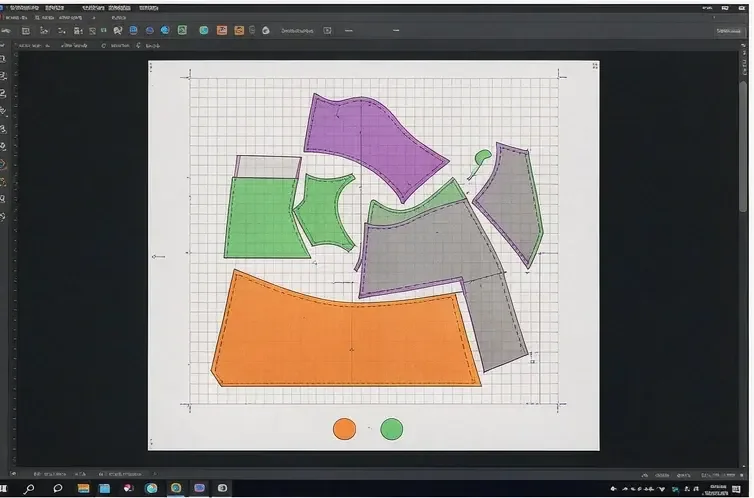
Sampling requests should state the question each sample must answer. A first sample might test proportion, opening, capacity and handle geometry; a later sample confirms corrected pattern balance, approved materials, hardware movement and branding placement. Complex styles requiring 12-15 working days deserve that additional window when moulded parts or newly developed hardware must be proven before bulk planning.
Consolidated feedback keeps that window meaningful. Use one numbered comment file with measurements and marked images, appoint a single approval owner, and separate observations from required actions. A comment such as a flap feeling heavy identifies a concern; a target opening angle or revised reinforcement decision creates an action that can actually be executed on the bench.

Compliance, Testing and Documentation Requests
Compliance requests should be raised with the first enquiry, not at shipment. State destination markets, material claims, restricted-substance expectations, labelling requirements and any social or environmental programme you expect evidence for. Possible references include REACH Annex XVII for the European market, California Proposition 65 and CPSIA for the United States, GRS for applicable recycled inputs and Leather Working Group evidence for leather environmental performance.
Where testing is required, agree the method, laboratory, sample condition and pass criteria in advance. Relevant methods may include the ISO 105 family for colour fastness, ISO 3376 for leather tensile properties and ISO 11644 for coating adhesion. Final inspection follows AQL 2.5 (ISO 2859-1), and independent inspection can be arranged when the buyer nominates the appointed party and release authority.
Logistics, Trade Terms and Shipment Planning
FOB Xiamen is the standard trade term, while CIF or DDP can be discussed after destination, shipment profile and service scope are clear. The chosen term determines responsibility for freight, insurance, import handling, duties and final delivery. Map the 35-50 day bulk window backward from the required ship date, leaving room for inspection, corrective action and document review instead of compressing every activity into the final week.
Documentation planning runs alongside production, not after it. Packing lists, commercial invoices, carton marks, assortment details, certificates applicable to the order and any buyer-nominated inspection reports should be identified early. When several destinations are involved, agree distribution of documents per shipment so that customs clearance and internal receiving are not delayed by formatting errors.

What Slows a Quotation Down
Most delayed quotations are delayed for the same four reasons, and none of them start on our side.
The first is missing quantity. Unit pricing depends directly on how many pieces and how many colourways, so roughly five hundred has to become 500 pcs in two colourways before material can be costed.
The second is undefined material. Leather covers corrected top-grain through full-grain calfskin at very different prices per square foot. A direction is enough to start, even a reference photograph of a bag whose skin you like.
The third is hardware, which carries the longest external lead time of anything on the bag. Standard finishes can be quoted immediately; custom tooling has to be drawn, quoted and made before it can be fitted.
The fourth is artwork. Foil blocks, embossing plates and printed dust bags need print-ready files. A logo supplied as a low-resolution raster usually costs a week before anything reaches a printing plate.
What follows from those four is simple: the fastest quotations come from buyers who send quantity, material direction, hardware direction and artwork together, even when each is provisional.
Nothing needs to be final at enquiry stage. Provisional answers can be quoted as stated assumptions and revised later, with one line moving rather than the whole number.
Where a buyer genuinely cannot decide yet, the honest request is a range: three scenarios at three specification levels. One email built that way usually settles which direction the collection should take.
Say too which dates are fixed and which can move. A launch date that cannot slip changes what can reasonably be promised, and knowing it at quotation stage avoids a surprising answer later.
Either way the reply lands inside one business day of a usable brief. Anything longer means something in that brief is still open, and it is better to close it early.
Send the Brief That Starts a Real Conversation
A short, honest brief is better than a speculative one. Tell us the style count, quantity by colourway, design maturity, target material, destination, required delivery window and the two or three details that cannot be compromised. If the concept is early, say so; early clarity allows a realistic route to be proposed.
Request your quote
Send drawings, references, quantity plan and delivery target through Contact & Quote. We will review programme fit, list the first decisions and return a scoped response with stated assumptions.
Frequently Asked Questions
What information is required before a quote can be prepared?
A workable quote needs design status, dimensions, functional description, material and hardware direction, quantity by style and colourway, destination market, compliance scope, packaging expectation and a delivery window. Missing items are not fatal, but each one becomes an open assumption and should be named rather than guessed.
How long does the first reply usually take?
Enquiry acknowledgement is normally within one business day. A feasibility review follows in two to three business days once design, quantity and destination are known. Material direction, sampling planning and the commercial proposal each add their own window, which is why a complete brief shortens the total route.
Why is the MOQ set at 500 pcs per style / colourway?
Each colourway can require separate outer material, lining, thread, edge colour, hardware finish and packing identification. Treating 500 pcs per style / colourway as the baseline supports coherent material planning, stable line control and consistent appearance. Buyers should share the assortment early so the plan can be assessed realistically.
Can I request a sample before receiving a price?
Yes, sampling and pricing can run in parallel, but the first price is more accurate when the material direction is agreed. Sampling takes 6-10 working days for standard styles and 12-15 working days for complex styles, starting after the specification pack and key construction decisions are confirmed.
How should a quoted price be compared between programmes?
Compare the specification behind each figure, not only the number. Check material set, hardware finish, construction detail, quantity, testing scope, packaging, trade term and validity period. A benchmark such as USD 4.80 is meaningful only when those assumptions are written beside it for both proposals.
Which trade term should I choose for my shipment?
FOB Xiamen is the standard basis and suits buyers with established freight arrangements. CIF or DDP can be discussed when destination, shipment profile and requested service scope are clear. The decision should reflect your logistics capability, customs familiarity and tolerance for responsibility during transit and import.
Can compliance documents be requested with the order?
Yes, but they must be specified early. State destination markets, material claims, restricted-substance expectations, labelling needs and any social or environmental programme. Applicable references may include REACH, California Proposition 65, CPSIA, GRS, BSCI, Sedex and Leather Working Group evidence, each with scope-specific documents.
What happens if my design changes after sampling?
Changes after sampling are handled through a revised specification and, where necessary, a new sample. Impact on cost, material availability and the 35-50 day bulk window is assessed before acceptance. Late artwork, changed hardware or revised packaging most often affect schedule rather than unit price alone.
Can you hold a quoted price while I decide?
A quote carries a stated validity window, normally 30 days, because hide prices and plating costs move. The window is printed on the quote itself. Once material is booked and the deposit clears, the numbers behind that booking are fixed. Until then, assume the figure can move with material and metal rather than staying open indefinitely.
What currency and terms are quotes issued in?
Quotes are issued in US dollars on FOB Xiamen terms, which exclude freight, insurance, duty and destination charges. Development, sampling, tooling and packaging appear as separate lines when they apply. Written that way, a quote from another programme can be compared line for line instead of only against the headline unit number.
People Also Ask
What is the fastest way to get an accurate handbag quote?
Send a complete brief with drawings or annotated references, dimensions, material and hardware direction, quantity by style and colourway, destination, packaging scope and delivery window. State which details are fixed and where alternatives are welcome.
Should I share my target price before sampling?
Sharing a target range helps align material and hardware options with commercial reality. A figure such as USD 4.80 should be accompanied by the specification you expect at that level, so feasible alternatives can be proposed instead of assumptions.
How many revision rounds are realistic during sampling?
Plan for focused rounds rather than open-ended cycles. Each round should close named questions through consolidated, numbered comments. Complex styles with new hardware or moulded parts may need an additional round within the 12-15 working day window.
Who should own approvals inside a buying team?
Appoint one approval owner who consolidates internal comments before they reach the programme team. Conflicting feedback from design, buying and merchandising is a common cause of circular revisions and unnecessary delay during sampling.
Can inspection be arranged by my own nominated party?
Yes, third-party inspection is optional. Name the appointed party, reporting format, booking lead time and release authority. Final inspection still follows the agreed specification and the locked AQL 2.5 (ISO 2859-1) baseline.
Sources and further reading
Every figure on this page is either our own programme data or attributed below. Open the originals before you write them into a specification.
- International standards and conformity resourcesInternational Organization for Standardization Institutional reference for ISO 2859-1, ISO 105, ISO 3376 and ISO 11644.
- REACH legislationEuropean Chemicals Agency Official European reference for REACH and Annex XVII restrictions.
- CPSIA business guidanceU.S. Consumer Product Safety Commission Official United States reference for CPSIA requirements.
- Incoterms rules and trade-term guidanceInternational Trade Administration Reference for FOB, CIF and DDP responsibility allocation.