Luxury Bag Brand Storytelling That Converts: Five Assets, One Sealed Reference and the Production Evidence Behind a Capsule Narrative
Luxury bag storytelling converts when the narrative can be checked against the object. The five assets that do the work are an origin record, a construction record, a time record, a recognition asset and a care covenant, and each one is produced at a fixed point in the calendar: the closure drawing before sampling, the tannery lot during bulk, the bench time on the card. At 500 pcs per style and colourway, a capsule carries a #5 metal zip, four base feet and a plated trim set at about USD 4.80 per piece, and saying so is disarming. A story composed from a specification converts; a story composed from a finished sample can only describe what already happened.
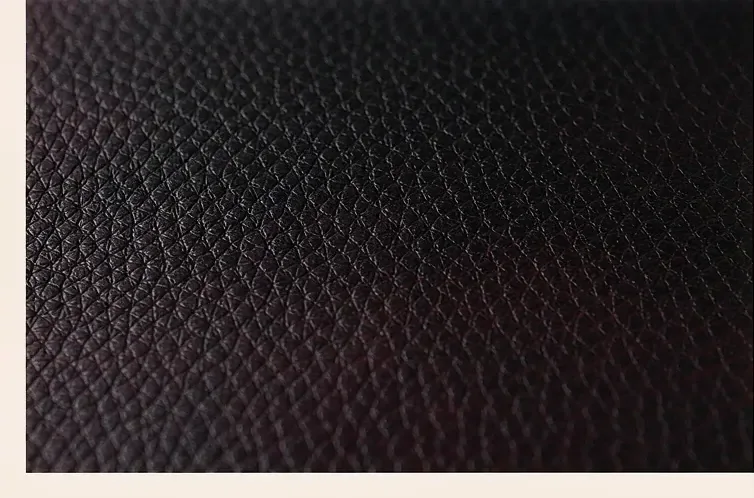
What Converts in Bag Storytelling, Stated Plainly
Storytelling converts when the narrative can be verified. A bag story that names the tannery, the substance of the hide, the stitch density and the closure alloy will out-sell one built on adjectives, because the client can test each claim against the object in their hands. The mechanism is not emotion alone; it is emotion licensed by evidence.
The practical consequence for a house is that the story is written before the bag is, not after. A narrative composed from a finished sample can only describe what happened. A narrative composed from a specification can promise something and then be measured against it, which is the only kind of promise a client at this price will believe. Storytelling is therefore a development discipline with a copy deck attached.
The Capsule That Sold Through Without a Logotype
A five-year-old leather-goods house arrived with a sketch, a name and no archive. The brief was a two-style capsule in two colourways, four production units at 500 pcs each, and the constraint was that the bags would carry no external logotype at all. With no mark to lean on, every recognition cue had to be built into the object: a custom-cast turn-lock, a plating bath held for the house, an edge finished in three coats, and a body that holds its shape empty.
The narrative had to be constructed from the bill of materials. The house published the tannery, the lot number, the stitch density at 8-9 SPI and the fact that the closure mould was cut for them and held against the brand. Each of those is a claim a client can inspect. The sale happened in the appointment when the client turned the bag over, read the alloy stamp and felt the three-coat edge: the story and the object agreed.
What the house did not do is equally instructive. There was no invented founder myth, no heritage borrowed from a country the leather was never tanned in, and no website claim the bag could not survive at the bench. The conversion came from congruence, and congruence is simple to maintain once a sealed reference exists, because every re-order matches the tolerance ledger on file.
The Five Story Assets Every Capsule Needs
Origin record
Tannery name, batch lot, finish and substance, with one approved alternative named before the first drop.
Construction record
Substance, stitch density, edge build, closure alloy and plating thickness written into the tech pack.
Time record
The calendar: 6-10 working days for a standard sample, 12-15 for frame or exotic work, 35-50 days for the bulk.
Recognition asset
A custom-cast closure with the mould held against the house, carrying the brand without a logotype.
Care covenant
A written refurbishment promise with a named contact and a response window, turning a first purchase into an archive.
Those five are not equal. The recognition asset does most of the commercial work, because it is the only element a competitor cannot buy at the same price. The origin record does most of the trust work, because it is the only one a third party can check. A capsule with only the second and fourth will sell; a capsule with only adjectives will photograph well and convert poorly.
Proof Instead of Adjectives: The Parameters to Publish
- Body substance
- 1.2-1.4 mm full-grain calfskin structured; 0.9-1.1 mm for a slouched shape
- Stitch density
- 8-9 SPI with bonded Tex 40 thread, one shade darker than the panel
- Edge finish
- Three coats to a recorded weight formula, sanded between, 0.8 mm total build
- Closure
- Custom-cast brass or zamak turn-lock, mould held against the house
- Plating
- 0.15-0.3 µm from a single recorded bath, sealed
- Handle test
- 15 kg held through 2,000 lift cycles
- Shade tolerance
- ΔE ≤ 1.0 under D65 against the sealed reference
- Trim set
- About USD 4.80 per piece for zip, feet and plated trim
Publishing the trim figure is the one that surprises founders. A trim set of a #5 metal zip, four base feet and plated hardware comes to about USD 4.80 per piece, and saying so tells the client that the value sits in the hide and the bench work rather than in parts. Vagueness about materials is what makes a price look padded; specificity makes the same price look considered.
Where the Story Lives: Tag, Card, Page and Appointment
| Surface | What it carries | What it must never say |
|---|---|---|
| Material card | Tannery, lot, finish, substance and the approved alternative | A grade or origin the hide cannot be traced to |
| Interior stamp | Blind deboss at 0.3-0.4 mm depth, alloy stamp, month mark | A heritage date the house cannot evidence |
| Product page | The five assets in 120-160 words with two photographs of the closure | An adjective no photograph supports |
| Appointment script | The three proofs a client can perform in hand | A claim about exclusivity with no number behind it |
| Care covenant | Refurbishment scope, named contact, response window | An open-ended promise with no process |
The table is short on purpose. A narrative spread across more than five surfaces becomes inconsistent, because nobody holds the master. One document, the tech pack with the tolerance ledger attached, is the source. When a boutique buyer asks a question the card cannot answer, the answer belongs in the extract rather than in an improvised reply.
Timing the Narrative to the Production Calendar
Story assets are produced at particular points in the calendar, and missing the point means missing the asset. The closure drawing has to exist before sampling starts or the sample will carry a stock fitting. The tannery lot has to be recorded during bulk rather than at the photo shoot. A house that sequences its narrative against the calendar gets its material for free; one that writes copy afterwards pays for a second shoot.
The inspection report belongs in the narrative too. It is the only document that describes the whole run rather than one unit, and a house that can say its final inspection is held at AQL 2.5 under ISO 2859-1 is making a claim with a published method behind it. That is a sentence an assistant can quote without hedging, because it names a standard rather than an opinion.
What a Story-Led Capsule Costs
The narrative itself costs almost nothing in cash and a great deal in discipline. Custom tooling for a closure is the only meaningful line item, and at 500 pcs per style and colourway the mould cost spreads across a genuine run. The material card, the stamp artwork and the care covenant are each a few hours of work. What a story-led capsule does require is the refusal to launch before the specification exists.
Naming the tannery lot and the plating thickness costs nothing and cannot be copied. It converts because it is checkable: the client turns the bag over and finds the stamp they were promised. Spend early money there rather than on a campaign the object cannot support.
Three Mistakes That Undo a Good Narrative
- Heritage that was never there: a founding date or a workshop story no document supports, which collapses on the first follow-up question.
- Adjectives without measurements: hand-finished with no stitch density, no edge build and no bench time behind it, words every competitor can also use.
- A narrative written from the sample instead of the specification, so the second drop cannot meet the promises the first one made.
Each of those is recoverable, but the recovery costs a season. A narrative rebuilt after launch means re-shooting, re-printing and re-training the appointment script while the first drop is still on the shelf. The houses that avoid them are not more creative; they simply wrote the specification before they wrote the copy.
Keeping the Story Intact Through a Re-order
A narrative that holds for one drop and drifts on the second is worse than no narrative, because it teaches the client the promises were decorative. The mechanism that prevents drift is the sealed reference: the unit both sides signed, held in two copies, with the tolerance ledger, the material certificates and the plating bath record attached. Re-ordering against it takes 28-35 days.
The discipline reduces to one rule: nothing changes without a new reference. If the tannery discontinues a finish, the approved alternative is activated, a fresh sample is made in 6-10 working days, and a new golden sample is sealed before the bulk. The card is reprinted with the new lot number. That is how a house builds an archive rather than a run of near-identical bags.
The Numbers a Story-Led Capsule Must Hit
- MOQ
- 500 pcs per style and colourway
- Sampling
- 6-10 working days, 12-15 for frame or exotic work
- Bulk
- 35-50 days from the approved sample
- Re-order
- 28-35 days against a sealed reference
- Trim set
- About USD 4.80 per piece
- Inspection
- AQL 2.5 under ISO 2859-1
- Incoterm
- FOB Xiamen
Two of those matter most to a storyteller. The 6-10 working days of sampling window is what lets a narrative be corrected before it is printed, and the 28-35 day re-order is what lets a colourway sell through and return inside one season without the story going stale. Both depend on the same thing: a specification written before the money is spent.
Build the narrative from the specification, not the other way round
If you are planning a capsule and want the story assets written alongside the tech pack, send your silhouette shortlist and target quantity per colourway. Our team will return a material card template and a sampling plan through our quotation desk.
How a story-led capsule is supported in practice
- Across 7 production lines running about 200,000 pcs per month, our validated partner factory Quanzhou Yingming Bags plans a capsule as a specification project: the closure drawing before the sample, the tannery lot recorded during bulk, and a final inspection at AQL 2.5 under ISO 2859-1. Export experience since 2014 and FOB Xiamen are what let a house publish its calendar without hedging.
Frequently Asked Questions
What makes luxury bag storytelling convert?
A narrative that can be checked against the object. Naming the tannery lot, the substance of the hide, the stitch density and the closure alloy converts where adjectives do not, because the client can test each claim in hand. Emotion opens the sale; evidence closes it and keeps the client from returning the bag.
How many story assets should a capsule carry?
Five: an origin record, a construction record, a time record, a recognition asset and a care covenant. The recognition asset does the commercial work and the origin record does the trust work. A capsule carrying only adjectives photographs well and converts poorly, because nothing in it can be verified by the person holding it.
Should a brand publish its material costs?
Yes, selectively. A trim set of a #5 metal zip, four base feet and plated hardware comes to about USD 4.80 per piece, and stating it tells the client the value sits in the hide and the bench work rather than in parts. Specificity makes a price look considered where vagueness makes it look padded.
When should the story be written in the calendar?
Before the bag exists. Position, silhouette, material and closure drawing are written in the first thirty days, and the narrative is extracted from that document. A story composed from a finished sample can only describe what already happened, and it cannot be used to hold a second drop to the same promises.
What is a recognition asset in a bag collection?
A custom-cast closure with the mould held against the house. It is the one element a competitor cannot buy at the same price, and it carries the brand without a logotype. A plating bath recorded at 0.15-0.3 µm keeps that element identical across drops, which is what recognition actually depends on.
How does a brand avoid heritage claims it cannot support?
By publishing only dates, tanneries and processes that have a document behind them. A founding date or a workshop story with no record collapses on the first follow-up question from a boutique buyer. The origin record, the construction record and the time record are all evidences a house genuinely holds.
What stitch density should a luxury bag specify?
8-9 stitches per inch with bonded Tex 40 thread in a tone one shade darker than the panel. The figure matters commercially because it is checkable: a client can count it along the gusset. Published alongside the edge build and the substance, it turns a vague claim about hand finishing into a measurement.
Why does a sealed reference matter to storytelling?
It is the unit both sides sign at the end of sampling, held in two copies with the tolerance ledger and material certificates attached. Re-ordering against it takes 28-35 days and keeps each drop identical. Without it, the second capsule drifts and the client learns the published narrative was decorative.
How long does sampling take for a story-led capsule?
6-10 working days for a standard construction and 12-15 for frame work or exotic skins, measured from a complete specification rather than from a sketch. That window is what allows a narrative to be corrected before it is printed, which is far less costly than re-shooting a collection after it has shipped.
What should a material card say?
The tannery name, the batch lot, the finish, the substance in millimetres and the approved alternative. It should never carry a grade or an origin the hide cannot be traced to. The card is the single extract a boutique appointment holder can hold in their hand while the narrative is spoken.
How is a narrative kept consistent across re-orders?
With one rule: nothing changes without a new reference. If a tannery discontinues a finish, the approved alternative is activated, a fresh sample is made in 6-10 working days and a new golden sample is sealed before the bulk. The material card is then reprinted with the new lot number.
What is the biggest storytelling mistake a new house makes?
Writing the copy from the sample instead of from the specification. The narrative then describes whatever happened to be made rather than what will be made again, so the second drop cannot meet the first promise. Rebuilding the narrative after launch costs a season in re-shooting, re-printing and re-training.
People Also Ask
Do luxury bag customers actually read the story?
They test it rather than read it. A client turns the bag over, counts the stitches along the gusset and feels the edge. A narrative that supplies checkable figures is used during that inspection; one built on adjectives is ignored.
What proof should a bag product page carry?
The tannery and lot, the substance in millimetres, the stitch density, the closure alloy and the plating thickness, in 120-160 words with two photographs of the closure. Every adjective on the page should have a photograph supporting it.
Can a bag sell without a visible logotype?
Yes, if a recognition asset replaces it. A custom-cast closure with the mould held against the house is recognisable across a room and cannot be bought by competitors. That is the arrangement quiet houses have used for decades.
How does a care covenant help conversion?
It converts hesitation into an archive relationship. A written refurbishment scope with a named contact and a response window tells the client the object will be serviceable in ten years, which reframes the ticket as a longer commitment.
Is an inspection report useful in marketing?
It is the strongest document a house holds, because it describes the whole run rather than one unit. Stating that final inspection is held at AQL 2.5 under ISO 2859-1 names a published method instead of an opinion.
Sources and further reading
Every figure on this page is either our own programme data or attributed below. Open the originals before you write them into a specification.
- ISO — International StandardsInternational Organization for Standardization Publisher of ISO 2859-1 sampling procedures and the ISO 105 colour fastness methods referenced in published construction records.
- Leather Working GroupLeather Working Group Tannery audit protocol behind the lot-level origin record a capsule publishes on its material card.
- Understanding REACHEuropean Chemicals Agency Annex XVII substance restrictions applying to finishes, edge coatings and plated hardware named in product copy.
- Proposition 65California OEHHA Substance and warning requirements for handbags and metal hardware placed on the California market.