Luxury Bag Brand Positioning Guide: Six Questions, Three Axes and the Object That Proves the Answer
A position is a twelve-word sentence, two named comparison houses, one silhouette family and three refusals, and it is proved by the object rather than by the sentence. The three axes a bag house is positioned on are the price band, the silhouette signature and the material signature, and each one can be read off a bag in a boutique without asking anyone. Sampling in 6-10 working days and a commitment of 500 pcs per style and colourway are what make a position real rather than aspirational. The six questions below, answered in order, produce a position a client can recognise in a room.
What a Position Actually Is
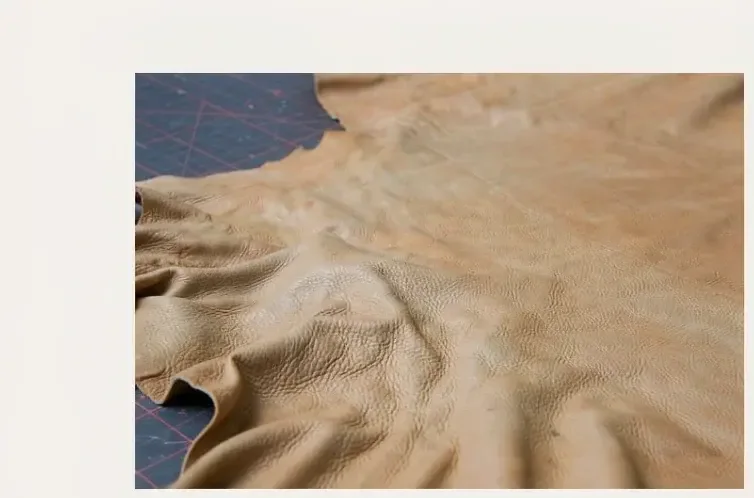
A position is the answer a client can read off the object without being told. It is not a mission statement and it is not a mood board. It is the intersection of where the house prices, what shape it is known by and what it makes things from, and those three are visible in a boutique at arm's length. Everything else, the photography, the typeface and the campaign language, is decoration hung on that intersection.
The consequence for a young house is that positioning is a production decision before it is a communication one. A house cannot claim a material signature it has not recorded by tannery lot, and it cannot claim a silhouette signature it has not cut a mould for. The six questions below are arranged so that each one forces a specification, and the specification is what makes the answer true.
Question One: Who Are You Beside?
Name the two houses you intend to be shelved beside, in writing, before you do anything else. Not the houses you admire and not the ones you intend to overtake; the two a buyer would actually place you between. That pair sets the ticket band, the material grade and the finish level more reliably than any research document, because it converts an ambition into a shelf.
The pair also tells you what to refuse. If the two houses both use a stock clasp and a two-coat edge, then a three-coat edge and a custom-cast turn-lock are your differentiation and worth paying for. If they both use a custom closure, the differentiation has to move somewhere else: the hide, the handle or the interior. Positioning without a named pair produces a bag that is better than nothing and worse than specific.
Question Two: What Is the Signature?
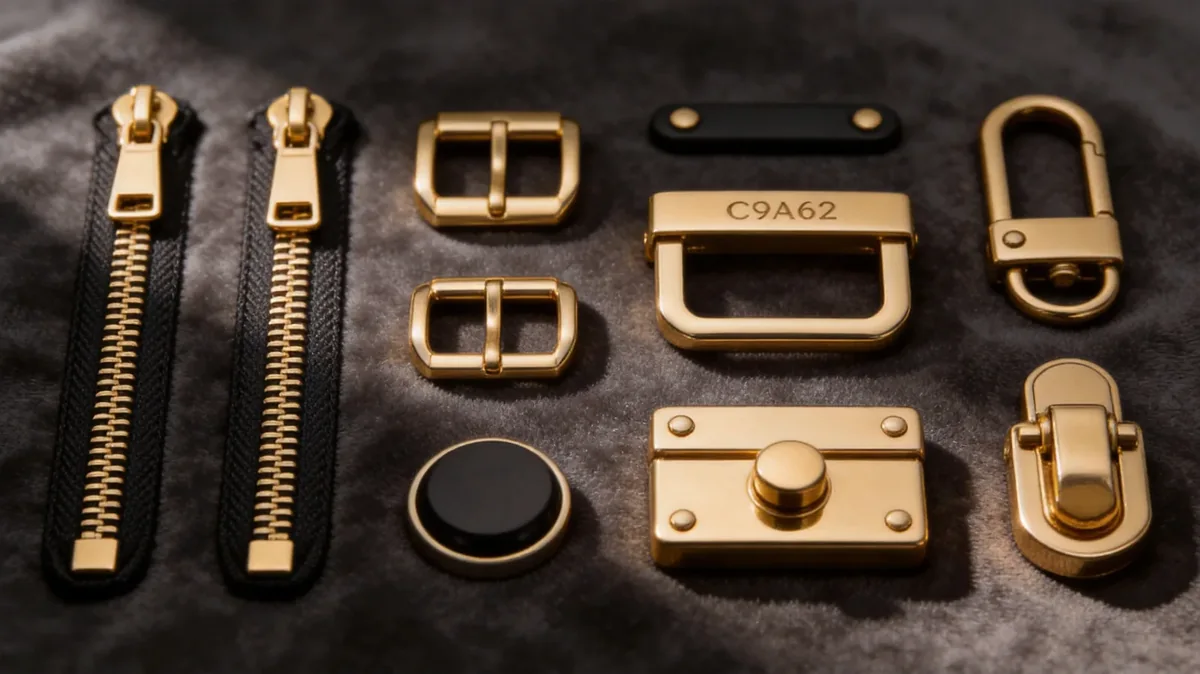
A signature is the element a client recognises across three drops before they know the name. In bags it is almost always the closure, because it is the one part cast in metal, held in a mould and visible in a photograph. A custom-cast turn-lock with the mould held against the house is the strongest signature available, and at 500 pcs per style and colourway the tooling spreads across a genuine run.
- Signature element
- Custom-cast turn-lock, brass or zamak, mould held against the house
- Plating
- 0.15-0.3 µm from a single recorded bath, sealed
- Closure alignment
- Within 0.5 mm of the flap axis on every unit
- Interior mark
- Blind deboss at 0.3-0.4 mm depth, month mark, alloy stamp
- Carry-through
- The same closure across 2-3 sizes and every colourway
- Handle attachment
- Riveted and saddle-stitched, tested at 15 kg through 2,000 lift cycles
The sixth line is the one most often missed. A signature that appears on one size is a detail; the same closure appearing on three sizes and every colourway is a house. It is why the mould, not the sketch, is the asset worth paying for early, and why a position stated in words alone cannot survive a second season.
Question Three: What Is the Price Band?
The price band is the entry ticket and the top rung, and the distance between them should be visible on the shelf. A house positioned at the entry of a tier puts 60-65% of its units there; a house positioned at the top of a tier puts its volume in the upper rungs and uses the entry piece as an introduction. Either is coherent; sitting across the whole band is not, because it tells the client the house does not know.
Question Four: What Does the Object Prove It?
Every position claim needs an element of the bag that proves it, in the hand, without a salesperson. A material signature is proved by a body at 1.2-1.4 mm in full-grain calfskin with the tannery named on a lot card. A construction signature is proved by 8-9 stitches per inch and an edge in three coats. A recognition signature is proved by an alloy stamp a client can read with the bag turned over.
| Claim | The element that proves it | The figure a client can check |
|---|---|---|
| Material | Full-grain body with a tannery lot card | 1.2-1.4 mm structured, 0.9-1.1 mm slouched |
| Construction | Stitch density and edge build | 8-9 SPI; three coats to 0.8 mm build |
| Recognition | Custom-cast closure with an alloy stamp | Aligned within 0.5 mm of the flap axis |
| Consistency | A sealed reference held by both sides | ΔE ≤ 1.0 under D65 across drops |
| Durability | Handle attachment and load test | 15 kg through 2,000 lift cycles |
| Presentation | Material card and interior mark | Blind deboss at 0.3-0.4 mm depth |
The table is the practical form of a positioning document. A house that can fill all six rows has a position; a house that can fill the first three has a story. The rows that separate the two are the ones requiring a sealed reference and a load test, and they are also the ones a boutique buyer asks about when the order is large.
Question Five: What Will You Refuse?
A position is defined as much by refusals as by claims, and three refusals is the workable number. Refuse a silhouette outside your family, refuse a material that contradicts your signature and refuse a price rung that makes your entry ticket look accidental. Written down, those three save a season every year, because they answer the requests a house is least equipped to think about clearly.
- Refuse the silhouette that sells but does not belong: it becomes the thing the house is known for.
- Refuse the material that contradicts the signature: a slouched body in a structured house reads as inconsistency.
- Refuse the rung that breaks the ladder: a piece below the entry ticket makes the entry look inflated.
- Refuse the colourway with no hide lot behind it: an untraceable colour cannot be re-ordered.
- Refuse the request to rush the sample: a specification approved in a hurry is a position approved by accident.
The first refusal is the hardest to hold and the most valuable. Every house receives requests for the shape a competitor sells, and saying yes to one of them transfers the position to whoever asked. A house that holds its silhouette family for three seasons ends up owning a shape, which is the only durable asset in this category.
Question Six: What Changes in Season Four?
A position that never changes becomes a museum, and one that changes every season becomes a mood. The workable rhythm is to hold the three axes for three seasons and then move exactly one of them: a new material signature, a second silhouette in the family, or a rung added at the top. Moving one axis at a time lets the archive stay legible while the house stays alive.
The production consequence of that rhythm is a re-order calendar. With a sealed reference on file, a second drop lands in 28-35 days, which is short enough to add a colourway inside a season. Without one, every change costs the full 35-50 day bulk window, and the house ends up making its positioning decisions a year ahead of the shelf.
The Three Axes, Compared
Price band
Entry ticket and top rung, with 60-65% of units at the entry. Visible on a shelf before anyone speaks.
Silhouette signature
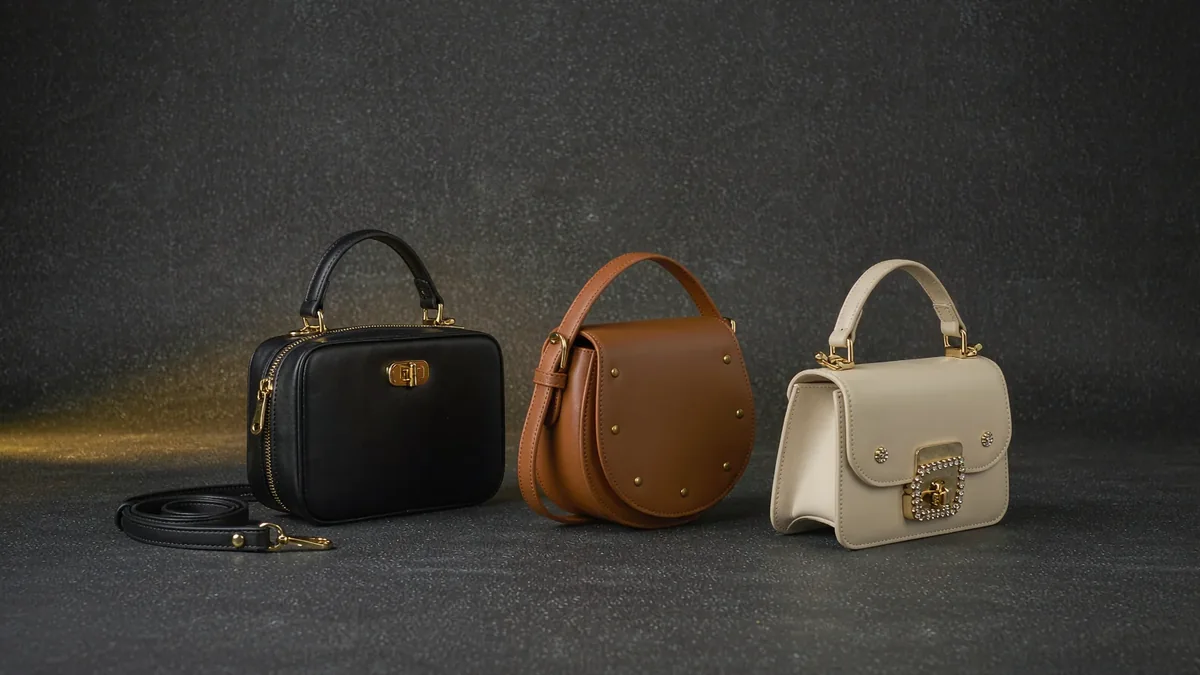
A family of two to three shapes sharing one closure, held for three seasons without exception.
Material signature
One hide, one substance and one finish, recorded by tannery lot with an approved alternative named.
The three axes move at different speeds, and that is useful. The material signature should be the slowest, because a hide lot that changes every season destroys the archive. The price band should be the next slowest, moving in steps of 5-8% every 12-18 months. The silhouette signature moves fastest, in the sense that the family grows rather than changes.
Positioning Mistakes That Cost a Season
- Naming no comparison houses, so every later decision argues with itself.
- Choosing a signature nobody can see, such as an internal detail that never appears in a photograph.
- Spreading across the whole price band, which reads as a house that does not know where it sits.
- Changing the hide lot every season, so the archive cannot be matched across drops.
- Accepting the silhouette a competitor is known for, which transfers the position to whoever asked.
- Moving two axes at once, so the third season has nothing recognisable in it.
The fourth mistake is the one that does its damage quietly. A hide lot that changes each season means the tan of the third drop does not match the first, and a client who bought in year one cannot add a piece in year three. Recording the lot and naming an approved alternative is the whole of archive discipline.
The Figures That Hold a Position
- MOQ
- 500 pcs per style and colourway
- Sampling
- 6-10 working days, 12-15 for frame or exotic work
- Bulk
- 35-50 days from the approved sample
- Re-order
- 28-35 days against a sealed reference
- Trim set
- About USD 4.80 per piece
- Position statement
- Twelve words or fewer, repeatable by a client
- Signature carry-through
- One closure across 2-3 sizes and every colourway
- Inspection
- AQL 2.5 under ISO 2859-1
- Incoterm
- FOB Xiamen
The sixth line looks like the softest on the sheet and is the one that decides the others. A twelve-word statement forces a house to choose between the axes, because twelve words cannot hold three ambitions. The houses that write one and then hold it for three seasons are the ones a buyer can place on a shelf without a meeting.
Put the position into the specification
If you are fixing a position and want it proved by the object, send your silhouette family, target materials and quantity per colourway. Our team will return a material and closure specification through our quotation desk.
How a position is held in practice
- Across 7 production lines running about 200,000 pcs per month, our validated partner factory Quanzhou Yingming Bags holds the three axes against one sealed reference: the same closure across sizes, the same hide lot across drops, and the same tolerance ledger every season. Export experience since 2014, FOB Xiamen and an inspection at AQL 2.5 under ISO 2859-1 are what let a house move one axis at a time.
Frequently Asked Questions
What is brand positioning for a luxury handbag house?
The intersection of three axes the client can read off the object: the price band, the silhouette signature and the material signature. Twelve words, two named comparison houses and three refusals, all proved by the bag rather than by the sentence. A position that cannot be seen in a boutique at arm's length is decoration.
How do you choose a positioning statement?
Write it in twelve words or fewer and test whether a client could repeat it after one appointment. The length forces a choice between the axes, since twelve words cannot hold three ambitions. Then attach one element of the bag that proves each word, or the statement remains aspiration.
Why name two comparison houses?
Because it converts an ambition into a shelf. The pair sets the ticket band, the material grade and the finish level more reliably than any research, and it also tells you what to differentiate against. Without a named pair, a house builds a bag that is better than nothing and worse than specific.
What makes a good signature for a bag brand?
A custom-cast closure with the mould held against the house, carried across two or three sizes and every colourway. It is the one element cast in metal, visible in a photograph and unavailable to a competitor at the same price. A signature that appears on a single size is a detail.
How many silhouettes should a house be known by?
Two or three, sharing one closure. That is enough to look like a house and few enough that every piece can be fully specified. A family that grows by one shape in the fourth season is stronger than one that opens with six and spends three years managing exceptions.
Should a luxury brand change its position over time?
Yes, but one axis at a time and not before the fourth season. Hold the three axes for three seasons, then move exactly one: a new material signature, a second silhouette or a rung added at the top. Moving two at once leaves the season with nothing recognisable in it.
What is the most common positioning mistake?
Spreading across the whole price band. It reads as a house that does not know where it sits, and it makes the entry ticket look inflated beside the rung below it. Choosing a band and holding it for three seasons is what allows a buyer to place the house without a meeting.
How does a hide lot affect positioning?
It is the slowest axis and the most damaging to change. A lot that changes every season means the tan of the third drop does not match the first, and a client who bought in year one cannot add a piece later. Recording the lot and naming an approved alternative is the whole of archive discipline.
What refusals should a brand write down?
Three: the silhouette that sells but does not belong, the material that contradicts the signature and the rung that breaks the ladder. Written down, they answer the requests a house is least able to think about clearly, and they save a season every year. Held for three seasons, they are also the reason a buyer can describe the house without a meeting.
How does positioning change the production calendar?
It shortens it. With a sealed reference on file, a second drop lands in 28-35 days, short enough to add a colourway inside a season. Without one, every change costs the full 35-50 day bulk window and positioning decisions have to be made a year ahead of the shelf.
How is a material signature proved to a client?
With a body at 1.2-1.4 mm in full-grain calfskin and a tannery lot card naming the finish and the approved alternative. The client can feel the substance and read the lot, which turns a claim about materials into something checkable in the room.
How much does a signature closure cost?
Less than founders expect, because the mould is cut once and held against the house. A trim set of zip, feet and plated hardware sits at about USD 4.80 per piece, and the mould cost spreads across a genuine run at 500 pcs per style and colourway.
People Also Ask
What is a brand position in one sentence?
The intersection of price band, silhouette signature and material signature that a client can read off the bag without being told. If it cannot be seen at arm's length in a boutique, it is a mood board rather than a position.
How long should a positioning statement be?
Twelve words or fewer. The length is the discipline: it forces a choice between the axes and it is short enough that a client could repeat it after one appointment without help.
Should a new bag house copy a successful silhouette?
No. Accepting the shape a competitor is known for transfers the position to whoever asked. Holding a silhouette family for three seasons is how a house ends up owning a shape, which is the only durable asset in this category.
When should a brand add a new material?
In the fourth season, as the single axis that moves. A material signature that changes every season destroys the archive, because the third drop no longer matches the first and a client cannot add to a collection they began.
How many price rungs should a capsule have?
Three, with 60-65% of units at the entry. The top rung is not there to sell in volume; it makes the entry ticket look reasonable beside it, and it gives the house somewhere to move when a hide lot rises.
Sources and further reading
Every figure on this page is either our own programme data or attributed below. Open the originals before you write them into a specification.
- Business of FashionBusiness of Fashion Trade analysis of brand positioning and of the price tiers personal leather goods houses occupy.
- Leather Working GroupLeather Working Group Tannery audit protocol behind the lot-level material signature a house records for its archive.
- ISO — International StandardsInternational Organization for Standardization Publisher of ISO 2859-1 sampling procedures and ISO 3376 tensile methods used to hold a specification across drops.
- Proposition 65California OEHHA Substance and warning requirements for leather goods and plated hardware placed on the California market.