How to Storytell a Luxury Bag Collection: Three Structures Compared, Three Acts and the Words Behind Twelve Pieces
A collection of eight to twelve pieces is carried by three structures: heritage-led, material-led and bench-led. Heritage suits a house with an archive; material suits a house with a rare or unusual hide; bench suits a house whose value is in construction rather than in origin. All three are told in the same three acts, opening on origin, moving through material and closing at the bench, with a collection statement of 60-80 words and 120-160 words per piece. The structure is chosen once and then held, because a collection told three ways is not a collection.
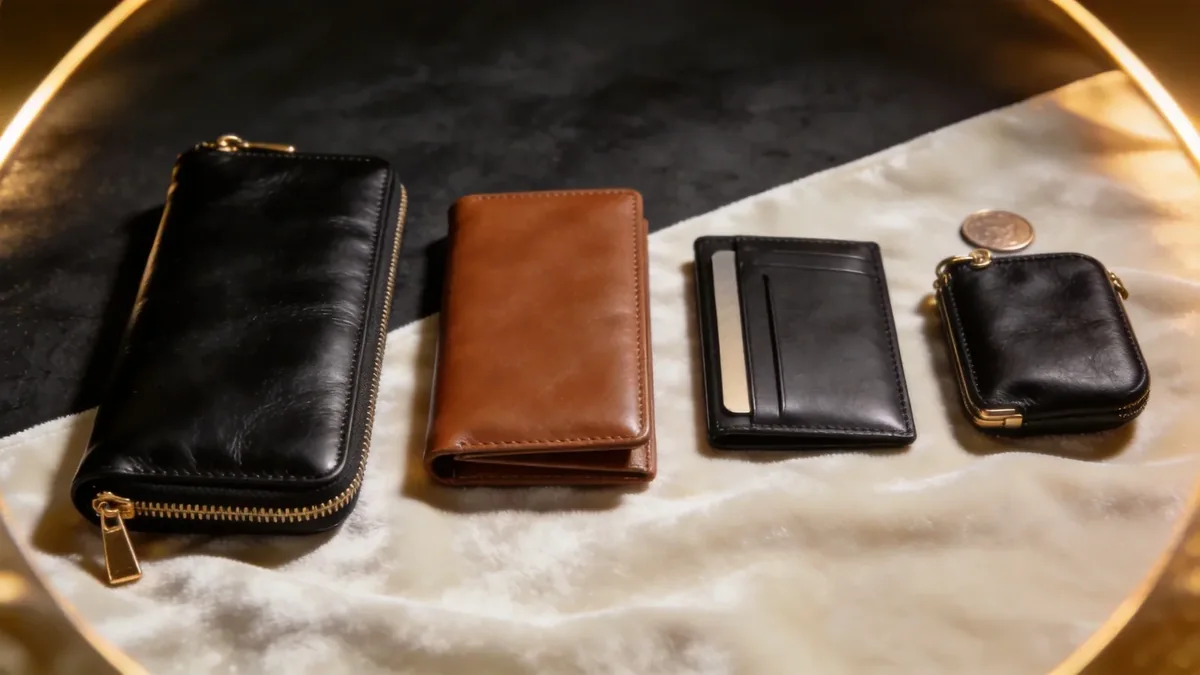
The Three Structures, Stated
A luxury bag collection can be told from the house, from the hide or from the hand. Heritage-led narrative runs from the archive outward and suits a house with three seasons behind it. Material-led narrative runs from the tannery outward and suits a house with a hide nobody else is buying. Bench-led narrative runs from the making outward and suits a house whose value is in construction rather than in provenance.
What the three share is the shape. Each opens on origin, moves through material and closes at the bench, because that is the order in which a client actually examines a bag: where it came from, what it is made of, how it was put together. The structure only decides which of the three acts carries the emphasis, and therefore which act gets the most words.
Structure One: Heritage-Led
Heritage-led narrative begins with the house: the silhouettes it has kept, the seasons it has held a shape through and the clients who have added to it. It is the strongest structure at a trunk show, because it gives a client a reason to become part of something rather than to acquire an object. It is the weakest structure for a first collection, because there is no archive to draw on and the temptation to invent one is fatal.
The rule for a young house using this structure is strict: only what can be evidenced. The two silhouettes kept across three seasons, the mould held against the house, the lot numbers recorded for each drop. Those are real archive facts, and eight of them told in order are more persuasive than a founding myth with nothing behind it.
Structure Two: Material-Led
Material-led narrative begins with the hide. The tannery, the lot, the finish, the substance in millimetres and the approved alternative if the lot is discontinued. It is the strongest structure for a house with an unusual or traceable skin, and the most checkable of the three, because every claim in it can be verified against a card and against the object itself.
- Tannery
- Named, with the batch lot and the finish
- Substance
- 1.2-1.4 mm full grain structured; 0.9-1.1 mm slouched
- Shade tolerance
- ΔE ≤ 1.0 under D65 against the sealed reference
- Alternative
- One approved alternative finish named before the first drop
- Certificate
- Held with the sealed reference, quoted on request
- Coverage
- 8-12 pieces, with two hero silhouettes
The fourth line is what makes the structure survive. A material-led collection told against a lot that is later discontinued has two options: name the alternative and reprint the card, or lose the narrative entirely. Houses that name the alternative in the first season treat the discontinuation as a footnote; houses that do not treat it as a crisis.
Structure Three: Bench-Led
Bench-led narrative begins with the making: the substance, the stitch density, the edge build, the closure alloy and the number of hands a piece passes through. It is the strongest structure for a house whose value sits in construction, and the most durable, because it is the only one that cannot be invalidated by a tannery decision or by a competitor buying the same hide.
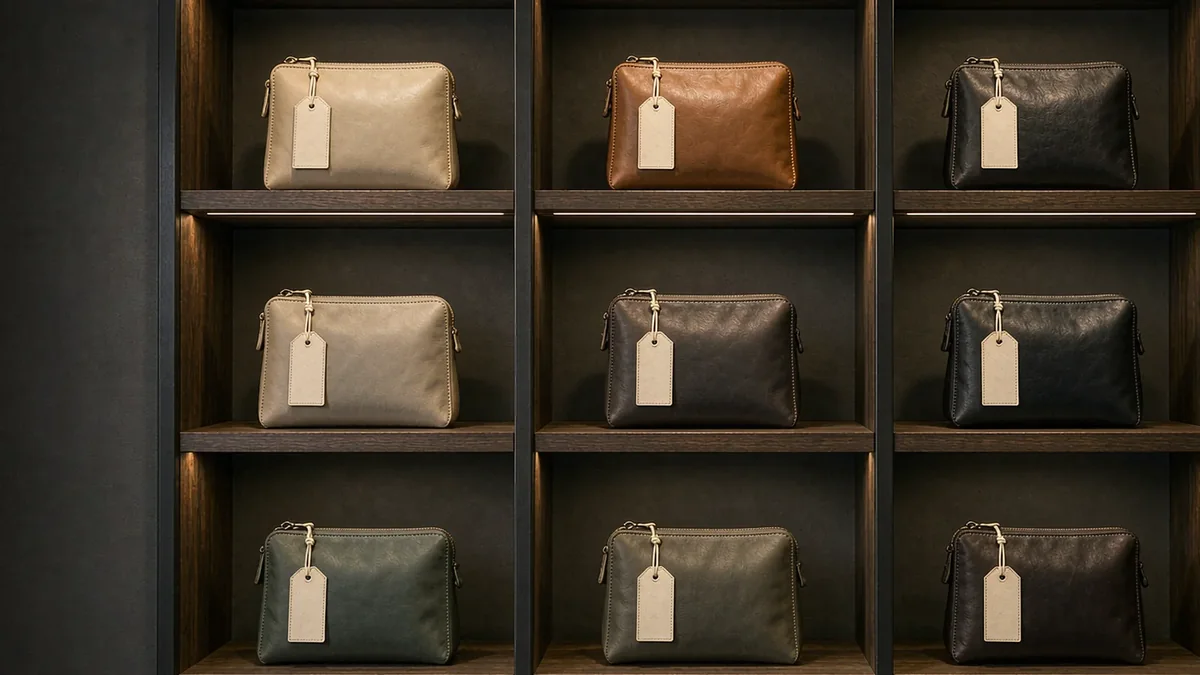
The Three Structures, Item by Item
| Line item | Heritage-led | Material-led | Bench-led |
|---|---|---|---|
| Opens on | The archive and the silhouettes kept | The tannery and the lot | The substance and the stitch line |
| Best for | A house with three seasons behind it | A house with a rare or traceable hide | A house whose value is construction |
| Words per piece | 120-160, weighted to the silhouette | 120-160, weighted to the hide | 120-160, weighted to the making |
| What can invalidate it | A competitor with a longer archive | A tannery discontinuing the lot | Almost nothing |
| Works at a first collection | No; there is no archive yet | Yes, if the hide is genuinely traceable | Yes, and it is the safest first choice |
| Recommended scenario | Trunk shows from the fourth season | Capsules built around one named hide | Launch capsules and permanent lines |
The recommendation that follows from the matrix is to open with bench-led narrative and add heritage to it in the fourth season. Bench-led claims cannot be invalidated from outside, they are true on the first day, and they are the only three of the structures a client can verify with the bag in their hands. Heritage is then added on top once there is genuinely something to remember.
The Collection as Three Acts
Act one, origin
Where the house, the hide or the idea came from, in 20-30 words, with one thing named.
Act two, material
The tannery, the lot, the substance and the finish, with the approved alternative stated.
Act three, bench
The stitch density, the edge build, the closure and the closure alignment, in figures.
The three acts are also the order of a 45-minute appointment. A client is told where it came from in the first ten minutes, shown the hide and the card in the second, and handed the bag in the last. Collections told out of that order feel like a list of features, because the client is being given the third act while still deciding whether they believe the first.
The word allowance is small and worth stating: a collection statement of 60-80 words read at the top of a lookbook or a trunk show, then 120-160 words per piece, and no more, because a client who is still reading is a client who has not yet picked the bag up. Beyond that a client stops reading and starts looking, and the object takes over, which is the point. A narrative that has to be read twice has already failed, because in a room the bag is three feet away and competing for the same thirty seconds. The narrative exists to get the bag into their hands; it cannot do the job of the bag.
How the Three Acts Are Written
Act one is written last and placed first. Twenty to thirty words, one thing named, no adjective a competitor could also use. A house that writes it first usually produces a paragraph about itself, which is the least interesting thing on the table; a house that writes it last has already decided what is genuinely distinctive about the collection and can name that instead. The test is whether an appointment holder can say it from memory on the third day of a trunk show.
Act three is where houses over-write, because the making is the easiest thing to be precise about. Four figures are enough: a stitch density of 8-9 SPI, an edge in three coats to 0.8 mm of build, a closure aligned within 0.5 mm of the flap axis and a handle tested at 15 kg through 2,000 lift cycles. Beyond four, the client is being handed a specification sheet rather than a story, and the specification sheet belongs in the tech pack rather than in the room.
Naming, Numbering and the Archive
Eight to twelve pieces is the workable size, with two hero silhouettes and the rest supporting them. Each piece needs a name that survives being said aloud in a boutique, a number that survives a reprint and a lot record that survives a re-order. Names drawn from the house rather than from the season are the ones that last, because a name tied to a year is a name that dates, and a numbered piece needs the number to point at the same object in five years rather than at the year it was first shown.
The first line has a production reason behind it as well as a narrative one. At 500 pcs per style and colourway, a collection of twelve pieces in one colourway is twelve commitments, while a collection of eight in two colourways is sixteen. Planning the number of pieces and the number of colourways together is what keeps a first collection inside the working capital it was costed for.
Mistakes That Break a Collection Narrative
- Telling one collection three ways, so no act lands and the pieces read as separate objects.
- Using heritage-led narrative on a first collection, which means inventing an archive.
- Telling a material-led story without naming an approved alternative lot.
- Naming pieces after their season, so the collection cannot be re-issued later.
- Writing more than 160 words per piece, at which point the client stops reading.
- Giving the third act first, because the making is the easiest thing to write about.
Bench-led narrative. It cannot be invalidated from outside, it is true on day one and it is the only one of the three a client can verify with the bag in their hands. Add heritage in the fourth season, when there is genuinely an archive to speak of.
The Figures Behind a Collection Narrative
- MOQ
- 500 pcs per style and colourway
- Collection size
- 8-12 pieces, two hero silhouettes
- Statement
- 60-80 words; 120-160 words per piece
- Sampling
- 6-10 working days, 12-15 for frame or exotic work
- Bulk
- 35-50 days from the approved sample
- Re-order
- 28-35 days against a sealed reference
- Trim set
- About USD 4.80 per piece
- Inspection
- AQL 2.5 under ISO 2859-1
- Incoterm
- FOB Xiamen
Two of those decide whether a collection can be re-told. The 6-10 working days of sampling window is what lets a narrative be corrected before the lookbook is printed, and the 28-35 day re-order is what lets a second drop be described in the same words as the first. Both depend on the same sealed reference.
Choose the structure before you write the words
If you are planning a collection and want the narrative fixed to the specification, send your silhouette shortlist, target materials and quantity per colourway. Our team will return a material and construction record through our quotation desk.
How a collection narrative is supported in practice
- Across 7 production lines running about 200,000 pcs per month, our validated partner factory Quanzhou Yingming Bags holds the lot record, the plating bath and the tolerance ledger against one sealed reference, so a collection can be re-told in the same words across drops. Export experience since 2014, FOB Xiamen and an inspection at AQL 2.5 under ISO 2859-1 sit underneath it.
Frequently Asked Questions
How do you storytell a luxury bag collection?
In three acts and one structure. The acts are origin, material and bench, in that order, because that is the order a client examines a bag. The structure, heritage-led, material-led or bench-led, decides which act carries the emphasis. A collection statement of 60-80 words sits at the front, with 120-160 words per piece.
What are the three collection storytelling structures?
Heritage-led, which runs from the archive outward; material-led, which runs from the tannery outward; and bench-led, which runs from the making outward. Heritage suits a house with three seasons behind it, material suits a traceable hide, and bench suits a house whose value is construction.
Which structure should a first collection use?
Bench-led. It is true on day one, it cannot be invalidated by a tannery decision or a competitor buying the same hide, and it is the only structure a client can verify with the bag in their hands. Heritage should wait until the fourth season, when there is genuinely an archive.
How many pieces should a luxury bag collection have?
Eight to twelve, with two hero silhouettes and the remainder supporting them. Plan the piece count and the colourway count together, because at 500 pcs per style and colourway eight pieces in two colourways is sixteen commitments, which is a working capital decision as much as a design one.
How long should a collection statement be?
60-80 words at the front of a lookbook or a trunk show, then 120-160 words per piece. Beyond that a client stops reading and starts looking, and the object takes over. The narrative exists to get the bag into their hands, not to replace it.
What is the three-act structure for a collection?
Origin, material and bench. Origin is told in 20-30 words with one thing named; material carries the tannery, the lot, the substance and the approved alternative; bench carries the stitch density, the edge build, the closure and the alignment in figures. The order matters because it is the order a client examines the object, and in a 45-minute appointment the three acts take roughly ten, fifteen and twenty minutes.
Why is order important in a collection narrative?
Because it is the order a client examines the object. A collection told bench-first is a list of features, because the client is being given the third act while still deciding whether to believe the first. In a 45-minute appointment the three acts take roughly ten, fifteen and twenty minutes.
How should pieces in a collection be named?
Names drawn from the house rather than from the season, with a number that survives a reprint and a lot record that survives a re-order. A piece named for its year cannot be re-issued later without looking dated, which removes the possibility of an archive.
What invalidates a material-led collection?
A tannery discontinuing the lot. The house then has two options: activate the approved alternative, re-sample in 6-10 working days and reprint the card, or lose the narrative entirely. Naming the alternative in the first season turns a crisis into a footnote. Houses that skip this step spend the following season apologising for a shade that no longer exists, which is the most visible failure a collection can have.
Can a collection use more than one structure?
No. A collection told three ways is not a collection, because no act lands and the pieces read as separate objects. Choose one structure for the emphasis and let the other two acts support it. The structure can change from the fourth season, one axis at a time.
How does the production calendar affect the narrative?
Sampling at 6-10 working days is what lets a narrative be corrected before a lookbook is printed, and a re-order at 28-35 days is what lets a second drop be described in the same words. Both depend on a sealed reference held against the tolerance ledger.
What is the biggest mistake in collection storytelling?
Using heritage-led narrative on a first collection, which means inventing an archive. Eight real facts, two silhouettes kept, a mould held, the lot numbers recorded, are more persuasive than a founding myth, and they survive the first follow-up question from a buyer. Bench-led narrative is the safer opening: it is true on day one and it is the only structure a client can verify with the bag in their hands.
People Also Ask
How many bags make a collection?
Eight to twelve, with two hero silhouettes. Fewer reads as a capsule rather than a collection, and more usually means a specification that was never finished for the last four pieces.
Should a collection statement mention the tannery?
Yes, if the hide is traceable. A named tannery with a lot number is the most checkable claim a house can make, and it is the one a boutique buyer can verify without a meeting.
What is the difference between a capsule and a collection?
A capsule is two or three styles in two colourways, built as one statement. A collection is eight to twelve pieces with hero silhouettes and supporting ones, told in three acts across a season.
How long should a trunk show presentation run?
About 45 minutes: ten on origin, fifteen on material and twenty with the bag in hand. The three acts are the same three as the written narrative, told in the order a client examines the object.
Can a collection narrative be reused next season?
Only if the structure stays and the lot holds. Bench-led narrative survives unchanged because it describes the making; material-led narrative needs the new lot number printed on the card, and heritage-led narrative can add a season to the archive it describes.
Sources and further reading
Every figure on this page is either our own programme data or attributed below. Open the originals before you write them into a specification.
- Leather Working GroupLeather Working Group Tannery audit protocol behind the lot record that carries act two of a collection narrative.
- ISO — International StandardsInternational Organization for Standardization Publisher of ISO 2859-1 sampling procedures and ISO 3376 tensile methods used on the bench claims in act three.
- Business of FashionBusiness of Fashion Trade coverage of how houses present collections and of the language used across a season.
- WWDWomen's Wear Daily Trade reporting on collection presentation, lookbook structure and trunk show practice in leather goods.