Suede Luxury Handbags: Care and Construction Explained
What does suede construction involve, and how is a suede luxury handbag cared for? Suede is the flesh side of a hide, finished to a nap, and it behaves nothing like grain leather: it absorbs rather than resists, it marks under pressure, and it refuses edge paint. Construction therefore turns on nap direction, backing and seam choice, at a substance of 1.0-1.2 mm for calf suede. Care turns on brushing, dry handling and a protector applied before first use.
Suede Defined: Which Side of the Hide You Are Looking At
Suede is made from the flesh side of a hide, abraded to raise a nap. It is not a species, a grade or a colour, which is the first thing to settle in a specification. A calf suede, a lamb suede and a split suede share only the process; their strength, nap length and behaviour under a needle differ substantially, and a body designed for one will usually disappoint in another.
The nap is the point. It is a field of fibre ends standing away from the surface, and everything that follows in this article is a consequence of that field: it lifts under pressure, it holds dust, it changes apparent colour with direction, and it cannot be sealed without being destroyed. A bag in suede is a bag designed around a surface that moves.
Four Suede Constructions Compared
There are four practical ways to build a suede body, and the choice is usually made by price point and by how much structure the silhouette needs. Each has a different hand, a different weight and a different set of failure modes, and none of them is universally correct. The matrix below puts them side by side.
| Construction | What it is | Where it belongs | What fails first |
|---|---|---|---|
| Single-layer suede | One layer, unlined or lightly lined, nap exposed inside and out | Soft slouched bodies and lightweight shapes | Stretch at the handle and at any load point |
| Suede bonded to woven backing | Nap side out, bonded to a woven substrate for stability | Shapes needing a little more discipline | Delamination if the bond is pressed poorly |
| Suede laminated to grain leather | Nap out, grain leather inside for strength and a clean interior | Structured bodies and higher price points | Weight, and cost of the second layer |
| Split suede with a protective finish | Lower-cut split with a surface treatment applied | Entry price points and linings | Nap flattening, since the finish sits on the fibre |
Nap Direction: The Rule That Governs the Cutting Plan
Suede has a direction, and two panels cut in opposite directions read as two different colours under the same light. The rule is therefore absolute: every panel on a body, and ideally every body in a delivery, is cut with the nap running the same way. That single rule costs cutting yield, because panels cannot be nested freely, and it is the reason suede bodies cost more in material than their size suggests.
Direction should run consistently relative to the body rather than to the hide: down the front panel, down the gusset, down the strap, so that brushing the finished bag in one motion lifts the whole nap together. A body whose nap runs upward on one panel and downward on another cannot be brushed clean, and the client will read it as two shades of the same colour.
Seams, Edges and Why Suede Refuses Edge Paint
Suede cannot be finished with a standard edge build. Edge paint sits on the fibre ends, absorbs unevenly and cracks at the arris, so a suede body uses one of three alternatives: a turned and stitched edge, a raw edge left clean and lightly sealed, or a binding cut from grain leather. Each is a design decision rather than a workaround.
Turned and stitched
The suede is folded back on itself and stitched, hiding the cut edge entirely. Cleanest result, costs substance, and needs a slightly lower stitch density to avoid puckering.
Raw, lightly sealed
The cut edge is left exposed and treated. Keeps the body light and soft, and suits a relaxed silhouette where a visible edge reads as honesty.
Grain leather binding
A narrow binding of matching grain leather covers the edge. Adds structure and colour contrast, and is the usual choice on a structured suede body.
Lapped seam
Two suede layers overlapped rather than butted, which avoids a bulky arris and spreads the load. Common on gussets and strap joins.
Backing, Bonding and Interlining
Left to itself, suede stretches. A backing gives it discipline, and the choice of backing sets the hand of the finished body. A woven substrate adds stability with little weight; a grain leather laminate adds strength and a clean interior; a non-woven interlining is used sparingly because it flattens the nap against it. Whatever is chosen, the bond has to be pressed evenly, because a poorly pressed bond shows as a ripple that no amount of brushing removes.
- Substance, calf suede
- 1.0-1.2 mm, permitted variation +/-0.1 mm
- Substance, lamb suede
- 0.7-0.9 mm, used on soft or gathered panels
- Stitch density
- 7-8 stitches per inch, lower than on grain leather to avoid puckering
- Thread
- 0.45 mm braided polyester, colour matched to the nap
- Nap direction
- One direction across every panel and every body in the delivery
- Rub fastness
- Tested to ISO 11640; suede scores lower than grain leather and is specified accordingly
- Protector
- Applied before first use, reapplied seasonally, fluorocarbon-free where required
- Packing
- Stuffed, dust-bagged, nap brushed in one direction before dispatch
The interior deserves its own line, because a suede lining behaves differently from a suede shell. Nap inside a body catches on a case edge, holds dust from whatever is carried and cannot be wiped clean. Unless the design specifically wants the interior to read as suede, line the body in a smooth article and keep the nap on the outside, where brushing can reach it and where the material is being paid for.
Care: What Works and What Does Not
Suede care is mostly dry work. Brush in one direction with a crepe or soft brass brush to lift the nap and remove dust. Lift a mark by gentle abrasion rather than by wetting it, because water drives a mark into the fibre and leaves a ring that outlasts the stain. Apply a protector before first use and reapply it seasonally, and store the body stuffed, in its dust bag, away from direct light.
- Brush dry and in one direction; brushing in circles flattens the nap unevenly.
- Treat a mark by lifting it dry with a suede block before considering anything wet.
- If the body does get wet, let it dry naturally away from heat, then brush the nap back up.
- Apply protector before first use, not after the first mark appears.
- Avoid dark denim on a pale suede body; nap holds transferred dye stubbornly.
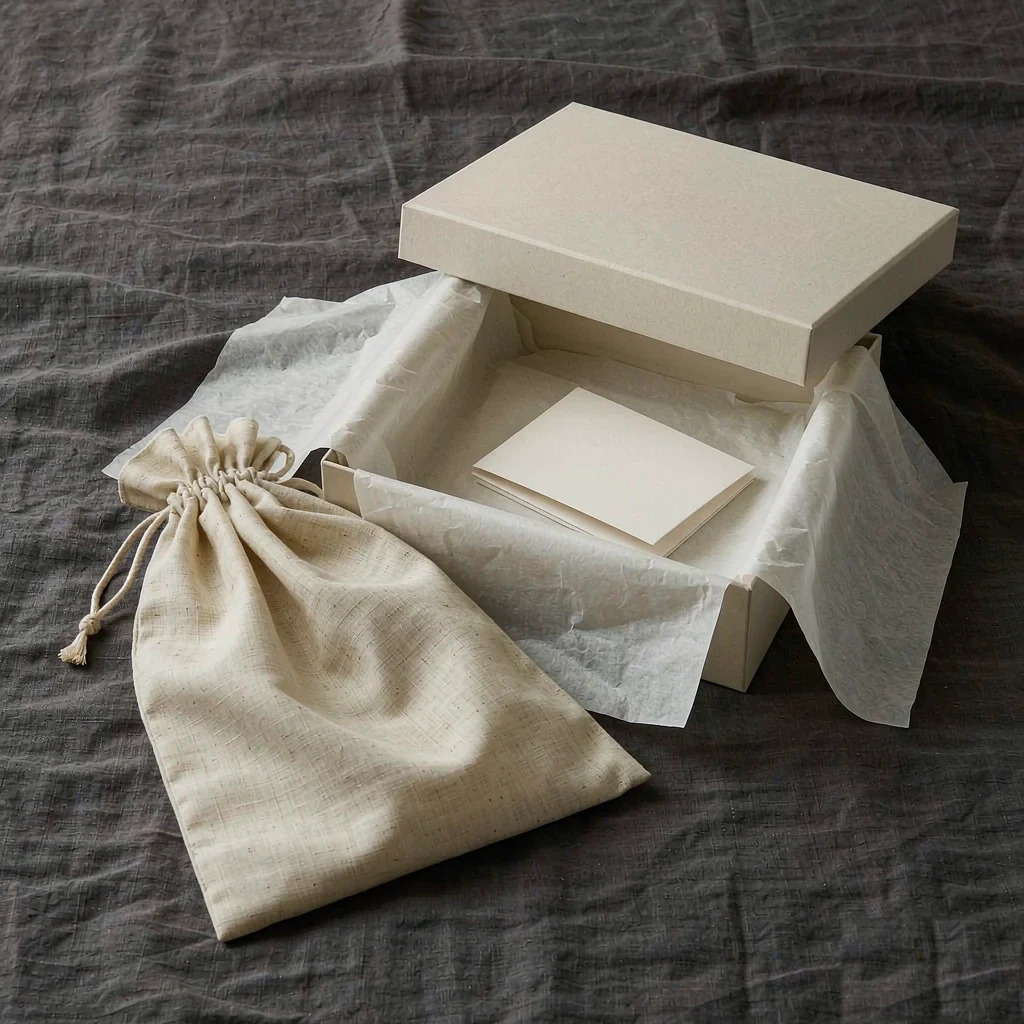
- Store stuffed so panels do not crease, and keep the dust bag breathable rather than plastic.
Colour and Finish on a Nap Surface
A nap surface reads lighter than the same dye on grain leather, because fibre ends scatter light rather than reflecting it directly. Pale and mid tones are flattered; very deep tones can look flat and slightly dusty. Colour consistency is harder to hold on suede for the same reason, so a wider tolerance is realistic, and shade banding matters more than it does on a smooth article.
Finish is a compromise on suede. A protective treatment improves stain resistance and slightly dulls the nap; no treatment keeps the nap vivid and leaves the body vulnerable. For a house selling at this level the treatment is usually worth it, provided the client is told what was applied and how to renew it, because the renewal is the part that determines how the body looks in year three.
Where Suede Belongs in a Collection
Suede earns its place as the relaxed register of a range: the soft shoulder body, the slouched hobo, the autumn palette that reads as clothing rather than as object. It rarely earns its place as the structured signature, because the silhouette will fight the material and the material will win over time. One or two suede bodies alongside a grain leather core is usually the right proportion.
Suede rules worth writing down
- Cut every panel with the nap running the same way; accept the yield cost.
- Choose the edge treatment at design stage: turned, raw or bound.
- Back the panel; unbacked suede stretches at the handle and strap.
- Lower the stitch density to 7-8 per inch so the nap does not pucker.
- Specify substance: 1.0-1.2 mm calf suede, 0.7-0.9 mm lamb suede.
- Ship with a care card that says brush dry, and a protector already applied.
The Specification Lines for a Suede Body
A suede specification adds five lines to a standard leather one: nap direction, construction type, edge treatment, backing specification and protector requirement. Without them, the bench will make reasonable choices that do not match the design intent, and the difference will only appear after the bodies have been brushed by a client for a fortnight. Five lines is a small price for that.
Programme terms do not change for suede: MOQ 500 pcs per style and colourway, sampling at 6-10 working days and 12-15 for a complex construction, bulk at 35-50 days on FOB Xiamen terms, inspection at AQL 2.5 under ISO 2859-1, and a base reference unit of USD 4.80 before material. Capacity runs across 7 production lines at about 200,000 pcs per month with export experience since 2014, delivered through our validated partner factory Quanzhou Yingming Bags.
Developing a suede body?
Send the silhouette, the species and the colourway. We will return a construction recommendation, an edge option and a care card. Request a quotation
Frequently Asked Questions
What exactly is suede compared with grain leather?
Suede is the flesh side of a hide, abraded to raise a nap of fibre ends. Grain leather uses the outer surface with its pore structure intact. The practical difference is direction of behaviour: grain resists and suede absorbs, which is why suede marks under pressure, holds dust and reads a shade lighter than the same dye on grain.
Why must every panel be cut with the nap the same way?
Because two panels with the nap running in opposite directions read as two different colours under the same light. It is the most visible defect a suede body can have and it cannot be corrected after assembly. The rule costs cutting yield, since panels cannot be nested freely, and that cost belongs in the material estimate.
Can suede be finished with edge paint?
Not reliably. Edge paint sits on fibre ends, absorbs unevenly and cracks at the arris. Suede bodies use a turned and stitched edge, a raw edge lightly sealed, or a narrow binding cut from matching grain leather. Choose at design stage, because each changes the silhouette slightly.
What substance should a suede bag panel be specified at?
Calf suede is typically 1.0-1.2 mm with a permitted variation of plus or minus 0.1 mm. Lamb suede sits lower at 0.7-0.9 mm and suits soft or gathered panels. Below those bands the nap shows the backing beneath it and the panel begins to stretch under load at the handle.
Does suede need a backing or interlining?
Almost always. Unbacked suede stretches at the handle and at any load point, and the stretch is permanent. A woven substrate adds stability with little weight; a grain leather laminate adds strength and a clean interior. Press the bond evenly, since a poor bond ripples in a way brushing cannot fix.
How do you remove a mark from a suede handbag?
Lift it dry. Use a suede block or a crepe brush and work gently in one direction, because water drives a mark into the fibre and leaves a ring that outlasts the original stain. If the body does get wet, let it dry naturally away from heat and then brush the nap back up.
Should a suede bag be treated with a protector?
Yes, before first use rather than after the first mark. A protector slows soiling and buys time to lift a mark dry. It dulls the nap very slightly, which is a fair trade at this level. Tell the client what was applied and how to renew it, because renewal determines the look in year three.
Is suede less durable than grain leather?
It marks more readily and holds dust, so it shows wear sooner. It does not fail structurally any faster if it is backed and the nap is not crushed. Durability here means appearance retention, and that is managed by protector, brushing and packing rather than by the choice of species.
What stitch density suits a suede panel?
Lower than on grain leather, typically 7-8 stitches per inch with 0.45 mm braided polyester. Suede is softer and bulkier at the seam, so a tighter line puckers the nap along the stitch. Match the thread to the nap rather than to the design colour so the line disappears into the surface.
How is colour consistency handled on suede?
With a wider tolerance and heavier shade banding than on a smooth article. The nap scatters light, so measured colour and perceived colour diverge more than usual, and two panels that measure identically can still look different. Judge suede on assembled bodies under retail lighting rather than on flat cuttings.
Can suede be combined with grain leather on one body?
Yes, and it is often the best answer. Grain leather takes the base, handle and strap where strength matters; suede takes the front panel or gusset where the nap is the point. Specify the seam between them, because the two substances take edge treatment and stitching differently.
How should a suede body be packed for shipment?
Stuffed so panels cannot crease, brushed in one direction before it goes into the bag, and packed so nothing presses into the nap. A crushed nap does not recover on its own. Use a breathable dust bag rather than plastic, and keep the carton dry, since suede absorbs moisture readily.
Is suede suitable for a structured signature body?
Rarely. The silhouette will fight the material and the material wins over time, because nap crushes at corners and the panel relaxes. Suede earns its place as the relaxed register of a range: soft shoulder bodies, slouched shapes and autumn palettes that read as clothing.
What are the programme terms for a suede body?
The same as any other: MOQ 500 pcs per style and colourway, sampling at 6-10 working days and 12-15 for a complex construction, bulk at 35-50 days on FOB Xiamen terms, inspected to AQL 2.5 under ISO 2859-1, with a base reference unit of USD 4.80 before material.
People Also Ask
What is suede leather made from?
The flesh side of a hide, abraded to raise a nap. It is a process rather than a species, so calf suede, lamb suede and split suede differ in strength, nap length and behaviour under the needle.
Why does suede change colour when brushed?
Because the nap is a field of fibre ends that scatter light. Brushing lays the fibres in one direction, which changes how much light is reflected, so the surface appears lighter or darker.
Can you use edge paint on suede?
No. It absorbs unevenly and cracks at the arris. Use a turned and stitched edge, a lightly sealed raw edge, or a narrow binding cut from grain leather instead.
How do you clean a suede handbag safely?
Dry. Brush in one direction with a crepe or soft brass brush, and lift marks with a suede block. Water drives marks deeper and leaves a ring, so wetting should be the last resort.
Does suede wear out faster than smooth leather?
It shows wear sooner because it marks and holds dust, but backed correctly it is no weaker. Appearance retention depends on protector, brushing and packing rather than on species.
Sources and further reading
Every figure on this page is either our own programme data or attributed below. Open the originals before you write them into a specification.
- ISO — international standardsISO Publisher of ISO 11640 for rub fastness and ISO 2859-1 for the AQL 2.5 sampling applied to finished suede bodies.
- SATRA — leather testing servicesSATRA Independent test house whose abrasion and rub fastness methods are used to compare suede constructions before a season is booked.
- Leather Working Group — tannery audit protocolLeather Working Group The environmental audit framework applied to the tanneries producing suede, including the finish and protector stages.
- ECHA — European Chemicals AgencyECHA Administrator of REACH, which governs the restricted-substance status of the protective treatments applied to suede.