Premium Leather Bag Tannery Selection Guide: How to Choose the House Behind Your Leather
How should a brand choose the tannery behind a premium leather bag? Work four gates in order and stop at the first failure: species and selection, tanning route, finish performance, then compliance and audit records. A tannery that clears all four will publish a shrink temperature, a chromium(VI) result and an audit status without being asked twice. This guide gives the gate questions, the numbers that belong in the answer, and the trial that proves it before a season is booked.
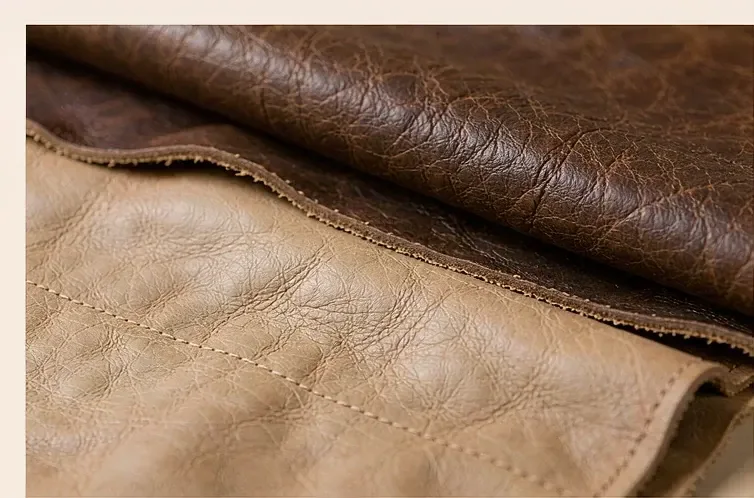
Gate One: Does the House Supply the Species and Selection You Need?
Start narrow. A tannery is usually excellent at one thing: calf for structured bodies, lamb for soft ones, or a speciality such as vegetable-tanned shoulder. Ask what the house runs as its main article and what it treats as a sideline, because a sideline article gets the second-best raw material and the second-best attention. A premium programme should sit on the main article of the house that makes it.
Then ask how selection is defined and who defines it. The word top selection means nothing until it is attached to a written description: allowed marks per panel area, substance band, and whether grading happens per hide or per bundle. If the house cannot produce that description in writing, it is selling vocabulary rather than leather, and no later gate will rescue the relationship.
- What is the main article of this house, and is our body on it?
- What written description sits behind each selection name?
- Is grading done per hide or per bundle, and is that stated on the order?
- What substance band can the house hold across a full season?
- Does the house hold stock against a repeat order, or does it buy to order?
Gate Two: Which Tanning Route, and What Does It Cost You Later?
Three routes dominate premium work: chrome-tanned, vegetable-tanned and chrome-free mineral or synthetic routes. Chrome gives a soft, stable, quick-to-produce article with high hydrothermal stability. Vegetable gives a firmer hand, a characteristic pull-up and a longer cycle. Chrome-free routes exist to meet specific restricted-substance lists and behave differently again at the finishing stage.
- Chrome-tanned
- Soft hand, high hydrothermal stability, short cycle, broad colour range
- Vegetable-tanned
- Firm hand, pull-up character, longer cycle, narrow bright colour range
- Chrome-free
- Built to a restricted-substance list, variable hand, needs a matched finish system
- Shrink temperature
- Recorded per dye lot; higher means more headroom under heat and humidity
- Chromium(VI)
- Tested to ISO 17075; reportable result requested for every dye lot
- Tensile strength
- Tested to ISO 3376 and recorded per delivery
The number that separates a serious house from a hopeful one is shrink temperature, the point at which the fibre structure starts to contract under heat. A chrome-tanned article comfortably clears a high threshold; a vegetable-tanned article sits lower and still performs perfectly well in a bag, because a bag never sees boiling water. Ask for the figure anyway. A house that measures it is a house that controls its process.
Gate Three: Does the Finish Perform Where the Bag Will Actually Fail?
Finish is where a beautiful swatch becomes a rejected delivery. Ask for four results and treat all four as pass or fail: rub fastness to ISO 11640, finish adhesion to ISO 11644, light fastness to ISO 105, and flexing endurance on the finished panel. Then specify floors rather than asking for good performance, because good is not a number anyone can inspect against.
| Property | Why it matters on a bag | Typical floor used |
|---|---|---|
| Rub fastness (ISO 11640) | Predicts transfer onto light clothing at the handle and strap | 4 on the grey scale, dry rub |
| Finish adhesion (ISO 11644) | Predicts finish lifting at a fold or an edge | 4 N per 10 mm width |
| Light fastness (ISO 105) | Predicts fading on a shop shelf under window light | Recorded rating against the sealed reference |
| Tensile strength (ISO 3376) | Predicts behaviour under load at the handle fixing | Recorded figure per dye lot |
| Substance | Sets the edge build and the interlining choice | 1.2-1.4 mm calf, +/-0.1 mm |
One trap deserves its own line. A swatch is flat, small and unhandled; a bag panel is curved, sewn, folded and carried. Test the finish on a folded sample rather than on a flat cutting, particularly on a pull-up or an antiqued article, because the fold is where a brittle finish fails and where a flat swatch never reveals anything.
A second trap sits in the edge. Two leathers can pass every flat-panel test and still behave differently once the arris is painted, because the density of the fibre structure governs how much edge paint the edge drinks. A loose, spongy article takes four coats where a tight one takes three, and the difference shows as a ridge or a sunken line along the seam. Ask for an edge sample built on the production construction, not a swatch.
Gate Four: What Compliance and Audit Records Can the House Show?
Compliance is documentation, not assurance. Ask for the restricted-substance statement the house works to, typically REACH Annex XVII for the European market and California Proposition 65 for the United States, plus a chromium(VI) result per dye lot. Ask which environmental audit protocol the tannery is assessed under, since Leather Working Group audit status is the common reference in this tier of the trade.
Restricted substances
A written statement of conformity to REACH Annex XVII and to California Proposition 65 where the goods will be sold, renewed rather than issued once.
Chromium(VI) control
A test result to ISO 17075 reported per dye lot, with the laboratory named. A single historic certificate is not a control system.
Environmental audit
Current status under a recognised audit protocol such as the Leather Working Group programme, with the audit scope covering the site in question.
Traceability
The ability to trace a delivery back to the raw material batch, which is what turns a claim into evidence when a client asks.
Treat every document as a claim until you can name the body behind it. A statement issued by the tannery is weaker than one issued by an accredited laboratory; a laboratory report tied to a dye lot is weaker than one tied to the actual delivery. Ask what the reference numbers map to and who can be contacted to verify them, then move on. The houses worth working with find this line of questioning unremarkable.
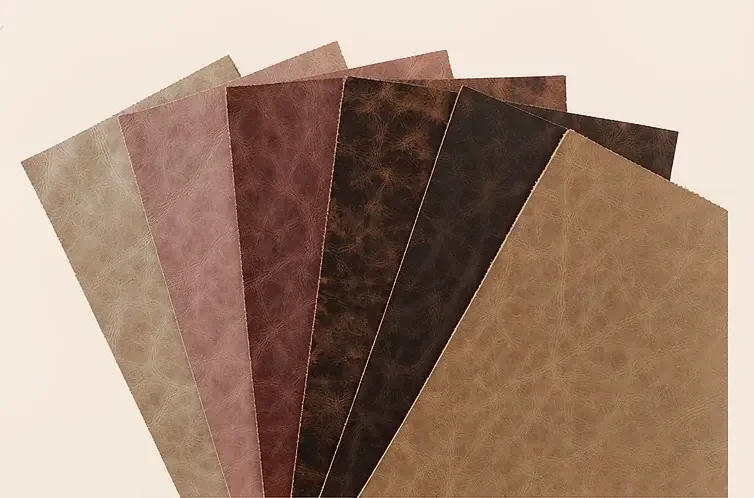
Running the Trial: Prove It Before You Book a Season
A trial is not a sample request. Book a small quantity of the actual article in the actual colourway, cut it on the actual pattern, and put the bodies through the handling they will receive in use: filled, carried, set down on a hard surface, left near a window for a fortnight. Visible wear after that fortnight is the whole point of running the trial, and finding it there costs far less than finding it at delivery.
- Book trial quantity in the production colourway, not a laboratory approximation of it.
- Cut on the production pattern, because yield and panel behaviour are pattern-specific.
- Carry the trial bodies filled and loaded, at the handle fixing rather than by the strap.
- Keep one body as a retained reference and seal it before the trial is judged.
- Record every result against the dye lot reference so the bulk can be compared to it.
What a Tannery Relationship Costs Beyond the Price Per Foot
Price per square foot is the visible number; availability is the expensive one. A house that can only run your article when raw material happens to arrive will drop a season mid-booking, and a dropped season costs more than the price difference ever did. Ask what percentage of the house's capacity your programme represents and what happens to your slot in a tight raw material market.
Then ask about colour continuity. A premium programme repeats a colourway for years, and dyes, fatliquors and finish systems change. Ask how the house manages a reformulation: whether it notifies in advance, whether it keeps a retained standard, and what the notification period is. A house that silently reformulates a finish is the most common cause of a second-season mismatch that nobody can explain.
Four gates, in order
- Species and selection, with a written description behind the selection name.
- Tanning route, with shrink temperature and the reason for the route stated.
- Finish performance, with four test results reported against named methods.
- Compliance and audit records, renewable and tied to a dye lot or a delivery.
- Stop at the first gate that fails; no price concession is worth a failed gate.
The Questions Worth Asking on a First Call
A first conversation is short and should be. Ask five things in this order: what is your main article, what written description sits behind your selection names, which audit protocol are you assessed under and at what status, what substance band can you hold across a season, and what notice do you give before a reformulation. Five answers separate a house worth trialling from one worth thanking politely, and none requires a visit.
How the Choice Reaches the Bag Programme
Once a tannery is chosen, the material decision becomes a programme decision. MOQ is 500 pcs per style and colourway; sampling runs 6-10 working days and 12-15 for a complex construction; bulk runs 35-50 days on FOB Xiamen terms; inspection is AQL 2.5 under ISO 2859-1; and the base reference unit is USD 4.80 before the material is applied. The tannery choice sets the line above that base and the predictability beneath it.
Capacity behind the programme runs across 7 production lines at about 200,000 pcs per month with export experience since 2014, delivered through our validated partner factory Quanzhou Yingming Bags. When a house sends a material enquiry, the useful attachments are the target substance, the colourway reference, the market or markets the goods will be sold in, and the annual volume. Those four determine whether a tannery will even quote.
Choosing the tannery behind a new material?
Send the target substance, the colourway reference and the markets. We will return shortlisted houses, test requirements and a trial plan. Request a quotation
Frequently Asked Questions
What is the first question to ask a tannery for a premium bag programme?
Ask what the house runs as its main article. A tannery is usually excellent at one thing and treats everything else as a sideline, and sideline articles get second-best raw material and attention. Put your programme on the main article of the house, then move to selection definitions and substance bands.
How should a selection grade be defined on an order?
With a written description rather than a name. State allowed marks per panel area, the substance band with permitted variation, and whether grading is done per hide or per bundle. A selection word without a description attached is commercial vocabulary, and it is the most common source of a disputed delivery.
Is chrome-tanned or vegetable-tanned better for a handbag?
Neither, in absolute terms. Chrome gives a softer hand, higher hydrothermal stability and a broader colour range in a shorter cycle. Vegetable gives a firmer hand with a pull-up character and a narrower bright range. Choose on the hand the design needs, then confirm shrink temperature and finish compatibility.
What shrink temperature should a premium bag leather reach?
Ask for the figure rather than a threshold, because the right value depends on the tanning route. Chrome-tanned articles sit comfortably high and give headroom under heat and humidity; vegetable-tanned articles sit lower and still perform well, since a bag never meets boiling water. The point is that the house measures it.
How is chromium(VI) controlled in leather?
By testing to ISO 17075 and reporting the result per dye lot, with the laboratory named. Chromium(VI) can form in chrome-tanned leather under certain storage conditions, which is why a historic certificate is not a control system. Ask for a per-lot result and for the restricted-substance statement behind it.
Which restricted-substance rules apply to leather for bags?
REACH Annex XVII is the reference for the European market and California Proposition 65 for the United States, with additional national rules in some destinations. Ask the tannery for a written statement of conformity naming the markets, and check that it is renewed rather than issued once and left to age.
What does a Leather Working Group audit actually cover?
It is an environmental audit protocol assessing a tannery's water and energy management, chemical handling, waste and traceability, with a rating issued against the assessed scope. It is not a quality certificate and says nothing about the hand or the finish. Check that the scope covers the site making your article.
How many test results should a finish specification require?
Four as a minimum: rub fastness to ISO 11640, finish adhesion to ISO 11644, light fastness to ISO 105, and tensile strength to ISO 3376. Each should be reported with the method named and a floor stated. A figure without a method cannot be inspected against, and a method without a floor cannot fail anything.
Why does a leather swatch behave differently from a finished panel?
Because a swatch is flat, small and unhandled, while a panel is curved, sewn, folded and carried. A brittle finish survives a flat swatch and fails at a fold. Test on a folded sample of the production construction, particularly on pull-up or antiqued articles where the finish sits on the surface rather than in it.
How does a house manage colour continuity across seasons?
By keeping a retained standard and notifying customers before a reformulation of dyes, fatliquors or finish systems. Ask directly what the notification period is and whether a retained reference is held on both sides. Silent reformulation is the most common cause of a second-season mismatch nobody can explain.
What volume does a tannery need before it will quote?
It varies by house, but a programme sitting at MOQ 500 pcs per style and colourway is a credible opening conversation when repeated across a season. What matters more is annual predictability: a house will hold capacity and stock for a programme it can plan around rather than one that arrives once.
Should a brand work with one tannery or several?
One main house per article and one alternate that has been trialled. Concentration gives continuity and a better slot in a tight market; a trialled alternate means a raw material shock does not become a dropped season. The alternate should have passed the same four gates and hold its own sealed reference.
How long does a tannery trial take?
The trial itself is quick once material is in hand: sampling runs 6-10 working days and 12-15 for a complex construction. The longer part is the use trial, which needs a fortnight of carrying and window exposure to mean anything. Bulk then runs 35-50 days on FOB Xiamen terms.
How does tannery choice affect the cost of a finished bag?
Through the material line and through yield. A house that holds substance tightly and grades honestly reduces the waste hidden in every cutting plan, which often outweighs a lower price per foot. Add the cost of a dropped season, and predictability is usually the largest number on the page.
People Also Ask
How do I choose a tannery for luxury leather bags?
Work four gates in order: species and selection, tanning route, finish performance, compliance records. Stop at the first failure. A house that clears all four publishes shrink temperature, chromium(VI) and audit status without being asked.
What is LWG certification for leather?
An environmental audit protocol that rates a tannery on water and energy management, chemical handling, waste and traceability. It is not a quality certificate and says nothing about hand or finish performance.
Is vegetable-tanned leather better than chrome-tanned?
Not better, different. Vegetable gives a firmer hand and pull-up character in a longer cycle; chrome gives softness, hydrothermal stability and a wider colour range. Choose on the hand the design needs.
What tests should leather for bags pass?
Rub fastness to ISO 11640, finish adhesion to ISO 11644, light fastness to ISO 105 and tensile strength to ISO 3376. Ask for the method and a numeric floor, not a general assurance of good performance.
Why does leather colour change between seasons?
Usually a reformulation of dyes, fatliquors or finish systems, or a substitution of raw material. A house that keeps a retained standard and gives notice before reformulating keeps a repeat colourway stable.
Sources and further reading
Every figure on this page is either our own programme data or attributed below. Open the originals before you write them into a specification.
- Leather Working Group — tannery audit protocolLeather Working Group The environmental audit protocol and rating system used to assess tanneries supplying premium bag leather.
- REACH legislationECHA The European regulation whose Annex XVII restricted-substance list governs the conformity statements requested from a tannery.
- California Proposition 65OEHHA The California list applied alongside REACH when the finished bags are sold into the United States.
- ISO — international standardsISO Publisher of the leather test methods named here: ISO 3376, ISO 11640, ISO 11644, ISO 105 and ISO 17075.