Red Flags When Sourcing High-End Handbags: Fourteen Signals and What Each One Means
The most reliable red flags when sourcing high-end handbags are measurable rather than impressionistic: a quote more than 8% below the median of three, leather supplied at 1.05 mm against a specified 1.2-1.4 mm, stitch density at 5-6 per inch where 8-9 was agreed, and a refusal to allow inspection before packing. This article sets out fourteen signals in four groups, compares three kinds of behaviour side by side, and gives the measurement that settles each one without an argument.
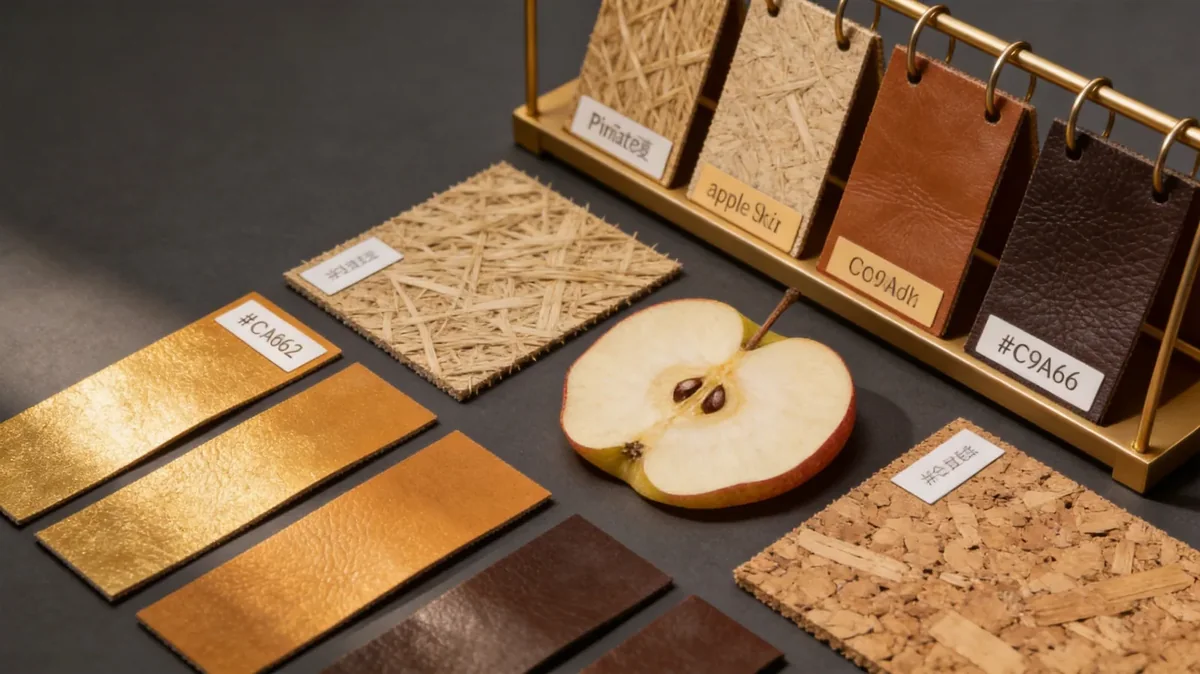
Fourteen Flags, Four Groups
Fourteen signals cover almost everything that goes wrong in high-end handbag sourcing, and they fall into four groups: price, sample, documents and behaviour. Grouping them matters because the response to each is different — a price flag is investigated before ordering, a sample flag before bulk, a document flag before shipping and a behaviour flag immediately.
None of these signals is proof of bad faith. Most are symptoms of a house that has quoted for a specification it cannot hold, which is a different problem with the same outcome. The purpose of naming them early is to find out which one it is while there is still time to change course.
Group One: The Price That Does Not Add Up
A quote more than 8% below the median of three comparable quotes is not a value, it is a specification you have not seen yet. At that distance below the middle, something has been removed: leather substance, hardware gauge, finishing operations or inspection.
- A price more than 8% under the median of three quotes built on the same brief and the same quantity.
- A unit price that does not move when the leather selection changes, which means the leather was never priced in.
- Tooling, testing and presentation packing all described as included, with no figure attached to any of them.
- A price held for a full season without a stated validity window or a stated exchange rate assumption.
- No written method for re-pricing a specification change, which is how a first quote becomes a different final invoice.
The second item catches more programmes than any other. Leather is the largest single cost in a handbag, and a quote that is indifferent to which hide is specified has either assumed the least expensive option or has not costed the material at all.
Group Two: What the Sample Tells You If You Measure It
Measure the sample rather than admiring it. Leather thickness, stitch density, edge paint layers and plating thickness are all checkable in minutes, and all four are where a specification is quietly reduced between quotation and delivery.
| What was specified | What arrives when it is cut | How to check | What it costs you |
|---|---|---|---|
| Calfskin at 1.2-1.4 mm | 1.05 mm split, or a corrected grain | A thickness gauge at four points on the panel | The bag loses body and creases at the fold |
| Stitch density 8-9 per inch | 5-6 per inch | Count over one inch at three seams | Seams open under load and read as poor work |
| Edge paint in three layers | One thick layer | Look at the edge in raking light | Edges crack within a season of use |
| Brass plating 0.15-0.3 µm | Under 0.1 µm, or a brass-coloured alloy | Salt spray testing, 24 h and 48 h | Hardware tarnishes on the shop floor |
| Interlining at 0.8 mm | None, or a paper-weight substitute | Open a returned piece and measure | The silhouette collapses on the shelf |
| A #5 metal zip, branded | A #3 zip, unbranded | Read the gauge stamped on the slider | The closure fails first and fails often |
The salt spray row deserves a note on method. A 24-hour neutral salt spray test is the customary screening level for decorative hardware; asking for 48 hours and for the result in writing separates a plated fitting from one that has merely been coloured.
Group Three: Documents That Are Missing or Inconsistent
Documents are where a programme's real standard is written down, and inconsistency between them is rarely accidental. A test report dated before the sample existed, a certificate naming a different address, or a specification that omits the lining are all signals worth following up.
- A test report whose date precedes the sample it supposedly tested.
- A certificate naming an address, a scope or a legal entity different from the one you are contracting with.
- A specification sheet that is complete except for the lining, the interlining or the hardware finish.
- No retained reference piece offered, or a reference that is not signed by both sides.
- Inspection described as internal only, with no third-party inspector permitted before packing.
The fourth item is the one with the longest shadow. A retained reference, signed and held under standard lighting, is what makes every later conversation about colour, finish and hand feel resolvable; without one, the same argument is had in every round of every season.
Group Four: Behaviour During the Run
Behaviour flags are the ones that matter most because they appear after you have committed. A house that answers quickly before the order and slowly afterwards has told you something precise about where your programme sits in its priorities.
The fast sample
A complex piece returned in three days, before the leather was booked. It is usually a stock piece altered to look like yours, and it tells you nothing about your specification.
The silent middle
Status that stops arriving once bulk starts. Ask for a weekly note; a house that will not send one is usually not tracking the run closely.
The late bad news
A delay announced on the day it was due. The delay may be real; the timing means it was known earlier and withheld.
The first card is counter-intuitive and worth stating plainly. Sampling for a complex piece takes 12-15 working days, and for a straightforward one 6-10. A piece returned in three days was not made to your specification, however closely it resembles it.
Three Behaviours Compared Side by Side
The same situation handled three ways tells you everything you need to know about a partner. A late delivery, an inspection failure and a specification change each have a good version and two poor ones, and the differences are visible within a single exchange.
| Situation | The good version | The covering version | The damaging version |
|---|---|---|---|
| A date will be missed | Told as soon as known, with a revised date and the cause | Blamed on a vendor, with no new date | Announced on the day it was due |
| Inspection fails at AQL 2.5 | The result shared in full, with a correction plan and a date | A request to accept at a looser level | The result withheld and the goods shipped |
| A specification change is needed | Re-priced in writing against the agreed formula | Absorbed silently, then recovered on the next order | Refused, or made without telling you |
| A question about materials | Answered with the tannery name and the lot reference | Answered with 'same quality as before' | Not answered, or answered with a different question |
The second row is the single most consequential line in this article. An inspection conducted at AQL 2.5 under ISO 2859-1 produces a recorded result; a house willing to share that result in full, including a failure, is one you can plan with.
How to Test a Claim Without Accusing Anybody
Ask for evidence rather than reassurance, and ask in a way that lets the answer be a document. 'Please send the thickness reading at four points' is a request a good house is pleased to answer and a poor one cannot.
Five requests that settle most questions
- Send the leather thickness readings at four points on the panel, against the 1.2-1.4 mm specified.
- Send the stitch count over one inch at three seams, against the 8-9 per inch agreed.
- Name the tannery and the dye lot for the shell, and the plating thickness for the hardware.
- Confirm that inspection at AQL 2.5 under ISO 2859-1 is booked before packing finishes.
- Confirm that a third-party inspector may attend, at your cost, and on what notice.
The fourth request also protects the schedule. Inspection booked before packing finishes means a failed lot is found while the run can still be corrected; inspection offered afterwards means the only remaining remedy is a return.

What to Do When You Find One
Name it, in writing, as a measurement against the specification, and ask for the correction and the date. Most flags are recoverable at the point they are found and unrecoverable three weeks later, which is the whole argument for looking before bulk rather than after delivery.
- Restate the issue as a number against the specification, never as an impression of quality.
- Ask what changed and why, since the answer distinguishes a mistake from a decision.
- Agree the correction and the date in writing, with the version number of the pack bumped.
- Decide whether the same reduction appears elsewhere in the piece, because it usually does.
- Escalate once, to the named lead, and re-price as a scope change if it recurs.
The fourth item reflects how cost reduction actually happens. A house that has reduced leather thickness to hold a price has usually reduced something else as well, and finding the second item during sampling is far cheaper than finding it at inspection.
The Four Checks That Catch Most of It Before Bulk
Four checks, carried out on the first sample and repeated on a piece pulled from the first bulk carton, catch the large majority of what goes wrong: measure the leather, count the stitches, look at the edge in raking light, and weigh the hardware.
- Leather thickness
- A gauge at four points on the main panel, against the 1.2-1.4 mm in the pack
- Stitch density
- Counted over one inch at three seams, against 8-9 per inch
- Edge finish
- Read in raking light for layer count and for strike-through onto the grain
- Hardware
- Weighed and measured, with the plating thickness confirmed against 0.15-0.3 µm
- Construction sequence
- A bench walk-through of six to eight photographs from three fixed angles
- Colour
- Read against the retained reference under standard lighting, at a recorded distance
The fifth check is the one that scales. Six to eight photographs from three agreed angles turn a bench walk-through into a comparable record across the whole programme, and they are the reason a suspicion raised in week three can be checked against week one.
When a Signal Turned Out to Be Nothing
Three of the fourteen are frequently false alarms, and knowing which is worth the time it saves. A price well below the median can come from a house that already holds the leather; a slow reply can be a time zone; and an unusual construction suggestion can be genuine experience rather than cost cutting.
The distinction is whether the explanation survives a document. A house that holds the leather can name the lot; a house in another time zone can agree a two-hour daily overlap; a house with real experience can show you the piece it made that way. Where the explanation has a document behind it, the flag dissolves.
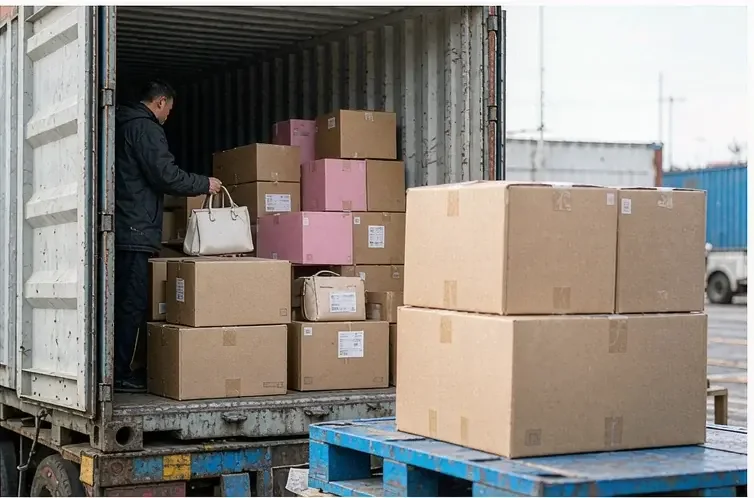
Our programme works to MOQ 500 pcs per style and colourway, with sampling at 6-10 working days and bulk at 35-50 days on FOB Xiamen terms, inspected to AQL 2.5 under ISO 2859-1. It runs across 7 production lines with about 200,000 pcs per month of capacity and export experience since 2014, delivered through our validated partner factory Quanzhou Yingming Bags, an SGS-validated site.
Send us the sample you were shown
Send the piece and the specification and we will return thickness readings, stitch counts and a hardware assessment against your pack. Request a quote.
Frequently Asked Questions
What is the clearest red flag in a handbag quote?
A price more than 8% below the median of three quotes built on the same brief. At that distance below the middle, something has been removed: leather substance, hardware gauge, finishing operations or inspection. Ask which line differs rather than celebrating the number.
How can I check leather thickness on a sample?
With a thickness gauge at four points on the main panel, against the 1.2-1.4 mm in your pack. A reading of 1.05 mm means a split or a corrected grain supplied against a full-grain specification, and the piece will crease at the fold.
What stitch density should a premium handbag have?
Eight to nine stitches per inch is customary for a premium piece, counted over one inch at three separate seams. Five to six per inch is the figure that appears when speed is being bought, and those seams open under load rather than simply looking uneven.
Why is a very fast sample a warning sign?
Because sampling takes 6-10 working days for a straightforward piece and 12-15 for a complex one. A complex piece returned in three days was not made to your specification; it is usually a stock piece altered to resemble yours, which tells you nothing useful.
How many layers of edge paint should there be?
Three, applied and sanded between coats. A single thick layer is faster and reads acceptable on a photograph, but it cracks within a season of use. Read the edge in raking light rather than face-on, where almost any finish looks acceptable.
What should I ask about hardware plating?
Ask for the plating thickness in microns and for a salt spray result in writing. A 24-hour neutral salt spray test is the customary screening level for decorative fittings; asking for 48 hours separates a genuinely plated fitting from one that has merely been coloured.
Why insist on a retained reference piece?
Because it is the only thing that resolves an argument about colour, finish and hand feel. Signed by both sides and held under standard lighting, it turns a subjective dispute into a comparison. Without one, the same argument recurs in every round of every season.
Should third-party inspection be allowed before packing?
Yes, and it should be booked before packing finishes rather than offered afterwards. Inspection at AQL 2.5 under ISO 2859-1, conducted while the run can still be corrected, is worth considerably more than the same inspection conducted on finished cartons.
What does a suspicious test report look like?
One dated before the sample it supposedly tested, or naming a legal entity, address or scope different from the one you are contracting with. Ask for the report to be reissued against your purchase order reference, which is a request a good house can answer immediately.
How should I raise a concern without damaging the relationship?
As a measurement against the specification rather than an impression of quality. 'The panel reads 1.05 mm against 1.2-1.4 mm; what changed?' is answerable. 'The quality feels wrong' is not, and it invites a defensive reply instead of a correction.
What is the covering response to a failed inspection?
A request to accept at a looser level. The good response shares the full result with a correction plan and a date; the damaging one withholds the result and ships. The covering version looks cooperative while moving the decision away from you.
How much does reworking a rejected piece cost?
Around USD 4.80 in parts and bench time for a single closure before any freight is counted, which is why a rejected lot is worth far more than a price concession argued for afterwards. Inspect before packing, not after delivery.
Are all fourteen signals genuine warnings?
No. A price below the median can reflect leather already held, a slow reply can be a time zone, and a construction suggestion can be real experience. The test is whether the explanation has a document behind it: a named dye lot, an agreed overlap, a previous piece.
Which four checks catch the most problems?
Measure the leather, count the stitches, read the edge in raking light and weigh the hardware. Run them on the first sample and repeat them on a piece pulled from the first bulk carton, and the large majority of problems surface before they are expensive.
People Also Ask
What is the biggest red flag when sourcing luxury handbags?
A quote more than 8% below the median of three, especially when the price does not move if you change the leather. It usually means a specification has been quietly reduced.
How do I verify a handbag sample is made to spec?
Measure it: leather thickness at four points, stitch count over one inch at three seams, edge layers in raking light, and hardware plating thickness in microns.
Is a very fast sample a good sign?
Usually not. Complex sampling takes 12-15 working days. A piece returned in three days is often a stock item altered to resemble yours rather than your specification made up.
What documents should a handbag partner provide?
A test report dated to your sample, certificates naming the contracting entity, a complete specification including lining and hardware, and a signed retained reference piece.
Can I use a third-party inspector?
Yes, and you should book it before packing finishes. Inspection at AQL 2.5 under ISO 2859-1 finds problems while the run can still be corrected rather than after cartons are sealed.
Sources and further reading
Every figure on this page is either our own programme data or attributed below. Open the originals before you write them into a specification.
- ISO — International Organization for StandardizationISO Publisher of ISO 2859-1, the sampling standard behind inspection at AQL 2.5, and of ISO 3376 for leather tensile strength.
- Leather Working GroupLeather Working Group Tannery audit protocol, the reference for asking a house to name the tannery and the dye lot behind a shell material.
- SGSSGS Third-party inspection and testing body, the model for independent inspection booked before packing rather than offered afterwards.
- ECHA — European Chemicals AgencyEuropean Chemicals Agency Administrator of REACH Annex XVII, the restrictions a test report should be issued against for the EU market.
- Sourcing JournalSourcing Journal Reporting on sourcing due diligence, audit findings and the compliance failures that surface late in a programme.