What to Ask a High-End Handbag Supplier: Twelve Questions in the Order That Actually Eliminates Candidates
What should you ask a high-end handbag production house on the first call? Ask lot-first, not price-first: open with the tannery and lot behind the reference piece, because that one question decides whether a re-order will match the first run. Twelve questions is the practical ceiling for a forty-minute call — four on material, three on hardware, three on construction and compliance, two on calendar and money. A house that answers with documents scores two points per answer; one that answers with a photograph scores zero. Below, the twelve in scoring order, with the figures that should come back: substance 1.2-1.4 mm, stitch density 8-9 per inch, plating 0.15-0.3 µm and AQL 2.5 stated as accept 3, reject 4 on a 500 pcs lot.
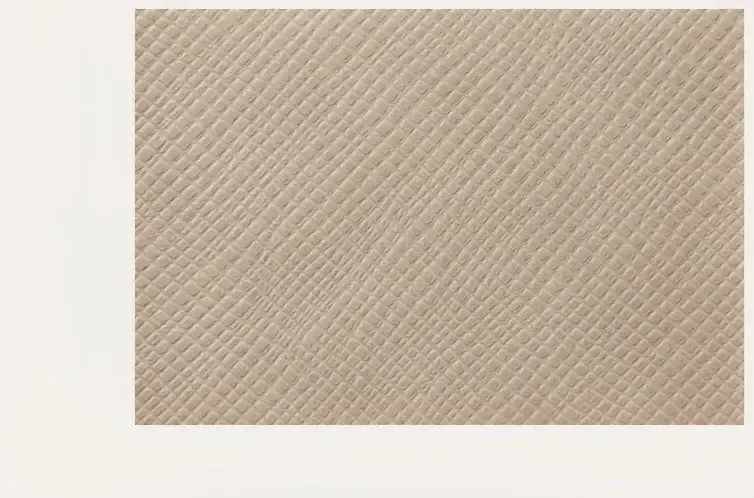
Three Ways to Frame the First Call, Compared
The order in which you ask changes the answer you get. Opening with money produces a figure that cannot be defended once the pack is written; opening with the hide lot produces a document trail that survives a re-order. A lot-first call runs about forty minutes and answers roughly two thirds of what a price-first call leaves open.
| Opening move | What it surfaces in forty minutes | What it leaves open | Best used when |
|---|---|---|---|
| Price-first | A provisional landed figure and a provisional lead time | Which hide, which plating, which inspection plan | You are sense-checking a category before writing a brief |
| Specification-first | Comments on skiving, tolerance and turn-in width | Whether the material behind the spec is traceable | You already hold a dimensioned technical pack |
| Lot-first | Tannery, lot number, test reports and the substitution policy | Cost, until the specification is settled | You intend to place the order with this house |
Lot-first wins for any buyer expecting a second delivery. A house that opens with the tannery is describing work it has already done; a house that opens with a price is describing work it hopes to do, and the difference shows up nine months later as shade drift between two deliveries of one style.
The Twelve Questions, Grouped by What Each One Protects
Twelve questions is the ceiling for one call because beyond that answers stop being heard. Grouping them by what each protects turns the call into a sheet you can score afterwards rather than a conversation you have to remember.
Four protection groups
- Material and hardware questions protect repeatability — the ability to make the same bag twice.
- Construction questions protect the sample-to-bulk gap, where most disappointment is created.
- Compliance questions protect the market: a report of the wrong scope is a report that does not exist.
- Calendar and money questions protect the launch date, which nothing else on the list can recover.
Read in that order the twelve questions are also a chronology. The first group is about last year's work, the second about next month's, the third about the destination country and the fourth about the day the doors open. A candidate strong in the first two and vague in the last two will make a beautiful bag and miss the season.
Material: Four Questions That Decide Whether a Re-order Matches
Ask which tannery and which lot produced the leather in the reference piece, and ask to see the lot record. That single question separates a house with a reservation from a house with a description, and it is the fastest discriminator available on a first call.
- Which tannery and which lot produced this reference piece, and can the lot record be shown today?
- What is the substance range in millimetres, and at which panels is it skived down?
- Which audit covers the tannery — a Leather Working Group audited site, or something narrower?
- If the reserved lot runs short mid-run, what does the contract say happens next?
- Full-grain calfskin substance
- 1.2-1.4 mm on body panels, measured before skiving
- Skived edge thickness
- 0.6-0.7 mm at turn-in and seam allowances
- Lining substance
- 0.6-0.8 mm, split or full grain chosen by panel
- Interlining on load panels
- 0.8 mm non-woven, heat-set to the back of the leather
- Reserved lot
- One hide lot per colourway, held for the duration of the run
The fourth question is the one most buyers forget and the one that bites hardest. Hides are finite: a lot reserved for 500 pcs may not cover 1,200. If the contract is silent, the shortfall is filled from another lot, and the fill is usually visible in the hand before it is visible in the photograph.
Hardware: Base Metal, Plating Thickness and How Many Cycles
Hardware is where a beautiful sample turns into a warranty claim, so ask for the base metal, the plating thickness in microns and the proving method rather than the finish name. 'Antique brass' is a colour; 0.15-0.3 µm of plating over a stated base metal is a specification, and only the second one can be checked at handover.
- Base metal
- Brass or zamak, stated rather than 'metal'
- Plating thickness
- 0.15-0.3 µm on a decorative finish
- Salt spray proving
- 24 hours standard, 48 hours for a coastal retail market
- Closure cycles
- 50 open-and-close cycles with no visible wear at contact points
- Zip gauge
- #5 on the main opening, #3 on an interior pocket
Two follow-ups close the group. Ask whether the plating bath is dedicated or shared, because a shared bath is the usual explanation for a colour that shifts between two deliveries of the same hardware. Then ask what pull force the closure is set to, since a turn-lock with no play at the sample stage can develop play once the leather behind it relaxes over a season.
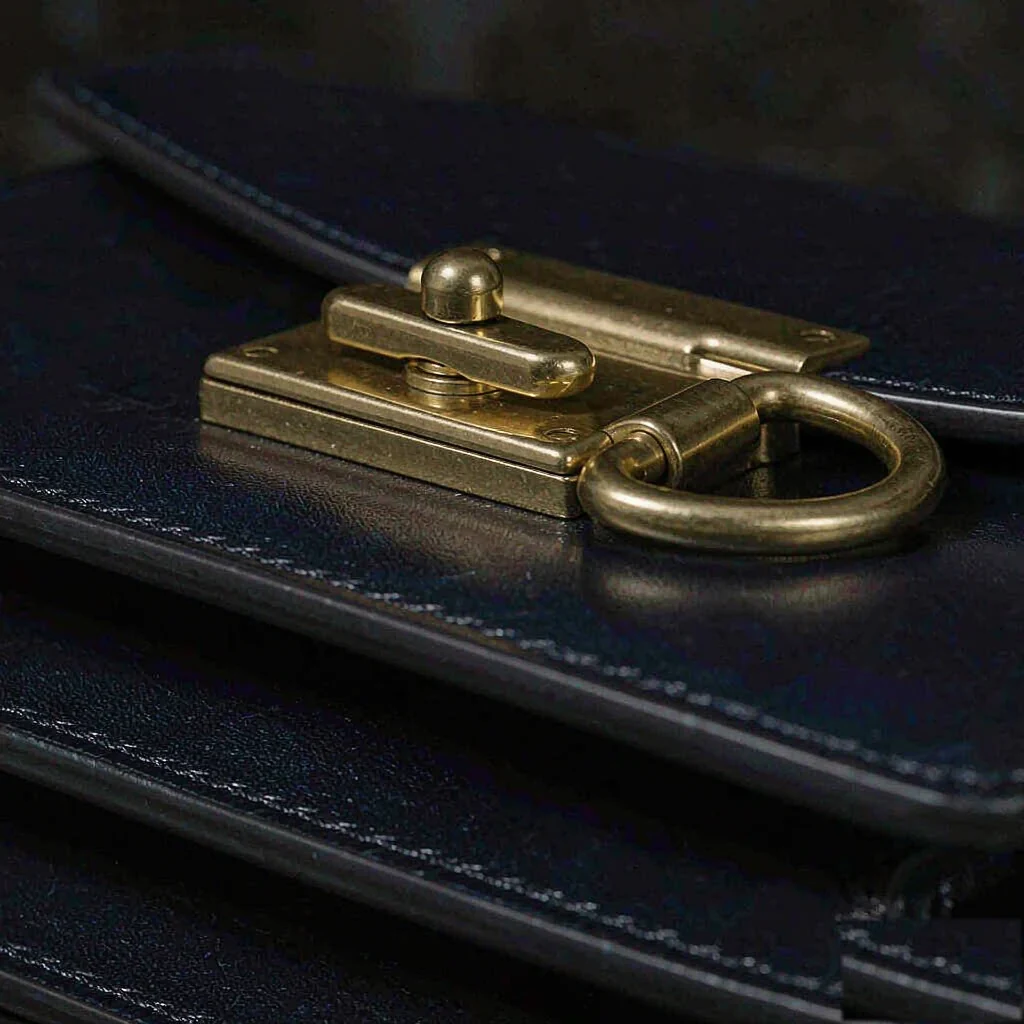
Construction: The Numbers Behind a Seam
Construction questions are all numeric, and a house that answers them in adjectives is telling you it does not measure its own work. Every figure below is checkable with a rule, a gauge and a count, which is precisely why they belong on the call.
- Stitch density: 8-9 stitches per inch, counted at three points along the same seam.
- Thread: 0.45 mm bonded filament, colour-matched to the panel rather than to the lining.
- Turn-in width: 8-10 mm on a turned or bound edge.
- Edge coating: three layers, each sanded before the next is applied.
- Panel tolerance: ±0.5 mm against the dimensioned drawing, on every panel.
- Base reinforcement: 0.8 mm board behind the base panel on a structured body.
The tolerance figure matters more than any other on this list. A house that measures panels to ±0.5 mm will also measure them during bulk, which is what makes an inspection report meaningful; a house that works by eye produces bags that individually pass and collectively do not match.
Compliance: Scope, Lot and the Named Market
Compliance is booked per lot and per market, so the question is never whether a house is compliant but which reports cover this lot for these markets. A certificate without a scope is the most common non-answer on the whole call: it reads as reassurance and functions as nothing.
- REACH Annex XVII declarations covering the EU market, issued against the lot in the bag.
- California Prop 65 declarations where the destination includes the United States.
- CPSIA testing where a younger line falls inside the scope of the order.
- CITES Appendix II or III documentation wherever an exotic skin is specified.
- A Leather Working Group audit reference for the tannery, and GRS documentation for recycled content.
Ask for reports under ISO 3376 for tensile strength, ISO 11644 for finish adhesion and ISO 105 for colour fastness. These three cover the failure modes that actually generate returns: a strap that stretches, a coating that lifts and a colour that transfers onto a pale garment.
Inspection: AQL Written as Accept and Reject Numbers
Ask for the inspection plan in numbers. AQL 2.5 under ISO 2859-1 is the standard answer, but the useful part is the sample size and the accept and reject counts that follow from it, because those are the figures an inspector will actually work to at handover.
- Standard applied
- AQL 2.5, ISO 2859-1, general inspection level II
- Lot of 500 pcs
- Sample size 50, accept 3, reject 4
- Critical defects
- Zero tolerance, independent of the major and minor counts
- Third-party inspection
- Available at the buyer's cost, before handover
- Measurement check
- Panels within ±0.5 mm of the approved pack
The critical-defect row is the one to press on. Broken stitching, a failed closure and a sharp edge are critical defects regardless of how few appear in the sample, and a plan that folds them into the major count is a plan written for argument rather than for release.
Calendar and Money: The Questions That Usually Arrive Too Late
These two groups are asked last and matter most, because every one of them has a date attached. A launch date cannot be recovered once the calendar has been built optimistically, so these answers should be taken on the call and written down the same day.
| Question | Answer that should come back | Answer that should end the call |
|---|---|---|
| What is the minimum? | 500 pcs per style and colourway | A figure quoted per style with colourways grouped together |
| How long is sampling? | 6-10 working days, 12-15 for a complex build, with one corrected round | A single number with no corrected round included |
| How long is bulk? | 35-50 days from approved sample and confirmed material | A range quoted before the pack exists |
| What are the terms? | FOB Xiamen, with CIF and DDP priced as alternatives | Terms quoted without a named port |
| What do swatches cost? | USD 4.80 per card set, credited against the first order | A swatch charge quoted with no credit mentioned |
The sampling row hides the most. 'Six days' quoted without a corrected round means one attempt, and one attempt is not a development step: the first unit almost always reveals something the drawing did not, and a house that has not budgeted a second round will either rush it or quietly charge for it later.
Scoring the Call: Twelve Answers, One Decision
Score each answer 0-2 on the day, while the call is fresh. Twelve scored answers separate cleanly into an appointable house and a persuasive one; twelve remembered answers blur into an impression, and impressions are what cause bad appointments.
Score 2 — answers with a document
A lot number, a measurement sheet, a test report or a written policy. The document exists because the work was done, and it will exist again at handover.
Score 1 — answers with a promise
A confident verbal commitment with nothing behind it yet. Plausible, unverifiable, and worth one point only if the timeline allows you to verify it during sampling.
Score 0 — answers with a photograph
Beautiful imagery offered instead of a figure. Photography proves the house made something once; it says nothing about whether the panel matched the pack.
A total under sixteen out of twenty-four is a re-sample or a drop, not a negotiation. Two houses scoring eighteen or better should both be sampled, and the choice between them made on the bench rather than on the telephone.
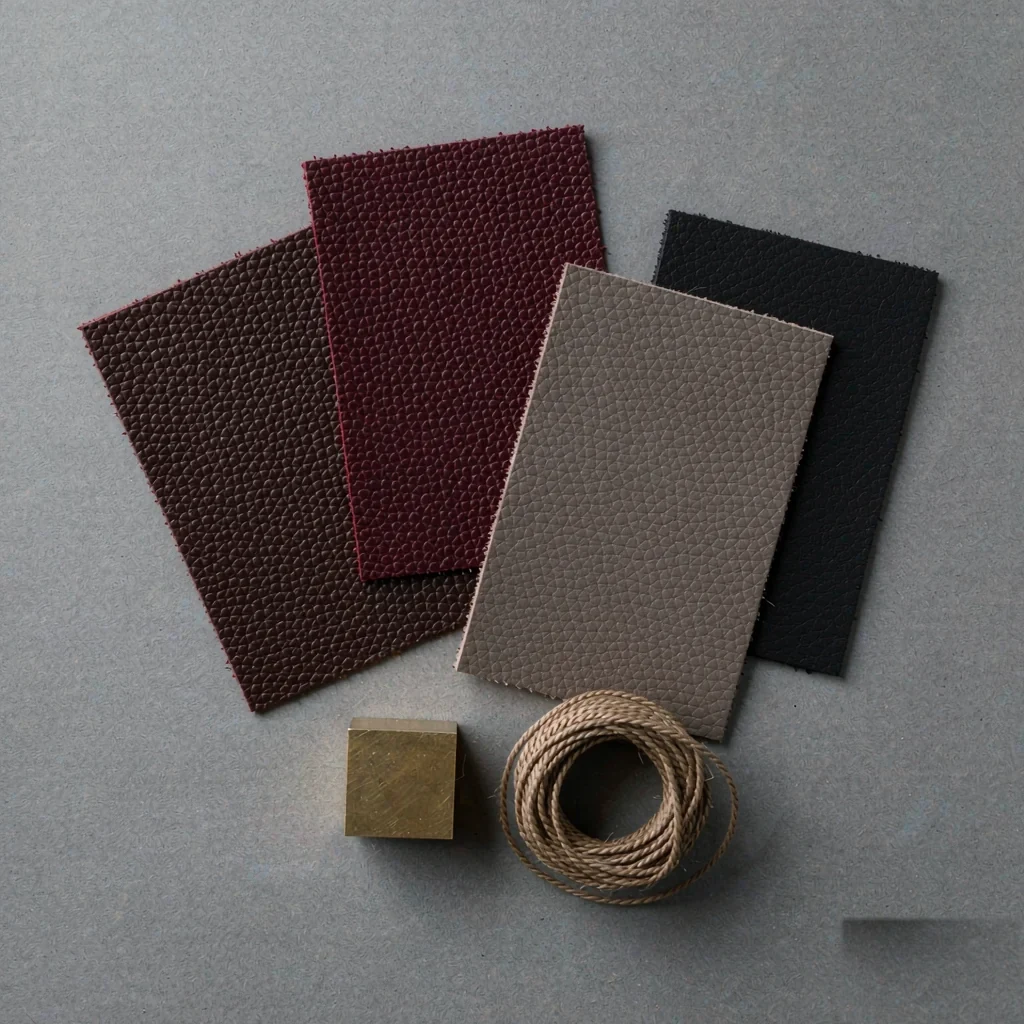
What Our Bench Returns, and How Quickly
Our programme runs across 7 production lines with about 200,000 pcs per month of capacity and has carried export experience since 2014, delivered through our validated partner factory Quanzhou Yingming Bags, an SGS-validated site. A completed brief is answered within two working days, with the tannery lot named, plating thickness stated, the AQL plan given in accept and reject numbers and the calendar built backwards from your launch date. Material behaviour is documented under luxury materials, inspection detail under luxury quality control, and the sampling sequence under luxury sampling.
Send the twelve questions as one brief
Send your drawings, quantity, markets and date. You will receive written answers to all twelve questions, with the lot named and the calendar built backwards, within two working days. Request a quote.
Frequently Asked Questions
What is the first question to ask a high-end handbag production house?
Ask which tannery and which lot produced the leather in the reference piece, and ask to see the lot record. That single question separates a house holding a reservation from a house holding a description, and it decides whether your re-order will match the first run.
Why should I ask lot-first rather than price-first?
Because a price quoted before the material is named is provisional and will move once the pack is written. A lot-first call takes about forty minutes and answers roughly two thirds of what a price-first call leaves open, including the substitution policy if a reserved lot runs short.
How many questions can I realistically ask on one call?
Twelve, in four groups: material, hardware, construction and compliance, then calendar and money. Beyond twelve the answers stop being heard, so the practical method is to send the questions in writing with the brief and use the call for follow-ups.
What leather substance should I expect on a body panel?
Full-grain calfskin at 1.2-1.4 mm on body panels, skived down to 0.6-0.7 mm at turn-in and seam allowances. Lining substance runs 0.6-0.8 mm, and load panels carry a 0.8 mm non-woven interlining heat-set to the back of the leather.
What should I ask about hardware on a first call?
Ask for the base metal, the plating thickness in microns and the proving method. A decorative finish runs 0.15-0.3 µm, salt spray proving runs 24 hours as standard and 48 hours for a coastal retail market, and the closure should survive 50 cycles without wear.
Which stitch density is correct for a luxury handbag?
Eight to nine stitches per inch, counted at three points along the same seam rather than estimated from a photograph. Thread is 0.45 mm bonded filament, colour-matched to the panel rather than to the lining, and turn-in width sits at 8-10 mm on a turned edge.
How many layers of edge coating should a bag carry?
Three, each sanded before the next is applied. Fewer layers leave a ridge that catches light along the edge and wears through at the corners first, which is the most common reason a bag looks tired after a single season of retail handling.
What tolerance should a house commit to on panels?
±0.5 mm against the dimensioned drawing, on every panel. A house that measures panels to that tolerance during sampling will also measure them during bulk, which is what makes an inspection report meaningful rather than decorative.
What does AQL 2.5 mean in numbers on a 500 pcs lot?
Under ISO 2859-1 at general inspection level II, a lot of 500 pcs gives a sample size of 50 with accept 3 and reject 4. Critical defects carry zero tolerance regardless of those counts, so a broken closure or sharp edge fails the lot on its own.
Which compliance documents should be issued against the lot?
REACH Annex XVII declarations for the EU, California Prop 65 declarations for the United States, CPSIA testing where a younger line is in scope, and CITES Appendix II or III documentation wherever an exotic skin is specified. A certificate without a named scope is not a document.
Which test methods cover the failure modes that cause returns?
ISO 3376 for tensile strength, ISO 11644 for finish adhesion and ISO 105 for colour fastness. Together they cover the three failures that generate returns: a strap that stretches, a coating that lifts and a colour that transfers onto a pale garment.
What minimum quantity should I expect per style?
500 pcs per style and colourway. The minimum is per combination rather than per style, so three styles in two colourways is six lots of 500 and should be planned as a single reserved hide lot to protect shade consistency across the drop.
How long should sampling and bulk take?
Sampling takes 6-10 working days for a standard build and 12-15 for a complex one, including one corrected round. Bulk runs 35-50 days from approved sample and confirmed material, and handover is on FOB Xiamen terms with CIF and DDP priced as alternatives.
How should I score the answers after the call?
Score each of the twelve 0-2 on the same day: two where the answer arrives with a document, one where it arrives as a verbal commitment, and zero where it arrives as a photograph. A total under sixteen out of twenty-four means re-sample or drop.
What does a swatch card set cost, and is it credited?
Swatch card sets are billed at USD 4.80 and credited against the first order. The charge exists to cover the material and handling of a physical card; the credit exists because the swatch is a step in the order rather than a product in its own right.
People Also Ask
What should I ask a handbag production house before sending a deposit?
Ask which tannery and lot sits behind the reference piece, what plating thickness the hardware carries, what stitch density the seams run at and what the AQL accept and reject numbers are. Deposit only when all four answers arrive in writing.
Why do two deliveries of the same bag differ in colour?
Usually because the hide lot changed. If the contract is silent on what happens when a reserved lot runs short, the shortfall is filled from another lot and the difference shows in the hand before it shows in a photograph.
Is a certificate enough to prove compliance?
Only if it names a scope, a lot and a market. A generic certificate reads as reassurance and functions as nothing, because reports are issued against a lot and cover the markets named at the time of testing.
How do I compare two houses that both sound good?
Sample both and score them on one sheet. Panel tolerance within ±0.5 mm, stitch density at 8-9 per inch and no closure play after fifty cycles are three measurements that separate them faster than any conversation.
What is a realistic minimum for a boutique first run?
500 pcs per style and colourway. Fewer colourways is usually the better first move, because a hide lot is reserved per combination, so one style in one colourway is the smallest commitment that still protects shade consistency.
Sources and further reading
Every figure on this page is either our own programme data or attributed below. Open the originals before you write them into a specification.
- Leather Working GroupLeather Working Group Tannery audit protocol used to qualify a named hide lot, the most useful single verification document asked for on a first call.
- ISO — International Organization for StandardizationISO Publisher of ISO 2859-1 for AQL sampling plans, plus ISO 3376, ISO 11644 and ISO 105 test methods cited for per-lot reports.
- ECHA — REACHEuropean Chemicals Agency Administers the REACH regulation whose Annex XVII substance restrictions are declared per lot for the EU market.
- Office of Environmental Health Hazard Assessment — Proposition 65OEHHA California authority behind the Prop 65 declarations asked for where the destination market includes the United States.
- CITESCITES Convention governing Appendix II and III documentation for exotic skins specified on a luxury bag programme.