Luxury Leather Handbag Weight and Structure: A Twelve-Item Checklist Signed Before Bulk
How heavy should a luxury leather handbag be, and how should it hold its shape? A medium structured tote lands at 620-890 g empty, within a ±5% tolerance, on a shell of 1.2-1.4 mm calfskin with a 0.8-1.0 mm base stiffener. Structure comes from substance, interlining and the load path rather than from adding leather everywhere, and balance is judged by where the mass sits rather than by the number on the scale.
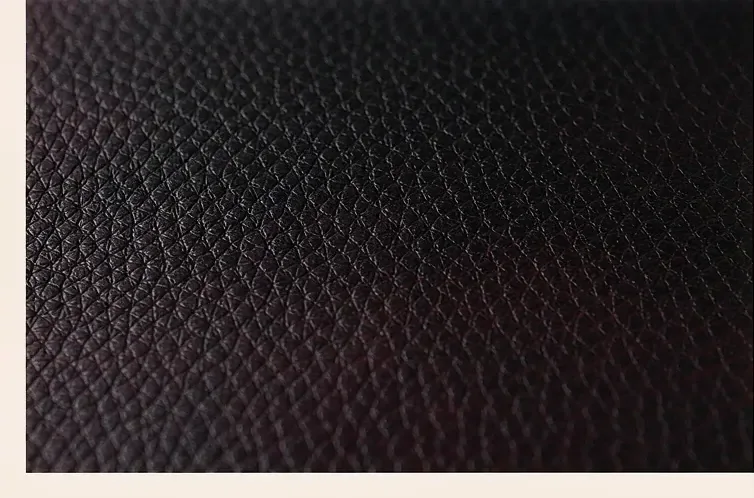
The Weight Checklist: Twelve Items Signed Before Bulk
Weight is decided in the specification, not discovered on the scale. Twelve items, each with a figure, cover everything that determines how a body feels when it is lifted and how it behaves after a season of being put down.
Treat the checklist as a sign-off document. Where an item is left as an adjective, the first bulk lot will be heavier than the sample, because a heavier body is easier to assemble and nobody is checking.
- Target empty weight
- 620-890 g for a medium structured tote; recorded on the specification
- Weight tolerance
- ±5% across a lot, measured on five units from the beginning, middle and end
- Shell substance
- 1.2-1.4 mm calfskin on a structured body; 0.9-1.1 mm on a soft one
- Gusset skive
- 0.7-0.8 mm across an 8-10 mm width, setting recorded per style
- Base stiffener
- 0.8-1.0 mm, sized to the base panel rather than to the whole body
- Handle construction
- 1.8-2.2 mm, or two plies laminated at 1.0-1.2 mm each
- Handle load test
- 15 kg applied for 500 cycles, with no permanent deformation afterwards
- Hardware mass
- 12-20% of unit weight on a closure-led design; recorded per component
- Feet
- 4-5 mm, set at the four corners of the base panel
- Lining
- 0.6-0.8 mm suede or 180-220 gsm twill, not heavier than the duty requires
- Balance point
- Mass concentrated at the base, not the mouth, so the body sits flat
- Retained sample
- One weighed body per lot, with the figure recorded against the lot reference
Where the Grams Come From
On a medium structured calfskin body at 500 pcs, mass is roughly split four ways: shell leather, hardware, lining and trims, and the interlining and stiffeners that hold the shape. Knowing the split is what lets you remove weight from one place without taking structure from another.
| Element | Share of unit weight | What moves it | Where the saving is |
|---|---|---|---|
| Shell leather | 45-55% | Substance, grade and the number of panels | Skiving gussets; fewer panels; graded substance |
| Hardware | 12-20% | Closure type, base metal and plating | Solid brass to zamac where the eye cannot tell |
| Lining and trims | 10-16% | Lining family, pocket count, interlining | 180 gsm twill rather than 220 gsm |
| Stiffener and interlining | 8-14% | Thickness and coverage area | Size the stiffener to the base, not the body |
| Adhesive and finish | 4-7% | Number of coats and coverage | Fewer edge paint coats, applied thinner |
Substance: The Lever With the Most Effect
Substance is the single biggest lever on weight, and it is also the lever on silhouette, which is why it cannot be moved alone. Dropping a shell from 1.4 mm to 1.1 mm removes roughly 18-20% of shell mass and takes with it the ability of the body to stand unaided.
The move that works is graded substance: full substance on the panels that carry the shape, skived substance at the folds that have to flex, and no substance anywhere it is not doing work. That is a specification decision made at the drawing stage.
- Front and back panels at full substance, 1.2-1.4 mm, because they carry the silhouette.
- Gussets skived to 0.7-0.8 mm across an 8-10 mm width, because they have to fold.
- Base panel at 1.4-1.6 mm with a stiffener, because it carries the load.
- Flap and facing at 1.0-1.2 mm, because they bend every time the piece is opened.
- Handle at 1.8-2.2 mm, because it is the one part under continuous tension.
Interlining and Stiffeners: Structure Without Grams
Structure bought with interlining costs less in weight than structure bought with leather. A 0.8-1.0 mm stiffener sized to the base panel, plus a 0.3-0.4 mm non-woven behind a facing, buys a body that stands up at a lower total mass than the same body cut throughout at 1.6 mm.
The error to avoid is coverage. A stiffener cut to the full body rather than the base adds mass where it also adds stiffness the design did not ask for, and the result is a piece that stands up like a box and does not move when carried.
Handles, Straps and the Load Path
A handle is the only component under continuous tension, and it is where structure and weight meet most directly. A single-ply handle cut at panel substance stretches and does not recover; the answer is 1.8-2.2 mm in one ply, or two plies laminated at 1.0-1.2 mm each.
- Handle substance 1.8-2.2 mm, or two plies at 1.0-1.2 mm laminated and edge painted.
- Attachment backed at 0.4-0.6 mm inside the body, so pull spreads into the panel.
- Stitch density 6-7 per inch at the attachment, with a bar tack at the load point.
- Load test 15 kg for 500 cycles, inspected for permanent deformation afterwards.
- Strap width 18-25 mm on a shoulder carry, wider than it looks on a drawing.
Hardware: Weight Where It Is Felt
Hardware carries 12-20% of unit weight on a closure-led design, and it is the element a customer notices first because it is dense and it sits at the extremes of the body. Solid brass at 8.4 g/cm³ against zamac at 6.6 g/cm³ is a 25-30% difference on the same component geometry.
Spend the mass where the hand lands. A turn-lock and feet are felt; a decorative plate on the back panel is not, and moving that one component to a lighter alloy buys a noticeable difference at the scale without changing anything the customer touches.
Base, Feet and the Way a Body Sits
How a body sits is the first thing a customer does with it and the last thing a specification records. A base panel at 1.4-1.6 mm with a 0.8-1.0 mm stiffener, four feet at 4-5 mm set at the corners, and mass placed low rather than at the mouth, produce a piece that stands square.
A body that tips forward is almost always a mass distribution problem rather than a leather problem. Moving hardware mass down, or adding the stiffener only at the base, fixes it without adding grams.
Check the same thing loaded. An empty body that stands square can still tip once it is filled, because contents add mass at the mouth rather than at the base, and a lining that runs the full height makes that worse rather than better.
Balance: Why Two Bodies of Equal Weight Feel Different
Two bodies of identical mass feel different because the mass sits in different places. Weight at the mouth is felt as pull on the shoulder; weight at the base is felt as stability; weight in the handle is felt as strain in the hand.
Mass at the mouth
Felt as forward pull when carried on the shoulder. Caused by heavy hardware at the closure and a lining that runs the full height. Reduce by limiting hardware mass at the top line.
Mass at the base
Felt as stability when the piece is put down. Caused by a stiffened base panel and feet. This is the mass worth keeping and the place to add it deliberately.
Mass in the handle
Felt as strain in the hand. Caused by an oversized handle at 2.2 mm or a heavy attachment plate. Reduce by laminating rather than thickening.
Mass at the gusset
Felt as bulk rather than weight, and it changes the silhouette more than the scale. Caused by full-substance gussets that could be skived to 0.7-0.8 mm.
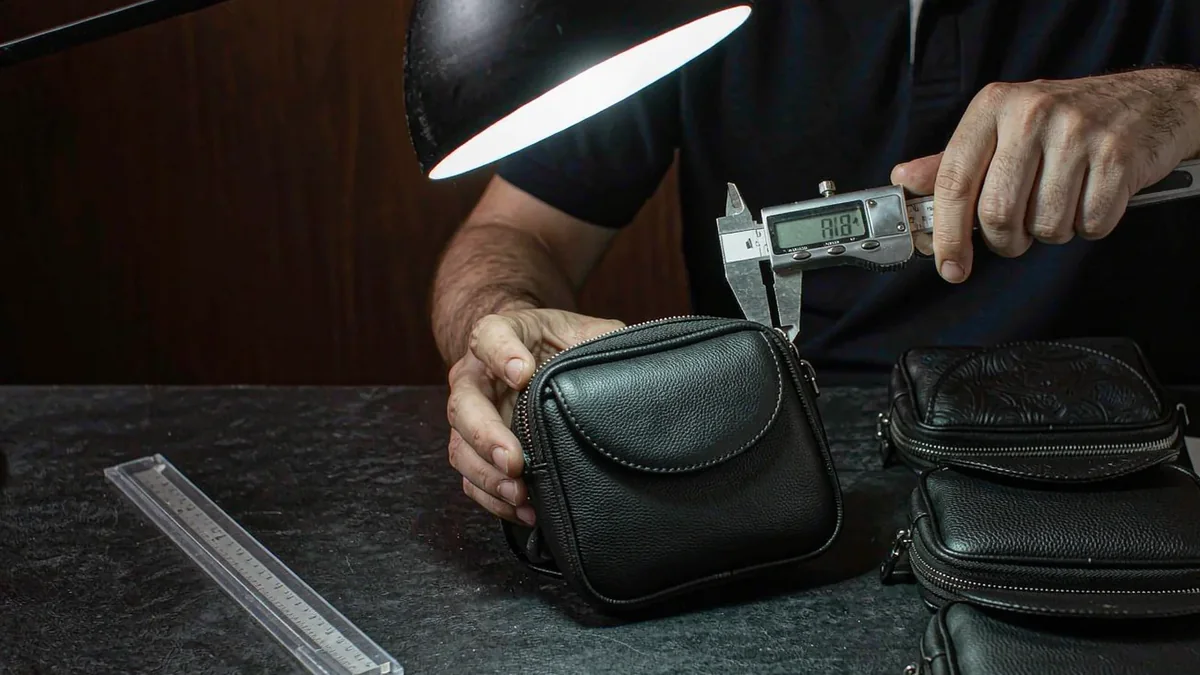
Testing Weight and Structure Before Release
Weight and structure are tested as a pair, because a body that hits its target weight can still fail structurally. Five checks cover the ground, and each produces a number that can be compared across lots.
- Weigh five units from the beginning, middle and end of the lot and hold the spread to ±5%.
- Apply 15 kg to the handle for 500 cycles and inspect for permanent deformation.
- Stand the empty body on a level surface and check that it sits square on all four feet.
- Cycle the closure 500 times and confirm the two halves still meet without force.
- Record the weighed figure and the retained sample against the lot reference for re-orders.
The second check is the one most often skipped and the one that produces the most complaints in the second year. A handle that has stretched permanently has not failed at intake, because nothing at intake measures it.
Run the same five against the approved sample rather than against the drawing. A bulk lot can pass every check and still not match the sample that was signed off, and the sample is what the buyer agreed to, so it is the reference that decides whether the lot is released.
Writing Weight Into the Specification
Weight belongs on the specification sheet as a target with a tolerance, alongside substance and hardware mass. A drawing that records only dimensions leaves the heaviest variable in the piece entirely unmanaged.
Eight lines before you sign a weight and structure specification
- Target empty weight in grams, with a ±5% tolerance across the lot.
- Shell substance by panel: full on the body, skived at the gusset and flap.
- Base stiffener thickness and coverage area, sized to the base panel.
- Handle substance and construction, single ply or laminated.
- Handle load test: 15 kg for 500 cycles with no permanent deformation.
- Hardware mass recorded per component, with the base metal named.
- Foot height and position, set at the four corners of the base panel.
- Weighing protocol: five units per lot, figures held against the lot reference.
Our programme works to MOQ 500 pcs per style and colourway, with sampling at 6-10 working days and 12-15 for a complex construction, bulk at 35-50 days on FOB Xiamen terms, inspected to AQL 2.5 under ISO 2859-1. It runs across 7 production lines with about 200,000 pcs per month of capacity and export experience since 2014, delivered through our validated partner factory Quanzhou Yingming Bags, an SGS-validated site. The material framework sits under luxury materials and the bench detail under craftsmanship.
Send the drawing and we will weigh it
Tell us the silhouette, the leather and the hardware you have in mind. We will return a weight estimate by element, the substance plan by panel and a sampling calendar, within two working days. Request a quote.
Frequently Asked Questions
How heavy should a luxury leather handbag be?
A medium structured tote lands at 620-890 g empty, held to ±5% across a lot. Smaller top-handle bodies sit lower, around 480-620 g, and larger travel pieces run higher. The figure matters less than the tolerance: a body that varies more than 5% across a lot feels inconsistent on the shelf.
What is the biggest lever on handbag weight?
Shell substance. Moving a calfskin shell from 1.4 mm to 1.1 mm removes roughly 18-20% of shell mass, and it also removes the ability of the body to stand unaided. The lever that works without that cost is graded substance: full on the panels, skived at the folds.
How do you make a bag lighter without losing structure?
Buy structure with interlining rather than with leather. A 0.8-1.0 mm stiffener sized to the base panel plus a 0.3-0.4 mm non-woven behind a facing holds a silhouette at a lower total mass than the same body cut throughout at 1.6 mm.
Why does my bag tip forward when it is put down?
Because the mass sits too high. Weight at the mouth is felt as forward pull, while weight at the base is felt as stability. Move hardware mass down, limit heavy components at the top line, and add the stiffener at the base rather than across the body.
How thick should a handle be?
1.8-2.2 mm in a single ply, or two plies laminated at 1.0-1.2 mm each. A handle cut at panel substance stretches under load and does not recover. The attachment is backed at 0.4-0.6 mm inside the body so the pull spreads into the panel rather than into a seam.
What load test should a handle pass?
15 kg applied for 500 cycles, inspected afterwards for permanent deformation. It is the check most often skipped and the one that produces complaints in the second year, because a handle that has stretched permanently shows no fault at intake. Write the figure into the specification, since an unrecorded figure cannot be enforced at intake.
How much does hardware contribute to weight?
Around 12-20% of unit weight on a closure-led design. Solid brass at 8.4 g/cm³ is 25-30% heavier than zamac at 6.6 g/cm³ on the same geometry, so the saving is worth taking on components the hand does not land on. Confirm it at sampling, which runs 6-10 working days, or 12-15 for a complex construction.
Should a handbag have feet on the base?
Yes, on a structured body. Four feet at 4-5 mm set at the corners of the base panel protect the leather where the piece is put down and lift it clear of moisture on a surface. They also define how squarely the body stands. Check it per lot at intake, inspected to AQL 2.5 under ISO 2859-1.
How is weight checked across a production lot?
Weigh five units taken from the beginning, middle and end of the lot and hold the spread to ±5%. Record the figure against the lot reference alongside the retained sample, so a later re-order can be compared rather than merely described. Our programme works to MOQ 500 pcs per style and colourway, with bulk at 35-50 days.
Does a heavier lining make a bag feel more expensive?
Not reliably. A heavier lining adds mass without adding perceived quality, and it is felt as bulk at the mouth. Specify the lining to its duty: 0.6-0.8 mm suede or 180-220 gsm twill rather than the heaviest option available. Keep the result with the retained sample so a re-order can be checked against it.
What tolerance should a specification allow on weight?
±5% across a lot, measured on five units. A wider tolerance permits a body that drifts heavier through the run as adhesive coats and interlining coverage creep up, which is exactly how a bulk lot ends up heavier than the approved sample. Agree the detail before the order is placed and hold it across the life of the style.
How does structure affect the sampling calendar?
A structurally complex body with a stiffened base, a laminated handle and a bespoke closure samples at 12-15 working days rather than the 6-10 quoted for a simple construction. Bulk then runs 35-50 days on FOB Xiamen terms. Write the figure into the specification, since an unrecorded figure cannot be enforced at intake.
People Also Ask
Why does my handbag feel heavier than it looks?
Because the mass sits high or in the handle. Weight at the mouth and in the handle is felt directly, while weight at the base reads as stability. Moving hardware mass down changes how heavy a piece feels without changing the scale.
Is a heavier handbag better quality?
No. Weight comes from substance, hardware density and interlining coverage, none of which indicates quality on its own. A well-specified body at 620 g with a stiffened base outperforms a heavy body whose mass is simply more leather everywhere.
How do you stop a leather bag losing its shape?
Give the shape to a stiffener rather than to the leather. A 0.8-1.0 mm base stiffener plus a non-woven behind the facing holds a silhouette through a season, where extra substance alone slumps as the leather relaxes.
What stitch density should a load-bearing seam use?
6-7 stitches per inch at a handle attachment, with a bar tack at the load point and 0.4-0.6 mm backing inside the body. Denser stitching on a structural seam perforates the leather without adding strength.
When should a body be graded by substance?
At the drawing stage, before the first sample. Graded substance means full substance on shape-carrying panels and skived substance at folds, and it cannot be retrofitted once the pattern has been cut and approved.
Sources and further reading
Every figure on this page is either our own programme data or attributed below. Open the originals before you write them into a specification.
- ISO — International Organization for StandardizationISO Publisher of ISO 3376 on tensile strength, ISO 2589 on leather thickness and ISO 2859-1 on sampling procedures.
- Leather Working GroupLeather Working Group Tannery audit protocol covering the substance controls and hide records behind consistent leather delivery.
- ECHA — European Chemicals AgencyEuropean Chemicals Agency Administrator of REACH, including the Annex XVII restrictions applying to substances in leather and metal components.
- Institute of Materials, Minerals and MiningIOM3 Reference data on metal densities and alloy specifications used when comparing brass and zamac hardware mass.
- Sourcing JournalSourcing Journal Reporting on material availability, hardware sourcing and the specification practices of luxury accessories labels.