Luxury Leather Handbag Color Consistency Explained: Dye Lots, Tolerance and Cost
What does color consistency mean on a luxury leather handbag programme, and what does inconsistency cost? It comes down to four numbers: how many units a dye lot covers, how far panels on one body may differ, how far one lot may differ from the sealed reference, and what share of a delivery fails. Panel-to-panel tolerance is usually held at delta E 0.8 and lot-to-lot at delta E 1.5. This guide works the arithmetic first, then the five points where drift enters.
The Four Numbers That Govern Color Consistency
Color consistency is not an aesthetic preference; it is a measurement discipline with four figures attached. The first is lot size, the number of units a single dye batch covers. The second is panel tolerance, how far two panels on the same body may differ. The third is lot tolerance, how far a delivery may sit from the sealed reference. The fourth is the failure rate, the share of a delivery that breaches either tolerance.
Everything else in this subject is commentary on those four. A house that quotes a price without quoting a lot size is making a promise it has not costed. A house that promises consistency without stating a tolerance has nothing to inspect against. Start with the numbers and the vocabulary settles itself, because the argument about whether a delivery matches becomes a measurement rather than an opinion.
- Lot size
- The unit count a single dye batch covers; declared before booking
- Panel tolerance
- Delta E 0.8 between any two panels on one body
- Lot tolerance
- Delta E 1.5 against the sealed reference under D65
- Viewing condition
- D65-equivalent source, fixed distance, fixed angle, matte surround
- Instrument geometry
- One geometry declared and used for the whole season
- Failure allowance
- Counted as a major defect under AQL 2.5, ISO 2859-1
- Re-order rule
- Reference retained and re-measured before a repeat booking
- Reformulation notice
- Advance notice from the tannery before any dye system change
Lot Size Arithmetic: Why 300 Units Behave Differently From 3,000
A dye lot is a physical event: a vessel, a recipe, a quantity of raw material and a moment in time. It produces a finite quantity of leather. Once that quantity is cut, the next lot is a different event with a different result, however carefully it is repeated. This is why the first question on a color enquiry is not what does it cost, but how many units does one lot cover.
Below roughly a few hundred units in a single colourway, the whole run usually sits inside one lot and consistency is straightforward. Above that, the run crosses a lot boundary, and every crossing is a risk that has to be managed deliberately: either the delivery is shade-banded so each lot is used on complete bodies, or the tolerance is widened and the client is told. Both are legitimate; discovering the boundary after cutting is not.
| Run size in one colourway | Likely lot structure | What has to be planned |
|---|---|---|
| Single lot, small run | One batch covers the run | Seal the reference, no banding needed |
| Two lots, medium run | Batch change partway through | Shade-band so each body stays inside one lot |
| Three or more lots | Multiple boundaries in one delivery | Band, label by shade band, and pack by band |
| Re-order after a season | New batches against an aged reference | Re-measure the reference before booking |
| Multi-market drop | Same colourway into different retail lighting | Check under the lighting of each market |
Where Drift Enters: Five Points in the Chain
Drift is cumulative, and it enters at five identifiable points. The raw material absorbs dye differently by batch. The dye recipe itself is weighed and can be reformulated. The finish stage lays a film whose thickness changes perceived depth. The cutting stage mixes hides from different batches. And the packing stage puts two bodies of different shade into the same carton. Each is small; together they are the whole problem.
Raw material
Fullness and grain density change how much dye a hide drinks, so two hides in one vessel can finish differently. Sorting before dyeing reduces the spread more than any later control.
Recipe and weighing
A dye recipe is a set of weighed components. Small weighing variation is normal; a reformulation without notice is not, which is why notice is a contract line.
Finish film
A thicker top coat reads deeper and darker. Gloss level alone can move perceived colour more than the dye does, so finish thickness belongs in the specification.
Cutting and bundling
Hides from different batches reach the cutting table together unless they are kept apart. Bundling by shade band is the least costly control in the whole chain.
Packing and dispatch
Two bodies of different shade in one carton guarantees a shop-floor complaint. Packing by shade band costs nothing and prevents most of them.
Zone Tolerance: Which Panels May Differ and By How Much
Not every panel carries the same weight. A front panel and a flap sit in the same field of view and must agree closely. A base, an interior gusset or a strap underside is seen in a different light, at a different angle, and can be allowed a wider band. Writing one tolerance across the whole body is the most common over-specification in the trade, and it raises cost without raising perceived quality.
- Front panel and flap: the tightest band, typically delta E 0.8 or closer.
- Gusset and side panels: slightly wider, judged in the assembled body rather than flat.
- Base and underside: widest band, since it is never seen beside the front panel.
- Straps and handles: judged as a pair, since two straps are compared directly.
- Interior lining: judged on its own, against the lining reference rather than the outer.
Write the zones into the specification with a band against each one. It takes half a page and it converts the most subjective argument in the trade into a two-minute check at the bench. It also gives the tannery room to place its best material where it matters and its second-best where nobody will ever compare.
Sorting and Shade Banding: The Operation Nobody Pays For
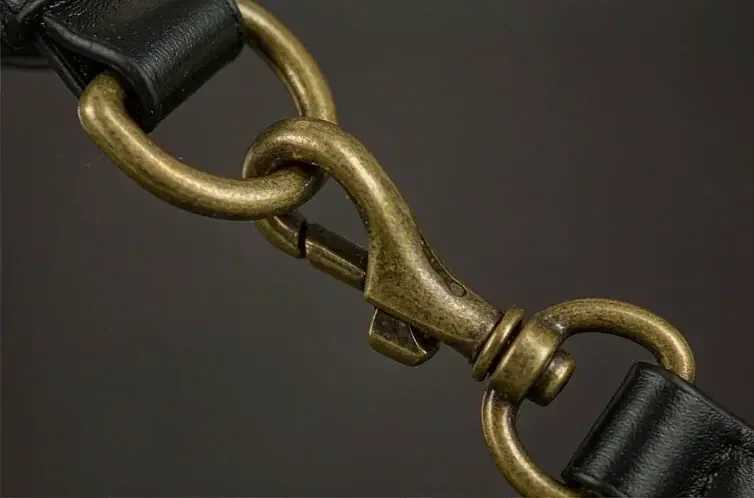
Shade banding is the practice of sorting cut panels into two or three groups by measured shade, then assembling bodies entirely within one group. It is the single most effective control available and the one most often skipped, because it is an operation rather than a specification. It costs a little handling time at the cutting table and it removes most shop-floor complaints at a stroke.
Banding also solves the lot boundary problem in a way no tolerance can. If a delivery crosses two lots, banding means no body carries panels from both. The client receives bodies that are internally consistent and separated by band on the packing list, and a boutique can display one band together without visible variation across the shelf.
What a Drifted Delivery Costs: The Arithmetic
Take a delivery of 2,000 units in one colourway where 6% of bodies fall outside the panel tolerance. That is 120 bodies. If the failure is detected at final inspection, those 120 are already assembled, already trimmed and already packed, so recovery means either re-making them from reserved material or accepting a claim. If it is detected at the panel stage before assembly, the same 120 cost material and cutting time only.
The cost rule
- A mismatch found at panel stage costs material and cutting time.
- The same mismatch found after assembly costs the complete unit.
- Found at the boutique, it also costs the relationship and the return freight.
- Inspection before assembly is therefore worth more than inspection after it.
- Reserve material against every booking so a re-cut is possible at all.
Judging Color Where It Is Sold, Not Where It Is Made
A bench light and a boutique light are different instruments. Retail lighting is warm, directional and often mixed with daylight from a window, and a pair that agrees under D65 can diverge under it. That divergence is metamerism, and it is not a defect in the leather; it is a property of the dye formulation meeting a specific spectrum. The practical response is to check the approved reference under the lighting of the market as well as under D65.
Ask for a two-light check at approval: the standard source for measurement, and a warm retail source for judgement. If the two disagree, the dye formulation needs adjusting rather than the tolerance. A formulation that holds across both is worth more to a brand than a formulation that holds perfectly under only one, because no client ever buys the bag under the bench light.
Writing the Color Clause: Numbers, Not Adjectives
A color clause needs six lines: the sealed reference and where it is held; the instrument geometry and light source; the panel tolerance and the lot tolerance; the zone bands; the shade banding requirement; and the reformulation notice period. Adjectives such as rich, warm or deep do not belong on it, because they cannot be measured and they will be interpreted differently by the next person to read the file.
How Consistency Reaches the Programme Clock
None of this changes the programme terms. MOQ is 500 pcs per style and colourway, sampling runs 6-10 working days and 12-15 for a complex construction, bulk runs 35-50 days on FOB Xiamen terms, inspection is AQL 2.5 under ISO 2859-1 with colour counted as a major defect, and the base reference unit is USD 4.80 before material. What changes is how much of that bulk is sellable on arrival.
Capacity behind it runs across 7 production lines at about 200,000 pcs per month with export experience since 2014, delivered through our validated partner factory Quanzhou Yingming Bags. For a colour-critical programme, the useful addition is a retained reference held on both sides and a re-measurement before any repeat booking, because a reference stored in a drawer for a year is no longer the reference it was.
Running a colour-critical colourway?
Send the shade reference, the run size per colourway and the destination markets. We will return a lot plan, tolerance bands and a banding proposal. Request a quotation
Frequently Asked Questions
What is an acceptable colour tolerance for a luxury leather handbag?
Two tolerances, not one. Panel-to-panel on a single body is usually held at delta E 0.8 or closer, because adjacent panels are compared directly by eye. Lot-to-lot against the sealed reference is usually held at delta E 1.5. Write both, name the light source, and state the instrument geometry used.
What is a dye lot and why does it matter?
A dye lot is one production event: a vessel, a weighed recipe and a quantity of raw material. It yields a finite amount of leather. Once it is cut, the next lot is a different event with a slightly different result, so the practical question on any enquiry is how many units one lot covers before booking.
How many units does one dye lot usually cover?
It depends on the article, the colourway and the vessel, so the figure has to be declared by the tannery for your specific booking rather than assumed. Once declared, plan the run around it: shade-band so that no body crosses a boundary, or widen the tolerance knowingly and tell the client.
What causes colour variation between leather panels?
Five points in the chain: raw material absorbing dye differently by batch, weighing variation or reformulation in the recipe, finish film thickness changing perceived depth, hides from different batches reaching the cutting table together, and mixed shades packed into one carton. Each is small; together they account for nearly every complaint.
Is shade banding worth the extra handling?
Yes, and by a wide margin. Sorting cut panels into two or three measured groups and assembling bodies within one group removes most shop-floor complaints for the cost of a little handling at the cutting table. It also solves lot boundaries in a way no tolerance can, since no body then carries panels from two lots.
Should every panel on a bag have the same tolerance?
No. Front panel and flap sit in one field of view and need the tightest band. Base, underside and interior gusset can be allowed a wider band because nobody compares them against the front panel. Writing one tolerance across the whole body raises cost without raising perceived quality.
How should colour be checked before shipment?
Panels should be measured and viewed side by side under a D65-equivalent source at a fixed distance against the sealed reference, with the instrument geometry declared. Colour deviation is then counted as a major defect under AQL 2.5 following ISO 2859-1, which scales the acceptance number with the delivery.
What is metamerism and does it affect leather bags?
It is the property of two samples matching under one light and diverging under another, caused by the dye formulation meeting a specific spectrum. It is not a defect in the leather. Check the approved reference under both a standard source and the warm retail lighting of the destination market before approval.
When is the best point to catch a colour mismatch?
At panel stage, before assembly. A mismatch found then costs material and cutting time; the same mismatch found after assembly costs a complete unit, including trim and labour; found at the boutique it also costs the relationship and return freight. Reserve material so a re-cut is possible.
How is colour consistency maintained on a re-order?
By re-measuring the retained reference before booking rather than trusting the one in the drawer. Dyes, fatliquors and finish systems age and are occasionally reformulated. A re-measurement is quick, and it is the only way to know whether the reference still describes what the tannery can make.
What should a colour clause in a specification contain?
Six lines: the sealed reference and who holds it, the instrument geometry and light source, the panel tolerance and the lot tolerance, the zone bands, the shade banding requirement, and the reformulation notice period. Adjectives such as rich or warm should be left out, because they cannot be measured.
Does a lighter or darker colourway change the tolerance?
Yes. Pale colourways show proportionally more variation to the eye because there is less pigment masking the natural base shade, so they usually need a tighter band and more careful sorting. Deep or saturated colourways hide more variation and can usually be run on the standard bands.
How does gloss level affect perceived colour?
Substantially. A thicker finish film reads deeper and darker, so two panels dyed identically can look different because one was finished heavier. Finish thickness and gloss level therefore belong in the specification alongside the dye reference, not left to the finisher's judgement.
What is the minimum order for a colour-critical programme?
MOQ is 500 pcs per style and colourway. Because a small colourway may sit inside a single lot, ordering the minimum can actually help colour consistency; the risk rises as the run grows and crosses lot boundaries. Plan the colourway count and the run size together for that reason.
People Also Ask
Why do leather bags of the same colour look different?
Because dye lots are separate events, and hides absorb dye differently by batch. Finish thickness, cutting across batches and mixed packing add to it. Shade banding and a written tolerance keep the differences below the level the eye catches.
What is a delta E in leather colour matching?
A single number expressing the total colour difference between two samples in CIE Lab space. Panel-to-panel is typically held at delta E 0.8 and lot-to-lot at delta E 1.5, measured under a declared light source and geometry.
Can two dye lots be mixed in one delivery?
Yes, provided bodies are assembled within one lot and packed by shade band. Mixing lots across a single body is what produces visible mismatch, not the presence of two lots in the same shipment.
How do you test leather colour fastness?
Light fastness is assessed to ISO 105 and rub fastness to ISO 11640, with results recorded against the sealed reference. Colour difference itself is measured instrumentally and confirmed by eye under a D65-equivalent source.
Does exotic leather hold colour as consistently as calf?
Less so. Scale and quill surfaces take dye unevenly by nature, so exotic articles usually need a wider tolerance and heavier shade banding. Flat uniform colourways fight the material; shaded or antiqued finishes flatter it.
Sources and further reading
Every figure on this page is either our own programme data or attributed below. Open the originals before you write them into a specification.
- CIE — international commission on illuminationCIE Defines the CIE Lab colour space and the D65 standard illuminant used when a leather colour match is measured and judged.
- ISO — international standardsISO Publisher of ISO 105 for colour fastness and ISO 2859-1 for the AQL 2.5 sampling applied to a colour-critical delivery.
- Leather Working Group — tannery audit protocolLeather Working Group The audit framework covering the dye house and finish stage where most measurable colour drift originates.
- SATRA — leather and materials testingSATRA Independent testing body whose colour fastness and rub fastness methods are widely referenced in leather specifications.