Luxury Bag Brand: Influencer vs Editorial Strategy — Where the First Year of Spend Belongs
Should a debut luxury bag brand spend its first season on influencer seeding or on editorial press? Editorial first, in nearly every case: a title with a 3-4 month lead time and a 6-8 week embargo produces a third-party credential that stays in search for years, while creator content arrives in 10-14 days and decays in 48-72 hours. The working split for year one is 60% editorial and trade relationships, 40% creators and owned content, shifting toward creators only after the second drop.
What Each Channel Actually Buys You
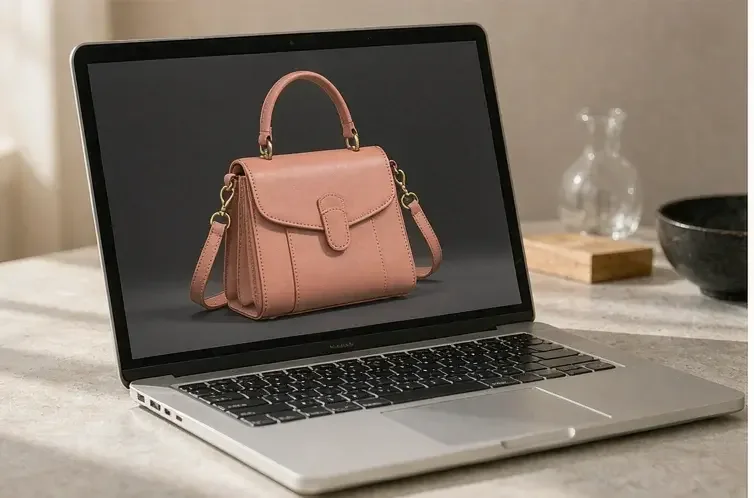
Editorial buys third-party selection. When an editor lifts one top-handle out of forty submissions and photographs it for a trend page, the house inherits a judgement it did not pay for. That judgement is the only marketing asset in luxury that cannot be produced internally, and it is the reason a printed mention still outperforms a paid post at the same reach. The cost is time and loss of control: you cannot choose the frame, the caption or the date.
Creator seeding buys speed, motion and fit education. A handbag is a three-dimensional object with a strap drop, a gusset and a closure that all behave differently on a body; a 20-second vertical clip answers questions a still image cannot. Seeding also buys regional reach that a single title cannot. The cost is decay: a story expires in 24 hours, a feed post loses most of its reach inside 72 hours, and neither leaves a durable artefact behind.
Neither channel sells the bag on its own. What both produce is a sample request, a stockist enquiry or a saved image, and the only honest way to compare them is to count those three outcomes per unit of spend. Everything else — impressions, likes, share of voice — is diagnostic rather than decisive.
The Comparison Matrix: Eleven Lines for One Decision
Read the matrix as a procurement document rather than a marketing one. Each line is a variable you can put a number on before committing a season, and each line changes the production calendar downstream. A house that chooses editorial is committing to samples roughly five months before on-sale date; a house that chooses creators is committing to samples roughly six weeks before on-sale date.
| Variable | Editorial press | Creator seeding |
|---|---|---|
| Time to first asset | 3-4 months from pitch to publication | 10-14 days from ship to post |
| Shelf life | 24-36 months in search and archives | 48-72 hours in feed, 24 hours in stories |
| Who selects you | The editor, from a competitive set | You, through the seeding list |
| Unit cost shape | 6 sample bags per title, returnable | 30-40 seeded addresses, gifted |
| Control of the frame | Low — the title owns the image | Moderate — a brief sets boundaries |
| Effect on price integrity | Reinforces it | Erodes it if paired with codes |
| Asset produced | Dated mention, reusable quote, 300 dpi still | Vertical clip, fit and hardware in motion |
| Best-fit stage | Pre-launch through second season | Third season onward |
| Dependency | Editorial calendar, outside your control | Platform algorithm, outside your control |
| Measurement | Clipped mentions, referral sessions, stockist enquiries | Saves, tagged-link sessions, sample requests |
| Failure mode | Silence — the pitch simply is not taken | Volume without qualification |
Lead Time Decides More Than Spend Does
Lead time is the variable that actually kills launches. A monthly title works 3-4 months ahead, and its accessories pages are often closed two months before print. If the first production run is not finished, inspected and packed by then, there is no sample to photograph and the pitch fails for reasons that have nothing to do with design quality. The house that plans the press calendar first and the production calendar second almost always misses its own launch window.
Work the sequence backwards from on-sale date. Sampling closes in 6-10 working days and bulk production runs 35-50 days at 500 pcs per style and colourway, so a press sample that must be in an editor's hands at T-90 has to be ordered at T-150 at the latest. Add shipping, customs handling and a reshoot allowance and the honest figure is T-165. Teams that discover this in month three end up photographing a pre-production sample and shipping a bag that does not match the one on sale.
Creator-led calendars compress the same chain to about 45 days, which is why they are so tempting to a founder watching a cash position. The compression is real, but it buys a launch with no durable artefact behind it and no third-party credential to point a stockist toward. The compromise used by most debut houses is a two-track calendar: one early sample set for press, one later set for creators, both cut from the same production run.
The Press Calendar, Written Backwards From On-Sale Date
- T-180 days
- Design freeze: silhouette, leather grade, hardware finish and colourway count signed off
- T-165 days
- Press and creator sample sets ordered against the first production run
- T-150 days
- Sampling round opens; 6-10 working days for standard builds, 12-15 for complex
- T-115 days
- Bulk production window opens; 35-50 days at 500 pcs per style and colourway
- T-100 days
- Press images shot at 300 dpi, 4,200 px on the long edge
- T-90 days
- Sample sets in editors' hands; 3-4 month lead time starts here
- T-60 days
- Bulk completes; inspection at AQL 2.5 under ISO 2859-1
- T-45 days
- Embargo confirmed in writing; 6-8 weeks is the standard window
- T-14 days
- Vertical cuts delivered to seeded creators: 1,080 x 1,920 px
- T-0
- On-sale date; embargo lifts
What Goes Into a Press Sample Kit
A press kit is a logistics object before it is a marketing one. It has to survive a courier network, open cleanly on a desk, and tell an editor what the object is without a phone call. Six pieces per title is the working number: one hero in the colourway you want photographed, two alternates in case the set clashes, and three reserves held back for the second wave of interest that follows the first mention.
- Pieces per title per season
- 6 — one hero, two alternates, three reserve
- Return window
- 30 days from receipt, prepaid label inside the lid
- Shipped weight per bag
- 1.4 kg including rigid box, dust bag and protective wrap
- Outer carton
- Double-wall, 5-ply, with a corner-crush rating marked on the face
- Enclosed documents
- Specification card, care card, price line, and a one-paragraph house note
- Image licence
- 300 dpi stills supplied for editorial use with a credit line required
- Tracking
- Signature on delivery; a bag that goes missing costs a placement
Editorial Rules That Are Not Negotiable
Editors work to rules that exist to protect the title, not to inconvenience the brand. Breaking them does not get you a better placement; it gets you dropped from the next call-out. These are the ones a debut house most often learns the hard way, and each of them costs a season when broken.
- Honour the exclusive. If a title has first look, the 6-8 week embargo runs from the day the sample lands, not from the day you decide to post.
- Never attach a code, an affiliate link or a tagged product to a placement. Editorial coverage is not a performance channel and treating it as one ends the relationship.
- Supply images at 300 dpi with a 4,200 px long edge, on white and on a second neutral ground, within 48 hours of request.
- Do not ask to approve copy or to see the layout before print. You may correct a factual error on price, leather name or dimensions.
- Return calls inside one working day. A slow brand is a brand the editor will not risk a deadline on next season.
- Ship complete kits only. A bag arriving without its dust bag reads as unfinished, and the photograph will show it.
Where Creator Seeding Genuinely Wins
There are four jobs creators do better than any title, and a house that ignores them loses real ground. The strongest is motion: hardware is the element buyers most want to see working, and a turn-lock closing under a thumb in a 9:16 clip does more than a lit still. The second is fit, meaning strap drop, gusset behaviour and how the bag sits against a coat. The third is cadence, because a creator can post across a season while a title publishes once. The fourth is geography, where a regional creator reaches a city a national title covers poorly.
Hardware in motion
A 9:16 clip showing a turn-lock, a zip run and a feet set answers the question buyers actually ask. Supply 1,080 x 1,920 px cuts and a clean audio bed.
Fit and proportion
Strap drop, gusset depth and how the silhouette reads on a body are near-impossible to judge from a flat lay. Two creators of different heights cover it.
Season-long cadence
Four posts across 12 weeks outperform one launch-day burst. Brief a cadence, not a single asset, and hold the frame consistent so the line reads as one collection.
City-level reach
A creator with 40,000 regional followers often converts more stockist enquiries than a national mention, because the reader can visit the door.
The Year-One Split by Brand Stage
The right split is not fixed; it moves as the house accumulates proof. In the twelve months before launch, editorial and trade relationships should absorb most of the effort, because there is nothing to sell yet and everything to establish. By the third drop, the credential exists and creators become the cheaper way to sustain attention between collections.
| Stage | Editorial and trade | Creators | Owned content |
|---|---|---|---|
| Pre-launch, T-6 to T-0 months | 60% | 15% | 25% |
| First drop, months 0-6 | 50% | 25% | 25% |
| Second drop, months 6-12 | 40% | 35% | 25% |
| Third drop onward | 30% | 45% | 25% |
| Mature house, 3+ seasons | 25% | 45% | 30% |
Owned content deserves more attention than most debut houses give it. A specification page, a leather glossary and a properly photographed product record are read by buyers, stockists and editors alike, and they are the assets that keep producing enquiries after the campaign has ended. Every placement, paid or earned, should end on a page you own.
What to Count in Each Channel
Six numbers, reviewed monthly
- For editorial, count clipped mentions per season, referral sessions per placement and stockist enquiries naming the title. For creators, count saves per 1,000 views, tagged-link sessions and sample requests carrying a quantity. Both channels should be judged on one shared figure: qualified enquiries per 10,000 sessions, working at 18-24 for a debut house. Judge creator work on saves rather than views, and editorial on referral sessions rather than circulation.
The discipline that matters is refusing to mix the two scorecards. Circulation numbers flatter editorial and hide the fact that nobody clicked; view counts flatter creators and hide the fact that nobody saved. One shared denominator — a qualified enquiry carrying a quantity, a season and a specification — makes the comparison honest, and it is the same figure that tells you whether to renew a contract.
Shoot Once, Cut Twice: One Asset Set for Both Channels
A press shoot and a creator shoot are not two shoots. They are one studio day with two delivery specifications, and treating them separately is the single most common line-item waste in a debut season. Book a single day, light the bag once, and deliver two masters: a 300 dpi still at a 4,200 px long edge for press, and a vertical 1,080 x 1,920 px cut with the hardware worked for creators.
The saving is not only financial. A single shoot guarantees that the bag an editor photographs and the bag a creator films are the same object in the same colourway, with the same edge finish and the same hardware tone. When the two channels are shot a month apart from different sample batches, the discrepancies surface in comments and in returns, and the house spends the season explaining them.
How the Press Calendar Locks the Production Calendar
Marketing dates are production dates wearing a different label. A promise of editorial coverage in a March issue is a promise that bulk production completed in December, that leather was booked in September and that the sampling round closed in August. A house that publishes a marketing calendar without checking it against 35-50 days of bulk time and a 500 pcs per style and colourway minimum has written a plan it cannot deliver.
Sampling at 6-10 working days is fast enough that founders assume bulk is too. It is not: bulk runs 35-50 days, inspection at AQL 2.5 under ISO 2859-1 follows, and FOB Xiamen terms add booking and transit. Confirm all three before you promise a title an on-sale date.
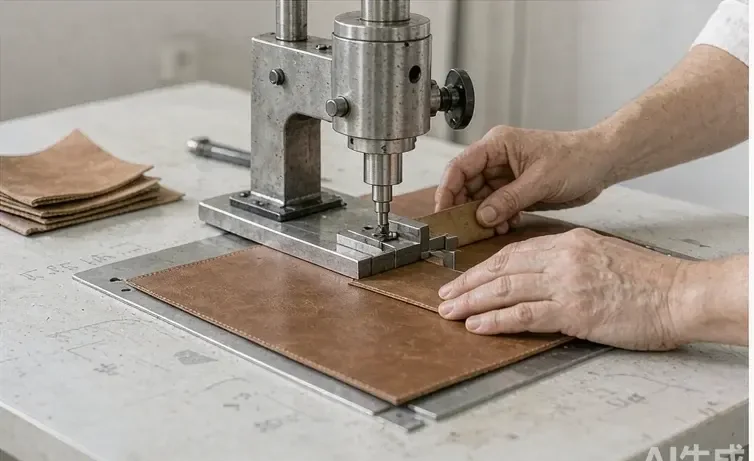
The practical fix is a single calendar with two colours of ink: one for marketing, one for production, reviewed together every fortnight. Where the two colours conflict, the marketing date moves. It is the marketing date that is negotiable; leather booking, tanning time and inspection windows are not.
Where to Start With One Season and One Drop
If you have one season, one silhouette family and one drop, the sequence is short. Freeze the design, book the leather, order a combined press and creator sample set, and pitch three titles rather than thirty. Three placements with real selection behind them will do more for the first sell-through than three hundred posts, and they will still be readable when the second collection is being costed.
Build the sampling calendar behind your launch
Send the silhouette, leather grade, hardware finish and target on-sale date. Our team returns a sampling plan at 6-10 working days for standard builds and 12-15 for complex ones, bulk at 35-50 days and 500 pcs per style and colourway, FOB Xiamen, inspection at AQL 2.5 under ISO 2859-1. Our validated partner factory Quanzhou Yingming Bags runs 7 production lines at about 200,000 pcs per month with export experience since 2014. Start with the quotation desk.
Frequently Asked Questions
Should a new luxury bag brand start with influencer seeding or editorial press?
Editorial first. A placement carries third-party selection, stays readable in search for 24-36 months and gives a stockist something to verify. Creator seeding returns an asset in 10-14 days but decays in 48-72 hours. The working split for a debut house is 60% editorial and trade relationships against 40% creators and owned content.
How long does editorial press take to appear from the first pitch?
Three to four months is the standard window for monthly titles, and accessories pages often close two months before print. Add sample shipping and image delivery and the honest planning figure is around 165 days from design freeze to a sample landing on an editor's desk at T-90.
What is an embargo and why does it matter for a bag launch?
An embargo is the window in which a title holds its coverage before publication, normally 6-8 weeks from the day the sample arrives. It protects the exclusivity the editor was granted. Breaking it to post your own images costs the placement and usually the relationship for the following season as well.
How many sample bags should a brand send to one title?
Six per title per season is the working number: one hero in the colourway you want photographed, two alternates in case of a set clash, and three reserves for the second wave of interest that follows the first mention. Every piece ships with a prepaid 30-day return label inside the lid.
What resolution do press images need to be?
Deliver 300 dpi with a 4,200 px long edge, supplied on a white ground and on a second neutral ground, within 48 hours of request. Supply a vertical 1,080 x 1,920 px cut separately for creator use. A title will not upscale a web image, and a missing master loses the placement.
How much of a first-season marketing spend should go to creators?
Around 40% in year one, split between creators and owned content, with 60% on editorial and trade relationships. The ratio shifts after the second drop, when the credential exists and creators become the cheaper way to hold attention between collections. Owned content stays near a quarter throughout.
Can a brand ask to approve an editor's copy before publication?
No. Editors do not submit copy for approval, and asking signals an unfamiliarity with how titles work. You may correct factual errors on price, leather name or dimensions, and you should do so promptly and in one message. Everything else, including the frame and the caption, belongs to the title.
Do codes or affiliate links damage a luxury price position?
Yes, when attached to editorial coverage. A placement earns attention through selection; converting it into a tracked performance link removes the selection signal and tells the reader the coverage was bought. Keep codes and tracked links in owned channels and in contracted creator work, and leave earned coverage clean, dated and quotable for years afterwards.
When should a brand pay a creator fee rather than send a gift?
Pay once you are briefing a cadence rather than a single post, or once you need usage rights beyond the creator's own feed. A gifted bag suits a one-off mention. Four posts across 12 weeks, or any paid usage on your own channels, is contracted work and should be paid and licensed.
How far ahead should sampling start if press coverage is the goal?
Order the press and creator sample sets at about T-165 days. Sampling closes in 6-10 working days for standard builds and 12-15 for complex ones, but bulk production runs 35-50 days at 500 pcs per style and colourway, and inspection at AQL 2.5 under ISO 2859-1 follows before packing.
What should a press sample kit include besides the bag?
A rigid box, a dust bag, a specification card with leather name and dimensions, a care card, the price line, and a one-paragraph house note. Ship in a double-wall 5-ply carton with signature on delivery. Shipped weight runs about 1.4 kg per bag once the box and protective wrap are included.
How do you measure editorial coverage in numbers a board will accept?
Count three things per placement: clipped mentions in the season, referral sessions on the landing page the title pointed to, and stockist enquiries naming the title. Circulation is context, not a result. Judge the placement on whether it produced an enquiry carrying a quantity, a season and a specification.
Should a debut house work with one large creator or thirty small ones?
Thirty small ones, in most cases. A debut house needs breadth of proof more than a single spike, and thirty regional creators produce fit and hardware footage in varied contexts. Move to one larger partnership once the line has a credential behind it and you are buying sustained attention, not discovery.
What production figures should a brand confirm before promising a launch date?
Confirm four: sampling at 6-10 working days or 12-15 for complex builds, bulk at 35-50 days, the 500 pcs per style and colourway minimum, and inspection at AQL 2.5 under ISO 2859-1. Add booking and transit under FOB Xiamen terms before the date goes to a title or a stockist.
People Also Ask
Is editorial press still worth it for a small luxury bag brand?
Yes, because it is the only credential you cannot produce internally. One placement stays readable for 24-36 months and gives stockists third-party proof. Plan the calendar instead: 3-4 months of lead, samples shipped at T-90.
How many followers does a creator need to matter for a handbag launch?
Reach matters less than fit. A creator with 40,000 regional followers who films hardware and strap drop often produces more qualified enquiries than a national account, because the audience can visit a door.
Can one studio day serve both press and creators?
Yes. Light the bag once and deliver two masters: a 300 dpi still at a 4,200 px long edge for press, and a 1,080 x 1,920 px vertical cut with the hardware worked for creators.
What happens if a press sample is lost in transit?
Ship with signature on delivery and hold three reserve pieces per title. A lost sample costs more than the bag: it costs the placement, and the title will not reopen the page that season.
Should a launch date move to fit press or production?
The marketing date moves. Leather booking, tanning time and inspection windows are fixed; a launch date is not. Put press and production milestones on one calendar and resolve conflicts in favour of production.
Sources and further reading
Every figure on this page is either our own programme data or attributed below. Open the originals before you write them into a specification.
- ISO — International StandardsInternational Organization for Standardization Publisher of ISO 2859-1, the sampling procedure referenced whenever a quotation states AQL 2.5 inspection.
- Business of FashionBusiness of Fashion Trade reporting used to benchmark how houses sequence press, drops and seasonal calendars.
- WWDWWD Accessories trade coverage used for context on editorial lead times and launch timing in the sector.
- Sourcing JournalSourcing Journal Reporting on sampling rounds, lead times and order patterns across the premium accessories sector.
- Leather Working GroupLeather Working Group Tannery audit programme referenced when a house documents the provenance of its leather grades in press materials.