Brand Identity for Luxury Handbag Lines: The Mark, the Four Surfaces and the Millimetres Behind a Recognisable House
A line identity costs 3-5% of landed cost and is decided in millimetres. The four surfaces are the interior stamp, the cast closure, the printed set and the outer carton, and each has a number attached: a blind deboss at 0.3-0.4 mm depth, a cast relief of 1.2 mm on the mould, a foil applied at 110-130 °C and a minimum letter height of 2.8 mm. The variables that move the bill are the mould, the foil area and the number of surfaces carrying the mark. At 500 pcs per style and colourway the tooling spreads across a genuine run, and the mark becomes the least costly asset a house owns.
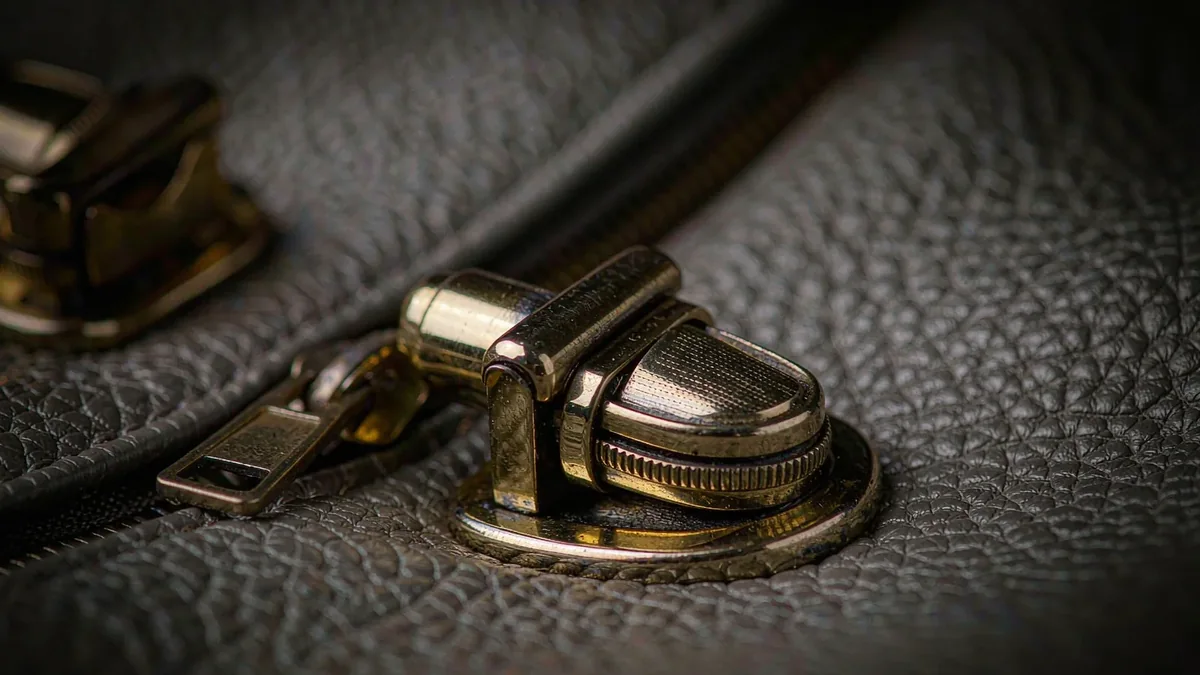
What Identity Costs, and Where It Goes
Line identity at this level is a small line on the cost sheet and a large one on the object. It accounts for about 3-5% of landed cost, and it divides into four places: the tooling for a cast mark, the foil and deboss work on the leather and the lining, the printed set of card and carton, and the artwork that precedes all three. Only the first is a real capital item, and only the first is held against the house.
The order in which that money is spent is what separates an identity from a decoration. The cast closure is paid for first, because it is the only element that appears on every unit, in every photograph and in every re-order. The printed set is paid for last, because it is the only one that can be changed between drops without touching the object.
The Variables That Move the Identity Bill
Three variables move the figure, and only one of them should. The mould for a cast mark is the one worth paying for, and it takes 10-15 working days to cut. The foil area is the one to watch, because a large stamp costs more per unit and is the first thing to look wrong at the edge. The number of surfaces carrying the mark is the one that creeps, since every additional surface adds a unit cost that never goes away.
- Cast relief
- 1.2 mm raised on the mould, brass or zamak, held against the house
- Blind deboss
- 0.3-0.4 mm depth into full grain, no foil, no pigment
- Foil stamp
- Applied at 110-130 °C with a 1.5 mm minimum stroke width
- Letter height
- 2.8 mm minimum for legibility at arm's length
- Plating
- 0.15-0.3 µm from a single recorded bath, sealed
- Printed set
- Two inks maximum across card, dust bag and carton
- Identity share
- About 3-5% of landed cost, tooling included
The third line is where most identity work fails. A mark drawn at 0.8 mm stroke width will fill in during foil application and read as a blob at any temperature, while a letter height below 2.8 mm becomes illegible the moment the stamp sits inside a lining fold. Draw the mark at the size it will be made, not at the size it will be approved.
The Four Surfaces, Item by Item
| Surface | What it carries | The number that governs it | What it costs to change |
|---|---|---|---|
| Cast closure | The house mark in relief, on every unit | 1.2 mm relief; plating 0.15-0.3 µm | A new mould; not worth doing often |
| Interior stamp | Blind deboss with a month mark | 0.3-0.4 mm depth into full grain | A new die; a few weeks |
| Printed set | Card, dust bag, care covenant | Two inks maximum | A reprint; days and a small fee |
| Outer carton | Foil or blind emboss on board | Foil at 110-130 °C | A reprint; days and a small fee |
The right-hand column is the argument for getting the first two surfaces right early. A cast closure and a deboss die are the only two elements that cannot be changed between drops without a real cost and a real delay. The printed set and the carton can be reprinted in days, and that flexibility is exactly why they should be the last things decided.
Where Identity Meets the Object
A mark only works if the surface under it is specified. A deboss at 0.3-0.4 mm reads cleanly in a body at 1.2-1.4 mm and disappears in one at 0.9-1.1 mm, because the thinner hide springs back and closes the impression. A cast closure sits at an angle to the flap, and if the flap axis is not held within 0.5 mm the mark will not sit square across a run of 500 pieces.
The fourth line is what protects the identity across drops. A foil applied over a hide that has drifted two shades will read as a different mark, so the tolerance on the shade is a tolerance on the brand as much as on the material. That is why the sealed reference carries the material certificates and the plating record together rather than separately.

Type, Colour and the Two-Ink Rule
The printed set is governed by one rule: two inks, maximum, across the card, the dust bag and the carton. A house that uses four inks cannot reprint economically, cannot hold a colour across a reprint and usually ends up with a card that fights the object it accompanies. One ink for the mark, one for the body text, and the board doing the rest of the work.
The type decision is smaller than it feels. A letterform drawn for a carton at 300 mm will not work at 2.8 mm on a deboss, so the mark should be drawn at the smallest size it will ever be made and then scaled up. Houses that design at the large size and shrink afterwards find their counters closing on the leather long before anyone notices on the screen.
Timing Identity Into the Production Calendar
Identity work has to be finished before the sample that will be sealed, and the critical path item is the mould. Cutting a closure mould with a 1.2 mm relief takes 10-15 working days, and the sample cannot be made without it. Houses that leave the mark until after sampling produce a reference carrying a stock fitting, which is a reference nobody should sign.
- Draw the mark at 2.8 mm letter height and a 1.5 mm minimum stroke before anything is plated.
- Cut the closure mould in the 10-15 working days before the first sample round.
- Approve the deboss die on a cutting of the actual hide, not on a swatch card.
- Approve the printed set on the production board, at the production ink coverage.
- Seal the reference with the mould number, the die number and the plating bath written in.
The last item is the one that makes identity durable. A sealed reference recording the mould number, the deboss die number and the plating bath means the third drop carries the same mark as the first, in the same tone, on the same hide. Without those three numbers recorded, identity is rediscovered every season and arrives slightly different each time.
Identity Mistakes That Cost a Drop
- Designing the mark at 40 mm and shrinking it to 2.8 mm, so the counters close on the leather.
- Leaving the closure mould until after sampling, which seals a reference carrying a stock fitting.
- Approving a deboss on a swatch card rather than on a cutting of the production hide.
- Using four inks in the printed set, so a reprint is never quite the same colour.
- Putting the mark on five surfaces, which multiplies a unit cost that never comes back down.
- Failing to record the mould number and the plating bath with the sealed reference.
The first is the commonest and the most expensive to undo, because it is discovered at the sample stage, after the mould has been cut. Redrawing the mark at the size it will be made costs a fortnight and a second cutting; discovering it after the bulk costs the whole drop and the identity that was supposed to last three seasons.
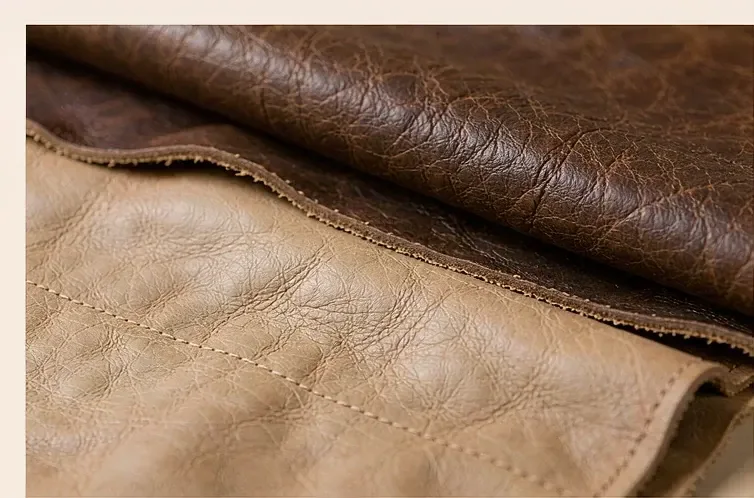
The Figures Behind a Line Identity
- MOQ
- 500 pcs per style and colourway
- Mould for the mark
- 10-15 working days to cut, held against the house
- Sampling
- 6-10 working days, 12-15 for frame or exotic work
- Bulk
- 35-50 days from the approved sample
- Re-order
- 28-35 days against a sealed reference
- Trim set
- About USD 4.80 per piece
- Identity share
- About 3-5% of landed cost, tooling included
- Inspection
- AQL 2.5 under ISO 2859-1
- Incoterm
- FOB Xiamen
Two of those decide whether an identity lasts. The 10-15 working days to cut the mould is the critical path before sampling, and the 28-35 day re-order is what lets a house keep the same mark across a second and third drop. Together they turn a drawing into an asset held against the house rather than a decoration applied to it.
Draw the mark at the size it will be made
If you are fixing the identity for a line and want the surfaces specified, send your mark artwork, target materials and quantity per colourway. Our team will return a surface specification and a tooling schedule through our quotation desk.
How a line identity is held in practice
- Across 7 production lines running about 200,000 pcs per month, our validated partner factory Quanzhou Yingming Bags records the mould number, the deboss die number and the plating bath against the sealed reference, so the third drop carries the same mark as the first. Export experience since 2014, FOB Xiamen and an inspection at AQL 2.5 under ISO 2859-1 sit underneath the identity work.
Frequently Asked Questions
What does brand identity cost for a handbag line?
About 3-5% of landed cost, and the split matters more than the total. The mould for a cast mark is the only real capital item and takes 10-15 working days to cut. The foil area, the number of surfaces carrying the mark and the printed set make up the rest, and the printed set is the only part that can be changed between drops inexpensively.
How deep should a deboss be on leather?
0.3-0.4 mm into a full-grain body of 1.2-1.4 mm. Depth alone is not the whole specification: below 1.0 mm of substance the hide springs back and closes the impression, so a deboss approved on a thick cutting may vanish on the production panel. Approve it on a cutting of the actual hide.
What size should a house mark be drawn at?
At the smallest size it will ever be made, usually a letter height of 2.8 mm on the deboss, then scaled up for the carton. Marks designed at 40 mm and shrunk afterwards close their counters on the leather and have to be redrawn, which costs a fortnight at sample stage and a whole drop after the bulk.
Why put the mark on a cast closure?
Because it is the only surface that appears on every unit, in every photograph and in every re-order, and the only one a competitor cannot buy at the same price. A relief of 1.2 mm cut into a mould held against the house is a recognisable element that also carries identity without a printed logotype.
How long does it take to cut a closure mould?
10-15 working days, and it is the critical path before sampling. A sample cannot carry the house mark until the mould exists, which is why the artwork has to be finished before the first sample round rather than after it. Houses that leave it late seal a reference carrying a stock fitting.
How many inks should a printed identity set use?
Two, maximum, across the material card, the dust bag and the outer carton. One ink for the mark and one for the body text, with the board doing the rest. Four inks cannot be reprinted to the same colour economically, and they usually produce a card that competes with the object it accompanies.
At what temperature is foil applied to leather?
Around 110-130 °C, with a minimum stroke width of 1.5 mm in the artwork. Narrower strokes fill in at any temperature and read as a blob. The temperature and the stroke width belong in the specification together, because a beautiful drawing at 0.8 mm cannot be applied at all.
How is an identity kept identical across drops?
By recording the mould number, the deboss die number and the plating bath with the sealed reference. Those three numbers let the third drop carry the same mark in the same tone on the same hide. Without them, the identity is rediscovered each season and arrives slightly different every time.
Does the leather shade affect how the mark reads?
Yes. Foil applied over a hide that has drifted two shades reads as a different mark, which is why the shade tolerance of ΔE ≤ 1.0 under D65 is a brand control as much as a material one. The sealed reference therefore carries the material certificates and the plating record together.
How many surfaces should carry the mark?
Four at most: the cast closure, the interior stamp, the printed set and the outer carton. A fifth surface multiplies a unit cost that never comes back down, and it usually adds a mark nobody sees. The two that cannot be changed inexpensively are the ones to decide first.
What is the biggest identity mistake new houses make?
Approving the mark on a swatch card instead of a production cutting. The deboss looks right on the card and disappears on the panel, and the discovery is made after the mould has been cut. Approving on the actual hide costs a day and saves a drop.
Does identity work change the production calendar?
It adds 10-15 working days before sampling and nothing after, provided the artwork is finished early. The mould is cut first, the sample carries it, and the printed set is approved inside the bulk window. Identity decided after sampling adds the full calendar again. A house that finishes its mark before the first sample round pays for identity once; a house that finishes it afterwards pays twice.
People Also Ask
How much should a bag brand spend on its identity?
Around 3-5% of landed cost, with most of that in the mould for a cast closure. The printed set is deliberately left until last because it is the only element that can be changed between drops at a small cost.
Should a house mark be visible on the outside?
Not necessarily. A blind deboss inside the lining and a cast relief on the closure carry identity without a printed logotype, which is the arrangement quiet houses have used for decades and the one clients recognise across a room.
What foil colour works best on leather?
A tone one or two steps darker than the hide, applied at 110-130 °C. A high-contrast foil dates a collection and dominates the object; a tonal one reads as part of the material and stays legible for years.
Can an identity be changed between drops?
The printed set and the carton can, in days. The cast closure and the deboss die cannot without a new mould or a new die, which is why those two are decided first and recorded against the sealed reference.
Why does stroke width matter in a mark?
Below 1.5 mm the foil fills the stroke and the letter loses its shape at any temperature. Drawing at the production width, 2.8 mm letter height and 1.5 mm stroke, is what keeps a mark legible at arm's length.
Sources and further reading
Every figure on this page is either our own programme data or attributed below. Open the originals before you write them into a specification.
- ISO — International StandardsInternational Organization for Standardization Publisher of ISO 2859-1 sampling procedures and the ISO 105 colour fastness methods used to hold a foil tone across drops.
- Understanding REACHEuropean Chemicals Agency Annex XVII substance restrictions applying to foils, edge coatings and plated hardware carrying a house mark.
- Leather Working GroupLeather Working Group Tannery audit protocol behind the hide lots a deboss and a foil stamp are approved against.
- Proposition 65California OEHHA Substance and warning requirements for leather goods, foils and plated hardware on the California market.