Working With a Handbag Maison: First Meeting Checklist — The Numbers to Bring and the Gates to Clear
The first meeting with a handbag maison goes well or badly on preparation rather than rapport. Bring seven numbers: quantity per style and colourway at 500 pcs minimum, target landed band, sampling window of 6-10 working days, bulk window of 35-50 days, inspection at AQL 2.5 under ISO 2859-1, the compliance pack your market triggers, and the launch date worked backwards. Then clear six checklist gates. What follows sets out the numbers, what they cost in calendar days, and the checklist for each gate.
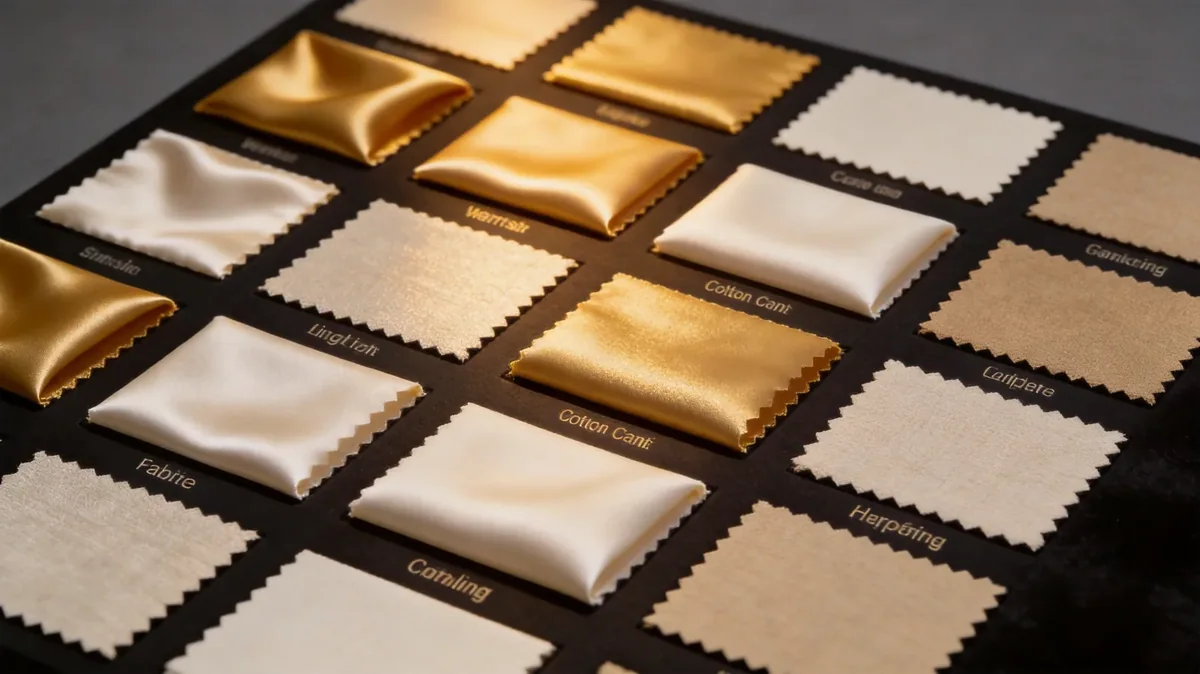
The Seven Numbers to Have Ready Before the Call
Numbers first, because every other question in the meeting is an attempt to arrive at one. A house that receives these seven at the opening can quote, schedule and flag risks inside the call. A house that has to ask for them will spend the meeting on discovery and you will spend a week on email. None of the seven requires a finished technical file — an estimate is enough, provided it is stated as an estimate.
| Number | What to bring | Why it changes the answer |
|---|---|---|
| Quantity per style | 500 pcs minimum, and the split across styles | Sets the cutting yield and the per-unit figure |
| Quantity per colourway | 500 pcs minimum, per colour | Each colour carries its own dye lot and its own minimum |
| Target landed band | A range, not a single figure | Lets the house report honestly where the design sits |
| Sampling window | 6-10 working days, 12-15 for frame work | Sets whether the launch date is reachable at all |
| Bulk window | 35-50 days from approved sample | The largest single block in the calendar |
| Inspection standard | AQL 2.5 under ISO 2859-1, level II | Defines what release means before it is argued about |
| Launch date | The date goods must be on a rail | Everything else is worked backwards from this figure |
What the First Meeting Costs You in Calendar Days
The meeting itself is an hour; what it commits you to is a chain. Sampling is 6-10 working days, a correction round is 5-7 days, bulk is 35-50 days, and packing plus export documentation sits on top. A first drop therefore wants roughly three months from the opening conversation. The table below puts the same chain in the order it is felt, so a launch date can be tested against it before anything is agreed.
| Stage | Working days | What can extend it | What protects it |
|---|---|---|---|
| Material approval | 3-5 | A hide lot that is not booked | Name the tannery before the call |
| Hardware tooling | 8-12 | Deciding the closure after approval | Decide it in the brief |
| First sample | 6-10 | A couture frame or cast clasp | 12-15 days, stated up front |
| Correction round | 5-7 | Verbal corrections on a sample call | Log every correction in writing |
| Pre-production | 3-5 | Declarations not yet filed | File certificates before cutting |
| Bulk run | 35-50 | A failed inspection | Inline checks at the bench |
| Packing and export | 3-7 | A carton specification agreed late | Put packing in the purchase order |
Checklist — Design, Dimensions and the Rejected Reference
Design preparation is not about arriving with finished drawings; it is about arriving with the decisions that a drawing would have forced. Bring the silhouette intent, the dimensions you care about, the tolerance you will accept on each, and one image of a construction you reject. That last item is the one that saves the most time, because it closes the interpretation gap in the direction that produces expensive errors.
- Target dimensions per silhouette, with a tolerance: ±1.5 mm on a cut panel, ±3 mm on a finished stuffed bag.
- Gusset depth stated in millimetres — 65 mm is the working figure for a structured day body — held at ±2 mm.
- Internal pocket depth at 140 mm, which is what makes a phone sit below the mouth of the bag rather than proud of it.
- Strap drop as a figure with a tolerance rather than as adjustable: 220 mm ±5 mm for a shoulder length.
- Strap width at 18 mm at the shoulder, which spreads load without reading as a webbing strap.
- One reference image of a construction you reject, and the reason — the reason is the more useful half.
Checklist — Hide, Lining and the Lot
Materials are the second gate, and the question to answer in the meeting is not which hide but whether the lot can be booked. A tannery lot runs roughly 300-500 hides and will not repeat exactly. If the hide matters to the line, the lot has to be named and booked against the season, and a retained swatch taken from it. Leather Working Group audit status at the tannery is the evidence to ask for by name.
Specify the laminate rather than the layers. A 1.2-1.4 mm full-grain calfskin outer over a 0.6 mm suede lining with a 0.8 mm interlining behaves as one material, and the hand of the finished panel is a property of the three together. Ask which interlining weight sits behind the panel that carries the closure — that is the answer that tells you whether the mouth of the bag will hold its shape through a season.
Checklist — Hardware and the Tooling Charge
Hardware is the gate with money attached, and it is the one most often deferred. It cannot be deferred: a custom-cast clasp has to exist before the first prototype is built, which means the decision belongs in the first meeting rather than at sample approval. Bring the closure type, the finish family and the plating specification, and ask for the tooling figure in writing.
- Closure route
- House fitting, or custom-cast clasp and turn-lock
- Custom tooling charge
- USD 450-900 per mould, one-off and reusable
- Tooling lead time
- 8-12 days before the first prototype is built
- Plating thickness
- 0.15-0.3 µm over a nickel-free undercoat
- Salt spray resistance
- 24 hours standard, 48 hours for humid markets
- D-ring internal diameter
- 20 mm, set on a reinforced panel
- Rivet head diameter
- 6 mm, four per stress point on a strap join
- Foot studs
- 4 mm height, four per base
Checklist — Quantity, Colourways and the Per-Unit Band
Quantity is where first meetings most often go wrong, because style and colourway behave differently. The minimum is 500 pcs per style and per colourway, quoted FOB Xiamen, and each colourway carries its own dye lot approval and its own minimum. Three silhouettes in two colourways is six production units of 500 pieces — about 3,000 bags — which is the working first season.
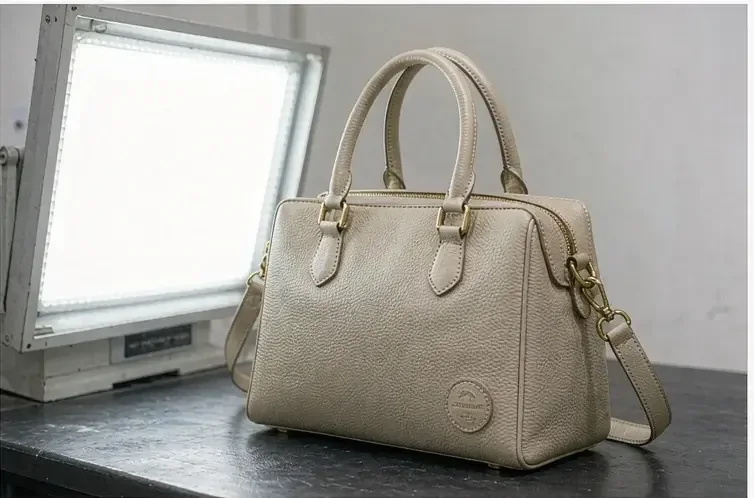
Two cautions. An extra colourway costs more than an extra silhouette, because colour carries a fresh dye lot, a fresh shade approval and its own minimum, whereas an extra style in an existing colourway reuses the approvals already on file. And sampling runs in parallel: three styles sampled together finish inside the same 6-10 working day window as one, because the pattern work and the bench time are separate.
Checklist — Compliance, Testing and the Documentation Pack
Compliance is the gate most often discovered late, and raising it in the first meeting is what makes the difference between a declaration and a re-run. The destination market sets the pack, so state the market before the quote is prepared rather than after it. Declarations have to be collected from the tannery and the plating house before dyeing and plating begin.
- European Union: REACH Annex XVII declarations covering chromium VI, azo dyes, nickel release and phthalates.
- California: a Prop 65 assessment, because lead in plated hardware and in coatings is the usual trigger for a warning.
- United States: CPSIA lead limits, phthalate restrictions and a tracking label on the product.
- Fibre and leather naming: EU Regulation 1007/2011 governs how composition is stated on the label.
- Hide provenance: Leather Working Group audit status at the tannery, requested by name and confirmed before cutting.
- Colour and finish: ΔE ≤ 1.0 under D65, finish adhesion to ISO 11644, tensile strength to ISO 3376.
Checklist — Terms, Dates and What Leaves the Room
Close the meeting on the three things that later become disputes: what was agreed, what the house will do next, and who owns what was shared. Ask for the terms in writing on the call rather than afterwards, and confirm the inspection standard and the packing specification as line items rather than as assurances. What leaves the room is a file — yours, held at a revision number.
Terms in writing
Minimum 500 pcs per style and colourway, sampling 6-10 working days, bulk 35-50 days, inspection at AQL 2.5 under ISO 2859-1, quoted FOB Xiamen. Confirm CIF and DDP if either is needed.
Next step agreed
A named action with a date, not an intention to revert. The most common waste after a good first meeting is a week lost to nobody owning the follow-up.
Ownership recorded
The pattern file is held against the brand at a recorded revision number, released to a second house only with written consent. Any mould paid for belongs to the brand.
Reference permission
Say whether the piece may be photographed or shown. Silence is usually read as consent, which is why the line is worth writing either way.
Packing specified
Dust bag, tissue, carton specification, labelling and any retail barcode requirement, agreed before the run and listed in the purchase order as a line item.
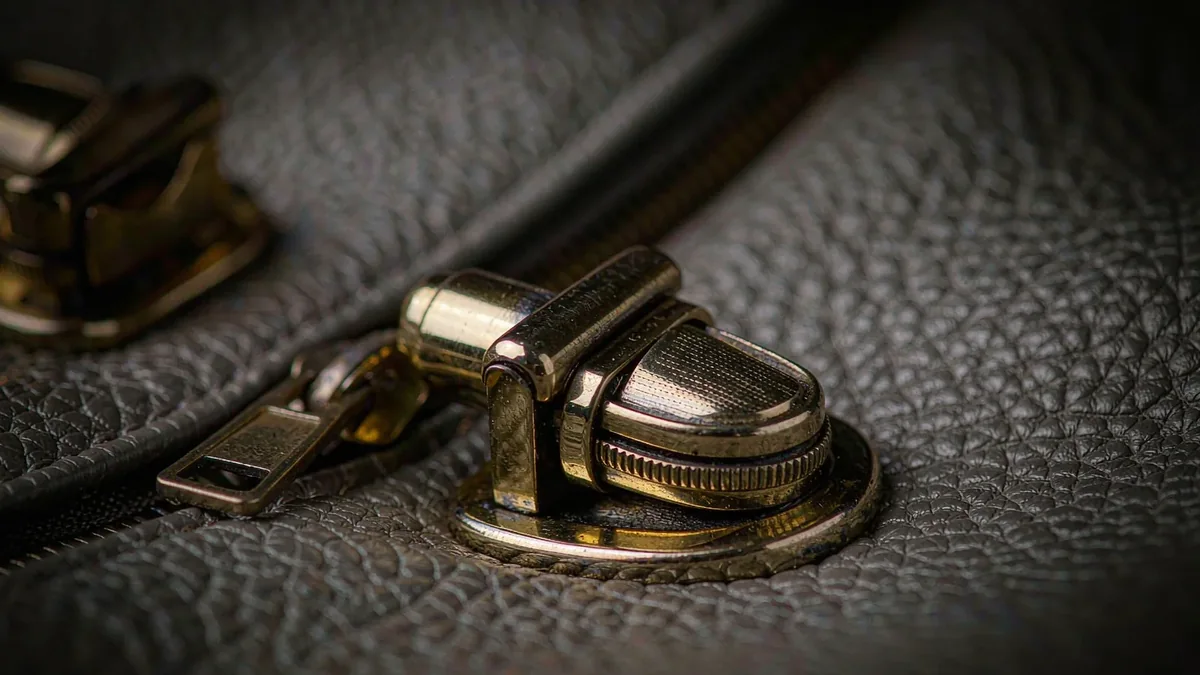
The launch date worked backwards. A house told the date goods must be on a rail can tell you honestly whether a design is reachable; a house told to go as fast as possible will agree to something and miss it.
What a prepared first meeting produces
- A quote band rather than a single figure, a sampling schedule measured in working days, a named hide lot, a hardware decision with its tooling charge, a compliance pack matched to your market, and a launch date tested against 6-10 working days of sampling plus 35-50 days bulk. Minimum 500 pcs per style and colourway, inspected at AQL 2.5 under ISO 2859-1, quoted FOB Xiamen.
Bring your seven numbers
Quantity, colourways, target band, hide intent, hardware decision, market and launch date. Send what you have and our team will return a plan and a costed first order through our quotation desk.
Frequently Asked Questions
What should a brand prepare before the first meeting with a handbag maison?
Seven numbers: quantity per style and per colourway at 500 pcs minimum, a target landed band rather than a figure, the sampling and bulk windows, the inspection standard, the destination market and the launch date. An estimate stated as an estimate is enough.
What is the minimum order discussed at the first meeting?
500 pcs per style and per colourway, quoted FOB Xiamen. Each colourway carries its own dye lot approval and its own minimum, so three silhouettes in two colourways is six production units of 500 pieces, about 3,000 bags.
How long does a first drop take from the first meeting?
Roughly three months. Material approval 3-5 days, hardware tooling 8-12 days, first sample 6-10 working days, correction round 5-7 days, pre-production 35-50 days, bulk 35-50 days, packing and export 6-10 working days.
Which stages most often extend the schedule?
Hardware tooling and the correction round. Tooling takes 8-12 days and cannot start until the closure is decided, and correction rounds extend when changes are given verbally on a sample call rather than logged in writing.
How detailed do the dimensions need to be for a first meeting?
Bring the dimensions you care about with a tolerance on each: ±1.5 mm on a cut panel, ±3 mm on a finished stuffed bag, ±2 mm on a 65 mm gusset and ±5 mm on a 220 mm strap drop. Finished drawings are not required.
Why should a brand bring a rejected reference image?
Because it closes the interpretation gap in the direction that causes expensive errors. Three images of what you admire leave room for interpretation; one image of a construction you reject, with the reason, removes the most likely wrong answer immediately.
What material questions should be asked in the first meeting?
Whether the hide lot of 300-500 hides can be booked against the season, whether the tannery holds Leather Working Group audit status, and which interlining weight sits behind the panel carrying the closure. The third determines whether the mouth of the bag holds its shape.
How much does custom hardware add and when is it decided?
USD 450-900 per mould as a one-off, plus 8-12 days of tooling before the first prototype is built, because the metal part has to exist before the unit can be assembled. It is reusable on later drops of the same style.
Should several styles be sampled at the same time?
Yes. Three styles sampled in parallel finish inside the same 6-10 working day window as one, because the pattern work and the bench time are separate. Sequencing them instead turns a ten-day window into a month.
What compliance pack should be raised at the first meeting?
REACH Annex XVII for the European Union, Prop 65 for California, CPSIA for the United States and EU Regulation 1007/2011 for fibre naming. State the market before the quote is prepared, and collect declarations before dyeing and plating begin.
What should be confirmed in writing before the meeting ends?
The terms: minimum, sampling and bulk windows, inspection at AQL 2.5 under ISO 2859-1 and FOB Xiamen. Plus a named next step with a date, ownership of the pattern at a revision number, and the packing specification as a line item.
Who owns the pattern file after the first meeting?
The brand does, stated in writing. The file is held against the brand at a recorded revision number and released to a second house only with written consent. Any mould paid for belongs to the brand and should be recorded by mould number.
How is colour approved after the first meeting?
Against a retained physical swatch in a D65 light booth, held at ΔE ≤ 1.0, with colour-fastness verified to ISO 105, finish adhesion to ISO 11644 and tensile strength to ISO 3376. A named alternative finish is approved at the same time.
What is the cost of a first sample?
A structured calfskin prototype with custom hardware runs USD 180-320 and is usually credited against the bulk order. A couture frame or a custom-cast clasp costs more, because the metal part has to be produced before the unit can be assembled.
People Also Ask
How do you prepare for a first handbag production meeting?
Bring seven numbers — quantity per style and colourway, target landed band, sampling and bulk windows, inspection standard, market and launch date — plus dimensions with tolerances and one rejected reference image.
What is the minimum order for a first handbag drop?
500 pcs per style and per colourway, quoted FOB Xiamen. Three silhouettes in two colourways gives six production units of 500 pieces, about 3,000 bags, inside one sampling and one bulk window.
How long does sampling take after a first meeting?
6-10 working days for a standard construction, 12-15 where a frame or a custom-cast clasp is involved, plus a correction round of 5-7 days. Three styles can be sampled in parallel in the same window.
Why must hardware be decided before the first sample?
Because the metal part has to exist before the prototype can be assembled. Custom casting adds USD 450-900 and 8-12 days, and deciding it after sample approval pushes the whole line past its window.
What should be in writing after the first meeting?
Terms including minimum, windows and inspection standard; a named next step with a date; pattern ownership at a recorded revision number; and the packing specification as a purchase-order line item.
Sources and further reading
Every figure on this page is either our own programme data or attributed below. Open the originals before you write them into a specification.
- ISO — International StandardsInternational Organization for Standardization Publisher of ISO 2859-1 sampling procedures, ISO 105 colour fastness, ISO 11644 finish adhesion and ISO 3376 tensile strength.
- Understanding REACHEuropean Chemicals Agency Annex XVII restrictions on chromium VI, azo dyes, nickel release and phthalates in leather, coatings and plated hardware.
- Leather Working GroupLeather Working Group Tannery audit protocol used to evidence a hide chain and book a lot of 300-500 hides against a season.
- Proposition 65Office of Environmental Health Hazard Assessment California safe-harbour levels determining whether a plated hardware set carries a warning.