What to Bring to Your First Handbag Maison Consultation: Brief, Samples and the Four Paths Compared
What should you bring to your first handbag maison consultation? A written brief with dimensions and tolerances, two or three reference bags, your material and hardware intent, quantity per colourway at the 500 pcs minimum, a target FOB band and a launch date. Those six items let an atelier quote inside 3-5 working days and sample in 6-10. This guide compares the four ways a first meeting can go, tells you which suits your situation, and lists the documents, physical items and numbers that make a ninety-minute call productive rather than exploratory.
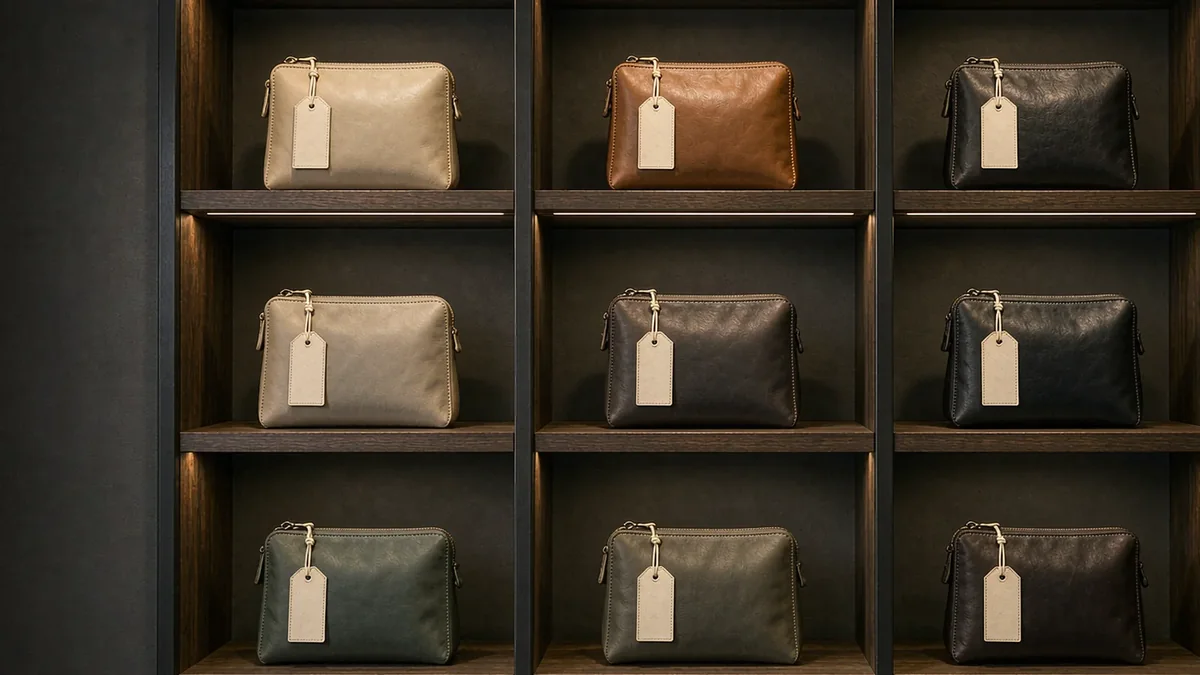
What the First Consultation Is Actually For
The first consultation is not a sales call; it is a feasibility review. Its output is a written answer to three questions: can this silhouette be built to that specification, what will it cost at that quantity, and how long will the first drop take. A meeting that ends with all three written down has succeeded. A meeting that ends with mutual enthusiasm and no figures has not, however pleasant it was.
That framing changes what you bring. Anything that helps the other side measure your intent — a dimensioned sketch, a reference bag, a hide sample, a target cost band — shortens the path to a number. Anything that only describes an aspiration lengthens it. Houses that arrive with a physical reference and a spread of quantities usually leave with a quote; houses that arrive with a mood board usually leave with homework.
Four Ways a First Meeting Can Go, Compared
Not every brand arrives in the same state, and the useful meeting differs accordingly. The matrix below sets out the four common openings, what each requires of you, and what each produces. Read it as a routing table: pick the row that matches where you are today rather than the one that sounds most advanced.
| Opening path | What you bring | What it produces | Best when |
|---|---|---|---|
| Reference-led | Two or three existing bags you want to move from | A measured teardown and a costed equivalent | You are changing partner and the design already exists |
| Sketch-led | Dimensioned drawings and a tolerance note | A pattern plan and a sampling quote | The design is original and the dimensions matter |
| Material-led | Hide, lining and hardware samples | A sourcing route and a lead-time estimate | The material is the selling point of the line |
| Range-led | A season plan with four or more styles | A capsule programme with a shared material file | You are building a collection rather than one bag |
Which Path Fits Which Brand: Recommendations by Scenario
The reference-led path is the fastest route to a number and the safest for a house moving from another programme, because the bag already exists and the job is reproduction to a tighter specification. The sketch-led path is the only honest option for an original silhouette, and it requires the most preparation. Material-led suits houses whose proposition is a hide or a finish. Range-led is the right opening for a house launching a collection, and it is the one that benefits most from a shared material file across styles.
Reference-led
Bring the bag you want to reproduce plus one you consider wrong. A teardown measures substance, stitch density and hardware, and the differences explain most of the cost gap.
Sketch-led
Bring dimensioned views with tolerances — ±1.5 mm on cut panels. Without tolerances the drawing cannot be costed, only admired.
Material-led
Bring the hide, the lining and the closure. Sourcing is the long pole here, so the meeting should end with a route and a date, not a price.
Range-led
Bring the season plan and the shared material intent. Approving one hide across four styles saves four separate approvals later.
The Documents to Bring, and What Each One Unlocks
A tech pack does not have to be beautiful; it has to be complete. Fourteen fields cover most structured bags, and each one removes a question that would otherwise become an email round. Bring what you have and mark the gaps honestly — a declared gap is cheaper than a silent assumption.
- Silhouette name and season
- Fixes the file and the pattern reference
- Dimensioned views
- Front, side, base and opening, with tolerances
- Material specification
- Hide type, substance 1.2-1.4 mm, lining, interlining
- Hardware schedule
- Closure, feet, rings, zipper size and finish
- Colourway list
- With quantity against each, from 500 pcs upward
- Target FOB band
- Stated as a range, e.g. USD 42.00-68.00
- Quantity per style
- Drives cutting yield and the per-unit figure
- Destination market
- Sets REACH Annex XVII, Prop 65 or CPSIA declarations
- Launch date
- Anchors the 6-10 working days of sampling and 35-50 day bulk plan
- Packing requirement
- Dust bag, tissue, carton, labelling
- Branding method
- Emboss, foil, or a metal plaque, with artwork
- Inspection expectation
- AQL 2.5 under ISO 2859-1 and the inspection level
- Restricted-substance scope
- Which declarations are required and by whom
- Re-order intent
- Whether the style is expected to run again
The Physical Items Worth Carrying Into the Room
Documents describe intent; objects settle arguments. Four physical items make a first meeting measurably more productive, and none of them needs to be expensive. Where a meeting is remote, courier the same items ahead so both sides handle the same object during the call.
- The reference bag you want to move from, including any wear it has — wear shows where the construction failed.
- One bag you consider wrong, with a note on why. Negative references communicate faster than adjectives.
- Hide and lining swatches, at the substance you intend, not at whatever was available.
- The closure or a hardware sample, with its finish and approximate plating thickness if known.
- A loaded weight target: what the finished bag should weigh on the shelf, which drives panel and interlining choice.
The Numbers to Bring: Quantity, Target Cost and Date
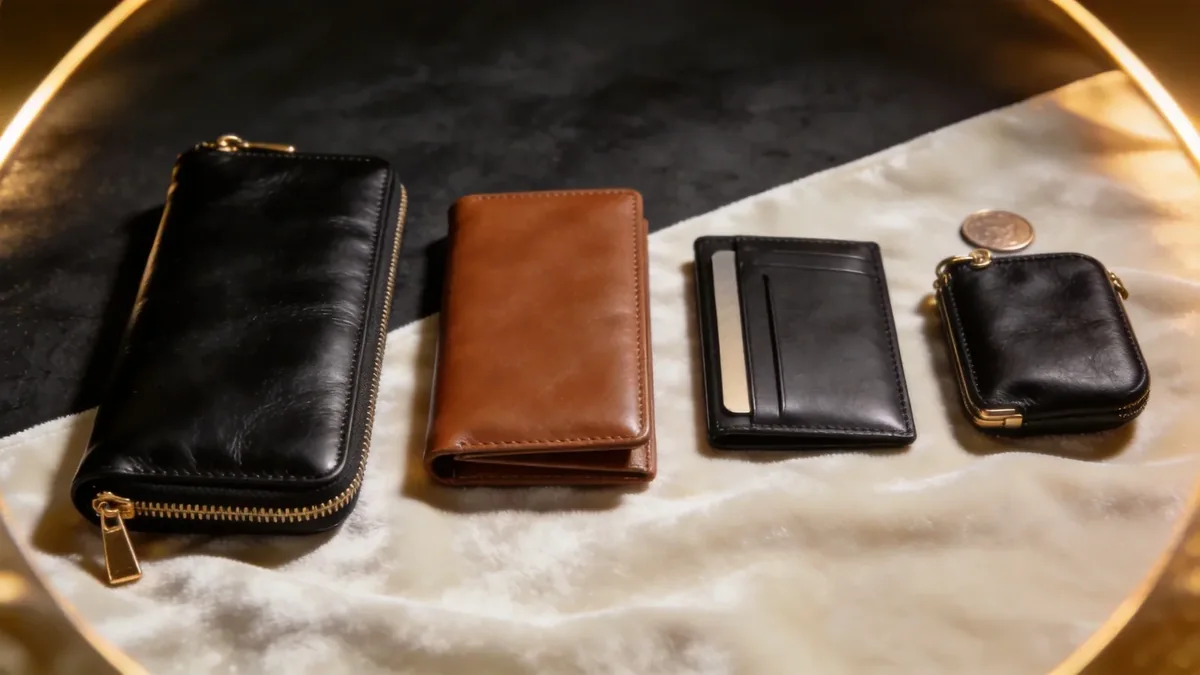
Three numbers decide whether a first meeting produces a quote: quantity per style and colourway, target landed cost as a band, and the date you need goods. Everything else is negotiable later. Quantity starts at 500 pcs per style and colourway; a target band of USD 42.00-68.00 for a structured calfskin bag at 3,000 pcs is a realistic opening position; and the date should be worked backwards through 35-50 days of bulk plus 6-10 working days of sampling.
What Happens in the Room: A Ninety-Minute Agenda
A well-run first consultation follows a fixed order, and knowing the order lets you prepare for each stage. Feasibility comes before cost, because a silhouette that cannot be built at any price should not be costed. Cost comes before schedule, because the schedule depends on which materials are confirmed.
- Minutes 0-15: the brief. Silhouettes, quantity per colourway, destination market and launch date.
- Minutes 15-35: the objects. Reference bags and swatches handled and measured against the drawings.
- Minutes 35-55: feasibility. Substance, stitch density, closure and tolerance discussed against the bench reality.
- Minutes 55-75: cost structure. Material, hardware, assembly and finishing bands, with the tooling question settled.
- Minutes 75-85: the schedule. Sampling window, material sourcing, bulk window and inspection.
- Minutes 85-90: next step written down. Samples to be couriered, quote date, and who owns each action.
What You Will Be Asked, and Answers Worth Preparing
Five questions come up in almost every first meeting, and each has an answer that saves a week. Prepare them in writing before you arrive. Houses that answer these crisply tend to get a quote inside the 3-5 working day window; houses that defer them tend to get a request for more information.
- Which of these dimensions is fixed and which can move? Tolerances are the difference between a drawing and a specification.
- Is the closure a house fitting or a custom piece? A custom-cast closure adds USD 450-900 in tooling and 8-12 days.
- What is the destination market? The answer sets the restricted-substance declarations and the hardware chemistry.
- How many colourways, and will a second wave follow? Each colourway carries its own 500 pcs minimum and dye-lot approval.
- Do you expect to re-order? A sealed golden sample and a 28-35 day re-order window are planned now, not later.
What Happens After the Meeting
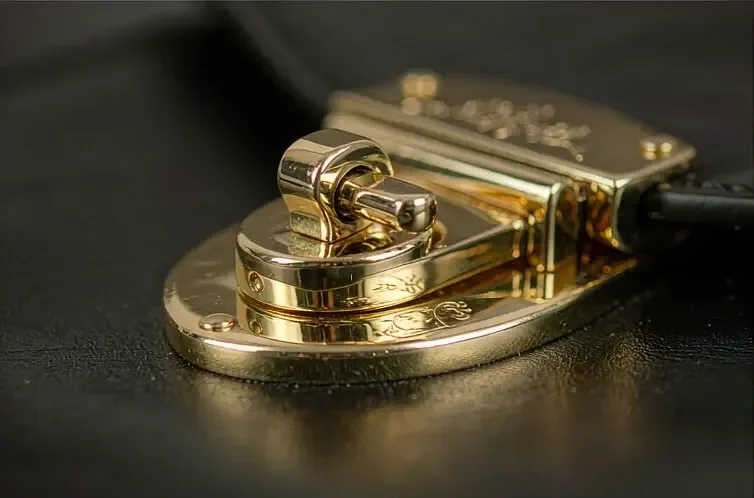
The useful meeting ends with a written next step on both sides. Yours is usually a completed tech pack and any physical samples that were discussed. Ours is a costed quote inside 3-5 working days and a sampling plan naming the 6-10 working day window, or 12-15 where a made-to-order frame or clasp is involved. Once material approvals are on file, bulk runs 35-50 days and the first drop is inspected at AQL 2.5 under ISO 2859-1 before packing.
Five Things That Waste a First Meeting
No tolerances on the drawing
Without ±1.5 mm bands the drawing cannot be costed. It can only be admired, and the cost conversation slips a week.
A single-number target cost
One figure turns the meeting into a negotiation. A band of USD 42.00-68.00 turns it into a design conversation.
Hardware left undecided
The closure drives tooling, cost and 8-12 days of schedule. Deciding it after sampling pushes the drop past the launch date.
Colour approved on a screen
Leather reads differently in the hand. Shade is agreed at ΔE ≤ 1.0 under D65 against a physical swatch.
No launch date
Without a date there is nothing to work backwards from, and the schedule conversation produces a list of maybes.
Bring the bag you are currently unhappy with, alongside the one you want. Ten minutes comparing the two on a table communicates more about your standard than an hour of description, and it gives the other side a physical reference to argue with.
Book a consultation with your brief
Send the documents and figures you have, even if the tech pack is incomplete. Our team will mark the gaps, confirm feasibility and return a costed sampling plan through our quotation desk.
Packing list for the first meeting
- A brief with dimensioned views and tolerances; two or three reference bags, one of which you consider wrong; hide, lining and hardware samples; quantity per style and colourway from 500 pcs; a target FOB band rather than a single figure; the destination market; and a launch date. With those in the room, feasibility, cost and schedule can all be settled in ninety minutes, and a written quote follows in 3-5 working days.
Frequently Asked Questions
What should I bring to a first handbag maison consultation?
Bring a written brief with dimensioned views and tolerances, two or three reference bags, hide and hardware samples, quantity per style and colourway from 500 pcs, a target FOB band and a launch date. Those six items let an atelier judge feasibility, quote inside 3-5 working days and plan a 6-10 working days of sampling window.
Do I need a full tech pack before the first meeting?
No, but you need the parts that carry numbers. Fourteen fields cover most structured bags, and the ones that matter first are dimensions with tolerances, material specification, hardware schedule, quantity and target cost. A partial pack with the gaps marked honestly is more useful than a complete-looking one with silent assumptions.
How long does a first consultation take?
Ninety minutes is the working format: fifteen minutes on the brief, twenty on the reference objects, twenty on feasibility, twenty on cost structure, ten on schedule and five writing down the next step on both sides. Remote meetings run to the same agenda if the physical samples are couriered ahead.
How quickly will I receive a quote after the meeting?
Three to five working days after a complete brief, which means dimensions with tolerances, a material specification, a hardware schedule and quantity per colourway. Missing tolerances or an undecided closure are the two things that most often push a quote past that window, because both change the cost structure.
Should I bring an existing bag or only drawings?
Bring both where you can. An existing bag settles arguments about substance, stitch density and hardware faster than any drawing, and a dimensioned sketch settles arguments about proportion faster than any bag. If you only have one, bring the object — measurement comes first and drawing follows.
What quantity should I quote at the first meeting?
Quote per style and per colourway, starting at 500 pcs. A capsule of three styles in two colourways is six production units of 500 pieces, about 3,000 in total. If you may reduce a colourway later, say so at the meeting, because the split affects cutting yield and the per-unit figure.
How should I state my target cost?
As a band, not a single figure. USD 42.00-68.00 for a structured full-grain calfskin bag at 3,000 pcs is a realistic opening position. A band turns the meeting into a design conversation about which specification sits where in it, whereas one number turns it into a negotiation before feasibility is known.
What if I do not know my leather or hardware yet?
Say so, and bring the hand and weight you want instead. Material-led meetings start from a finish family and a substance — 1.2-1.4 mm full-grain calfskin for structured shapes — and the sourcing route follows. It is more honest than naming a hide you have not handled.
Is a custom closure worth discussing at the first meeting?
Yes, because it drives tooling, cost and schedule. A custom-cast clasp adds USD 450-900 in tooling and 8-12 days to the plan. Deciding it at the meeting keeps the drop inside the launch window; deciding it after the prototype is approved usually pushes it outside.
How is colour agreed at a first consultation?
Against a physical swatch in a D65 light booth, with shade deviation held at ΔE ≤ 1.0. Screen approval is unreliable for leather because the surface reflects light differently than a display renders it. If the finish you want may be discontinued, approve a named alternative at the same meeting.
What happens if my design is not feasible as drawn?
You will be told at the meeting, with the reason and the closest workable alternative. Most infeasibility comes from a tolerance that is too tight for the material, a closure that cannot carry the load, or a panel proportion that fights the hide. All three have standard corrections.
Can the first meeting cover several styles at once?
Yes, and it is efficient to do so. A range-led opening approves one shared material file across four or more styles, which saves a separate approval round for each. Sampling still runs per style, but three or more can be sampled in parallel inside the same 6-10 working day window.
People Also Ask
What is a tech pack in handbag design?
A tech pack is the written specification for a bag: dimensioned views with tolerances, material and hardware schedules, colourways, quantities, branding method and packing requirement. It is the document a production team costs and builds from.
How do I prepare for a handbag production meeting?
Bring numbers and objects. Dimensioned drawings with tolerances, two or three reference bags, material and hardware samples, quantity per colourway, a target cost band and a launch date. Those six items let feasibility, cost and schedule be settled in one meeting.
Why do tolerances matter on a handbag drawing?
Tolerances turn a drawing into an enforceable specification. Without ±1.5 mm bands on cut panels, nobody can agree whether a delivered unit is correct, and the cost cannot be pinned down either.
What is a reference bag used for?
A reference bag is an existing bag brought to a meeting as a physical standard. It is measured for substance, stitch density and hardware, and used to explain the gap between what a brand receives today and what it wants.
How is a first handbag sample quoted?
Sample cost follows the material and hardware specification and the construction difficulty. A structured full-grain calfskin prototype runs USD 180-320, rising for a made-to-order frame, and the figure is usually credited against the bulk order.
Sources and further reading
Every figure on this page is either our own programme data or attributed below. Open the originals before you write them into a specification.
- Leather Working GroupLeather Working Group Tannery audit protocol referenced when a brief names a hide source that must remain available across the season.
- ISO — International StandardsInternational Organization for Standardization Publisher of ISO 2859-1 sampling procedures and ISO 105 colour fastness methods referenced in a brief.
- Proposition 65California OEHHA Substance and warning requirements that depend on the destination market declared at the first consultation.
- CPSC — Business EducationU.S. Consumer Product Safety Commission CPSIA requirements for handbags and small leather goods placed on the United States market.