Timeless vs Trendy Luxury Bag Silhouettes: Where the Volume Actually Sits
How should a fine collection split between timeless and of-the-moment silhouettes? The numbers most programmes settle on are these: timeless styles carry for five seasons or more and account for roughly 65-70 percent of unit volume, trend styles run one or two seasons with allocations capped near 15 percent per colourway, and tooling is amortised across at least three seasons before it earns its cost. The balance is decided by how long a shape will be wanted, not by how much attention it draws.
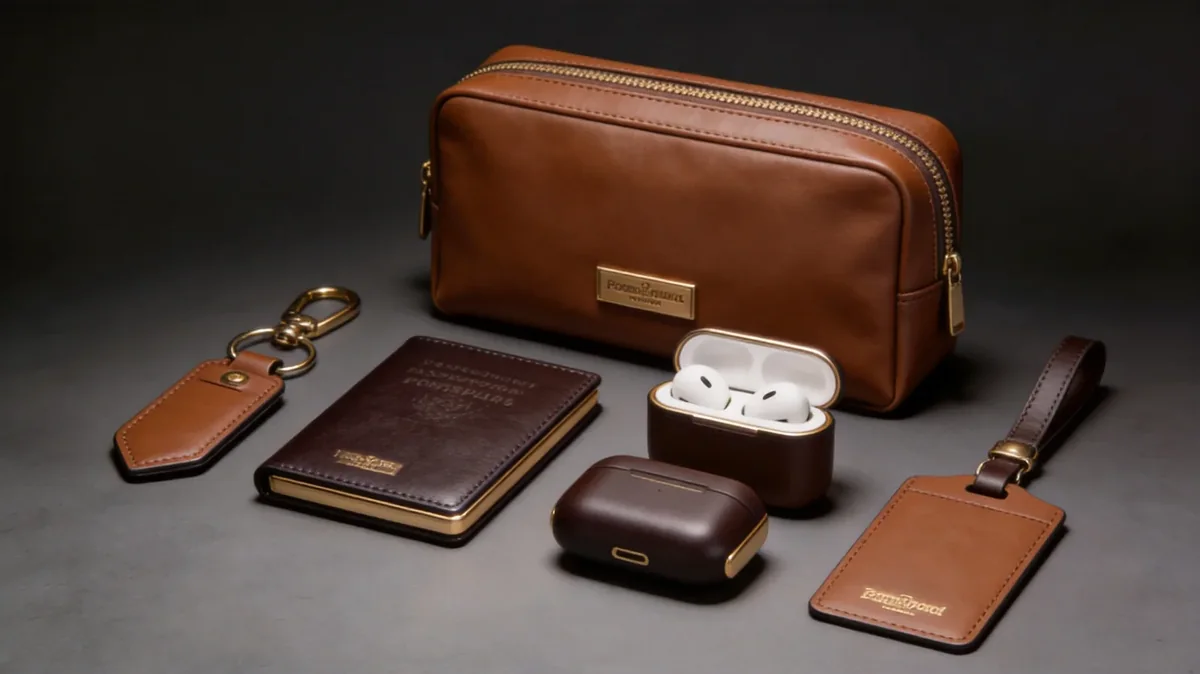
The Case: A Collection That Looked Right and Sold Wrong
A label built an eighteen-piece range for a season, twelve of them shaped around whatever was currently being photographed. The collection looked current and reviewed well. Six pieces sold out in a fortnight; nine were still standing a year later, and the tooling behind them had been amortised across a single production run, which is how a season that looked successful quietly lost money.
The review found nothing wrong with the work. Every piece met its brief. What nobody had asked was how long each silhouette would be wanted, so tooling, sampling rounds and hide minimums were committed evenly across shapes with wildly different working lives. The correction was structural rather than creative: decide the expected lifespan first, then spend accordingly.
What Timeless Actually Means in Numbers
Timeless is not a style judgement, it is a lifespan one. A timeless silhouette is one that can be carried in the same shape for five seasons or more without looking dated, which usually means proportion rather than decoration doing the work. It reads as calm height to width around 0.8, restrained hardware and a closure nobody has to learn.
Three qualities follow that lifespan. The piece has to be repairable, since a five-season expectation means handles and edges will eventually need attention. Its materials have to be repeatable across years rather than a single dye lot, which argues against any hide or finish that is produced seasonally and then quietly discontinued. And its construction has to tolerate the hide variation that appears as soon as a programme reorders annually, since no tannery delivers identical temper across three consecutive years.
What a Trend Silhouette Costs to Commit
A seasonal shape carries the same development burden as a classic one and can only spread it across fewer units. Sampling still takes 6-10 working days, rising to 12-15 where anything bespoke is involved, and bulk still occupies 35-50 days. The difference is that the same tooling cost is divided by perhaps one run rather than by three.
Minimums make this sharper rather than gentler. At 500 pcs per style and colourway, a trend silhouette in four colourways commits two thousand units before anybody knows whether the shape is wanted. That is the commitment worth questioning first, and it is usually resolved by reducing colourways rather than by reducing quality.
- Timeless lifespan
- Five seasons or more in essentially the same shape
- Trend lifespan
- One or two seasons before interest moves
- Volume split
- Timeless roughly 65-70 percent of unit volume
- Trend colour cap
- Near 15 percent of allocation per colourway
- Tooling recovery
- Amortised across at least three seasons
- Sampling time
- 6-10 working days, 12-15 for bespoke work
- Order commitment
- 500 pcs per style and colourway
Where the Volume Actually Sits
Most houses discover the same pattern after a few seasons: timeless shapes account for roughly 65-70 percent of unit volume and almost all of the profit, while trend shapes generate attention and a smaller share of either. Attention is genuinely valuable, but it is a marketing line rather than a margin line, and budgeting it as though it were both is the usual error.
The reason is repeat. A timeless shape reorders in the same colour every year, and each reorder reuses existing tooling, existing templates and established hide relationships, all of which lower both cost and risk on every subsequent run. A seasonal shape reorders rarely and expensively, and it will usually be overtaken before the second order could arrive.
Colour: Where the Risk Really Lives
Colour carries more risk than shape, which is why most houses run conservative silhouettes in seasonal colour rather than the reverse. A bright seasonal tone on a familiar shape can be reconsidered annually; an unfamiliar shape in black cannot. The cap worth setting is on allocation, keeping any single trend colourway near 15 percent of the buy.
Dye lots compound this. A colour expected to repeat across three seasons has to be specified against a signed reference held under controlled conditions, because both hide and finish drift over time. Where a colour is intended for a single season only, that discipline can be relaxed, which is another reason to know the lifespan in advance.
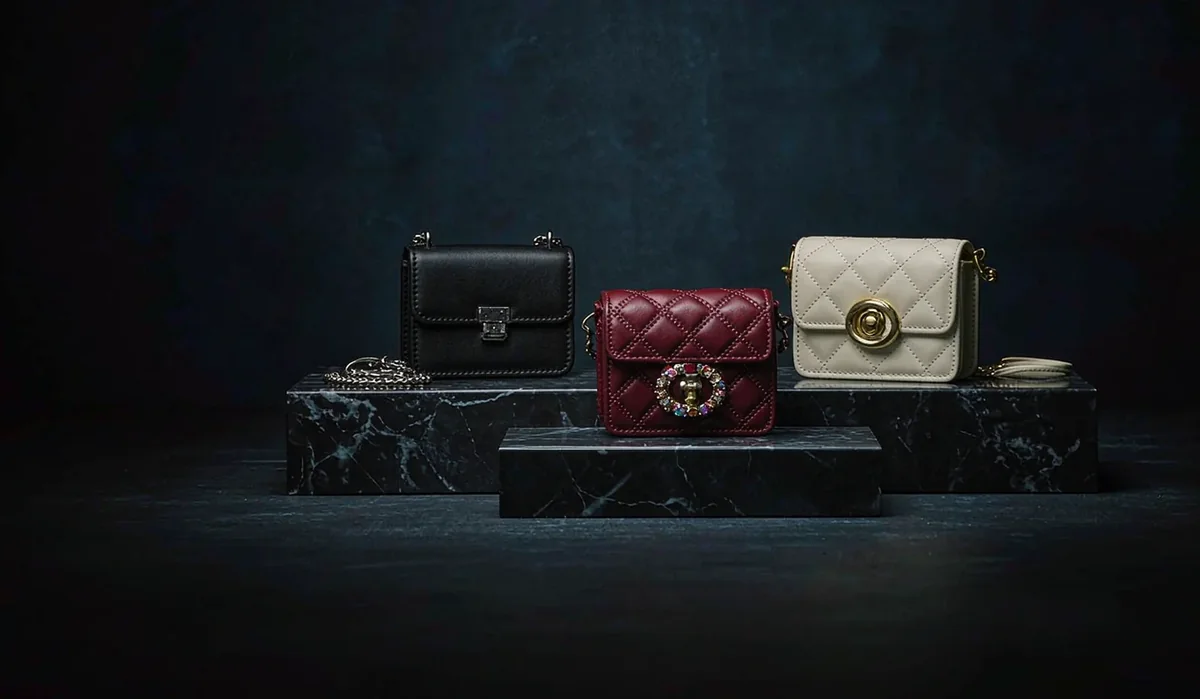
Tooling, Minimums and Recovery
Tooling is the line that decides whether a seasonal shape earns its place. A bespoke closure, a custom frame or a dedicated template is paid once and recovered per unit, so the question worth asking is how many units will carry it. Across three seasons the answer is comfortable; across one, it is rarely sufficient.
| Commitment | Timeless route | Trend route |
|---|---|---|
| Expected lifespan | Five seasons or more | One or two seasons |
| Tooling recovery | Across three seasons minimum | Within a single run |
| Colourway count | Wide, since reordering is expected | Narrow, two at most |
| Colour discipline | Signed reference held for years | Single dye lot acceptable |
| Volume share | 65-70 percent of unit volume | Smaller, attention-led share |
| Sampling rounds | Fewer, amortised over time | Each one paid by one season |
How to Tell Which a Shape Is
Six questions separate the two reliably, and none of them concern taste. They are deliberately unglamorous, because glamour is exactly what makes teams skip them. Answer them honestly at briefing stage rather than hopefully at costing stage, and most of the expensive surprises disappear before anything is tooled. Write the answers down, since recollection three seasons later will be kinder than reality was.
- Would this shape still be wanted if nothing else in the collection repeated?
- Can it be repaired, or does it rely on a bonded assembly to hold its form?
- Are its hides and hardware available next year in the same specification?
- Does it depend on a colour that may not survive beyond a season?
- Is attention coming from the shape or from the styling around it?
- Would a customer buy a second one three years from now in the same proportion?
Building Both Without Damaging Either
The workable arrangement most houses reach is a platform rather than a split. Two or three timeless silhouettes form the base of the range, reordered annually and carrying most of the volume. Seasonal interest is expressed over that base through colour, hardware finish and size variation rather than through entirely new shapes each session.
Size variation deserves particular mention because it is underused. A familiar silhouette offered at three scales gives the range novelty without committing new tooling, since patterns scale more inexpensively than they are drawn, and any size that underperforms can simply be dropped from the next reorder.
Reading the First Season Honestly
The first season of any range produces misleading signals, and knowing which ones mislead is worth more than any forecast. Strong first-month figures usually say more about attention than about longevity, since attention is exactly what a new silhouette generates by being new. The signal that predicts timelessness is the second order rather than the first.
Three measures read better than initial sell-through. Reorder requests landing before stock arrives, which say somebody wants the piece again rather than once. Requests for a second colourway in the same shape, which is how most base ranges quietly begin. And service enquiries asking whether a shape returns next year, since nobody asks that about something they have stopped caring about.
Read them on a two-season lag. A shape still being requested eighteen months after launch has earned reconsideration for the base range, and promoting it costs less than developing anything new, because the tooling already exists and the patterns have already been corrected twice.
Planning the Range Calendar
Timing is what makes the balance achievable rather than theoretical. Base shapes are reordered against forecast well ahead of the season, while seasonal additions are developed later against firmer evidence of what is being worn. Running both on one calendar is what forces every decision to be made earlier than it should be.
Two windows suit most programmes. The base range is settled roughly nine months ahead, allowing 6-10 working days of sampling and a 35-50 day bulk window with margin for a second round. Seasonal colour is settled much closer to the selling period, since colour can be adjusted without touching any tooling already committed.
What Happens to Leftover Seasonal Stock
Every seasonal programme carries residue, and the question is what the plan is. Since unsold stock is expensive to carry and rarely recovers its cost later, the honest answer is that trend shapes should be committed at lower volume and higher confidence, accepting fewer units rather than planning to clear whatever remains afterwards.
Two practical steps help. Cap each seasonal colourway near 15 percent of allocation so exposure is bounded before anything is cut. And plan the shape so that any leftover can be re-worked into the base range — usually meaning it shares finishing, hardware and lining with a timeless piece rather than being built on its own specification.
A shape unlikely to be wanted beyond one season should never carry tooling amortised across three. Reduce colourways first, then complexity, and only then reconsider whether it belongs.
Sizes, Proportions and the Safe Ends of a Range
The extremes of any size run tell you which route each belongs to. Very small pieces and very large ones tend to be seasonal, because both are driven by what is being carried at the time. Mid-size pieces tend to be timeless, because they correspond to what people actually need regardless of what is being photographed.
That pattern suggests a practical rule. Protect the middle of the range by investing specification there, since those shapes will carry reorders for years. Treat the extremes more lightly: standard tooling, fewer colourways and shorter commitments, because those are the sizes most likely to move on quickly.
Hardware and Finishing as the Least costly Variation
Where colour feels too risky and a new shape too expensive, hardware finish occupies the middle ground. A base silhouette offered in pale gold, brushed palladium and dark ruthenium reads as three distinct pieces to most customers, while committing nothing more than a plating specification against existing tooling.
Plating still needs specifying properly, whatever the finish. A noble metal layer of 0.15-0.3 micrometres over a prepared base survives daily handling for years, and it allows a piece to be described accurately rather than hopefully. Keep plating consistent across the range so that replacements remain available long after a season has moved on.
Lining offers the same economy. Changing interior colour is visible every time the piece is opened, costs almost nothing to specify, and can be reversed without consequence at the next reorder. Houses looking for novelty with bounded exposure usually exhaust colour, hardware and lining long before they need to consider a new silhouette.
Programme Figures Across Both Routes
Our programme runs through our validated partner factory Quanzhou Yingming Bags, an SGS-validated site with 7 production lines and roughly 200,000 pcs per month of capacity, holding export experience since 2014. Sampling takes 6-10 working days, or 12-15 where bespoke tooling is involved; bulk occupies 35-50 days; and minimums sit at 500 pcs per style and colourway leaving FOB Xiamen.
Both routes are inspected on the same plan, a sample drawn at AQL 2.5 under ISO 2859-1 and read against a retained reference rather than a recollection. Seasonal direction is tracked on luxury trends, material availability on luxury materials, and the development sequence on luxury sampling.
Plan the range by lifespan rather than by look
Send your silhouette list, the expected lifespan of each shape and the target colourways per style. You will receive a build plan naming tooling commitment, colourway cap and reorder economics. Request a quote.
Frequently Asked Questions
What makes a silhouette timeless?
A five-season lifespan rather than a particular look. This usually means proportion doing the work: height to width near 0.8, restrained hardware and a closure nobody has to learn, rather than decoration carrying the identity of the piece.
Why do trend shapes cost more to commit?
Because development cost is the same but recovery is shorter. Sampling still takes 6-10 working days and bulk still occupies 35-50 days, yet the tooling is divided across perhaps one run instead of three annual reorders.
What volume split do most ranges settle on?
Timeless shapes typically carry 65-70 percent of unit volume and almost all of the margin. Seasonal shapes generate attention, which matters commercially, but a smaller share of units and usually a smaller share of profit.
Why does colourway discipline matter so much?
Because minimums multiply. At 500 pcs per style and colourway, four seasonal colours commit two thousand units before demand is known. Narrowing to two colourways halves exposure without changing a single thing about the design.
What allocation cap suits a seasonal colourway?
Near 15 percent of total allocation. That bound keeps exposure limited if the colour fails, while leaving enough volume to make a genuine statement if it succeeds and later deserves promotion into the base range.
How should colour references be managed across years?
Against a signed physical reference kept under controlled conditions. Both hide and finish drift over time, so a colour expected to repeat across three seasons needs that reference far more than one intended for a single season.
Is it better to vary shape or colour?
Colour, almost always. A seasonal tone on a familiar shape can be reconsidered annually, while a new shape in black commits tooling that only one season will ever pay for.
What is the most efficient way to add novelty?
Scale. Offering a familiar silhouette at three sizes brings range without new tooling, since patterns scale inexpensively once drawn, and any size that underperforms simply drops from the next reorder.
How much volume should a seasonal shape commit?
Less than instinct suggests. Since leftovers are expensive to carry, commit at lower volume and higher confidence rather than planning to recover units later through secondary channels.
What should happen to unsold seasonal styles?
Ideally, they should share finishing, hardware and lining with a timeless piece so they can be re-worked into the base range. That sharing decision is made at specification, long before any clearance question arises.
Can a trend shape become timeless?
Occasionally, and it should be allowed to. Track reorder rather than initial sell-through; a shape customers ask for again in a second season has earned reconsideration for the base range.
What are the development timelines for each route?
Sampling takes 6-10 working days, rising to 12-15 where bespoke tooling is required, with bulk occupying 35-50 days. Both routes are the same; only how widely the cost can be spread differs.
People Also Ask
Should a new collection start with shapes or colours?
Shapes, because they determine tooling commitment. Once the base silhouettes are settled, colour can be adjusted every season without touching anything that costs real money to change.
How many base shapes does a range need?
Usually two or three. That is enough to carry most programmes and to give seasonal colour something to sit on, while keeping tooling concentrated in shapes that will genuinely reorder.
Is it wrong to include several seasonal shapes?
Not wrong, but each should be costed honestly. Include them where they generate attention that lifts the whole range, and reduce colourways rather than quality to protect exposure.
Why does shape risk exceed colour risk?
Because a shape commits tooling, templates and sampling rounds, while a colour commits only a dye lot. Reversing those priorities is the most common way a promising season turns expensive.
How often should the base range be revisited?
Annually, against reorder performance rather than against fashion calendars. A base shape still reordering strongly after four seasons does not need replacing simply because attention has moved.
Sources and further reading
Every figure on this page is either our own programme data or attributed below. Open the originals before you write them into a specification.
- ISO - International Organization for StandardizationISO Publisher of ISO 2859-1 for attribute sampling and the ISO 105 series covering colour fastness of leather across repeat dye lots.
- Business of FashionBusiness of Fashion Covers seasonal and commercial reporting used to judge how long a silhouette usually holds attention.
- Sourcing JournalSourcing Journal Reports on development lead times and sourcing economics relevant to planning a seasonal versus base range.
- Leather Working GroupLeather Working Group Environmental auditing programme for tanneries, referenced when assessing hide availability across repeat seasons.