Luxury Leather Handbags: Durability Testing Explained, Standard by Standard
How is durability tested on luxury leather handbags? Three methods are used and each catches a different failure: laboratory testing to ISO standards, bench testing of the assembled construction, and a wear trial on finished units. The figures that matter are 20,000 abrasion cycles to ISO 17076-1, 20,000 flexes to ISO 5402-1, tear load of 30 N to ISO 3377-2 and seam strength of 200 N per 50 mm. This article sets out each standard, what it predicts and what it misses.
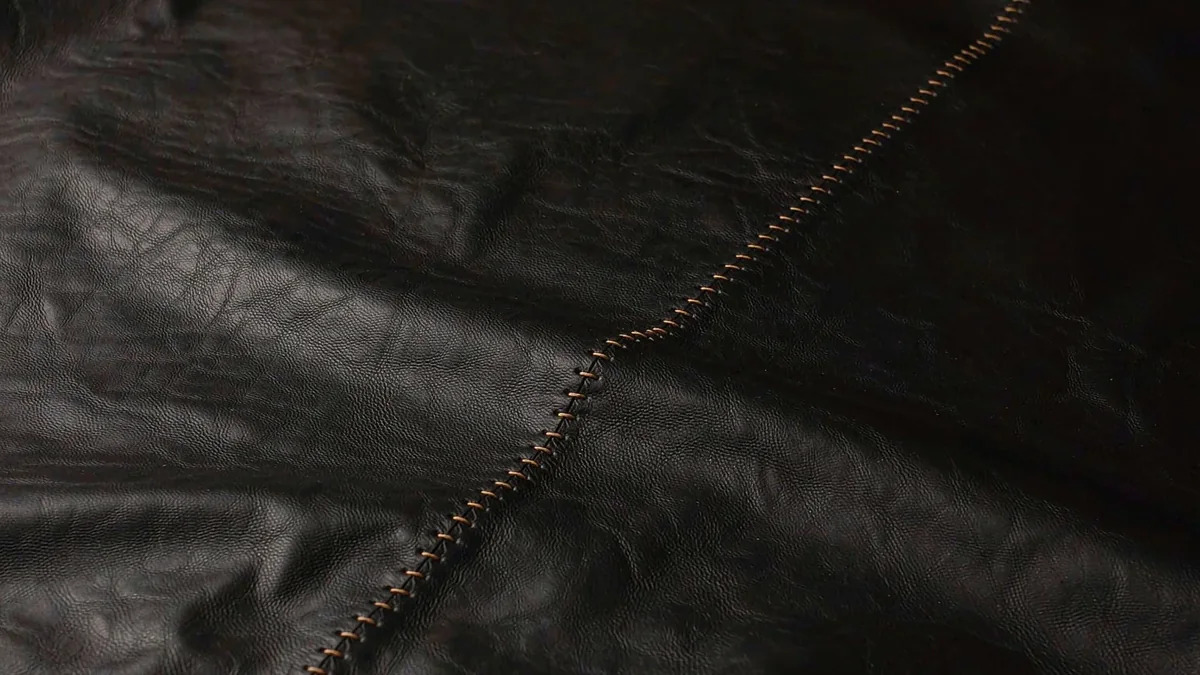
Three Ways to Prove Durability, and What Each Misses
Durability on a luxury handbag is proved in three places at once: a laboratory test against a published standard, a bench test on the assembled construction, and a wear trial on finished units. Each catches failures the other two cannot see, and treating any one of them as sufficient is how a line passes its testing and still comes back from the shop floor.
The laboratory answers whether the material meets a number. The bench answers whether the construction distributes load the way the drawing assumed. The wear trial answers what happens when somebody actually carries the piece for three months, which is a question neither of the first two is designed to ask.
| Method | Sample and time | What it catches | What it misses |
|---|---|---|---|
| Laboratory testing | 6-10 specimens, 5-7 working days | Material failure against a published limit | Anything caused by the construction |
| Bench testing | One assembled body per change | Seam, edge and hardware behaviour under load | Slow ageing, colour shift, abrasion in service |
| Wear trial | 20-24 units, 12 weeks | Real handling, rubbing at contact points, patina | Statistical confidence; it is indicative only |
The third row is the one most programmes skip, and it is also the one that catches the failures customers complain about. Rubbing at the handle base, colour transfer onto a light garment and the flattening of a nap are all visible in week six of a trial and invisible in a laboratory report.
Abrasion: How Many Cycles the Surface Survives
Abrasion testing rubs the surface under a fixed load for a fixed number of cycles, and the figure quoted is the point at which the finish breaks down rather than the point at which the leather is worn through. For bag work the working figure is 20,000 cycles to ISO 17076-1 with no breakdown of the finish.
The surface type moves that figure more than the tannage does. A smooth pigmented calfskin will comfortably reach 20,000 cycles; a suede split with a nap of 0.3-0.5 mm is usually tested at 10,000, because the nap flattens and polishes long before the underlying fibre is damaged. Asking suede to match a smooth finish on abrasion is asking for a result that does not exist.
Where the figure is quoted on a specification, insist on the endpoint definition alongside it. Twenty thousand cycles to first visible change and twenty thousand cycles to finish breakdown are different results, and only the second one predicts what a customer will see.
Flex: Where Finishes Fail Before Leather Does
Flex testing bends a specimen repeatedly and inspects the fold, and it is the test most finishes fail before the leather underneath shows any distress at all. The working figures are 20,000 flexes dry and 5,000 wet to ISO 5402-1, with no cracking of the finish visible at six times magnification.
The wet figure matters more than it looks. A finish that survives 20,000 dry flexes and fails at 3,000 wet ones is a finish that will crack at the fold of a gusset in a humid summer, which is a complaint arriving roughly nine months after delivery and therefore well outside any window in which it can be corrected.
- Standard
- ISO 5402-1, flex resistance by flexometer
- Dry flexes
- 20,000, inspected at six times magnification
- Wet flexes
- 5,000, the figure most finishes fail first
- Failure definition
- Any cracking of the finish visible at magnification, not at arm's length
- Specimen
- Cut from the zone used on the body, not from the densest part of the hide
- Edge paint
- Three coats to a total of 0.35-0.45 mm, flexed without cracking
The fifth line is the one quietly responsible for a great many optimistic reports. A specimen cut from the bend will outperform one cut from the shoulder, and neither will behave like the panel that actually sits at the fold of a gusset. Specify the zone and the report becomes meaningful.
Tear and Tensile: The Figures That Govern Panel Choice
Tear and tensile strength decide which panels can carry load and which need help, and they are the two figures a pattern maker should see before a drawing is finalised. Tear load is tested to ISO 3377-2 with a working floor of 30 N; tensile strength is tested to ISO 3376 at 15 N per square millimetre or better.
Elongation completes the picture and is the figure most often left out. A material reaching 15 N per square millimetre at 25% elongation and one reaching the same figure at 60% do not behave the same on a bag, because the second one will visibly stretch at the strap and at the handle base before the first one shows any movement at all.
- Tear load to ISO 3377-2, floor of 30 N, tested in both grain directions.
- Tensile strength to ISO 3376, 15 N per square millimetre or better.
- Elongation at break recorded as a percentage, typically 35-60% for bag leathers.
- Stitch tear resistance, since a seam perforates the material it is meant to hold.
- Reinforcement at 0.8 mm where the panel carries a handle or a strap load.
- Stitch density at 8-9 per inch, which governs how much the seam weakens the panel.
The fourth item is a genuine trap. Every stitch hole is a perforation, and raising stitch density makes a seam look finer while reducing the tear resistance of the panel it runs through. Eight to nine stitches per inch is the range where appearance and strength stop arguing with each other.
Colour Fastness: Rubbing, Light and Perspiration
Colour fastness covers three exposures a bag meets in service and it is where most customer complaints originate. Rubbing is tested to ISO 11640, light to ISO 105-B02, and perspiration to ISO 11641, with each result read on the grey scale rather than described in words.
The working figures are grey scale 4/5 dry after 500 cycles and 4 wet after 250 cycles for a smooth finish, blue wool 4 or better for light, and grey scale 4 for perspiration. A nap surface sits lower on rubbing, at grey scale 3/4, which is a property of the nap rather than a defect in the dyeing.
Rubbing
ISO 11640 at 500 cycles dry and 250 wet, read at grey scale 4/5 dry and 4 wet. This is the test that predicts colour transfer onto a light garment, which is the single most common complaint on a dark bag.
Light
ISO 105-B02 against the blue wool scale, at 4 or better for a bag that will sit in a window or a car. Below 4 the shade visibly shifts within one season on the panel facing the light.
Perspiration
ISO 11641 at grey scale 4. Handle bases and the underside of a strap are the contact points, and a failure here shows as a pale patch where the hand sits rather than as an overall fade.
Heat ageing
An internal check at 70 degrees Celsius for 168 hours, looking for finish tackiness and shade movement. It predicts what a container crossing an equatorial route will do to a finished run.
The fourth card is not a published standard and it is worth saying so. Heat ageing is a house test rather than a certification, and its value is comparative: two candidate finishes run side by side tell you which one will survive a hot transit, even though neither result is quotable to a retailer.
Hardware and Seams: The Parts That Fail First
Ask where a returned bag actually failed and the answer is rarely the leather. Closures, feet, sliders and the seam that holds a handle are the parts that fail first, which is why a durability programme spends as much of its testing time on metal and thread as it does on hides.
| Component | Test | Working figure |
|---|---|---|
| Turn-lock | Open and close cycling | 5,000 cycles with no loss of retention |
| Zipper | Slider cycling and pull | #5 metal, 5,000 cycles, pull to 300 N |
| Plating | ISO 9227 neutral salt spray | 24 hours standard, 48 hours for humid markets |
| Feet and studs | Push-out force from the panel | 150 N minimum on the assembled body |
| Seam | Seam strength per 50 mm | 200 N minimum, 8-9 stitches per inch |
| Strap attachment | Cyclic load at 5 kg | 5,000 cycles with no elongation at the join |
The third row deserves a note on its own. Twenty-four hours of neutral salt spray is the usual figure for a European destination; moving to 48 hours for a humid market is a small specification change that removes the most common metal complaint on a delivered run.
The Matrix: Standard, Figure and What It Predicts
Put every standard on one page with the figure and the failure it predicts, and the durability programme stops being a folder of reports nobody reads. This is the matrix a brand should be able to hand to a retailer without further explanation.
| Standard | Figure | Predicts | Does not predict |
|---|---|---|---|
| ISO 17076-1 | 20,000 cycles, no finish breakdown | Surface polishing at contact points | Whether the panel will stretch |
| ISO 5402-1 | 20,000 dry, 5,000 wet flexes | Finish cracking at folds and gussets | Colour transfer onto clothing |
| ISO 3377-2 | Tear load of 30 N | Behaviour at a perforated seam | Slow ageing over two years |
| ISO 3376 | 15 N per square millimetre | Whether a panel can carry load | Handle comfort or hand feel |
| ISO 11640 | Grey scale 4/5 dry, 4 wet | Colour transfer in service | Resistance to water ingress |
| ISO 105-B02 | Blue wool 4 or better | Shade shift under display lighting | Behaviour under perspiration |
| ISO 11644 | Adhesion of 3 N per 10 mm | Finish lifting at folds and edges | Abrasion resistance of the finish |
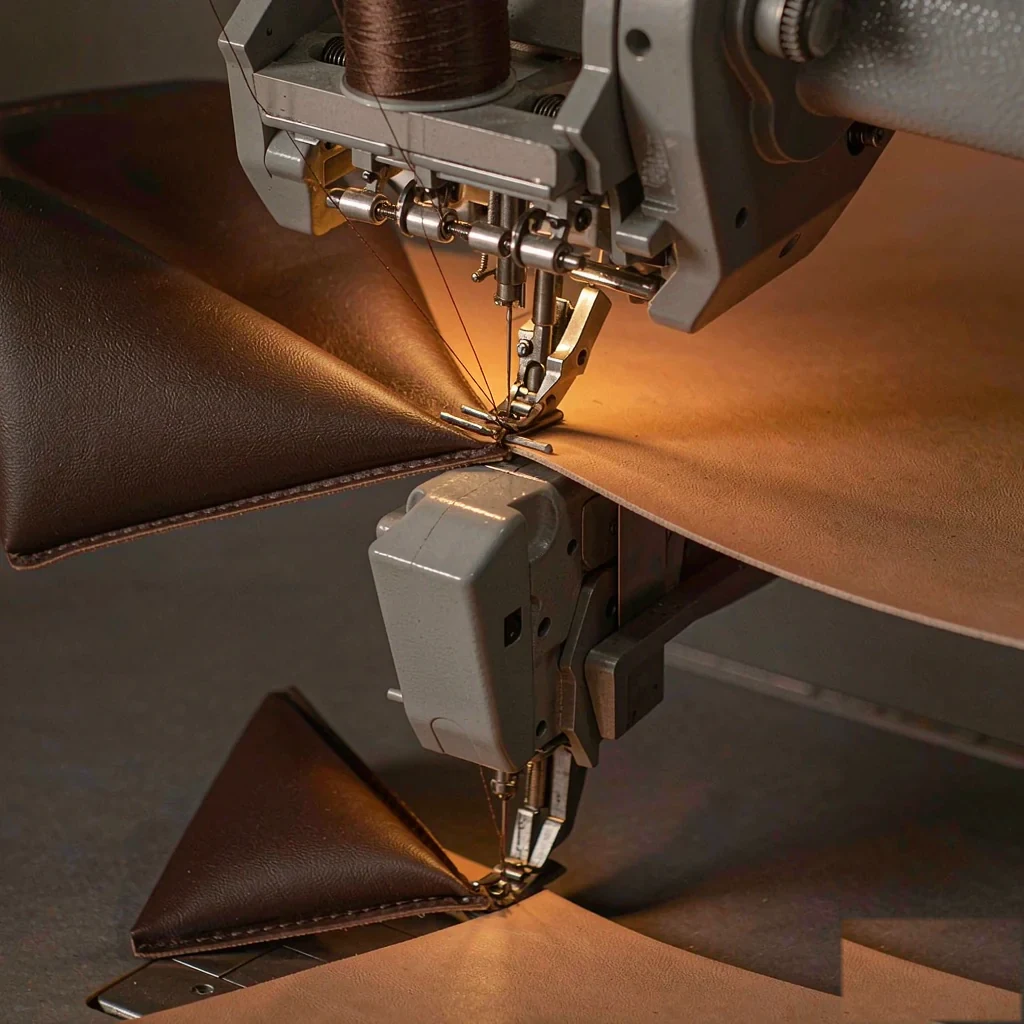
The final column is the one worth reading twice. A folder full of passes tells you nothing about the failures the standards were never designed to catch, which is exactly why the wear trial exists alongside them rather than instead of them.
Wear Trials: What a Laboratory Cannot Tell You
A wear trial puts finished units into ordinary use for twelve weeks and inspects them at four, eight and twelve, and it catches the failures that arrive from handling rather than from material properties. Twenty to twenty-four units is enough to be indicative without becoming a programme of its own.
- Issue the units with a fixed inspection schedule at weeks four, eight and twelve.
- Inspect the handle base, the strap underside, the base corners and the closure first.
- Photograph each contact point at the same distance and under the same light every time.
- Record patina separately from damage; the first is wanted, the second is not.
- Return at least four units unopened as the control against which the others are judged.
- Write the findings as figures where possible, because a description cannot be compared.
The fifth item is what makes a trial readable. Without a control set that was never carried, every mark on a returned unit becomes a matter of opinion rather than a measurement, and the trial produces an argument instead of a conclusion.
How Test Results Become an Inspection Plan
Every durability figure agreed at development stage should appear as a checkable attribute on the inspection plan, because a test result that is never re-checked during bulk is a development artefact rather than a standard. Translate each one into something an inspector can see or measure on the line.
- Inspection standard
- AQL 2.5 under ISO 2859-1, plan agreed before intake
- Lot plan
- 500 pcs at general inspection level II gives code letter H: 50 drawn, accept 3, reject 4
- Critical defects
- Zero acceptance: broken closures, torn panels, finish missing at a fold
- Major defects
- At the AQL 2.5 limit: visible shade variation beyond the agreed difference
- Minor defects
- At the AQL 2.5 limit: stitch irregularity that does not affect strength
- Records
- Test reports and inspection results held against the lot for ten years
- Rework cost
- About USD 4.80 per unit in parts and bench time before freight
The third line is the one brands most often leave unwritten, and it is the one that prevents the worst outcome. Zero acceptance on critical defects is a separate rule from the AQL 2.5 limit, and conflating the two is how a run with broken closures gets shipped on a technicality.
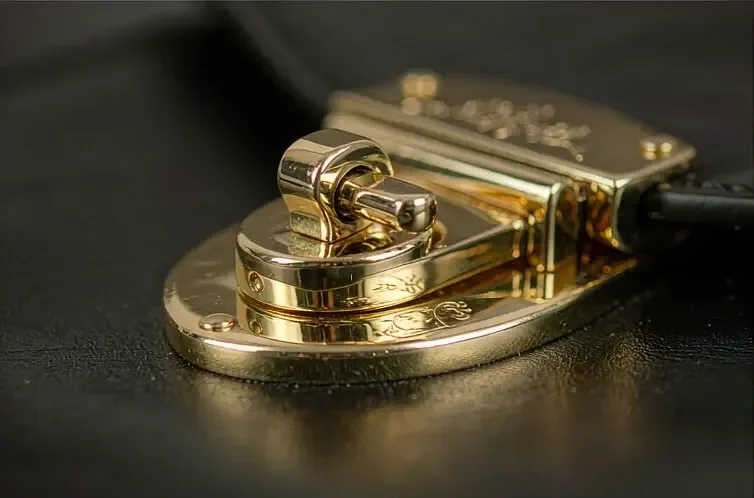
Reading a Test Report Without Being Misled
A test report is only as good as its scope, and four checks separate a useful report from a decorative one. Each takes a moment and each catches a specific way reports are quietly made to look better than they are.
Four checks on any leather test report
- Is the report for this lot, or for a representative sample from an earlier season?
- Does it name the zone of the hide the specimen was cut from?
- Does it state the endpoint: first visible change, or breakdown of the finish?
- Does it give the figure and the limit, or only a pass statement without numbers?
The fourth check removes the most common problem. A report stating pass with no figure attached cannot be compared with next season's report, cannot be defended to a retailer and cannot be used to reject a lot, which makes it decoration rather than evidence.
A full durability panel costs a few hundred units of currency and five to seven working days, against roughly USD 4.80 per unit to rework a fault found in bulk. Running the panel before sampling closes is the least costly decision in the whole programme.
Our programme works to MOQ 500 pcs per style and colourway, with sampling at 6-10 working days and complex bodies at 12-15, bulk at 35-50 days on FOB Xiamen terms, and inspection at AQL 2.5 under ISO 2859-1. It runs across 7 production lines with about 200,000 pcs per month of capacity and export experience since 2014, delivered through our validated partner factory Quanzhou Yingming Bags, an SGS-validated site.
Ask for the durability panel before sampling closes
Send us the silhouette and the destination markets. We will return the standards that apply, the figures we work to, and the cost of the full panel in working days, within two working days. Request a quote.
Frequently Asked Questions
What is the most important durability test for a luxury handbag?
None of them alone. Abrasion to ISO 17076-1, flex to ISO 5402-1 and rubbing to ISO 11640 between them cover most of what fails in service, and a twelve-week wear trial on 20-24 units catches the handling failures that no standard is written to find.
How many abrasion cycles should a luxury bag leather survive?
Twenty thousand cycles to ISO 17076-1 with no breakdown of the finish, which is the endpoint that predicts what a customer sees. A suede split is usually tested at 10,000, because a nap of 0.3-0.5 mm polishes well before the fibre beneath it is damaged.
Why is the wet flex figure lower than the dry one?
Because water plasticises the finish. A finish surviving 20,000 dry flexes and failing at 3,000 wet ones will crack at the fold of a gusset in a humid summer, roughly nine months after delivery and long past any point at which it can be corrected.
What tear strength should I specify?
A tear load of 30 N or better to ISO 3377-2, tested in both grain directions. Pair it with tensile strength of 15 N per square millimetre to ISO 3376 and with elongation recorded as a percentage, since two materials at the same tensile figure behave very differently.
Does stitching weaken the leather it holds?
Yes. Every stitch hole is a perforation, so raising stitch density improves appearance while reducing the tear resistance of the panel. Eight to nine stitches per inch is the range where the seam looks fine and the panel keeps enough strength to carry a handle load.
What colour fastness figures should a dark bag meet?
Grey scale 4/5 dry after 500 cycles and 4 wet after 250 cycles to ISO 11640, which is what predicts colour transfer onto a light garment. Add blue wool 4 or better to ISO 105-B02 and grey scale 4 for perspiration to ISO 11641 at the handle base.
How long should plating survive salt spray?
Twenty-four hours of neutral salt spray to ISO 9227 is the usual figure for a European destination. Moving to 48 hours for a humid or coastal market is a small specification change that removes the most common metal complaint on a delivered run.
What is a wear trial and how many units does it need?
Finished units carried in ordinary use for twelve weeks and inspected at weeks four, eight and twelve. Twenty to twenty-four units is enough to be indicative, and at least four should be returned unopened as a control so marks can be measured rather than argued about.
Do test reports need to be repeated for every lot?
For restricted substances, yes, and particularly for chromium(VI) under ISO 17075-1, which can form after the hide leaves the tannery. Physical figures such as abrasion and flex are re-tested per lot where the material source changes and per season where it does not.
How do durability figures become an inspection plan?
Each agreed figure becomes a checkable attribute: critical defects at zero acceptance, and major and minor defects at the AQL 2.5 limit under ISO 2859-1. On a 500 pcs lot at level II the plan uses code letter H, with 50 units drawn, accept 3, reject 4.
What does a durability test panel cost?
A few hundred units of currency and five to seven working days for the full set across seven standards, which is why it belongs at development stage. A fault found in bulk instead costs about USD 4.80 per unit in parts and bench time before freight.
Can a bag pass every test and still fail in service?
Yes. Standards test material and component behaviour, not the way a construction distributes load or the way a person handles a bag. That gap is precisely why a wear trial runs alongside the laboratory work rather than after it.
People Also Ask
What is ISO 17076-1 used for?
It measures the abrasion resistance of leather, usually reported as the number of cycles before the finish breaks down. Bag work commonly runs to 20,000 cycles, with suede splits assessed at lower counts because the nap changes before the fibre does.
What is the difference between tear strength and tensile strength?
Tear strength, ISO 3377-2, measures the load needed to propagate an existing cut, which governs behaviour at a perforated seam. Tensile strength, ISO 3376, measures resistance to being pulled apart and governs whether a panel can carry load at all.
Why do luxury bags fail at the hardware first?
Because metal and thread carry the concentrated loads. A closure cycles thousands of times, a strap attachment carries repeated shock, and plating is exposed to humidity, so those parts fail long before a hide of 1.2-1.4 mm shows wear.
How is colour transfer onto clothing tested?
By rubbing the leather against a standard cotton cloth under a fixed load for 500 dry and 250 wet cycles to ISO 11640, then reading the staining on the grey scale. Dark shades and nap surfaces are the cases most worth testing.
Is a laboratory pass enough for a luxury line?
No. A laboratory pass says the material met a number; it says nothing about how the assembled body distributes load or how the piece behaves after three months of handling, which is what a twelve-week wear trial on finished units is there to answer.
Sources and further reading
Every figure on this page is either our own programme data or attributed below. Open the originals before you write them into a specification.
- ISO — International Organization for StandardizationISO Publisher of ISO 17076-1 abrasion, ISO 5402-1 flex, ISO 3377-2 tear, ISO 3376 tensile, ISO 11640 rubbing and ISO 2859-1 sampling.
- Leather Working GroupLeather Working Group Tannery audit protocol that sits behind the material records quoted in a durability report.
- ECHA — European Chemicals AgencyEuropean Chemicals Agency Administrator of REACH, whose restricted substance list applies to the finishes and adhesives tested alongside the leather.
- CPSCU.S. Consumer Product Safety Commission Administrator of CPSIA, relevant to metal components and surface coatings on bags shipped to the United States.
- Sourcing JournalSourcing Journal Reporting on testing expectations, restricted substance enforcement and the durability claims luxury retailers now require in writing.