Luxury Handbag Waitlists and What They Signal: Three Kinds of Queue, What Each One Measures, and How to Size the Second Drop
What does a waitlist actually signal in luxury bags? It signals something precise only when you know which kind of queue you are looking at: a genuinely constrained drop, an engineered queue used to pace demand, or an open pre-order window that measures interest rather than intent. Each one implies a different second run, and each needs hides reserved 6-8 weeks before cutting rather than after names are collected.
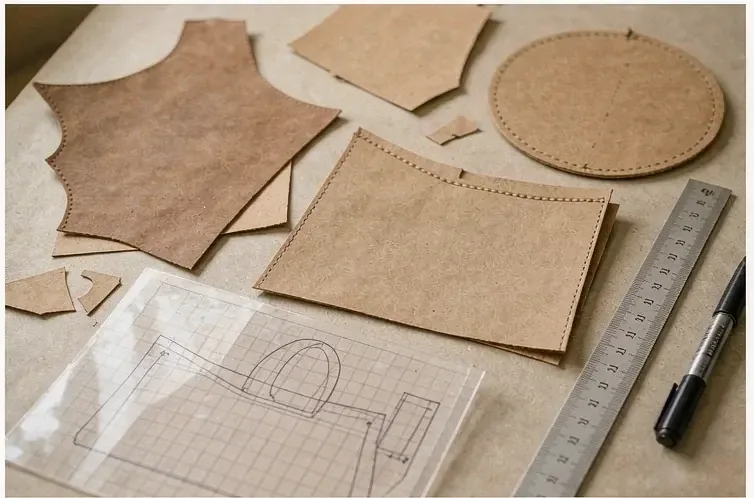
Three kinds of queue, and only one measures real demand
Every waitlist looks identical from the outside and means something different underneath. A constrained drop has genuinely fewer pieces than there are people who want them, usually because material or bench capacity was finite. An engineered queue is a decision to pace distribution. A pre-order window measures interest before commitment, and a name on it is worth far less than the other two.
Telling them apart matters because each one implies a different repeat. The first argues for a larger second run and reserved material. The second argues for holding the pattern open and keeping the queue warm. The third argues for nothing at all until money has moved, because stated interest converts at wildly different rates depending on whether a card was authorised.
The single most useful diagnostic is simple and slightly uncomfortable: ask how many names survived a request to pay something now. A queue that holds 70% through that step is demand. One that holds 25% was curiosity, and building a season on it is how labels end up with a second run nobody wants and material nobody else can use.
Reading a waitlist as a demand signal
A waitlist measures three things at once, which is why it is so easily misread. It measures absolute interest in a silhouette, it measures the depth of your relationship with the people on it, and it measures how credible your scarcity is. The third is the awkward one, because a queue that everyone knows will be satisfied in a fortnight teaches people to wait rather than buy.
- Planning assumption for conversion
- Commonly 20-35% of collected names convert to a firm order once payment is requested
- Second-run cost advantage
- A repeat usually lands roughly 8-12% below the first run once patterns and tooling remain open
- Hide reservation window
- Matching an article often needs hides booked 6-8 weeks before the intended cutting date
- Drop interval that keeps interest
- Eight to twelve weeks between drops without the piece disappearing entirely from sight
- Queue hygiene check
- Re-confirm the list at least once; unreviewed queues overstate demand by a wide margin
- Allocation habit
- Holding back a small share of each run for service stock prevents repair requests from becoming dissatisfaction
Note that the first line is deliberately called an assumption. Published conversion ratios borrowed from other categories do not travel, because the number depends entirely on whether payment was taken at signup and how long the wait has already been. Track your own once, then use it, and revise it after every drop rather than treating the first reading as a truth.
Constrained drop, engineered queue or open pre-order: item by item
The three approaches behave differently across every dimension that decides revenue, so choosing one is a structural decision rather than a marketing one. Below, each column is a complete posture with genuine advantages and a genuine cost, and none of them is free to abandon mid-season.
| Dimension | Constrained drop | Engineered queue | Open pre-order window |
|---|---|---|---|
| What it measures | Real demand against finite supply | Pacing control over a live demand pool | Interest before any commitment is made |
| Typical second run | Larger, with hides reserved early | Same size, repeated on a fixed cadence | Sized only after deposits are received |
| Effect on unit economics | Best repeat cost once tooling stays open | Steady and predictable across the season | Higher unit cost because nothing is amortised yet |
| Risk carried | Under-supply and visible frustration | Credibility loss if scarcity is doubted | Volume uncertainty before commitment |
| Materials implication | Reserve the article 6-8 weeks ahead | Standing material booking across drops | No material commitment before launch |
| Best applied to | Material-limited or technique-limited pieces | Core styles with a long intended life | First test of a silhouette or a new market |
Read the last row first. A material-limited piece should be sold as a constrained drop because it actually is one, and pretending otherwise puts an apology in front of a customer who would have accepted honest scarcity. Conversely a core style intended to run for years should not be rationed: pacing it with a queue invites exactly the doubt that erodes a long life.
What a waitlist implies for materials and capacity
The expensive mistake is collecting names before checking material. A second run is only efficient when it can be cut from an article already selected, and specific finishes are finite: asking a tannery to match one 6-8 weeks after the fact frequently produces a near match rather than the same piece. Near matches are visible in daylight on a structured panel, which is a difficult conversation to have with someone who has waited ten weeks.
- Before announcing, confirm that the article can be reserved against a plausible second run, and note the date that option expires.
- Size the queue against booked material rather than against optimism: if the second run cannot be cut, cap the list.
- Keep the pattern, the pattern cards and the tooling open between runs, since reopening costs more than keeping anything open.
- Plan the second cutting date around the tannery window rather than around the marketing calendar.
- Hold a small share of each run back as service stock, so that repairs and replacements do not consume allocation.
- Tell people honestly how long the wait is, and by preference quote a week rather than a season.
Capacity is the other half. Work for a second drop that arrives unannounced collides with whatever was already scheduled, which is how a popular piece quietly degrades a season. Our own rhythm does not change to absorb it: 6-10 working days for a sampling round, 12-15 for complex constructions, then 35-50 days to bulk, with inspection agreed at AQL 2.5 under ISO 2859-1 before the line starts and despatch FOB Xiamen.
The arithmetic of a second drop
Two numbers decide whether a repeat is worth running, and both sit comfortably inside the normal order structure. The first is what the second run costs once the first has paid for development: commonly 8-12% below the first run, because patterns exist, tooling is open and the initial difficulties have been solved once. The second is the minimum you can cut, which stays at 500 pcs per style and colourway.
Queue too small for a run
When 20-35% conversion puts you below 500 pcs per colourway, do not cut it. Either widen the offer to a second colourway of a body you already have, or hold the names and tell them honestly that the next window is later.
Queue comfortably above the minimum
Cut once, cut properly, and resist splitting it. Two smaller runs lose the cost advantage and double the number of opportunities to get finishing tolerance wrong at the end of each.
Queue far above expectations
Treat the overflow as a future colourway rather than a larger first run. Overshooting a first drop converts excitement into inventory, and inventory is where margins go to die quietly over two seasons.
Interest in a different colourway
Read that carefully. Requests for another colour on an existing body are the least costly growth available, because they share everything except material, which is why the hide should be reserved across both.
Repeat requests across seasons
Promote the piece to standing collection status and take it off limited language entirely. Credible scarcity requires genuinely limited things; a permanent style pretending otherwise teaches people to wait.
Requests for a closed pattern
Say no early. Reopening a closed block costs close to the original development, and quoting it honestly preserves credibility for the limited pieces you have not yet announced.
The third card carries most of the value in practice. Colourways on an existing body share pattern, tooling, construction learning and the hardest thing of all, which is knowing how a shape behaves at scale. Adding a colourway requires only material, and material is the one input you can deliberately reserve ahead of time.
Running a waitlist without damaging the brand
A queue is a promise administered over time, and it is judged on the same two things every other promise is judged on: whether it was honoured and whether the person was told the truth. Most damage done by waitlists has nothing to do with waiting. It comes from silence, from changed dates, and from the suspicion on the part of the person waiting that someone else was served first.
- Publish the allocation method before opening rather than after allocating, since retrofitted rules read as favouritism.
- Quote a window, not a moment, and then beat it; a week quoted and met beats a fortnight quoted and missed every time.
- Sequence fairly and say what the sequence is: order of joining, geography, or existing client standing are all defensible if stated early.
- Communicate once when little is happening. Silence during a wait is interpreted as a problem rather than as normality.
- Never reopen while people are still waiting; nothing makes a queue feel artificial faster than supply appearing beside it.
- Honour the price you announced, including against a materials move, because the wait is the premium being paid.
Ask whether you would be comfortable publishing how many pieces exist and how many names are on the list. If not, the queue is engineered and the line between pacing and theatre has already been crossed, which is why transparency should be decided at launch rather than when someone asks.
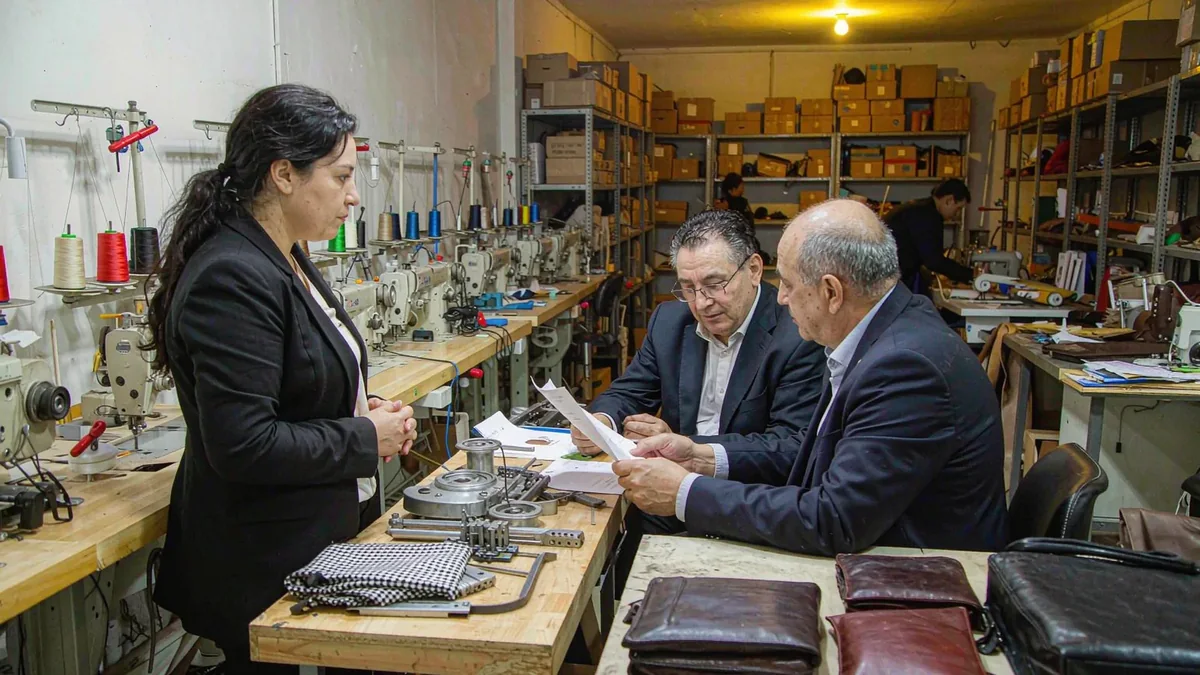
When a queue is a supply problem rather than demand
Sometimes a waitlist diagnoses your own planning rather than your popularity. If a piece queues while another sits unsold, ask whether the first was cut too shallow rather than whether it succeeded. Under-ordering produces the same visible outcome as demand exceeding supply, and the difference matters enormously for what you do next with both the material and the calendar.
The diagnostic is unglamorous: compare the queue against your own forecast confidence before the drop, not after it. A piece that was cut conservatively because the forecast was uncertain is not evidence of anything except caution, and caution should be corrected in the next season's depth rather than celebrated as desirability in a note to buyers.
Turning one waitlist into a repeatable programme
The transition worth making is from event to cadence. A single queue is a marketing moment; a queue that runs every eight to twelve weeks with honest allocation becomes a distribution model, and it does three commercially useful things: it funds material reservation in advance, it tells you which bodies deserve another colourway, and it converts inventory risk into a scheduling problem that can actually be managed.
Programmes like this sit well on top of ordinary timing. Nothing about a cadence changes our working numbers — 6-10 working days to a sample, 35-50 days to bulk, 500 pcs per style and colourway, AQL 2.5 inspection agreed before the line starts, FOB Xiamen despatch. What changes is that the material for drop two is booked while drop one is still being finished, delivered through our validated partner factory Quanzhou Yingming Bags, which is the part most difficult to arrange after the fact.
Reserve the material before you open the list
Tell us the body, the colourway plan and the cadence you want, and we will return what can be reserved against a second drop, with dates, before you announce anything. Request a quote.
Frequently Asked Questions
What does a waitlist actually signal about demand?
It signals something precise only once you know which kind of queue it is. A constrained drop against finite material reflects genuine scarcity; an engineered queue reflects a decision to pace; an open pre-order reflects interest rather than intent. Ask for payment at signup and the ratio that survives tells you which of the three you have.
How many names convert into real orders?
A workable planning assumption is 20-35%, though the figure depends almost entirely on whether payment was taken at signup and how long the wait already is. Borrowing a ratio from another category rarely helps. Measure your own once, revise it after each drop, and always plan quantities against the conservative end of your own range.
Is it better to cut one larger run or two smaller ones?
One larger run, nearly always. Splitting loses the 8-12% cost advantage of repeating an open pattern, doubles changeover risk, and doubles the number of chances to get finishing tolerance wrong. The only good reason to split is a genuine material limitation, in which case say so rather than presenting it as scarcity.
How far ahead must material be reserved for a repeat?
Matching a specific article commonly needs hides booked 6-8 weeks before cutting. Rematching later usually produces a near match rather than the same piece, and near matches are visible in daylight across a large structured panel. Reserve against a plausible second run while announcing, and note when that option expires.
What happens if the queue is smaller than the minimum?
Below 500 pcs per colourway a run does not work. Either add a second colourway to a body already in the collection, which shares everything except material, or hold the names with an honest date for the next window. Cutting shallow to satisfy a list is how labels convert strong demand into weak margin.
How often should drops repeat?
Eight to twelve weeks keeps interest compounding without letting the piece disappear long enough to be forgotten. Shorter intervals train people to wait rather than buy, while longer ones allow the interest to dissipate. Whichever cadence you pick, publish it, because predictability is what turns a one-off event into a distribution model.
Does a waitlist damage resale value?
It usually supports it, because scarcity at the primary level holds the secondary figure up. The damage comes from the reverse: an obviously endless supply behind a queue labelled limited. Shoppers check availability before paying a resale premium, and they read a reopened waitlist as an admission rather than as good news.
How should allocation be decided?
Publish the rule before opening the list rather than explaining it afterwards. Order of joining, geography or existing client standing are all defensible if stated early, and all read as favouritism if revealed later. Whatever method you use, apply it once and resist exceptions, which are noticed faster than expected.
Should the price change between the first and second run?
No. Hold the announced price even if material cost moves, because the wait is itself the premium being paid and honouring it is what buys goodwill for the next launch. If costs genuinely shifted, absorb it on the first repeat and adjust on the following one, with the change visible rather than disguised.
When is a queue a sign of my own planning error?
When a piece queues while another sits unsold, compare against your pre-drop forecast rather than celebrating the demand. Cutting too shallow produces the same visible outcome as genuine scarcity, and confusing the two leads to the wrong conclusion: a change in marketing rather than a needed change in depth.
People Also Ask
What is the difference between a waitlist and a pre-order?
A waitlist usually ranks people against a fixed allocation, while a pre-order sells against a window with payment taken upfront. The pre-order predicts more reliably because money has moved, though it commits you to delivering against uncertain volume before material is reserved.
How do I tell pleasing scarcity from a real shortage?
Ask how many pieces exist and whether the count is published. Real scarcity is usually material-driven and can be described honestly; nothing about it embarrasses anyone. If the number cannot be said out loud, the queue is pacing, which is legitimate when admitted and corrosive when disguised.
Why do second runs cost less than first runs?
Because patterns exist, tooling is open and the construction difficulties were solved once already. The saving is commonly 8-12%, and it disappears entirely if anything is allowed to close between drops, which is why keeping the pattern alive matters more than any single negotiation.
Should I cap the number of names on the list?
Yes, against what you can actually supply. An uncapped list is an obligation you did not mean to take on, and truncating it later creates precisely the frustration the queue was meant to avoid. If supply is genuinely uncertain, say that before people join.
What is the safest way to test a new silhouette?
An open pre-order against an uncommitted calendar. It measures real interest through deposits without committing material, and it lets you walk away from a piece that would otherwise have been cut confidently and then quietly marked down for two seasons.
Sources and further reading
Every figure on this page is either our own programme data or attributed below. Open the originals before you write them into a specification.
- Business of FashionBoF Insights Publishes reporting on drop models, allocation practice and how scarcity claims are received in personal luxury goods.
- Sourcing JournalSourcing Journal Covers material availability and capacity constraints, including how far ahead hides and components need reserving.
- Leather Working GroupLeather Working Group Publishes tannery ratings used when reserving an article across more than one production drop.
- ISO — standards catalogueInternational Organization for Standardization Publisher of ISO 2859-1 inspection sampling and the leather test methods referenced in a repeat run's quality plan.
- FashionUnitedFashionUnited Open trade coverage useful for reading category direction and comparing drop cadences across comparable labels.