Luxury Handbag OEM for Capsule Collections: Planning a Numbered Limited Drop
A capsule collection is a short, deliberate drop rather than a small seasonal line, and it is planned with different numbers. Six SKU built from three silhouettes in two colourways is the practical ceiling, because the minimum sits at 500 pcs per style and colourway and six SKU therefore means 3,000 pieces. The whole drop is cut from one dye lot so the colour reads identical across every piece, sampling is compressed into a 6-week calendar, and each unit carries a foil-stamped number from 1 to 500. Release is at AQL 2.5 under ISO 2859-1.
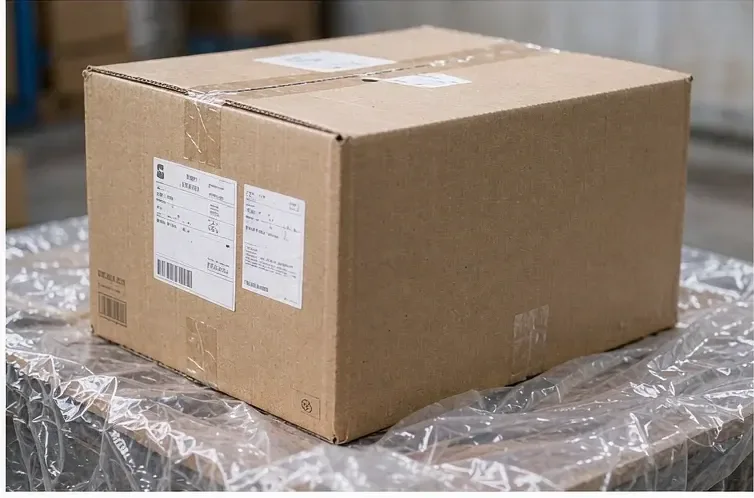
What Makes a Capsule Different From a Seasonal Collection?
A capsule is planned around a single idea and a fixed quantity, whereas a seasonal collection is planned around a selling season and restocked on demand. That difference decides everything downstream. A capsule has no reorder: when the numbered pieces are gone, the drop is closed. A seasonal line has a reorder path, which means the pattern, the tooling and the material bookings are held open for months.
Because there is no reorder, the planning discipline moves to the front. Every decision that a seasonal brand can revise after week twelve has to be right in week one of a capsule: the dye lot, the numbering sequence, the presentation and the launch quantity. In return, the capsule gets something a seasonal line cannot have, which is one lot of leather cut for one purpose. That is why capsules are often the best-finished pieces a brand ever ships.
There is a commercial reason too. A capsule is how a label tests a price point without committing the main line to it. Because the drop closes, an ambitious price can be tried on 500 numbered pieces and quietly withdrawn afterwards, whereas the same price on a seasonal line has to be defended for a year and appears in every comparison a buyer makes. Brands that use capsules this way tend to run one a season and treat the results as research rather than as revenue.
How Many Pieces Should a Capsule Carry?
Six SKU is the practical ceiling for a first capsule: three silhouettes in two colourways. The limit is not creative, it is arithmetic. With a minimum of 500 pcs per style and colourway, three silhouettes in two colourways is 3,000 pieces, and most designer brands do not want that much stock of a shape they have never sold. Two silhouettes in two colourways brings the floor to 2,000, which is the size we recommend most often.
| Capsule shape | SKU count | Piece count at minimum | Who it suits |
|---|---|---|---|
| One silhouette, one colourway | 1 SKU | 500 pcs | A first numbered experiment or a boutique exclusive |
| Two silhouettes, one colourway | 2 SKU | 1,000 pcs | A brand testing a shape pair on one dye lot |
| Two silhouettes, two colourways | 4 SKU | 2,000 pcs | The recommended first capsule for most designer labels |
| Three silhouettes, two colourways | 6 SKU | 3,000 pcs | Established labels with the retail accounts to place it |
| Four silhouettes, two colourways | 8 SKU | 4,000 pcs | Only with confirmed boutique orders in hand |
How Do You Keep a Small Run Inside the Minimum?
Cut SKU, not pieces. The minimum is defended per style and colourway because each colourway is a separate dye lot and a separate cutting plan, so the saving available to a capsule is structural rather than negotiable. A brand that wants 1,000 pieces can have them as two silhouettes in one colourway, but not as four silhouettes at 250 each. The second option costs the bench more, not less.
- Share the base pattern across two silhouettes so that only the flap, the handle or the scale changes between them.
- Use one leather across the whole capsule. A single dye lot keeps colour identical and lets the tannery hold one booking.
- Use one hardware finish across the capsule so the plating is ordered once and the locks share a tooling set.
- Let the colourway do the work. Two colourways of one silhouette reads as a range on a shelf and costs one pattern.
- Reserve the third silhouette for the reorder, when the first two have told you what customers actually carried.
The second lever is scale rather than SKU. A silhouette that works at 24 cm will very often work at 19 cm and at 29 cm, and the three sizes share one pattern family, one hardware set and one dye lot. Presenting them as a size trio instead of three unrelated shapes keeps the piece count high enough for the minimum while the development cost stays near that of a single piece. It also answers the boutique objection about a thin shelf better than three different shapes do.
Which Materials Make a Capsule Feel Limited?
Rarity in a capsule comes from the surface and the number, not from scarcity of the base leather. A full-grain calfskin at 1.2-1.4 mm is the right base for most drops because it holds an emboss cleanly and takes an edge finish well; the limited feeling is then carried by a hand-applied finish, a foil number and a presentation that is specific to the drop. Exotic trim can be used, but it brings a CITES document path that a 6-week calendar rarely survives.
Hand-burnished edge
Edge paint in 3 coats at 0.9 mm, hand-burnished between coats. It reads as a bench finish rather than a sprayed one and it is visible at arm's length.
Foil-stamped number
Each unit is stamped on the interior tab with its edition number, 1 to 500, at 2.5 mm cap height using foil applied at 120 degrees Celsius.
GRS-recycled lining
A Global Recycled Standard lining gives the capsule a material story that can be documented, which is increasingly what boutique buyers ask for.
What a capsule should not do is change the base leather for the sake of novelty. A novelty hide usually arrives with a shorter material record, an unfamiliar skiving behaviour and a minimum of its own, and all three arrive at the worst possible moment in a compressed calendar. If a brand wants a distinctive surface, the cheaper and better-documented route is a full-grain calfskin at 1.2-1.4 mm carrying an emboss or a hand-burnished top finish, because the bench already knows how that hide behaves at every station.
How Tight Can the Sampling Calendar Go?
A capsule can be sampled in a 6-week calendar, but only if all three silhouettes are developed at once. Development of a single structured piece runs 6-10 working days, and a complex piece with carving, a turned edge or an exotic element runs 12-15. Running three silhouettes in parallel rather than in sequence is what keeps the total at six weeks; running them one after another stretches the same work across most of a season.
- Week 1: specification locked at 14 lines per silhouette, dye lot booked at the tannery, hardware finish ordered.
- Week 2: patterns cut and the first fit sample built for all silhouettes together.
- Week 3: geometry corrected, one variable per silhouette per round.
- Week 4: material and finish samples approved under D65 light with a sealed reference swatch.
- Week 5: presentation samples built, numbering scheme and certificate card signed off.
- Week 6: pre-production meeting held, AQL 2.5 inspection booked, bulk released.
The calendar only holds at six weeks if one more condition is met: the brand replies inside 48 hours at every approval gate. In practice the elapsed time on a delayed capsule is rarely bench time, it is waiting time between a sample leaving the workshop and the correction coming back. A drop can lose three weeks to email alone, which is more than the entire development work takes. Naming one decision maker on the brand side at the start prevents most of it.
What Does Numbered Presentation Require?
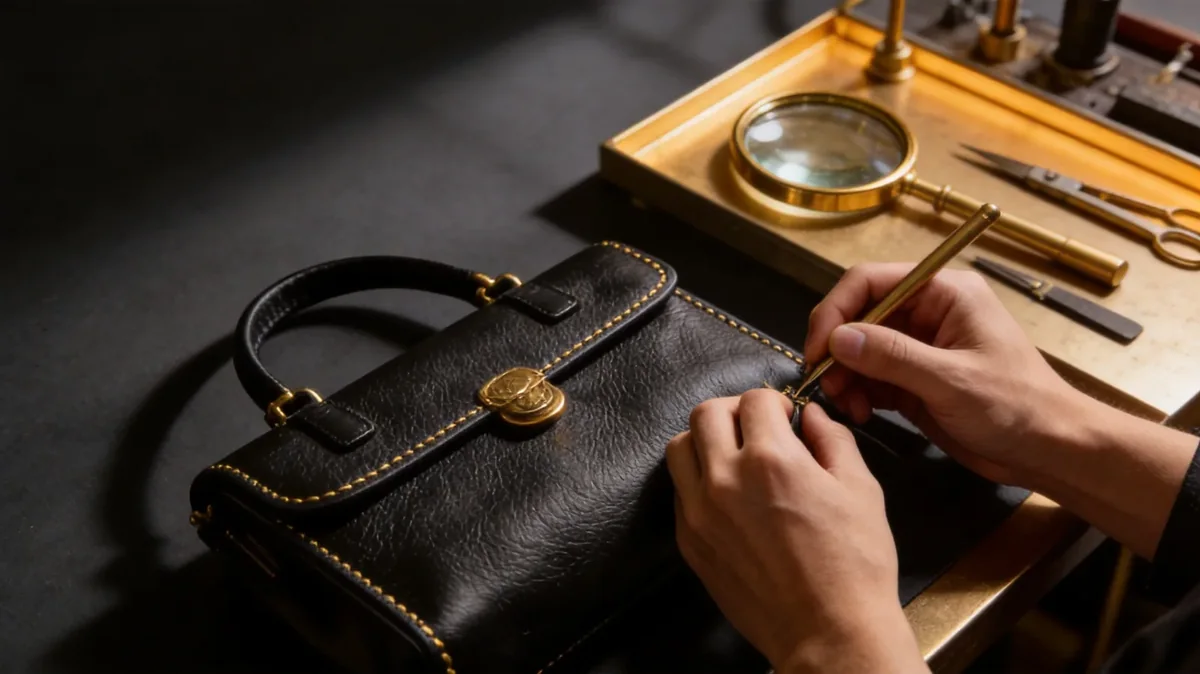
Numbered presentation is a small set of printed and stamped items that has to be specified as early as the leather, because the printer and the foil die have their own lead times. The certificate card is the one that surprises people: it is a 300 gsm uncoated board carrying the edition reference, the number and the material note, and it is ordered in the same week as the leather, not in the week before packing.
- Numbering sequence
- 1 to 500, stamped on the interior tab
- Foil stamp
- 2.5 mm cap height, applied at 120 degrees Celsius with a 2 second dwell
- Certificate card
- 300 gsm uncoated board, edition reference and material note
- Dust bag
- Brushed cotton flannel at 120 gsm, drawstring closure
- Outer box
- Rigid board with a 1.5 mm wall, wrapped and foil-blind stamped
- Edge finish
- 3 coats, final edge thickness 0.9 mm
- Release standard
- AQL 2.5 under ISO 2859-1
What Is the Honest Cost Picture on a Short Run?
A short run costs more per piece than a long one, and the reason is setup rather than material. Every capsule carries the same pattern development, the same foil die, the same printed card and the same inspection, spread over fewer units. The trade term is quoted FOB Xiamen, and sample handling is charged at USD 4.80 per piece and credited against the bulk order. What a capsule buys in exchange is a piece that can be priced above the main line because it is numbered.
Where the setup sits
- Pattern development, the foil die, the printed certificate card and the inspection fee are fixed costs that do not shrink with the run. Spread them over 2,000 instead of 500 and the per-piece figure falls without a single material change. That is the arithmetic behind every recommendation to keep the SKU count low.
The two costs that do move with the drop are packaging and freight, and both are worth quoting separately so the comparison between two capsule shapes is honest. A rigid presentation box adds weight and volume to every carton, and on a 2,000 piece drop that difference is a freight line rather than a rounding error. Ask for the packaging and the freight as separate figures before you choose between two presentation routes.
When Should a Capsule Become a Permanent Line?
Promote a silhouette when it has sold through twice, not when it has sold well once. A single fast sell-through can be a distribution effect; two consistent ones are demand. The promotion path is straightforward because the pattern and tooling already exist: the piece moves onto the 35-50 day bulk calendar, the numbering stops, and the material booking becomes a standing one at the tannery instead of a single lot.
One caution on promotion. A piece that sold because it was numbered will not always sell once the number is removed, and that difference is worth measuring before the reorder is placed. Where the number was doing most of the work, the better move is to keep the silhouette inside the capsule programme and run it again with a new edition reference and a new colourway. That preserves the scarcity that made it sell, and it avoids a permanent line carrying a shape the market never wanted at full price.
Decide at the specification stage whether the number stays exclusive to the capsule. If it does, the promoted piece needs a new interior tab without the stamp, and that tab should be drawn up in week one rather than in the week the reorder is approved.
Planning a numbered capsule?
Send the silhouette count, the colourway count and the launch date. We will return the piece count, the 6-week sampling calendar and the presentation specification. Reach the programme team at contact-quote.
Frequently Asked Questions
What is the smallest capsule a brand can run?
One silhouette in one colourway at 500 pcs is the floor, since the minimum is 500 pcs per style and colourway. Two silhouettes in one colourway gives 1,000 pcs and reads as a range on a shelf. Most first capsules land at 2,000 pcs across two silhouettes and two colourways.
Why does the minimum apply per colourway and not per style?
Each colourway is a separate dye lot and a separate cutting plan at the tannery and on the bench. A run of 250 in each of two colours costs more to set up than 500 in one, so the minimum is defended at the colourway level.
How many silhouettes should a first capsule carry?
Two. A shared base pattern across two silhouettes keeps pattern development and tooling to one set, while the flap, handle or scale difference is enough to read as a range. Add the third silhouette on the reorder when there is real sell-through data. A size trio shares the pattern family, which is another way to fill a shelf without new development.
Can all pieces in a capsule come from one dye lot?
Yes, and that is the main finish advantage of a capsule. One lot keeps colour identical across every unit, which is difficult to achieve on a seasonal line that reorders across several months. Book the lot in week one, because the tannery will not hold it against a verbal request.
How is the edition number applied?
The number is foil-stamped onto the interior leather tab at 2.5 mm cap height, using foil applied at 120 degrees Celsius with a 2 second dwell. Stamping happens before final assembly so the tab can be rejected and replaced without unpicking the bag. The die is cut to the tab size, so it is ordered in the same week as the leather.
What should the certificate card be printed on?
A 300 gsm uncoated board carrying the edition reference, the unit number and the material note. It is ordered in the same week as the leather because printed items have their own lead time and are the item most often left to the last minute.
How long does capsule development take?
Six weeks from locked specification to bulk release, provided all silhouettes are developed in parallel. A single structured piece takes 6-10 working days and a complex piece 12-15; developing them one after another rather than together is what turns six weeks into most of a season.
Does a capsule cost more per piece than a main line?
Yes. Pattern development, the foil die, the printed card and the inspection are fixed costs spread over a shorter run. The compensation is pricing: a numbered piece can be positioned above the main line, and quotations are issued FOB Xiamen. Presentation and freight should be quoted as separate lines so the comparison between two drops is honest.
Can exotic skins be used in a capsule?
They can, but the document path rarely fits a 6-week calendar. CITES re-export permits take 4-6 weeks on their own. A capsule is better served by a hand-burnished calfskin edge and a foil number than by an exotic trim that arrives late. A trimmed exotic panel also cannot be re-cut, so a late crate has no second attempt available to it.
What is the sample handling charge?
Sample handling is charged at USD 4.80 per piece and credited against the bulk order. On a capsule the charge usually covers three silhouettes in development at once, so the credit is worth more than on a single-piece programme. Three silhouettes in development at once is the usual capsule pattern, so the credit is substantial.
How do you stop number duplication between units?
The numbering schedule is issued as a printed control sheet with every number listed, and the bench marks each number off as it is stamped. The inspector then reconciles the sheets against the carton list at AQL 2.5 before the goods are released. Numbers are also stamped before assembly, so a spoiled tab never reaches a finished piece.
When should a capsule piece join the permanent line?
After two consistent sell-through periods. The pattern and tooling already exist, so the piece moves onto the 35-50 day bulk calendar and the material booking becomes standing. The numbering stops, and a new interior tab without the stamp is drawn up. The piece also moves onto the reorder calendar, where the bulk window is 35-50 days.
People Also Ask
What is a capsule collection in fashion?
A small, deliberate drop built around one idea and a fixed quantity, with no reorder. It differs from a seasonal collection, which is restocked on demand and held open for months.
Why are capsule collections more expensive per piece?
Fixed setup costs such as pattern development, foil dies, printed cards and inspection are spread over a shorter run. The trade-off is that numbered pieces can be priced above the main line.
How many pieces should a limited edition have?
Enough to cover the minimum across the SKU and no more. With 500 pcs per style and colourway, two silhouettes in two colourways is 2,000 pieces, which suits most designer labels.
What makes a bag feel limited edition?
A hand-burnished edge, a foil-stamped edition number, a documented material and a presentation specific to the drop. Scarcity is carried by finish and numbering rather than by the base leather.
Should a capsule use one leather throughout?
Yes. One dye lot across the drop keeps colour identical between every piece and lets the tannery hold a single booking, which is the finish advantage a capsule has over a seasonal line.
Sources and further reading
Every figure on this page is either our own programme data or attributed below. Open the originals before you write them into a specification.
- Textile ExchangeTextile Exchange Home of the Global Recycled Standard used to certify recycled linings in capsule presentation.
- Leather Working GroupLeather Working Group Tannery environmental audit protocol referenced when a capsule books a single dye lot.
- ISO Online Browsing PlatformInternational Organization for Standardization Catalogue for ISO 2859-1 sampling plans and ISO 11644 finish adhesion testing.
- FashionUnitedFashionUnited Trade reporting on limited edition drops and designer collection calendars.