Luxury Handbag Material Swatch Guide: What to Order, How to Read It and the Record That Makes Approval Stick
What should a luxury handbag material swatch set contain? Three pieces per hide cut from the back, the shoulder and the belly, each at least 100 x 150 mm so the grain and the handle can be read, plus the lining, the interlining at 0.8 mm, the thread at 0.45 mm and a numbered hardware finish chip. Shade is approved under D65 light against a tolerance, and the approval is recorded against the batch number rather than against a name.
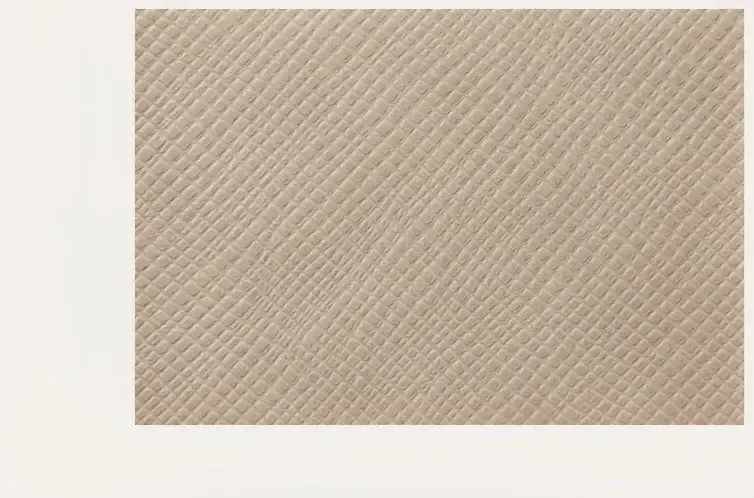
What a Swatch Set Is For
A swatch set is not a mood board. It is the physical reference against which bulk will be matched, and its purpose is to remove the two arguments that cost the most time in this trade: what shade was approved, and whether the hide supplied is the hide that was approved.
Three consequences follow. Every swatch must be labelled with a batch. Every approval must be written against that batch. And the set must be large enough to show how the material behaves rather than only how it looks, which is why a 40 mm square is not adequate for a hide that will be cut into panels.
It is also worth being clear about what a swatch set is not for. It is not the place to decide the design, and it is not a substitute for a sealed reference made in the finished construction. A hide behaves differently as a flat piece, as a panelled gusset and as a folded handle, and only the last of those is what the customer will handle. Approve the swatch to settle the material, and approve the sample to settle the piece.
Checklist: What Every Swatch Card Must Carry
Eleven fields, and a card missing the fourth or the ninth will not resolve the argument it was ordered to resolve.
- Material name and the tannery or house it came from, stated plainly.
- Batch or lot number, which is the single most important field on the card.
- Thickness, measured in millimetres at 1.2-1.4 mm for a structured piece.
- Finish description: aniline, semi-aniline, pigmented, or any surface treatment applied.
- Colour reference, whether a house reference, a Pantone code or a numbered chip.
- Cut position on the hide: back, shoulder or belly, since the three differ.
- Date the swatch was cut, and the date it was approved.
- Intended use: shell, gusset, handle, trim or lining.
- Any test result attached: rub, flex, or a restricted substance declaration.
- Signature or initials of the person who approved it.
- A photograph of the approved piece under D65 light, attached to the same record.
The second field carries most of the weight. A shade approved against a name rather than a batch is a shade that can be re-supplied differently and argued about indefinitely, because both sides will be right about what they remember.
How Many Swatches to Order
Three per hide and one per component, with a spare set held back, is the working rule.
| Component | How many | Minimum size | Why |
|---|---|---|---|
| Shell leather | Three per hide, cut from back, shoulder and belly | 100 x 150 mm | Grain, handle and thickness differ across the hide |
| Lining | One per colourway | 100 x 150 mm | To check transfer against a dark cloth and show-through |
| Interlining | One per weight considered | 100 x 100 mm | To compare 0.8 mm against 1.0 mm at the fold |
| Thread | A short length on card | Not applicable | To confirm 0.45 mm and the shade against the leather |
| Hardware finish | One chip per finish, numbered | 25 x 25 mm | A finish described as brushed or antique has no meaning without a chip |
| Edge finish | One coated strip | 50 mm long | To judge three thin coats against a single thick one |
The minimum sizes are not arbitrary. Below 100 x 150 mm a piece cannot be folded or flexed, and a swatch that cannot be handled has told you the colour and withheld everything else.
Reading a Leather Swatch Properly
Five things are read, in this order, and the order matters because the first two are the ones people jump to and the last is the one that decides bulk.
- Shade
- Under D65 light at a fixed distance, against the numbered chip, not against memory
- Grain
- Natural grain varies across the hide; check the belly piece as well as the back
- Handle
- How the piece feels and how it recovers when folded, which is structure rather than softness
- Thickness
- Measured, at 1.2-1.4 mm for a structured piece, and consistent across the three positions
- Behaviour at a fold
- Fold it, hold it, release it: this is what predicts whether a panel will hold a shape
The fifth is the one that predicts bulk. A hide that folds beautifully and springs back will make a structured piece that holds its silhouette; one that folds and stays folded will make the same pattern into a slouching bag, and no amount of interlining will fully correct it.
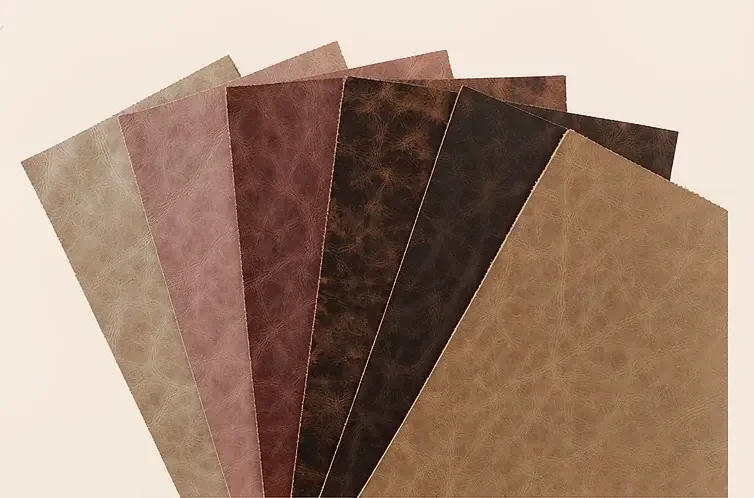
Lining, Interlining and Thread
The supporting materials are approved at the same time as the shell, and doing so separately is a reliable way to lose a week later.
- Lining: check show-through against the shell, and rub it against a dark cloth to check transfer.
- Interlining: compare 0.8 mm against 1.0 mm at the fold, and choose the lighter one that still holds the panel.
- Thread: confirm 0.45 mm and the shade, remembering that thread reads darker when sewn than on the card.
- Adhesives: ask what is used at the fold, since a stiff adhesive will defeat a supple interlining.
- Edge coating: ask for a coated strip, because the strip is what shows whether three thin coats were used.
The thread note surprises people regularly. A thread that matches the leather perfectly on the card will read as darker once it is sewn into the surface, because it sits below the plane of the grain and catches less light. Approving thread flat on a card is the commonest way to end up with a visible seam on a tonal piece.
Hardware Samples and Finish Chips
Hardware is approved from a chip and a drawing rather than from a description, and the chip is the part that settles disputes.
Finish chip
A numbered physical sample of the finish. Brushed, antique, polished and satin mean different things to different houses, and the chip is the only shared meaning.
Plating thickness
Stated at 0.15-0.3 microns on the drawing, and supported by salt spray testing at 24 to 48 hours from an independent laboratory.
Fitting sample
One working fitting, cycled ten times, so the action can be judged rather than the appearance alone.
Colour match
The metal shade against the leather swatch under the same D65 light, since brass and gold-toned leather can clash badly.
The last card is the one that gets discovered late, usually at the first bulk inspection. A brass fitting approved against nothing but its own photograph can read green against a warm tan and red against a cool grey, and the only way to know is to put the two together under one light.
Exotic Skins: The Additional Steps
A skin is not a hide and the swatch process differs in four specific ways, all of them driven by the fact that each skin is individual.
- Grade the skin before cutting, and record the grade on the swatch card rather than in correspondence.
- Confirm that the graded skin can supply the full quantity, since one skin does not imply 500 pieces.
- Record the CITES documentation requirement at selection rather than at packing, because it is a documentation job.
- Approve the scale or grain pattern from the actual skin, since no two are alike and a photograph cannot substitute.
The second step is the one that protects the calendar. A skin approved without checking that the grade can supply the run produces an approval that cannot be fulfilled, and the discovery is made after the material has been ordered.
Storing and Labelling a Swatch Library
A swatch library is a record system, and like any record system it is only as good as its weakest label.
- Keep swatches away from direct daylight, since leather fades and a faded reference approves a colour nobody chose.
- Store flat and unbent, because a creased swatch reads differently at the fold from a flat one.
- Label every card with batch, date and the style it was approved for, in that order.
- Hold one spare set in a second location, because a single lost card is a single lost argument.
- Review the library annually, since shade references drift and old cards stop matching new production.
The fifth habit is the one houses resist and later appreciate. Leather is a natural material and tannery output shifts; a card approved three seasons ago may no longer be producible, and finding that out at approval is better than finding it out at inspection.
Swatch Approval: The Written Record
Approval is one document, and it contains six lines. Anything less leaves the approval in someone's memory rather than on paper.
Six lines on a swatch approval
- Material name, house and batch number, written in full rather than abbreviated.
- Thickness at 1.2-1.4 mm for a structured piece, and the cut positions approved.
- The shade reference and the light it was approved under, which is D65 by default.
- The tolerance accepted for shade variation, stated as a figure rather than as a description.
- The hardware finish chip number and the plating thickness, at 0.15-0.3 microns.
- The date, the name of the person approving, and the style and colourway it applies to.
A shade approved against a name can be re-supplied differently and argued about forever, with both sides right about what they remember. The batch number is what makes the approval enforceable.
Swatch Mistakes That Cost Rounds
Five mistakes recur, and each is procedural rather than aesthetic.
| Mistake | What it causes | The correction |
|---|---|---|
| Approving from a 40 mm square | No way to judge grain, handle or fold behaviour | Require 100 x 150 mm and fold it before approving |
| Approving under mixed lighting | A shade agreed in warm light and rejected in daylight | Approve under D65 and state the light on the record |
| Approving a name rather than a batch | A re-supplied hide that both sides remember differently | Write the batch number on every approval |
| Approving thread flat on a card | A visible seam on a tonal piece once sewn | Sew a test run and approve the seam, not the card |
| No spare set held | A lost reference at the moment it is needed most | Order two sets and store the second elsewhere |
The value of the list is that it is short and fixed. A house that runs it on every style will find that material disputes essentially disappear, not because the material never varies but because the variation is always measured against something written down.
One further habit is worth adding, because it costs nothing and resolves the category of dispute the list above does not cover. Ask for a cutting retention: a piece of the actual hide used for the sealed reference, tagged with the same batch number and kept with the reference itself. When a bulk delivery is questioned six months later, the fastest resolution is to put the retained cutting, the reference and the delivered piece side by side under D65 and look at them. That comparison takes ninety seconds and settles what a week of correspondence will not.
From Swatch Approval Into Sampling and Bulk
Approved swatches feed straight into the sample: 6-10 working days, or 12-15 where the piece carries a framed opening, an exotic skin or engineered hardware. Once the sample is approved, the programme runs on fixed terms: MOQ 500 pcs per style and colourway, bulk in 35-50 days, inspection at AQL 2.5 under ISO 2859-1 with third-party inspection available, and handover on FOB Xiamen terms. Export experience on this programme runs since 2014 across 7 production lines with about 200,000 pcs per month of capacity, delivered through our validated partner factory Quanzhou Yingming Bags.
Request a swatch set for your programme
Send the material direction, the intended silhouettes and the quantity, and we will return a labelled swatch set with batch numbers and finish chips. Request a quote.
Frequently Asked Questions
What should a luxury handbag material swatch set contain?
Three leather pieces per hide cut from the back, shoulder and belly, each at least 100 x 150 mm, plus the lining, interlining at 0.8 mm, thread at 0.45 mm, a coated edge strip and a numbered hardware finish chip.
Why three pieces from one hide?
Because grain, handle and thickness differ across it. The back is firm and even, the belly is looser, and approving only the back produces a specification that part of the hide cannot meet.
How large should a leather swatch be?
At least 100 x 150 mm. Below that it cannot be folded or flexed, and a swatch that cannot be handled tells you the colour and withholds the grain, the handle and the fold behaviour.
What fields belong on a swatch card?
Eleven: material name and house, batch number, thickness, finish description, colour reference, cut position, dates cut and approved, intended use, any test result, the approver's initials and a photograph under D65 light.
Why is the batch number the most important field?
Because a shade approved against a name rather than a batch can be re-supplied differently and argued about indefinitely, with both sides right about what they remember. The batch makes the approval enforceable.
What light should swatches be approved under?
D65, the standard daylight reference, at a fixed distance and stated on the record. Approving under mixed or warm lighting produces a shade agreed in one room and rejected in another.
How is shade tolerance recorded?
As a figure measured against the numbered chip rather than as a description. Words like close or acceptable cannot be applied later; a measured tolerance can, by either side.
Why does thread read differently once sewn?
Because sewn thread sits below the plane of the grain and catches less light, so it appears darker than on the card. Approve a sewn test run rather than a length laid flat.
What is a hardware finish chip?
A numbered physical sample of the finish. Brushed, antique, polished and satin mean different things to different houses, and the chip is the only meaning both sides can hold.
How should hardware be specified alongside the chip?
With the plating thickness at 0.15-0.3 microns and salt spray testing at 24 to 48 hours from an independent laboratory, plus a working fitting cycled ten times so the action can be judged.
What extra steps do exotic skins require?
Four: grade the skin and record the grade, confirm the grade can supply the full quantity, record the CITES documentation requirement at selection, and approve the actual skin rather than a photograph.
How should a swatch library be stored?
Flat, unbent and away from direct daylight, since leather fades and a faded reference approves a colour nobody chose. Label by batch, date and style, and hold a spare set elsewhere.
Should the swatch library be reviewed?
Annually, yes. Leather is a natural material and tannery output shifts, so a card approved several seasons ago may no longer be producible, which is better discovered at approval than at inspection.
What happens once swatches are approved?
Sampling in 6-10 working days, or 12-15 for a framed opening, an exotic skin or engineered hardware, then bulk in 35-50 days at MOQ 500 pcs per style and colourway, inspected at AQL 2.5.
People Also Ask
What is a material swatch in handbag development?
A labelled physical reference for leather, lining, interlining, thread and hardware, approved against a batch number and used to match bulk.
How many leather swatches should I request?
Three per hide, from the back, shoulder and belly, each at least 100 x 150 mm, plus a spare set stored separately.
Why do swatch approvals get disputed?
Usually because the approval was against a name rather than a batch, or was made under lighting that was never recorded.
Do I need a hardware sample as well as a chip?
Yes. The chip settles the finish and the working fitting settles the action, and the two can differ on the same part.
When should exotic skins be graded?
Before cutting, and the grade should be recorded on the swatch card along with confirmation that it can supply the full quantity.
Sources and further reading
Every figure on this page is either our own programme data or attributed below. Open the originals before you write them into a specification.
- Leather Working GroupLeather Working Group Tannery audit protocol behind hide traceability and the batch identification recorded on swatch cards.
- ISO — International Organization for StandardizationISO Publisher of ISO 105 for colour fastness and of ISO 2859-1 for inspection at handover.
- CITES — Convention on International Trade in Endangered SpeciesCITES The permit and documentation regime that applies to listed skins selected for a programme.
- SATRASATRA Technology Centre Independent testing organisation for leather, covering rub, flex and thickness measurement on swatches.
- OEKO-TEXOEKO-TEX Testing and certification system for leather, lining and interlining against restricted substance lists.