How a Handbag Maison Builds Brand Loyalty: Sealed Samples, Shade Control and Repeat Drops
How does a handbag maison build brand loyalty? By making the second drop identical to the first: a sealed golden sample held as the reference, leather shade controlled to ΔE ≤ 1.0 under D65 light, hardware plating fixed at 0.15-0.3 µm from the same bath, and every re-order inspected at AQL 2.5 under ISO 2859-1. Loyalty in this category is an operations result, not a marketing one — brands stay where re-orders land inside 28-35 days at 500 pcs per style and colourway, FOB Xiamen, without a renegotiated specification each season.
Why Loyalty in Handbags Is an Operations Question, Not a Marketing One
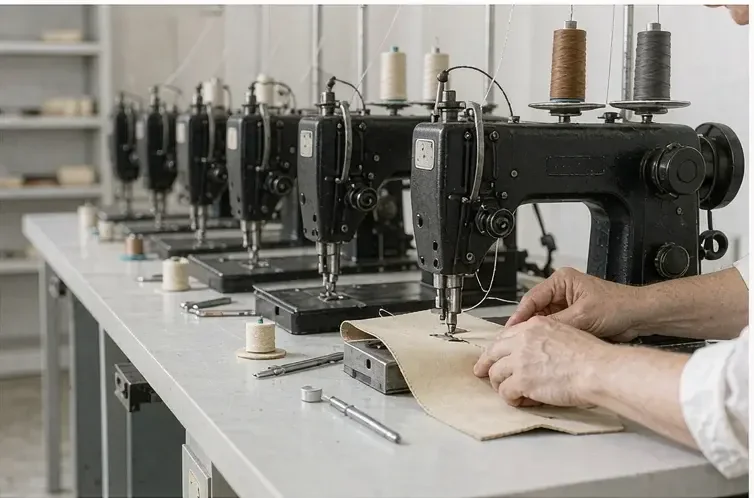
Brand loyalty in the handbag category is decided on the bench, not in an campaign. A customer returns to a label because the bag she bought still looks right after a year, and a label returns to a production partner because the third capsule measured the same as the first. The two are the same problem: repeatability. A maison programme exists to solve it, which is why its output is a sealed reference sample, a recorded tolerance set and a stable lead time rather than a single beautiful prototype.
The practical consequence is that retention can be measured. Re-order interval, defect rate in parts per million, shade deviation against the sealed sample and lead-time variance are four figures that tell a brand whether the relationship is working long before a customer complaint does. Houses that track them rarely change partner; houses that do not, change every two seasons and pay for a fresh sample cycle each time.
Case: A Boutique House Preparing Its Third Capsule
Consider a boutique house in northern Europe with a five-style bag line, working in full-grain calfskin at 1.2-1.4 mm with a brass turn-lock. The first capsule of 500 pcs per colourway landed well. The second, ordered eleven months later, arrived with three problems: the tan read darker, the turn-lock finish was slightly more yellow, and the top edge paint was one shade lighter than the panel. No single fault was large enough to reject the lot at AQL 2.5, and yet the house lost confidence.
The diagnosis took an afternoon. The hide came from a different tannery lot because the original finish had been discontinued without notice. The hardware was re-plated in a new bath with a marginally different alloy ratio. The edge paint was mixed by hand rather than to a recorded formula. Three small drifts, each invisible alone, combined into a bag that no longer matched the one on the brand's own archive shelf.
The Four Corrections That Fixed the Following Season
- A sealed golden sample was created for each style and colourway, signed by both sides and stored as the only reference for future drops.
- The leather finish was written into the specification ledger by name and batch, with a named alternative approved in advance.
- Plating was locked to a single bath specification at 0.15-0.3 µm, with an X-ray fluorescence reading filed for every hardware lot.
- Edge paint moved from hand mixing to a recorded weight-based formula, with three coats applied and dried under a fixed cycle.
The third capsule shipped with shade deviation at ΔE 0.6 against the sealed sample, hardware colour matched inside the same bath reference, and no edge paint complaint across the season. The re-order arrived in 31 days. Nothing about the design changed; what changed was that every variable had been written down.
The Golden Sample: How Consistency Gets Locked Across 500-Piece Runs
A golden sample is the physical reference unit — cut, assembled, finished and inspected — that both parties sign and seal at the end of sampling. It is the arbiter for every later dispute, and it is the reason a re-order can be checked without reopening the design conversation. Two copies exist: one held by the brand, one held by the atelier, with photographs and the full specification ledger attached to each.
- Reference unit
- One sealed sample per style and colourway
- Attached file
- Tech pack, tolerance ledger, material certificates
- Leather substance
- 1.2-1.4 mm full-grain calfskin, recorded by tannery lot
- Stitch density
- 8-9 SPI with bonded Tex 40 thread
- Hardware plating
- 0.15-0.3 µm, single bath specification
- Re-order window
- 28-35 days against a sealed reference
Shade, Hand and Patina: Holding ΔE ≤ 1.0 Over Twelve Months
Colour drift is the most common reason a brand quietly moves a line. Leather is a natural material and every dye lot sits slightly away from the last, so the question is never whether variation exists but how much the programme tolerates. A maison specification holds shade at ΔE ≤ 1.0 against the sealed sample under D65 light, which is close to the limit of what an untrained eye detects on a curved panel.
| Variable | Uncontrolled result | Maison specification |
|---|---|---|
| Leather shade | ΔE 2.0-3.5 between dye lots | ΔE ≤ 1.0 under D65 against the sealed sample |
| Surface hand | Softer or stiffer with each hide lot | Finish named by tannery and batch |
| Hardware colour | Warm or cool cast from a new bath | Single bath, 0.15-0.3 µm, filed XRF reading |
| Edge paint | Hand-mixed, one shade off the panel | Weight-based formula, three coats |
| Stitch density | 7-10 SPI depending on operator | 8-9 SPI checked at every shift start |
Hardware Continuity: Mould Life, Plating 0.15-0.3 µm and Spare Parts
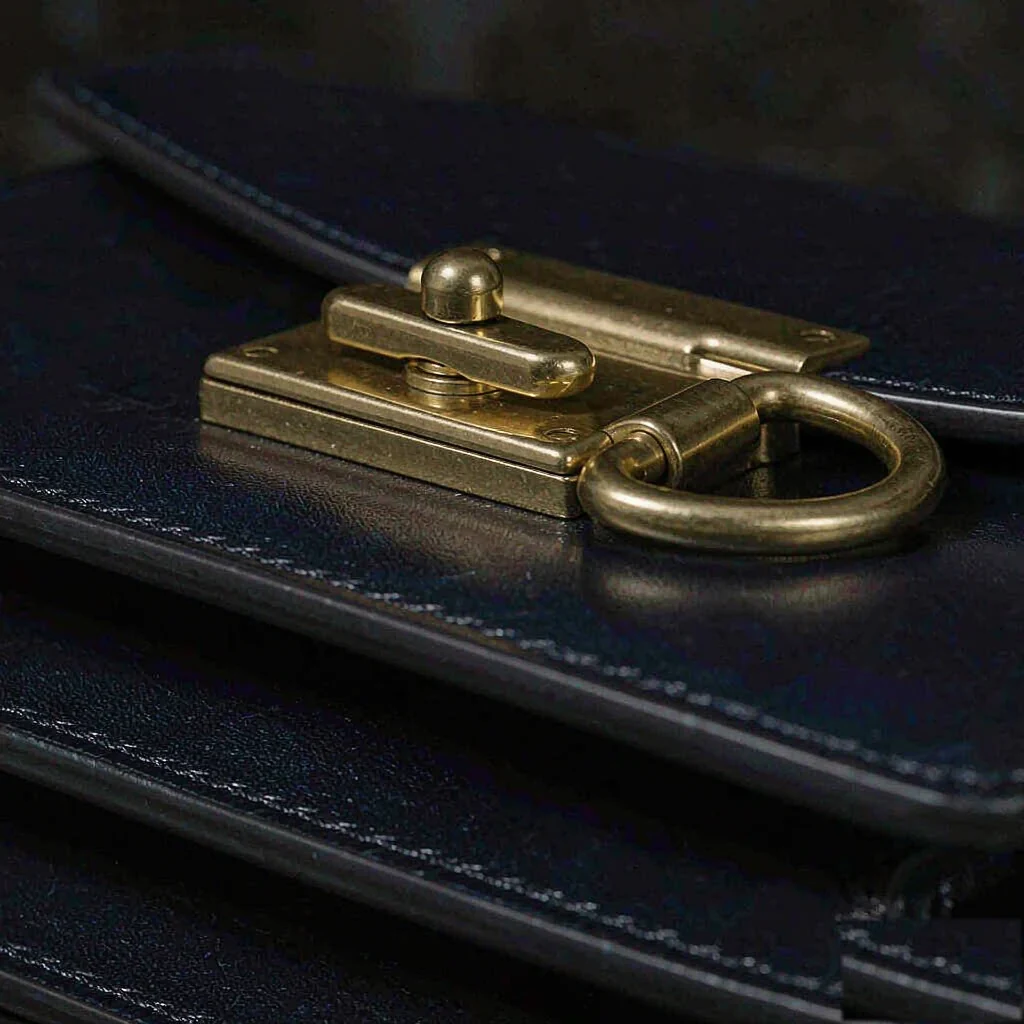
Hardware is the second source of visible drift. A turn-lock or clasp is cast from a mould, plated in a bath and finished by hand, and each of those three steps can vary. A continuity programme records the mould reference, the alloy, the plating thickness at 0.15-0.3 µm and the sealer, then reuses the same specification every season. Where a mould reaches the end of its life, a new one is cut and a comparison sample is run before the old reference is retired.
- Spare hardware is ordered at 2% of unit quantity so repairs do not stall on a missing clasp.
- Every hardware lot carries an X-ray fluorescence reading for plating thickness, filed with the order record.
- Zippers are specified by size and chain type — a #5 metal chain on a structured flap — and re-verified with 500 pull cycles.
- Salt spray runs 24 hours as standard and 48 hours for humid or coastal destinations.
- Custom-cast closures carry a mould reference so a replacement can be cut without re-sampling the whole bag.
- Feet, rivets and strap ends are bought from the same finish lot as the main closure so the colour family stays aligned.
Numbers That Predict Retention Before a Complaint Does
Four measurables tell a brand whether a programme is holding. Shade deviation against the sealed sample, defect rate in parts per million at final inspection, lead-time variance against the quoted window, and re-order interval. None of them needs a customer survey, and all four move before a return rate does — which is why they belong in the quarterly review rather than in an end-of-season post-mortem.
What a Loyalty-Building Programme Actually Delivers Each Season
The deliverable is not a bag; it is a repeatable set of results attached to that bag. In practice a season hands the brand a sealed reference, a tolerance ledger, a material certificate pack, an inspection report at AQL 2.5 and a re-order quote that matches the previous one within a known band. The brand can then plan a launch date eighteen months out without re-qualifying the line.
Sealed reference
One golden sample per style and colourway, held on both sides, arbiter of every later dispute.
Written tolerances
Substance, stitch density, plating thickness and shade deviation recorded before the drop starts.
Stable window
Sampling 6-10 working days, first production 35-50 days, quoted FOB Xiamen.
Traceable materials
Tannery lot, alloy and plating bath recorded, with REACH Annex XVII and Prop 65 declarations on file.
Questions to Ask Before You Commit to a Second Season
- Who holds the sealed sample, and what happens if the two copies disagree?
- How is leather shade measured, under which light source, and what is the accepted deviation?
- Is the plating bath specification recorded, or is hardware re-quoted fresh each season?
- What is the quoted re-order window, and what has the variance been over the last four drops?
- How much spare hardware ships with each order?
- What happens if the specified leather finish is discontinued?
- Is the design file held for your brand alone?
- Which inspection standard and level apply to a re-order?
A sealed golden sample costs one unit out of a 500-piece run and removes most of the ambiguity that ends partnerships. Ask for one on the first drop, not the third — by the third drop the drift has already happened and nobody can agree what the original looked like.
Plan your next drop against a sealed reference
If you are preparing a re-order or moving a line from another programme, send the sample you consider correct plus your target quantity per colourway. Our team will measure it, write the tolerance ledger and return a re-order plan through our quotation desk.
What stability looks like in practice
- Across 7 production lines running about 200,000 pcs per month, a stable programme means the re-order is not a new project. The sealed sample, the tolerance ledger and the material certificates travel with the order, so the second and third drops are checked rather than reinvented. Export experience since 2014, inspection at AQL 2.5 under ISO 2859-1 and a 28-35 day re-order window are the parts a brand can plan a launch around.
Frequently Asked Questions
How does a handbag maison build brand loyalty?
By making repeat drops identical to the first one. A sealed golden sample, a written tolerance ledger, leather shade held at ΔE ≤ 1.0 and hardware locked to one plating bath remove the drift that usually ends a partnership. The brand then plans launches against a known 28-35 day re-order window instead of re-qualifying the line every season.
Why is a re-order harder than a first order?
Because the first order has no reference to match. On a re-order the hide comes from a new dye lot, hardware may be plated in a different bath and the crew on the bench has changed. Without a sealed sample and a recorded tolerance set, each of those drifts slightly, and the combined result no longer matches the archive piece.
What is a golden sample and who keeps it?
A golden sample is the finished unit both sides sign and seal at the end of sampling, stored as the only reference for future drops. Two copies exist: one with the brand, one with the atelier, each with photographs and the full specification ledger attached. It is the arbiter whenever a later shipment is disputed.
How do you keep leather colour consistent between drops?
Specify the finish by tannery and batch, hold a sealed reference, and measure every new lot against it in a D65 light booth at ΔE ≤ 1.0. Approve a named alternative finish in advance so a discontinuation does not force an unplanned change. Record the result with the order rather than relying on visual approval alone.
What shade tolerance is acceptable between two production runs?
ΔE ≤ 1.0 measured against the sealed sample under D65 light is the practical band for a luxury programme. At ΔE 2.0 most observers notice a difference when two bags are placed side by side, and at ΔE 3.0 the difference is visible on a shelf from a distance. Tighter bands are possible but they raise hide waste.
How much spare hardware should a brand order?
Two percent of unit quantity is a working figure for clasps, turn-locks and feet. It covers repairs and warranty claims for the life of the drop without tying up much capital. Where a closure is custom-cast, holding a small reserve of unplated castings is cheaper than cutting a new mould later.
How long does a re-order take compared with a first order?
A first order runs 35-50 days from the approved sample because patterns, tooling and material approvals all happen inside that window. A re-order against a sealed sample and a live tolerance ledger runs 28-35 days. The saving comes from the material and hardware approvals already being on file rather than from rushing the bench.
What defect rate should a luxury programme hold?
Below 800 parts per million at final inspection is a reasonable target for a structured calfskin bag inspected at AQL 2.5 under ISO 2859-1. Rates above that usually point to a material or plating issue rather than to assembly. The figure is worth tracking per drop, because a slow rise is the earliest signal that a specification is drifting.
Can a maison programme hold a design exclusive to one brand?
Yes, and it is normal for custom-cast hardware and original patterns. The design file, the tooling and the mould are held against the brand and are not offered to other clients. Where a component is a shared house fitting rather than a custom one, exclusivity applies to the combination and the finish rather than to the part itself.
What happens when a specified leather finish is discontinued?
The programme should have a named alternative approved before the problem arises. When a tannery retires a finish, the replacement is matched to the sealed sample in a D65 booth, run through the same ISO 105-X12 and ISO 11644 panel, and a fresh reference is cut. The brand approves the new combination before any bulk cutting starts.
How does a maison handle a repair and spares programme?
Spare hardware ships at 2% of unit quantity and matched thread is held against the style. For a repair pipeline, the atelier keeps the pattern file and the edge paint formula so a panel or strap can be replaced rather than the whole bag. Repair work is usually run between drops to keep the main line free.
What makes a brand stay with the same production partner?
Predictability on four measurables: shade deviation, defect rate, lead-time variance and re-order interval. When those stay inside the agreed band, switching costs a fresh sampling cycle, a new tolerance ledger and a season of risk. Most houses stay not because of price but because leaving means re-qualifying a specification they have already paid to stabilise.
People Also Ask
What is a golden sample in handbag production?
A golden sample is the approved finished unit that both sides sign and seal at the end of sampling. It carries the tech pack, the tolerance ledger and the material certificates, and it is the reference every later shipment is measured against.
Why does leather colour vary between batches?
Leather is a natural material and dye is applied in lots, so each run absorbs pigment slightly differently. Tannery, hide origin and finish batch all shift the result, which is why shade is measured as a deviation against a sealed sample rather than as an absolute colour.
How many spare parts should a bag brand stock?
Two percent of unit quantity is a working figure for hardware such as clasps, turn-locks and feet. For custom-cast components, holding a reserve of unplated castings is sound insurance against a mould reaching the end of its life.
What is a re-order rate in luxury handbags?
It is the share of styles a brand orders again after the first drop. It is the clearest health signal for a programme, because a style that sells through and re-orders without a revised specification is one where the product and the line are both working.
How do you keep hardware consistent across seasons?
Record the mould reference, the alloy and the plating specification, then reuse all three. Plating thickness is measured at 0.15-0.3 µm on every lot with an X-ray fluorescence reading, and a comparison sample is run before any retired mould is replaced.
Sources and further reading
Every figure on this page is either our own programme data or attributed below. Open the originals before you write them into a specification.
- Leather Working GroupLeather Working Group Tannery audit protocol referenced when a programme names a hide source that must remain available across consecutive drops.
- ISO — International StandardsInternational Organization for Standardization Publisher of ISO 2859-1 sampling procedures and ISO 105 colour fastness methods used to verify a re-order.
- Understanding REACHEuropean Chemicals Agency Annex XVII substance restrictions that apply to leather finishes, coatings and plated hardware across repeat drops.
- Proposition 65California OEHHA Substance and warning requirements for handbags and metal hardware placed on the California market.