How Exotic Leather Handbags Age Over Time: Patina, Risk and Realistic Promises
How do exotic leather handbags age over time? Well-finished exotic skins do not wear out; they change direction. Ostrich loses quill loft and deepens in colour, crocodile holds its architecture while its gloss matures, and python and lizard risk scale lift at a fold or an edge. Most damage attributed to age is actually caused by storage: sustained pressure, low humidity and direct light. This guide opens with two bodies four years apart, then sets out the six mechanisms and the promises worth making.
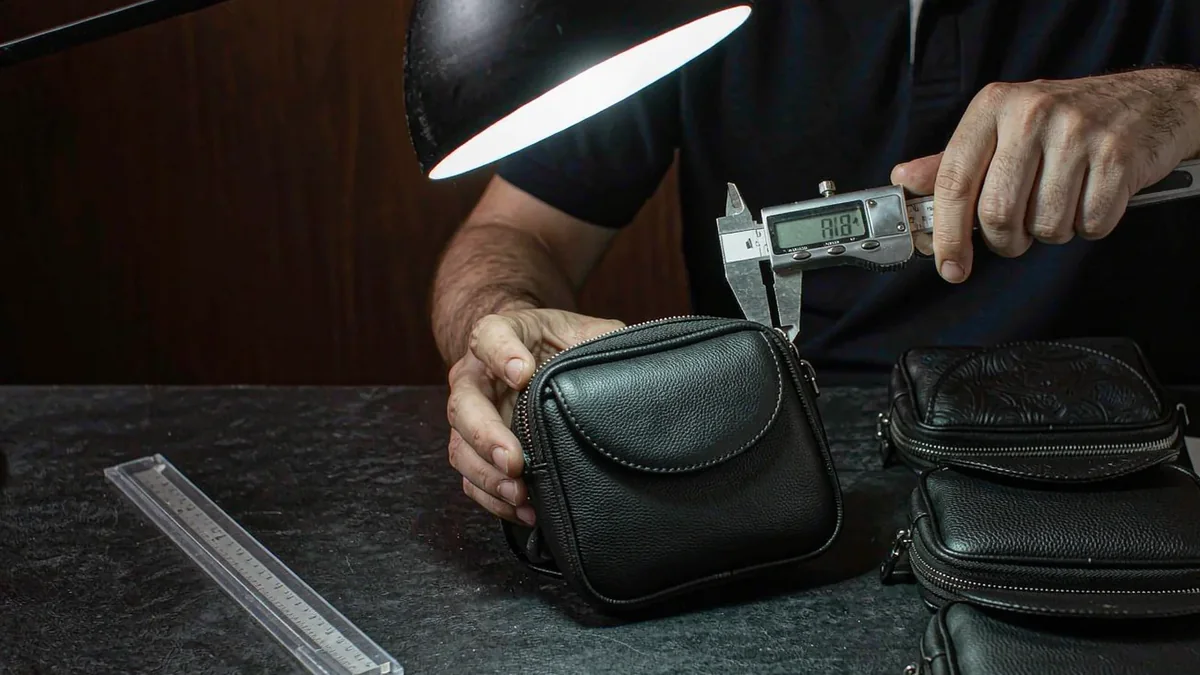
The Case: Two Crocodile Bodies, Four Years Apart
A house released a structured crocodile body in a limited colourway and kept two units back: one archived in a dust bag, stuffed and stored flat at stable humidity, one carried daily by a member of the studio. Four years later the archived body looked almost exactly as it left. The carried body had gained a deeper, warmer tone along the handle and the top edge, the gloss had softened from a mirror to a satin, and the tiles along the gusset turn were still intact.
Nothing had failed on either body, which is the point. The differences were all directional: colour had moved, gloss had settled, and the hand had relaxed slightly where it was handled most. The studio's conclusion was that the finish had been built by polishing rather than by coating thickness, and that the fold radius at the gusset had been drawn generously. Both decisions were made years earlier, at specification stage.
Six Mechanisms Behind an Ageing Exotic Skin
Ageing on exotic leather is not one process but six running at different rates. Oxidation deepens colour. Light exposure shifts it in the other direction. Handling polishes some areas and abrades others. Humidity cycles soften and re-stiffen the fibre. Pressure flattens raised structures permanently. And mechanical flexing works on the finish film at every fold. Which of the six dominates depends on the species and on how the body is used.
Oxidation
Slow darkening from exposure to air and hand oils. Welcomed on cognac and tobacco tones, unwelcome on pale colourways where it reads as dirt.
Light exposure
Photochemical fading, fastest on dyed-through articles under direct window light. Assessed by light fastness testing to ISO 105 before approval.
Abrasion
Contact with clothing, a car seat or a desk edge. Polishes high spots first, which on a quill or scale surface is exactly what the eye notices.
Humidity cycling
Repeated swelling and contracting of the fibre structure. Low humidity combined with heat is the combination that dries a finish and cracks it.
Sustained pressure
Flattens raised structures permanently. A quill field crushed in a packed carton never recovers, which is why packing matters more than polish.
Flexing
Works the finish film at every fold line. A brittle or over-thick coat fails here first, showing as lift or crazing along the joint.
Ostrich: Quill Loft and the Loss of Structure
Ostrich is bought for the quill field, and the quill is a raised structure standing above the surrounding surface. Under repeated pressure the bumps flatten, and once flattened they do not return. The practical consequence is that an ostrich body should never be stored under weight, folded flat against itself, or packed with anything pressing into the panel. Loft loss is the single most common complaint on an otherwise sound ostrich body.
Colour behaves generously on ostrich. The skin deepens and warms, and because the surface is already irregular, uneven darkening reads as character rather than damage. A pale ostrich colourway is the exception: there, uneven oxidation shows as patchiness. For a light palette, specify a finish that resists soiling and give the client an aftercare card that says so plainly.
Crocodile: Tile Joints, Gloss and the Fold Line
Crocodile ages best of the common exotics, because the tile structure is dense and holds its shape. Two things change. Gloss settles from a mirror finish toward satin as micro-abrasion accumulates, which most collectors find desirable. And colour deepens at the tile joints first, because the recesses collect oils and polish differently from the tile faces. Both are slow and both are usually read as maturity.
The failure mode is scale lift at the joint, and it is a specification failure rather than an ageing process. It appears when a fold radius is tighter than the finish tolerates or when gloss was built with coating thickness rather than by polishing. Set a minimum fold radius in the drawing, build gloss by polishing, and test at the gusset turn rather than on a flat swatch, which reveals nothing.
- Storage humidity
- Around 55-65% relative humidity, stable rather than cycling
- Storage temperature
- Cool and stable; avoid heat sources and direct sunlight
- Packing rule
- Stuffed, dust-bagged, stored flat with no weight on the panel
- Fold radius
- Minimum radius drawn per species and respected in the pattern
- Finish build
- Gloss by polishing, not by coating thickness
- Flexing check
- Assessed on a folded sample, not on a flat cutting
- Light fastness
- Tested to ISO 105 and recorded against the sealed reference
- Finish adhesion
- Tested to ISO 11644; a floor of 4 N per 10 mm is a common spec
Python and Lizard: Scale Lift and the Edge Problem
Python and lizard carry scales attached to the surface rather than tiles integral to it, and their ageing risk is concentrated at two places: the fold and the edge. Scales lift at a tight turn and flake at a cut edge that was not properly sealed. Both are prevented at the bench rather than at the tannery, which is why these species are usually specified with a backing and a defined edge build.
The mitigation is unglamorous and effective. Back the skin so the scales have a substrate to sit on, keep fold radii generous, and finish the cut edge with a sealed build rather than a painted one. Done properly, a python body ages as gracefully as any other exotic; done quickly, it starts lifting within a season regardless of how expensive the skin was.
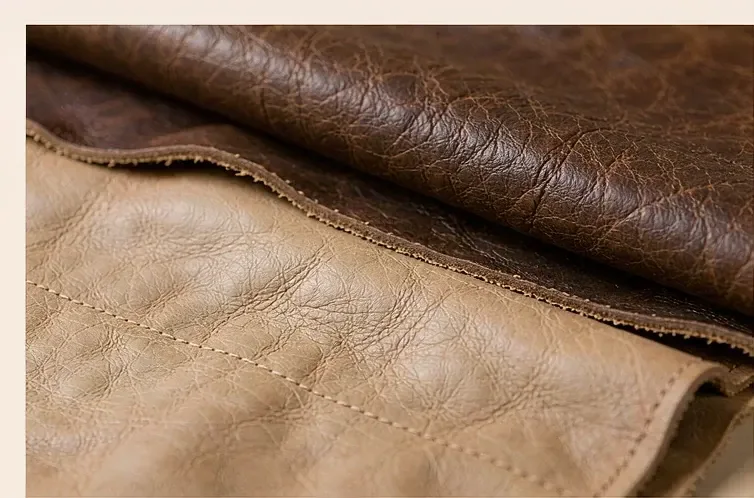
The Numbers Behind an Ageing Claim
An ageing claim is only meaningful when it is attached to a test. Light fastness to ISO 105 tells you what a window will do. Rub fastness to ISO 11640 tells you what clothing will do. Finish adhesion to ISO 11644 tells you what folding will do. An accelerated exposure cycle, commonly run at 48 hours, gives a comparative figure between two candidate finishes, not a prediction in years, and it should be described that way to clients.
| Species | What improves with age | What to watch |
|---|---|---|
| Ostrich | Colour deepens and warms; hand softens | Quill loft lost under sustained pressure |
| Crocodile | Gloss settles from mirror to satin | Scale or tile lift at a tight fold |
| Python | Surface sheen evens out | Scale flaking at an unsealed cut edge |
| Lizard | Small-scale pattern gains depth | Lift at the gusset turn and strap fold |
| Calfskin, for contrast | Even patina at handle and edge | Corner scuffing on a structured base |
What no test predicts is the client's own behaviour, and that is the largest variable of all. A bag carried daily into an office, set on a desk and hung on a chair back will age faster than the same bag kept for occasions. The honest specification therefore includes an aftercare card rather than a promise, because aftercare is the part the house actually controls.
Storage, Humidity and the Client's Own Behaviour
Storage conditions explain more aged-bag complaints than material quality does. Relative humidity around 55-65% and a stable, cool temperature keep both fibre and finish comfortable. Very dry air with heat dries the finish film and makes it brittle; damp, cycling conditions swell and contract the fibre and can encourage mould on an unbacked skin. Direct window light fades any dyed article, exotic or not.
- Store stuffed, in the dust bag, flat, with nothing resting on the panel.
- Keep away from direct window light and from heat sources including radiators.
- Avoid prolonged contact with dark denim on a pale colourway.
- Let water spot dry naturally; rubbing a wet exotic skin drives the mark in.
- Have the body checked and cleaned by a specialist rather than treated at home.
One more mechanism belongs on the list because it surprises buyers: transfer. A dark, heavily finished exotic panel can mark a pale garment at the point of contact, and a pale exotic panel can pick up dye from dark denim. Rub fastness to ISO 11640 is the test that predicts it, and it should be run on the finished construction rather than on the raw skin. A result of 4 on the grey scale for dry rub is a reasonable floor.
What to Promise, and What Not To
Promise that a correctly finished exotic body will change direction rather than deteriorate: deeper colour, softer gloss, a hand that relaxes. Do not promise that it will look unchanged, because no organic material does, and do not promise a lifespan in years, because no test supports a number in years. The claims a house can defend are the ones attached to a test method and a storage instruction.
Ageing claims worth making
- Colour will deepen; it will not fade if light fastness was tested to ISO 105.
- Gloss will settle from mirror toward satin; it will not craze if built by polishing.
- The hand will relax; the structure will hold if the fold radius was drawn generously.
- Quill loft is preserved by packing, not by polish; say so on the aftercare card.
- Never quote a lifespan in years; quote test methods and storage conditions instead.
Where Ageing Meets the Programme Clock
None of this changes the commercial terms. MOQ is 500 pcs per style and colourway, sampling runs 6-10 working days and 12-15 for a complex construction, bulk runs 35-50 days on FOB Xiamen terms, inspection is AQL 2.5 under ISO 2859-1, and the base reference unit is USD 4.80 before material. What ageing changes is the specification: fold radii, finish build, edge sealing and the aftercare card that ships with the body.
Behind it, capacity runs across 7 production lines at about 200,000 pcs per month with export experience since 2014, delivered through our validated partner factory Quanzhou Yingming Bags. Exotic skins arrive with documentation under CITES, and the sensible addition for an exotic programme is a pre-production inspection before cutting, because a panel already cut is a panel that cannot be re-selected.
Specifying an exotic body that has to last?
Send the species, the silhouette and the fold details. We will return a finish recommendation, fold radii and an aftercare note. Request a quotation
Frequently Asked Questions
Do exotic leather handbags age better than calfskin?
They age differently rather than better. Crocodile holds its architecture and settles from mirror gloss to satin, while calf builds an even patina at the handle and edge. Exotic skins carry one risk calfskin does not, which is structural damage to quill or scale from pressure or a tight fold.
What causes ostrich quill bumps to flatten?
Sustained pressure. The quill is a raised structure and once crushed it does not recover, so the cause is almost always packing or storage rather than wear. Store the body stuffed, in its dust bag, flat, with nothing resting on the panel, and never fold an ostrich panel against itself.
Why do crocodile tiles lift on an older bag?
Usually a fold radius tighter than the finish can tolerate, or gloss built with coating thickness rather than by polishing. Both are specification decisions made long before the bag aged. A drawn minimum fold radius and a polished finish prevent lift almost entirely.
Does crocodile gloss crack as it gets older?
A polished finish matures into a deeper sheen instead of cracking. A finish built up with coating thickness is brittle and crazes along the tile joints, particularly at a fold. Ask how the gloss was achieved and inspect at the gusset turn rather than on a flat swatch.
What humidity should an exotic leather bag be stored at?
Around 55-65% relative humidity, kept stable rather than cycling, in a cool room away from heat sources. Very dry air with heat dries the finish film and makes it brittle, while damp cycling conditions swell and contract the fibre and can encourage mould on an unbacked skin.
Can sunlight damage an exotic leather handbag?
Yes. Direct window light fades any dyed article, exotic or not, and the change is permanent. Light fastness is assessed to ISO 105 before approval, and the result should be recorded against the sealed reference so a client knows how the colourway behaves in a bright room.
How should a water spot on exotic leather be treated?
Left alone to dry naturally. Rubbing a wet exotic skin drives the mark into the fibre and polishes the surface unevenly at the same time. Once dry, a specialist can even out the sheen. This belongs on the aftercare card, because most damage of this kind happens in the first hour.
Do python and lizard skins need backing?
Yes, in almost every bag application. Scales sit on the surface rather than being integral to it, so a backing gives them a substrate and dramatically reduces lift and flaking. Combine it with a sealed edge build and generous fold radii and these species age as well as any other exotic.
Is an aged exotic bag worth less?
Not if it aged well. A crocodile body with settled satin gloss and deepened colour is generally more desirable than a dead-flat unused one, and collectors pay for honest maturity. A body with lifted tiles, flattened quills or a crazed finish is worth considerably less, and the difference is entirely down to specification and storage.
What does an accelerated ageing test actually prove?
That one finish behaves better than another under the same exposure, not how many years a bag will last. A 48-hour accelerated cycle is a comparative tool. Report it as a comparison between candidates, and pair it with storage instructions rather than a lifespan claim.
Which exotic species is the safest for a first collection?
Crocodile for a structured body and ostrich for a soft one. Both are dense, well understood at the bench and forgiving of ordinary use. Python and lizard are beautiful but concentrate their risk at folds and edges, so they suit a house that already has an exotic programme running.
Does exotic leather need special cleaning products?
It needs restraint more than products. Dry dusting with a soft cloth and professional cleaning by a specialist is the safe routine. Household cleaners, conditioners formulated for smooth calf and any solvent will damage a scaled or quilled surface far faster than ordinary handling ever will.
How does CITES documentation affect an older bag?
It travels with the body. Resale, gifting across a border and shipping for repair can all require the documentation to be produced, so the reference should be recorded at the point of sale and handed to the client. A body without papers is harder to sell on in most jurisdictions.
Can an aged exotic bag be restored?
Partly. A specialist can re-polish a dulled finish, even out a water mark and re-seal a cut edge. Lifted tiles, flattened quills and crazed finish are not recoverable, which is why the specification stage matters more than any restoration that follows it.
People Also Ask
How long does an exotic leather handbag last?
Indefinitely if finished and stored correctly, because the material does not wear out so much as change direction. There is no test that supports a figure in years, so quote test methods and storage conditions rather than a lifespan.
Does crocodile leather get softer with age?
The hand relaxes slightly where it is handled most, but the tile structure stays firm. What changes more visibly is the gloss, which settles from mirror toward satin as micro-abrasion accumulates.
What ruins an ostrich leather bag?
Sustained pressure. Crushed quills never recover, so packing and storage cause more damage than carrying does. Stuff the body, keep it flat in its dust bag and never fold the panel against itself.
Can exotic leather be kept in a dust bag?
Yes, and it should be, provided the body is stuffed and stored flat. Use a breathable dust bag rather than plastic, and keep it away from direct light and heat so humidity stays stable.
Is patina on exotic leather desirable?
Generally yes. Deepened colour and settled gloss read as maturity and are prized by collectors. Lifted scales, flattened quills and crazing are damage rather than patina, and they trace back to specification and storage.
Sources and further reading
Every figure on this page is either our own programme data or attributed below. Open the originals before you write them into a specification.
- CITES — Convention on International Trade in Endangered SpeciesCITES The convention behind the documentation that travels with an exotic body and should be handed on when it is resold or repaired.
- ISO — international standardsISO Publisher of ISO 105 for light fastness, ISO 11640 for rub fastness and ISO 11644 for finish adhesion, the three tests behind an ageing claim.
- SATRA — leather testing servicesSATRA Independent test house whose flexing and abrasion methods are used to compare candidate finishes before a season is booked.
- Leather Working Group — environmental audit protocolLeather Working Group The audit framework applied to the tanneries supplying exotic skins, relevant to traceability claims made at the point of sale.