How to Build a Luxury Handbag Collection: Nine Steps, Each One Carrying Its Own Number
A collection is built in nine steps, and every one of them carries a number that has to be fixed before the next is taken. Three width bands instead of one, one trim list shared across all three, a yield of 55-65% agreed at the marker rather than discovered at the bench, and a calendar counted in working days rather than in weeks. The numbers are what make three pieces read as a collection rather than as three unrelated objects, and they are also what keeps the calendar honest. Below, each step is given with the figure it settles, the working days it consumes and the record it produces, ending with the nine numbers that are signed off before anything is cut.
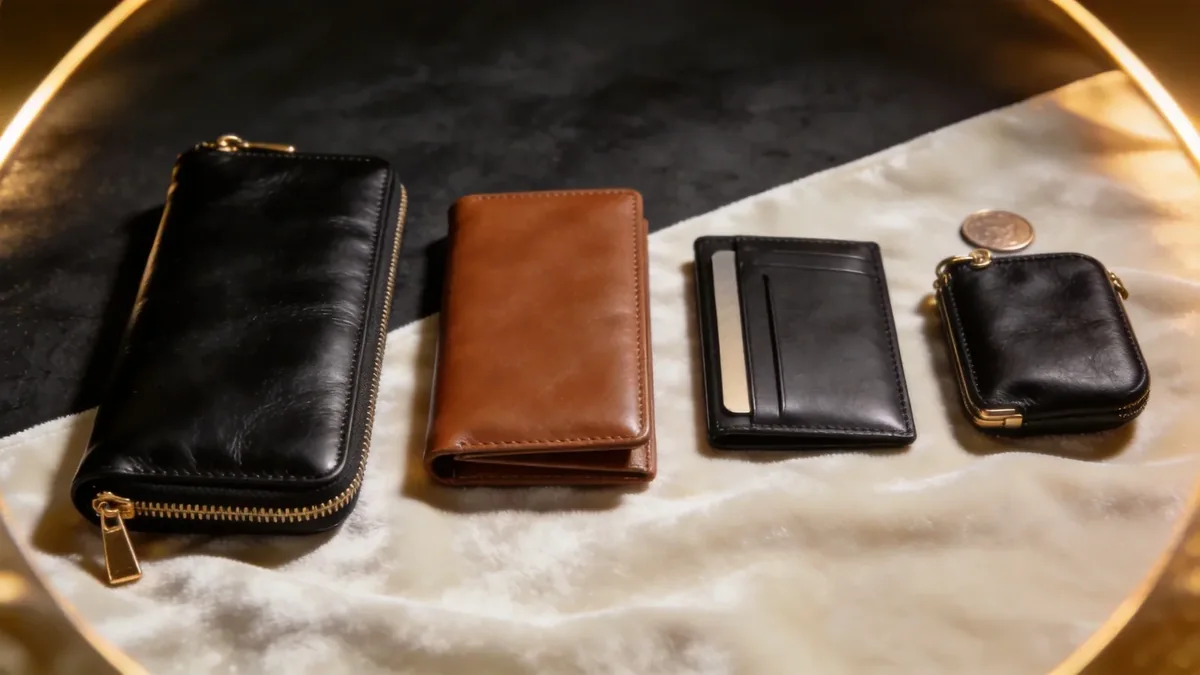
Step 1: Fix the Three Width Bands
A collection starts with widths, not with drawings. Three bands cover the ground a line has to cover, and one piece in each band is enough to read as a collection rather than as a single bag with variations.
- Narrow, 160-240 mm across: the compact crossbody or the mini top handle.
- Medium, 260-300 mm across: the semi-structured top handle, the workhorse of the three.
- Wide, 320-380 mm across: the soft shoulder tote, the only one that gains from being unstructured.
The bands are not a style preference, and they are not a trend reading either. Each one exists because a carrying position caps it: a body crossing the torso cannot exceed 220-260 mm, and a body over 320 mm wide will not hold a line without a board beneath it.
Step 2: Choose the Panel Thickness Once, for All Three
The second number is material thickness, and it is chosen once for the whole line rather than per piece. Three levels are available, and the choice is made on how the pieces should behave when they are set down.
| Level | What it uses | Where it belongs in a collection |
|---|---|---|
| Soft | 1.0-1.2 mm panels, no interlining | The widest band only, where a slump is the intention |
| Semi-structured | 1.2-1.4 mm with 0.8 mm interlining | The narrow and medium bands, and the commonest choice overall |
| Framed | 1.2-1.4 mm, 0.8 mm interlining, 1.6 mm base board | The medium band, where the piece must hold its shape empty |
Most collections settle on two levels rather than three: semi-structured across the narrow and medium bands, and soft for the tote. Holding a single thickness across the line is what lets the three pieces share a marker and a trim list. A line that specifies three different thicknesses nests three times over, and it gives up the yield gain that nesting the pieces together would otherwise produce.
Step 3: Write One Trim List for the Whole Line
The third number is the one that most affects the calendar: how many distinct trim parts the collection carries. A line of three pieces sharing one trim list develops on one calendar; three pieces with three lists develop on three.
- Trim line on stock brass
- 0.15-0.3 µm plating, holding the whole line near USD 4.80 per bag
- Main opening
- A #5 zip on the medium and wide bands, a #3 on the narrow one
- Interior pocket
- A #3 zip, shared across all three pieces
- Base feet
- 8 mm on the medium and wide bands, 6 mm on the narrow one
- Load-point stitch density
- 8-9 per inch with 0.45 mm braided polyester thread throughout
Keeping the trim stock is the single most effective way to protect a launch date. The saving is not the trim cost itself, which the plating figure already holds near USD 4.80; it is the 30-40 working days of tooling that otherwise sit between an approved body and a shippable one.
Step 4: Where the 55-65% Yield Is Decided
Yield is settled at the marker, not at the bench, and it is the same figure whichever pieces are being nested. Between 55 and 65% of purchased hide area reaches a structured panel set, and the shortfall is structural rather than wasteful.
- Nesting constraints, which are why the panels are arranged before they are cut.
- Consistent grain direction across every panel in a set, which limits rotation.
- Keeping the neck and the belly away from visible faces on all three pieces.
- Skiving at every join, which is an operation before assembly begins.
- A working tolerance of ±1.5 mm on cut panels, which the marker has to respect.
The consequence for a collection is that nesting three pieces together improves the figure slightly, since small panels fill the spaces between large ones. It is a small gain and a real one, and it is only available if the three share a thickness.
Step 5: Count the Calendar in Working Days
The fifth step is to write the calendar down before it is committed to. Development and bulk are measured differently, and mixing the two is how a launch date slips by a month.
| Stage | Working days | What is settled in it |
|---|---|---|
| Drawings and structure | 2-3 days | The width bands, the panel thickness and the reinforcement |
| Pattern and toile | 2-3 days | The seam sequence, plus one or two passes at proportion |
| First leather sample | 6-10 days | The body in the intended material, and every correction it reveals |
| Second round | 6-10 days, or 12-15 if complex | The corrections, and the approval that freezes the specification |
| Bulk | 35-50 days from intake | The run, then packing over a further 3-5 days |
Three pieces do not triple that calendar. They share the drawing stage and the pattern stage, and their sample rounds run together, so a three-piece collection develops within the calendar of the slowest piece in it.
Step 6: What Each Piece Consumes in Material and Days
The three width bands consume material and time very differently, and the comparison is worth making before the bands are chosen rather than after.
The narrow piece, 160-240 mm
The least material and the most attention. A structured panel set at 55-65% yield, one toile plus a second pass in 4 mm steps, and two rounds at 6-10 working days because the errors are half the usual size.
The medium piece, 260-300 mm
The reference point for the line. 1.2-1.4 mm over 0.8 mm interlining with a 1.6 mm base board, two or three days on the pattern, one toile, then two rounds at 6-10 working days.
The wide piece, 320-380 mm
The most material and the least time. 1.0-1.2 mm without interlining, an open top with a magnetic tab, and a single round at 6-10 working days because there is no reinforcement to correct.
Read together, the three balance out. The narrow piece costs patience, the wide one costs material, and the medium one costs both in moderation, which is why it is the piece the other two are proportioned around. It is also the one that should be approved first, because the corrections it produces are the ones the narrow and wide pieces will inherit.
Step 7: Hold the Line at 500 pcs Per Style and Colourway
Every style and colourway is committed at a minimum of 500 pieces, and that figure shapes the collection before it is drawn. Three styles in three colourways is nine commitments, which is a different proposition from three styles in one.
- A style is a distinct silhouette; a colourway is the same silhouette in another material.
- 500 pcs per style and per colourway, held separately for each combination.
- A shared trim list across the line works because the commitment is per combination, not per piece.
- The counter sample is drawn from the frozen specification and retained for the whole run.
- Inspection is drawn at AQL 2.5 under ISO 2859-1, with the plan agreed before intake.

A second colourway is also the safer commitment, because the pattern and the trim list have already been proved on the first. The practical advice is to add colourways before styles. A second colourway on an approved shape reuses the pattern, the marker and the trim list; a second shape reuses none of them and takes its own calendar.
Step 8: Record the Collection as One Document
A collection only survives bulk if it is recorded together. Three separate specifications drift apart; one document holding all three keeps the width bands, the thickness and the trim list consistent across the run.
- Panel dimensions in millimetres with the ±1.5 mm tolerance, and the nesting arrangement for all three.
- Material: 1.2-1.4 mm body, 0.8 mm interlining, 0.8-1.0 mm lining, named as reserved lots.
- Stitch density of 8-9 per inch with 0.45 mm braided polyester thread at every load point.
- Edge specification: raw, turned, or three coats with 8-10 minutes of flash time between passes.
- Every trim piece with its plating thickness, plus the handle drops and the base feet.
The document is also the reference for inspection. AQL 2.5 under ISO 2859-1 describes how the sample is drawn; the record is what the sample is measured against, and without it the two halves of the plan have nothing to agree on. It is also the document the second season is written against, since a graded pattern is a change to the record rather than a new one.
Step 9: Read the Nine Numbers Before They Are Fixed
The last step is a review of the nine numbers the first eight produced. If any of them is still open, the collection is not ready to be cut, and the cost of opening them later rises steeply.
The nine numbers, signed off together
- Three width bands, 160-240 mm, 260-300 mm and 320-380 mm, one piece in each.
- Panel thickness: 1.2-1.4 mm over 0.8 mm interlining, or 1.0-1.2 mm soft.
- One trim list, stock brass at 0.15-0.3 µm plating, near USD 4.80 per bag.
- Yield of 55-65%, agreed at the marker and measured against the lot.
- Development: 2-3 days drawing, 2-3 on the pattern, then two rounds of 6-10 working days.
- Bulk at 35-50 days from intake, with packing over a further 3-5 days.
- MOQ 500 pcs per style and per colourway, held for each combination.
- Inspection at AQL 2.5 under ISO 2859-1, with the counter sample retained.
- Handover on FOB Xiamen terms, with the record issued as one document.
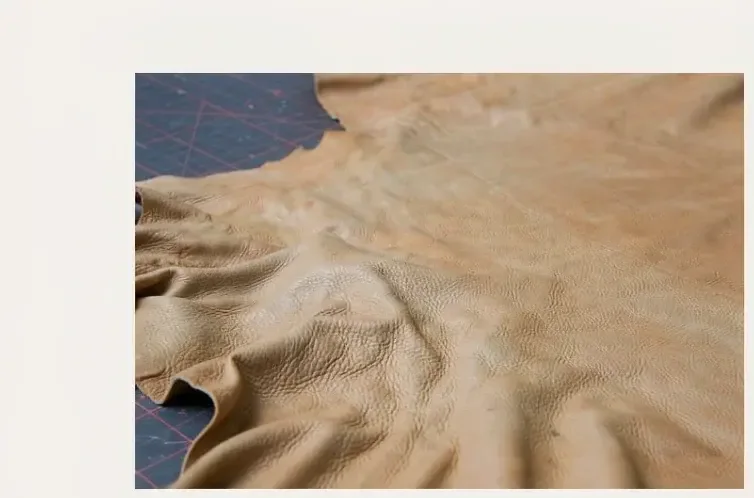
Once the nine are signed off, the collection moves to sampling at 6-10 working days, or 12-15 for complex builds, then to bulk at 35-50 days, with each style and colourway committed at MOQ 500 pcs and inspection drawn at AQL 2.5 under ISO 2859-1. Handover is on FOB Xiamen terms. The programme is delivered through our validated partner factory Quanzhou Yingming Bags, an SGS-validated site with 7 production lines and about 200,000 pcs per month of capacity, holding export experience since 2014.
Fix your nine numbers before you draw
Send the width bands, the materials and the colourways you have in mind. You will receive the nine numbers for your line, with the calendar and the record sheet, within two working days. Request a quote.
Frequently Asked Questions
How many silhouettes should a first collection have?
Three, one in each width band: 160-240 mm, 260-300 mm and 320-380 mm. Three pieces in three bands read as a collection and develop on one calendar, because they share the drawing stage, the pattern stage and one trim list.
Why are the widths grouped into bands?
Because a carrying position caps the width. A body crossing the torso cannot exceed 220-260 mm, and a body over 320 mm wide will not hold a line without a board beneath it. The bands follow the physics rather than the season.
Should every piece in a collection use the same thickness?
Ideally yes, or at most two levels. Semi-structured at 1.2-1.4 mm over 0.8 mm interlining across the narrow and medium bands, with 1.0-1.2 mm soft for the widest piece, is the commonest arrangement and it keeps one marker.
What does one trim list actually save?
Time more than money. The plating at 0.15-0.3 µm already holds the trim line near USD 4.80 per bag; what a shared list avoids is the 30-40 working days of tooling that bespoke hardware carries on its own separate track.
How much usable material does a structured panel set return?
Between 55 and 65% of purchased hide area. The shortfall covers nesting constraints, consistent grain direction and keeping the neck and belly away from visible faces. Nesting three pieces together improves the figure slightly, since small panels fill between large ones.
How long does a three-piece collection take to develop?
Within the calendar of the slowest piece in it: roughly 9-14 working days for a semi-structured shape, since the three share the drawing and pattern stages and their sample rounds run together. Bulk then takes 35-50 days from intake.
Should a line add styles or colourways first?
Colourways. A second colourway on an approved shape reuses the pattern, the marker and the trim list, while a second style reuses none of them and takes its own calendar. Both are committed at 500 pcs per combination.
What is a counter sample and why is it retained?
A sample drawn from the frozen specification at approval and kept as the physical reference for the run. AQL 2.5 under ISO 2859-1 describes how the inspection sample is drawn; the counter sample is what it is measured against.
What stitch density holds a collection together?
8-9 stitches per inch with 0.45 mm braided polyester thread at every load point, across all three pieces. Fewer will not hold a handle join, and handles are fixed to the 0.8 mm interlining beneath the panel rather than to the panel.
How is the edge finished on a leather body?
Three ways: left raw and burnished, turned over a seam, or painted in three coats with 8-10 minutes of flash time between passes. Painting adds the most time and gives the cleanest line, which is why it is specified on structured pieces.
What has to be recorded before a collection runs?
One document holding all three: panel dimensions to ±1.5 mm with the nesting, the material thicknesses reserved as lots, the stitch density and thread, the edge specification, and every trim piece with its plating thickness and handle drop.
What happens after the collection is approved?
Bulk runs 35-50 days from intake, packing takes a further 3-5 days, and inspection is drawn at AQL 2.5 under ISO 2859-1 with the plan agreed before intake. Handover is on FOB Xiamen terms, against the retained counter sample.
People Also Ask
How do you build a handbag collection?
In nine steps: three width bands, one thickness, one trim list, the yield, the calendar, the material each piece consumes, the 500 pcs commitment, one record, then the nine numbers signed off.
How many bags should be in a first collection?
Three, one in each width band. Three pieces sharing one trim list and one calendar read as a collection; three pieces with three lists do not.
What is the most common mistake in collection planning?
Adding styles before colourways. A second shape reuses nothing and takes its own calendar, while a second colourway reuses the pattern, the marker and the trim list.
How is the development calendar counted?
In working days for sampling and in calendar days for bulk: two or three days drawing, two or three on the pattern, two rounds at 6-10, then 35-50 days from intake.
Why does one shared trim list matter?
Because it keeps the three pieces on one calendar. Bespoke hardware carries 30-40 working days of tooling on a separate track, which re-dates the whole collection.
Sources and further reading
Every figure on this page is either our own programme data or attributed below. Open the originals before you write them into a specification.
- ISO — International Organization for StandardizationISO Publisher of ISO 2859-1, the standard behind the AQL 2.5 inspection plan applied to collection bulk.
- Leather Working GroupLeather Working Group Tannery audit protocol, relevant when the lots reserved for a three-piece collection need their origin evidenced.
- ISO Online Browsing PlatformISO Public catalogue used to confirm standard names and scopes, including ISO 3376 for tensile strength and ISO 11644 for finish adhesion.
- WWDWWD Reporting on how accessories lines are structured across the European and American market, used here for the three-band model.
- FashionUnitedFashionUnited Market reporting on the accessories sector, including the launch calendars that a collection is planned against.