High-End Handbag Sourcing for Seasonal Drops: The Calendar Behind a Drop Week
How far ahead does a seasonal handbag drop have to be planned? Work backwards from the drop week: 35-50 days for bulk production, 6-10 working days for sampling, 15-20 days for sea freight from FOB Xiamen, and 10-14 days for the hide lot to be graded and booked. That is 82-101 days of hard calendar before anything ships, and the six decisions below have to be taken before the first of those days begins.

The decision order, before anything else
A seasonal drop is a sequence rather than a list. The order matters because each decision removes options from the ones that follow it, and a decision taken out of sequence has to be taken twice. This is the sequence we work to with every programme that ships on a season, and it is the same one whether the drop is autumn-winter or spring-summer.
- Fix the drop week, then count backwards through freight, bulk, sampling and material booking.
- Decide what carries over unchanged from last season and what is genuinely new.
- Settle the colourway count, because each colourway is its own dye lot at 500 pcs.
- Choose the leather route for the weather the bag will be worn in, not for the mood board.
- Decide the delivery shape: one drop or two, and where the second one lands.
- Reserve the hardware, then reserve the line, in that order, because the plating bath is the longer lead.
Six decisions, and the calendar only holds if they are taken in that sequence. Take the fifth before the third and you will end up asking for a second dye lot with no line available to put it on. Most seasonal plans that fail do not fail at the bench; they fail because two of those six were taken in the wrong order in a single meeting.
Lock the calendar backwards from the drop week
Counting forwards is how seasons are lost. Write the drop week on the page first, then subtract: 15-20 days for sea freight from FOB Xiamen to Northern Europe or the United States east coast, 35-50 days for bulk production, 6-10 working days for sampling, and 10-14 days for the hide lot to be graded, matched and booked. On a complex construction, sampling moves to 12-15 working days and bulk sits at the top of the 35-50 days band.
Add the buffer last, and add it deliberately rather than hopefully. Buyers who miss a drop rarely lose the time in one place. They lose four days here and six days there, and each individual loss is small enough to be accepted at the moment it happens. A two-week buffer between the bulk window and the freight window absorbs all of it, and it costs nothing except agreeing to start the conversation earlier.
Carry-over or new: what each one costs you
A carry-over style is the least expensive thing in a seasonal plan and the most underused. If the pattern, the clicker dies, the nest and the hardware mould already exist, the sampling step for that style can be skipped altogether, which removes 6-10 working days from the front of the calendar and removes the risk that a regrade will move the material yield. The only cost left in a carry-over is the new colourway, and only when the colourway is new.
A new style is a different instrument entirely. It needs a pattern, a grade, a die, a first sample, a corrected sample and a production nest, and each of those steps can produce a change that pushes the next one sideways. The rule worth keeping: one genuinely new style per drop, supported by two carry-overs, is a plan that ships. Three new styles in one drop is a plan that moves, and it usually moves into the following season.
Settle the colourway count before the hide lot is booked
Colourways are where seasonal plans quietly double. A 32 cm day bag in black, cognac and taupe is three dye lots at 500 pcs each rather than one lot at 1,500 pcs, and the tannery will treat them as three separate matching jobs. Where the brief allows it, choose the three colours from one tannery's existing shade card instead of asking for three bespoke matches, because a stock shade arrives inside the 10-14 days booking window and a bespoke one does not.
The same arithmetic applies to a seasonal accent. One accent colourway at 500 pcs is a reasonable seasonal gesture. The same accent at 500 pcs in a hide that sits outside the main route is a second supply chain built for a single colour, and it carries its own sampling, its own nest and its own inspection. If the accent cannot be bought from the existing tannery and finished alongside the main lot, it is worth asking whether it earns its place on the line sheet at all.
Choose the leather route for the season it will be worn in
The leather has to survive the weather of the season it is sold into, and the two failure modes are different. For an autumn-winter drop the risks are water and abrasion: a finish with adhesion measured under ISO 11644, flexing endurance of at least 20,000 cycles under ISO 5402, and an edge paint that stays flexible when the temperature drops. For a spring-summer drop the risk is light, so colour fastness to light of grade 4-5 on the blue scale under ISO 105-B02 is the number to write down.
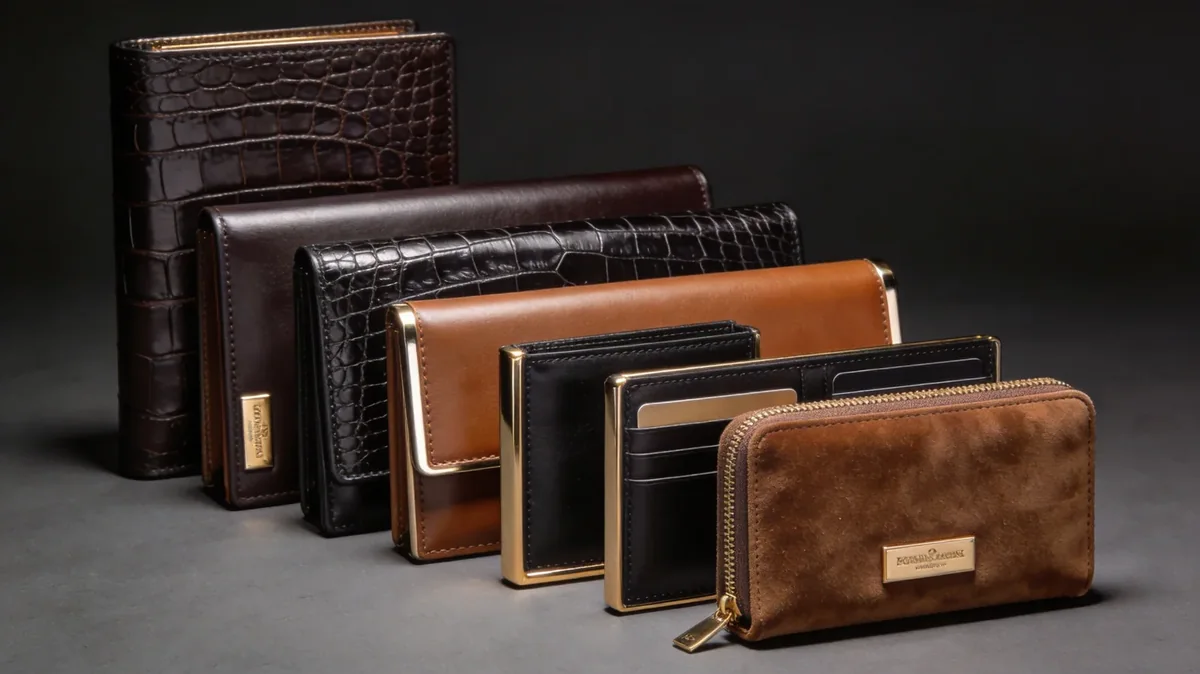
Suede needs its own line in the brief. Nap direction is a cutting decision rather than a finishing one, and panels cut against the nap read as different colours on the same bag under the same light. On a 500-pcs lot, cutting every panel in one direction costs more in yield, and that extra yield is precisely what separates a bag that looks right under retail lighting from one that only looked right in the sample photograph.
One drop or two: the delivery shape
A 500-pcs order can ship as one drop or as two, and for a seasonal plan the second shape is usually the better one. Two drops let the first 250 pcs land before the selling season is fully open, which takes the freight risk out of the calendar and gives a fortnight of real sell-through data before the second half arrives. The cost is a second packing run and a second customs entry, and both are small.
What two drops do not do is shorten the bulk window. The 35-50 days is the time the bench needs, and dividing the shipment afterwards does not change it. What it does change is where the risk sits: if a freight lane closes late in the season, half the order is already inland. A reference unit of USD 4.80 on the entry tier is far easier to defend when the goods are standing on a shelf.
Reserve the hardware before you reserve the line
Take those two in the wrong sequence and the line sits idle waiting for a lock. A bespoke zamak turn-lock needs a tool-up and then a run at the plating bath, and the plating bath is the longer of the two: 0.15-0.3 micrometre of precious metal, 48 hours of neutral salt spray under ISO 9227, and nickel release below 0.5 microgram per square centimetre per week under EN 1811. A stock mould skips every one of those steps.
The least costly seasonal decision available to a buyer is to design the bag around a fitting that already exists. A lock, a set of base feet and a #5 metal zip held in the current range can be reserved in the same week as the hide lot, which keeps the hardware out of the critical path altogether. Bespoke hardware is worth doing once, for a signature piece, and is rarely worth doing for a seasonal accent.
A working autumn-winter calendar
| Step | Working window | What must finish before it starts | What it depends on |
|---|---|---|---|
| Hide lot booking | 10-14 days | Colourway count and tannery chosen | Decision three and decision four |
| Sampling | 6-10 working days | Complete tech pack and hardware drawing | Decision two and decision six |
| Bulk production | 35-50 days | Approved sample and booked material | The two previous steps both closing |
| Inspection | 2-3 days | AQL 2.5 under ISO 2859-1 on the order | The lot being presented in full |
| Sea freight from FOB Xiamen | 15-20 days | Packing list and labelling declaration | A booked vessel, not an estimated one |
| Buffer | 14 days | Nothing | Everything above going slightly wrong |
That table is a whole seasonal plan on one page. The two-week buffer at the bottom is what turns a calculation into a schedule, and it is the row most often deleted by a buyer who has not yet been through a late season. Delete it and the plan still works on paper. It simply stops working in November, when the vessel is booked and the goods are not finished.
The spring-summer version of that table carries the same six rows with two changes of emphasis. The hide lot window is unchanged, but the leather route is tested for colour fastness to light under ISO 105-B02 rather than for flexing endurance, and the freight window is the one most exposed to the pre-Lunar New Year congestion that closes bookings out of Xiamen for a fortnight. Plan the spring-summer drop a month earlier than the arithmetic alone would suggest.
Where seasonal drops go wrong
Booking the hide late
A tannery works in lots. Waiting for sample approval before reserving the hide adds weeks to the bulk window and is the single most common cause of a missed drop.
Three new styles at once
Each needs a pattern, a grade, a die and a nest. One new style supported by two carry-overs is a plan that ships.
Bespoke hardware on an accent
A bespoke lock puts a tool-up and a plating run on the critical path. Use a stock fitting for the accent and keep the bespoke one for a signature piece.
No buffer
A plan without two spare weeks fails in four-day increments, each small enough to be waved through at the time it happens.
Changing the colourway count
A second dye lot after the hide is booked reopens the nest, the yield and the calendar, and all three move together.
Four of those five are time problems and one is a money problem, which tells you what a seasonal drop is actually made of. The buyer who protects the calendar protects the season. The buyer who optimises the unit price and then loses three weeks has paid for the saving several times over, and has paid it in the one currency a luxury programme cannot recover.
What to confirm on a seasonal purchase order
A seasonal order carries six clauses that a one-off order does not: the drop week with the freight window behind it, the carry-over list and the new list, the colourway count with the tannery named, the leather route with the fastness and adhesion methods, the delivery shape, and the hardware reservation. Alongside those sit the two commercial constants, MOQ 500 pcs per style / colourway and FOB Xiamen.
With those eight items on the page, the 7 production lines releasing about 200,000 pcs per month can be scheduled against a named line, and the drop has somewhere to happen. Export experience since 2014 is what stands behind the schedule, but the schedule itself is what you are buying. The sourcing side of this is set out on our High-End Handbag Sourcing pillar page.
Map the drop week before you brief
Send the drop week and the colourway count, and we will build the backwards calendar with you, then book the hide lot and the line against it. Request a quote
Frequently Asked Questions
How far in advance should a seasonal handbag drop be planned?
Work backwards from the drop week: 10-14 days for the hide lot, 6-10 working days for sampling, 35-50 days for production 35-50 days for inspection, and 15-20 days for sea freight from FOB Xiamen. That is 82-101 days, and the 14-day buffer at the end of it is not optional.
How many new styles should a seasonal drop contain?
One, supported by two carry-overs. A carry-over skips sampling entirely because the pattern, the dies, the nest and the hardware mould already exist. Three new styles in one drop needs three patterns, three grades and three nests, and usually moves into the following season.
Does a second colourway add time to the bulk window?
Yes. Each colourway is its own dye lot, so a second one adds 3-5 days for matching and approval, and each further colourway adds more. Choosing the colours from one tannery's existing shade card rather than asking for bespoke matches keeps the booking inside the 10-14 days window.
What leather properties matter for an autumn-winter drop?
Finish adhesion measured under ISO 11644, flexing endurance of at least 20,000 cycles under ISO 5402, and an edge paint that stays flexible in the cold. Water and abrasion are the autumn-winter failure modes, and all three of those numbers are written at the hide stage rather than the bench stage.
What leather properties matter for a spring-summer drop?
Colour fastness to light of grade 4-5 on the blue scale under ISO 105-B02, because light and heat are the summer failure modes. Lighter shades show any shortfall first, so a pale colourway in a spring-summer drop is the one to test hardest before the hide lot is booked.
Why does suede need a note in the brief?
Nap direction is a cutting decision, not a finishing one. Panels cut against the nap read as different colours on the same bag under the same light. Cutting every panel in one direction costs more in yield, and that yield is what separates a bag that looks right in the store from one that only looked right in a photograph.
Should a 500-pcs order ship in one drop or two?
Two, for a seasonal plan. The first 250 pcs take the freight risk out of the calendar and give a fortnight of real sell-through data before the second half lands. Two drops do not shorten the 35-50 days bulk window; they only move where the risk sits.
When should hardware be reserved?
Before the line, and ideally in the same week as the hide lot. A bespoke lock needs a tool-up and then a plating run at 0.15-0.3 micrometre, whereas a stock fitting skips both. Designing around an existing mould keeps the hardware off the critical path entirely.
How many pieces does each seasonal colourway need?
500 pcs per colourway. Three colourways of one style is 1,500 pcs, not 500, because each is its own dye lot with its own cutting nest. Confirm the per-colourway reading before the tech pack leaves the studio and the calendar will hold.
What is the most common cause of a missed drop?
Booking the hide lot after sample approval. A tannery works in lots, and waiting adds weeks to a bulk window that was already 35-50 days. Reservations made when the tech pack is approved, rather than when the sample is, is the single change that saves most seasons.
How much buffer should a seasonal plan carry?
Fourteen days, placed between bulk and freight. Most missed drops do not lose their time in one place; they lose four days here and six days there, each small enough to be accepted at the time. A fortnight absorbs all of it and costs only an earlier conversation.
What should a seasonal purchase order contain?
Six clauses beyond a one-off order: the drop week, the carry-over and new lists, the colourway count with the tannery named, the leather route with its methods, the delivery shape, and the hardware reservation. Add MOQ 500 pcs per style / colourway and FOB Xiamen.
People Also Ask
How long does a seasonal handbag drop take to make?
82-101 days from drop week backwards: 10-14 days for the hide lot, 6-10 working days for sampling, 35-50 days for production 35-50 days for inspection and 15-20 days for sea freight from FOB Xiamen, plus a 14-day buffer.
What is a carry-over style?
A style carried unchanged from a previous season, whose pattern, dies, nest and hardware mould already exist. It skips the sampling step entirely and removes 6-10 working days from the front of a seasonal calendar.
How many colourways should a seasonal drop have?
As many as the calendar allows, at 500 pcs each. Three colourways of one style is 1,500 pcs and three dye lots. Stock shades from one tannery arrive inside the 10-14 days booking window; bespoke matches do not.
Does splitting a delivery make it faster?
No. Two drops do not shorten the 35-50 days bulk window. What they do is move the freight risk: half the order is inland before the season fully opens, and the second half can be adjusted to what actually sold.
Why is hardware the critical path on a drop?
A bespoke lock needs a tool-up and then a plating run, and the plating bath is the longer lead. Reserving hardware in the same week as the hide lot, or designing around a stock fitting, keeps it off the critical path.
Sources and further reading
Every figure on this page is either our own programme data or attributed below. Open the originals before you write them into a specification.
- ISO 11644, ISO 5402 and ISO 105-B02 test standardsInternational Organization for Standardization ISO 11644 for finish adhesion, ISO 5402 for flexing endurance and ISO 105-B02 for colour fastness to light on a seasonal leather route.
- Incoterms 2020 rulesInternational Chamber of Commerce Sets where cost and risk transfer under the FOB Xiamen term used for a seasonal sea freight movement.
- Leather Working Group environmental audit protocolLeather Working Group The audit protocol used to grade a tannery before it is admitted to a seasonal leather route.
- Sourcing JournalSourcing Journal Trade reporting on seasonal calendars, freight lanes and lead times across the luxury accessories market.