Box vs No Box for Luxury Handbag Lines: One Collection, Two Answers
Does a luxury handbag line need a box? A house preparing a six-piece collection split the answer: boxed for the structured pieces sold direct, soft-packed in a dust bag and a right-sized shipper for the soft pieces shipped to retail partners. The reasoning was not cost, it was what each route protects and what each route says. This article compares the two on seven criteria, sets out the middle option, and gives the figures behind each at 500 pcs per style and colourway.
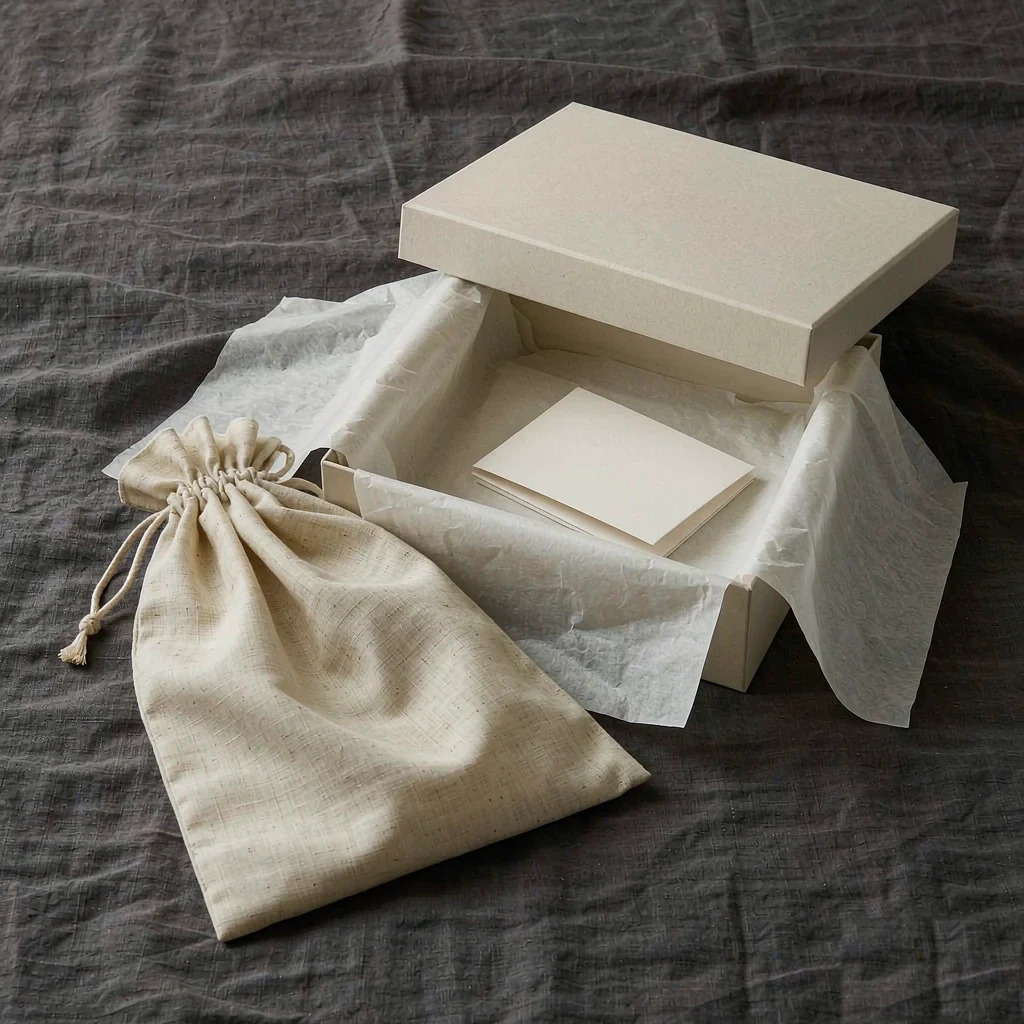
Box or no box is usually argued as a cost question and decided as an identity question, which is why the argument rarely resolves. Both are real. A rigid box carries 40% to 52% of set cost and it is the single strongest signal a programme can send at the moment of opening; a soft set costs a fraction of that, ships in less cube and is what most retail partners would rather receive. The two routes are not competing answers to one question; they are answers to two different questions.
The Collection That Asked the Question
A house preparing a six-piece collection for a season launch had two structured top-handles, three soft shoulder bags and one evening bag. The initial plan was to box all six, on the reasonable grounds that a house should present one way. Costing the set put the box line at the top of the schedule and the freight quote put the cube at the top of the concerns, and the question was reopened with both numbers in front of the room.
What resolved it was not either number. It was the observation that the two structured pieces were being sold direct to clients, where the box is the whole presentation, while the soft pieces were going to retail partners, where the box is opened by a stock assistant and then flattened for recycling. Presenting one way turns out to be a weaker principle than presenting appropriately, and the collection shipped two ways without a single client comment.
What Boxed Actually Buys You
Three things, in descending order of importance. Structure, because a rigid box at 1,200 gsm holds a corner through packing, transit and shelf life in a way no soft set can. Ceremony, because a lid that lifts at 250 to 400 grams of resistance and tissue that parts over eight to twelve seconds is the closest thing a programme has to a controlled first impression. And a surface, because the box is the largest area available for a restrained mark.
- Structure: a rigid box protects a piece with a frame, a turn-lock or a raised hardware element.
- Ceremony: the lid and the tissue pace the opening, which is the part a client remembers.
- Surface: the largest area in the set for a deboss or a foil mark.
- Stackability: boxes stack on a shelf and in a stockroom in a way soft sets do not.
- Storage: the client keeps the box, and it protects the piece for years afterwards.
What the Soft Route Buys You
Also three things. Cube, because a dust bag in a right-sized carton occupies roughly a third less volume than the same piece in a rigid box, and freight is charged on volume as often as on weight. Cost, because removing the box removes the largest single line in the set. And appropriateness, because a soft shoulder bag does not need a board box to hold its shape, and a box around it can read as over-packing rather than as care.
The soft route is not the same as no packaging. A well-specified soft set still contains a dust bag, tissue, printed matter and a right-sized shipper with paper void fill; what it removes is the board. The risk is that a programme removes the box and then under-specifies the shipper, which is the failure mode of this route and the reason it has a reputation for damage that it does not deserve.
The Two Routes Compared on Seven Criteria
Scored on the seven criteria that decide the question in practice. Read it by row, because no route wins everything, and read the cube and damage rows together, because they are the two that move money.
| Criterion | Rigid box | Soft set | What decides it |
|---|---|---|---|
| Transit protection | High for structured pieces | Adequate for soft pieces | Whether the piece has a frame or raised hardware |
| Freight volume | Reference | Roughly a third less cube | Whether freight is charged on volume |
| Set cost | Box at 40% to 52% | The largest line removed | Whether the piece is sold direct or via retail |
| Opening ceremony | Lid, tissue, reveal | Tissue and dust bag only | Whether the client opens it or a stock assistant does |
| Brand surface | Largest area available | Dust bag and card only | How much presence the mark needs |
| Retail handling | Flattened for recycling | Preferred by many partners | Who receives the carton |
| Client storage | Box kept, piece protected | Dust bag kept, less structure | Whether the piece needs support in the wardrobe |
Where the Box Is Non-Negotiable
Three cases. A structured piece with a frame or a rigid base, because a soft set lets the base bow under a point load and the damage is not visible until the piece is unpacked. A piece with raised hardware, a heavy turn-lock or a chain, because hardware pressing through fabric is the most common cause of an indentation arriving with the piece. And any line sold direct to a client, because in that channel the box is not packaging, it is the presentation.
- Box board
- 1,200 gsm for structured, 900 gsm for lighter builds
- Lid resistance
- 250 to 400 g, gauged on ten lids
- Reveal
- 8 to 12 seconds from lid clear to piece in hand
- Cube reduction
- Roughly a third less with a soft set
- Set cost share
- Box at 40% to 52% of set cost
- Damage, boxed lines
- Typically below 0.5% of units on comparable programmes
- Damage, soft-packed
- Nearer 2% where the shipper is under-specified
- Shipper
- Right-sized, 10 to 15 mm void fill per face
- Run minimum
- 500 pcs per style and colourway
Where the Soft Route Wins
Three cases of its own. A soft construction with no frame and no raised hardware, which is the majority of shoulder bags and hobos. A line shipping to retail partners, where the box is opened by staff and flattened, so the ceremony is never witnessed and the board is pure cost. And any route where freight is charged on volume, because the cube saving is recurring rather than one-off and it compounds across a season.
The fourth case is the quiet one: a line at the lower end of a price architecture where the box would consume a disproportionate share of the set. Putting a heavy rigid box around an entry piece reads as trying rather than as care, and the client notices the mismatch even if they could not name it. Matching the presentation to the tier is a specification discipline rather than a compromise, and it is the case most often missed because nobody wants to be the person who suggested spending less.
A fifth case is seasonal. A capsule made for a warm-weather market, in a soft construction and a light colourway, frequently ships better as a soft set for the simple reason that it is travelling further and sitting in a hotter container. Board and adhesive behave differently at sustained heat, and a rigid box that was correct for a domestic launch can arrive with a lifted wrap after six weeks at sea. Where the route is long and the season is hot, the soft set is the more robust specification as well as the lighter one.
The Middle Option: A Rigid Insert in a Soft Set
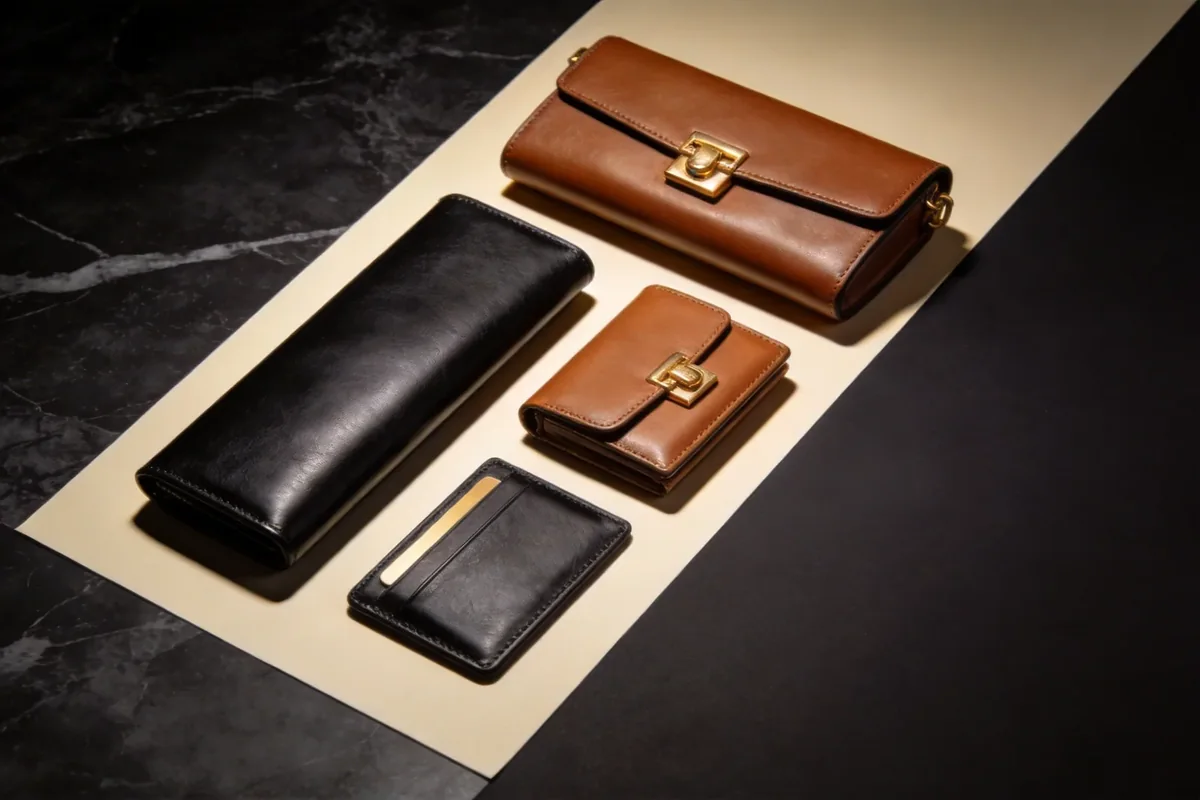
There is a third answer, and it is under-used. A soft set with a rigid insert, a formed pulp tray or a board collar around the base, gives a soft piece the structural support it needs at the base and the hardware without the full cost and cube of a box. The insert is the part that does the protecting; the board box around it is mostly doing the presenting.
Where a programme wants the ceremony of a box and the cube of a soft set, a shallow rigid tray with a lid that lifts is a further variant, and it is worth costing before either of the two main routes is committed. It sits between the two on cost and between the two on cube, and it is the answer most often arrived at after a season of shipping one of the other routes and finding it imperfect.
What Changes When a Line Switches Route
A programme that switches from boxed to soft, or the reverse, should expect four knock-on effects and plan for them rather than discover them. The packing instruction changes completely, because the sequence of layers is different and the packers have been trained on the other one. The artwork changes, because the largest brand surface is either removed or introduced. The carton changes, because the cube is different and the void fill has to be re-specified. And the damage profile changes, which means the first carton has to be graded again rather than assumed.
None of the four is difficult and all four are forgotten, because a route change is usually treated as a material substitution rather than as a new specification. The least costly way through it is to run the first article and the first carton as though the line were new, which in specification terms it is. Where a programme runs both routes across a collection, the same discipline applies to each, and the packing instruction needs to make it unmistakable which route each silhouette takes.
What Each Route Costs
Set against a reference unit cost of USD 4.80, a boxed set adds 40% to 90% of that figure and a well-specified soft set adds roughly 20% to 45%, with most of the difference being the board. That is a large gap and it is the reason the question gets asked. Set against it, the cube saving on the soft route recurs on every shipment, and on a long or an air-freighted route it can close the gap within a season.
The cost that is harder to place is damage. On comparable programmes a boxed line typically runs below 0.5% of units damaged in transit, while a soft-packed line where the shipper has been under-specified runs nearer 2%. That difference is not an argument for boxing everything; it is an argument for specifying the shipper properly if the soft route is chosen, which costs a fraction of the board it replaced.
Direct to a client, the box is the presentation and should be specified properly. To a retail partner, the box is opened by staff and flattened, so the board is cost without witness. Then look at whether the piece has a frame, and let that decide the rest.
Fitting Either Route Into the Programme Clock
Both routes run on the same clock: sampling 6-10 working days and 12-15 for complex constructions, bulk 35-50 days, inspection at AQL 2.5 under ISO 2859-1, handover on FOB Xiamen terms with CIF or DDP available where a programme needs them. The soft route removes the longest lead-time item in the set, which is the board, so it is marginally the faster of the two and considerably the easier to re-order.
Work runs at 500 pcs per style and colourway through our validated partner factory Quanzhou Yingming Bags, an SGS-validated site operating since 2014 with 7 production lines and capacity of about 200,000 pcs per month. See luxury handbag packaging for the layer specification behind both routes.
Take this to the bench
- Decide by channel first, then by construction. Box the structured pieces sold direct; soft-pack the soft pieces going to retail; and if the soft route is chosen, specify the shipper properly rather than spending the board saving on something else.
Choose the route for your line
Send the silhouettes, the channel and the markets, and we will cost both routes side by side with the cube and the damage risk shown. Request a quote
Frequently Asked Questions
Does a luxury handbag line need a box?
It depends on the channel and the construction. Box the structured pieces sold direct, where the box is the presentation. Soft-pack the soft pieces going to retail partners, where the box is opened by staff and flattened, so the board is cost without witness.
How much does a box add to packaging cost?
The rigid box carries 40% to 52% of set cost, which is why it is the largest single line. Set against a reference unit cost of USD 4.80, a boxed set adds 40% to 90% while a well-specified soft set adds roughly 20% to 45%.
How much freight does a soft set save?
Roughly a third less cube for the same piece, and freight is charged on volume as often as on weight. On a long or an air-freighted route that saving recurs on every shipment and can close the cost gap within a season.
Is a soft-packed bag more likely to be damaged?
Only where the shipper has been under-specified. On comparable programmes a boxed line typically runs below 0.5% of units damaged in transit and a soft-packed line with a poor shipper nearer 2%. Specifying the shipper properly costs a fraction of the board it replaced.
Which bags must be boxed?
A structured piece with a frame or a rigid base, because a soft set lets the base bow under a point load; a piece with raised hardware, a heavy turn-lock or a chain, because hardware pressing through fabric causes indentations; and anything sold direct.
What is in a soft-packed set?
A dust bag, tissue, printed matter and a right-sized shipper with paper void fill. The board is what is removed, not the packaging. The failure mode of this route is removing the box and then under-specifying the carton that replaces it.
Is there a middle option between the two?
Yes, and it is under-used: a soft set with a rigid insert, a formed pulp tray or a board collar around the base. It gives a soft piece structural support at the base and the hardware without the full cost and cube of a box.
Do retail partners prefer soft-packed bags?
Many do, because the carton is opened by staff and the box is flattened for recycling, so the ceremony is never witnessed and the board is pure cost. Where a partner has a specific presentation requirement, that requirement decides the question regardless of cost.
Should a whole collection present the same way?
Not necessarily. Presenting appropriately is a stronger principle than presenting uniformly. A six-piece collection with two structured and four soft pieces can ship two ways, and the client reads the difference as judgement rather than as inconsistency.
Does the soft route suit an entry-tier line?
Often yes. A heavy rigid box around an entry piece reads as trying rather than as care, and clients notice the mismatch even if they cannot name it. Matching presentation to tier is a specification discipline rather than a compromise.
Which route has the shorter lead time?
The soft route, marginally, because it removes the longest lead-time item in the set, which is the board. Both run on the same clock: sampling 6-10 working days, bulk 35-50 days, inspection at AQL 2.5 under ISO 2859-1, handover FOB Xiamen.
How should the shipper be specified on a soft route?
Right-sized to the packed set with 10 to 15 millimetres of paper void fill on every face, and drop-tested packed rather than empty. An oversized carton with good fill performs worse than a right-sized one with adequate fill, because the inner set is free to move.
People Also Ask
Is a box necessary for luxury packaging?
For structured pieces sold direct, yes. For soft pieces going to retail partners, usually not. Decide by channel first and by construction second, and specify the shipper properly either way.
How much does a box cost in a set?
Between 40% and 52% of set cost, making it the largest line. Removing it takes a complete set from 40-90% of a USD 4.80 reference unit down to roughly 20-45%.
What is a soft-packed luxury set?
A dust bag, tissue, printed matter and a right-sized shipper with paper void fill, with the board removed. It uses about a third less cube than a boxed set.
Can a soft set still feel luxurious?
Yes, if the dust bag is cotton at 140 gsm, the tissue is folded rather than scrunched and the carton is right-sized. What a client remembers is the tissue and the dust bag, not the board.
What is a rigid insert?
A formed pulp tray or a board collar that supports the base and hardware of a soft piece inside a soft-packed set. It is the middle option between a full box and no board at all.
Sources and further reading
Every figure on this page is either our own programme data or attributed below. Open the originals before you write them into a specification.
- ASTM standards for packaging and transit testingASTM International Referenced for drop, compression and vibration practice on boxed and soft-packed cartons.
- Technical Association of the Pulp and Paper IndustryTAPPI Test methods for board grammage, edge crush and compression used on both routes.
- ISO standards catalogueInternational Organization for Standardization Reference for ISO 2859-1 inspection applied to packaging at goods-in.
- FSC certification and chain of custodyForest Stewardship Council Chain of custody reference for the board and paper used in either route.
- Proposition 65California Office of Environmental Health Hazard Assessment Warning requirements relevant to printed elements entering the California market.