The Unboxing Experience for Luxury Handbag Brands: A Nine-Point Opening Checklist
What makes an unboxing feel luxurious? It is nine physical contacts, in a fixed order, each executed to a tolerance you can write down: a shipper that opens without a blade, a lid that lifts at 250 to 400 grams of resistance, and a reveal paced at eight to twelve seconds. Everything else is decoration. This checklist sets the measurable specification behind every contact, from acid-free tissue at 30 gsm to a drawcord that survives 50 pulls, and places it on the same clock as the bag itself: sampling in 6-10 working days, bulk in 35-50 days, inspection at AQL 2.5 under ISO 2859-1, handover FOB Xiamen.
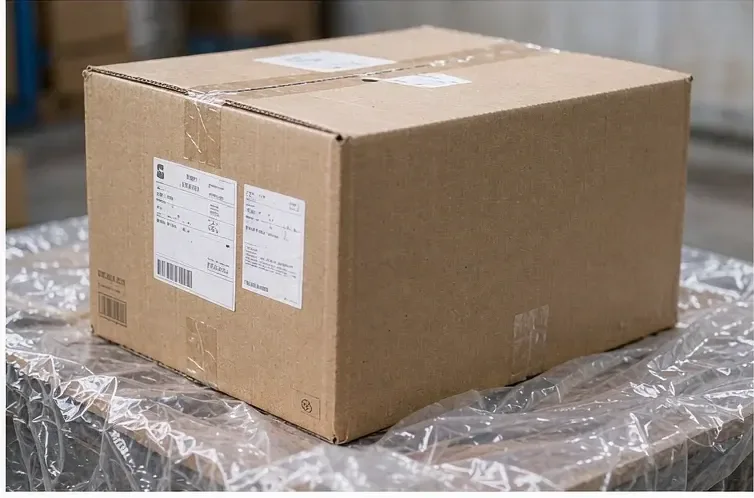
An opening is not a mood. It is a sequence of mechanical events that a client performs with their hands, in the same order, every single time. Because the order never changes, each event can be specified, costed and tested. Programmes that treat the opening as a feeling rather than a sequence end up arguing about print finishes while the lid sticks, the tissue tears and the dust bag sheds lint onto a black calfskin flap. The nine checks below are ordered exactly as the client meets them, because that is the only order in which they can be diagnosed.
The Nine Contacts in a Luxury Bag Opening
Every client performs the same nine actions, whether the piece is a structured top-handle or a soft hobo. They cut or tear the shipper, lift the box out, remove the lid, part the tissue, lift the piece, open the dust bag, read the card, set the card down, and then either reassemble the set or discard it. Each action has a failure mode. Write the nine down in order before you specify any of them, because a set that is beautiful at contact five andwrong at contact two has already lost.
- Contact one: opening the outer shipper. Failure mode is a knife through the inner box.
- Contact two: lifting the box clear. Failure mode is weight that reads as light.
- Contact three: removing the lid. Failure mode is a lid that sticks or, worse, drops.
- Contact four: parting the tissue. Failure mode is tissue that shreds or sheds ink.
- Contact five: lifting the piece. Failure mode is hardware that catches on the wrap.
- Contact six: opening the dust bag. Failure mode is a drawcord that jams.
- Contact seven: reading the card. Failure mode is four cards where one would do.
- Contact eight: setting the card down. Failure mode is a coated stock that slides off the table.
- Contact nine: reassembly or disposal. Failure mode is a set that cannot be closed again.
Check One: The Shipper Opens Without a Blade
A client who reaches for a knife is already at risk, and so is the box inside. The shipper should open by tear strip or by a single adhesive line that releases at a pull force of 20 to 40 newtons, and the inner box should sit with 10 to 15 millimetres of void fill on every face so a blade that does slip meets paper, not board. Specify the opening method on the carton drawing, not in the packing instruction, because the drawing is what the carton maker quotes to.
- Shipper opening
- Tear strip or single adhesive line, no tool required
- Release force
- 20 to 40 N pull, tested on five cartons per run
- Void fill clearance
- 10 to 15 mm on every face of the inner box
- Board grade
- Single-wall for parcel routes, double-wall for palletised freight
- Fill material
- Paper-based where the destination market restricts plastic
- Tape
- Paper tape with a reinforced core, not a plastic film tape
- Labelling
- One scan face, one handling face, nothing printed on the top
- Re-close
- Carton must close again for a return leg without new tape
Check Two: Lid Resistance Between 250 and 400 Grams
The single most quoted memory of a good opening is the way the lid comes off. Too loose and the lid falls, which reads as an empty box; too tight and the client braces, which reads as a struggle. A lift-off lid on a rigid box should release at 250 to 400 grams of measured resistance, achieved by the fit between the lid skirt and the base rather than by friction against a wrapped surface. That means the tolerance that matters is the skirt fit, held at plus or minus 0.5 millimetres, and it should be measured on the production board rather than on a hand-made sample.
| Contact | What the client feels | Specification | Test before release |
|---|---|---|---|
| Opening the carton | A clean tear, no tool | Tear strip, 20 to 40 N release | Five-carton pull test per run |
| Lifting the box | Weight that reads as substance | 1,200 gsm greyboard on structured pieces | Weigh a packed box, record the figure |
| Removing the lid | A slow release, not a drop | 250 to 400 g lift resistance | Gauge on 10 lids from the bulk run |
| Parting tissue | A soft fold, no shred | 30 gsm acid-free, 2 to 4 sheets | 48 h contact test on the finished leather |
| Lifting the piece | Nothing catches | 5 to 10 mm clearance per side | Lift-out trial with the production wrap |
| Opening the dust bag | One hand, no jam | Drawcord channel 12 mm, cord 3 mm | 50-cycle pull test on the channel |
| Reading the card | One card, not four | 300 gsm uncoated, two panels | Read at arm's length under 400 lux |
| Setting the card down | Stays where it is put | Uncoated stock, no gloss laminate | Slide test on a 10 degree incline |
| Reassembly | The set closes again | Lid re-seats without force | Close and reopen three times |
Two of those nine lines carry most of the perceived quality: the lid resistance and the weight of the box in the hand. Both are inexpensive to specify and costly to retrofit, because both are decided by board weight and skirt fit at tooling stage. A programme that discovers a loose lid after 500 sets have been packed has no remedy short of remaking the board, which is why the gauge check belongs on the bulk run and not on the approval sample alone.
Check Three: Pacing the Reveal at Eight to Twelve Seconds
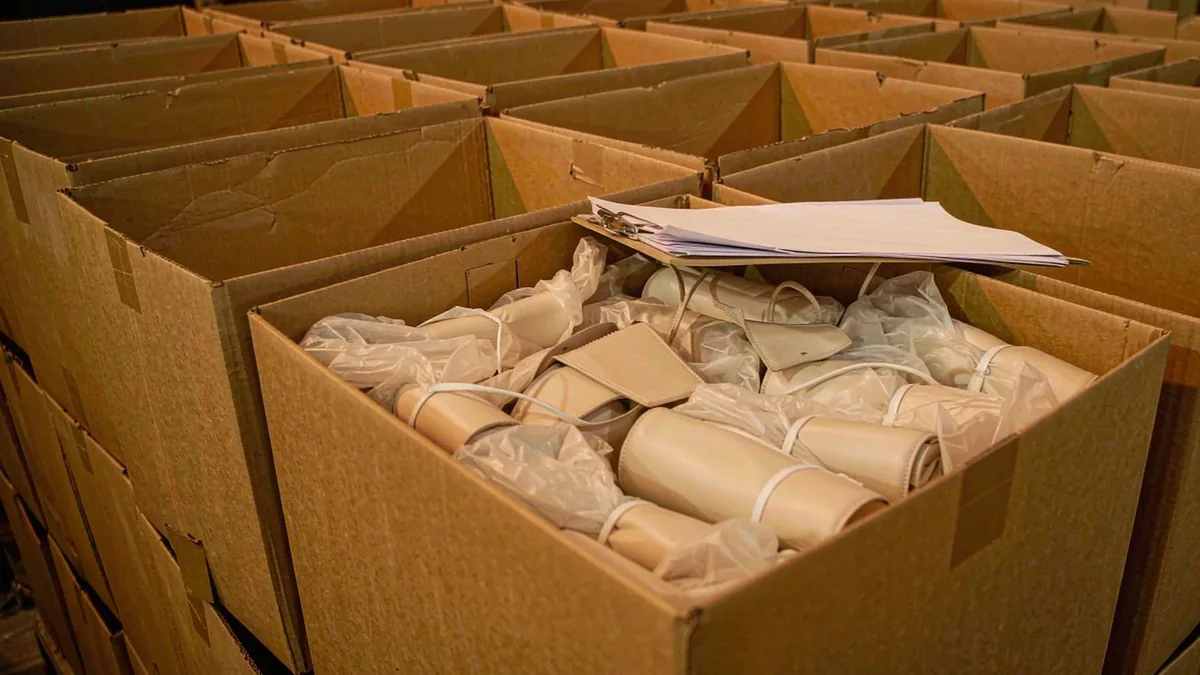
The reveal is the interval between the lid clearing the box and the piece being fully in the hands. Under about five seconds it feels abrupt, as though the packaging were an obstacle; over about twenty seconds it feels like work, and the client starts hunting for the closure. Eight to twelve seconds is the band most premium programmes land in, and it is produced by the number of tissue sheets and by how they are folded rather than by anything printed. Two sheets folded in a single envelope gives the shorter end; four sheets folded in two opposed envelopes gives the longer end.
Pacing is worth specifying because it is the one part of the opening that costs almost nothing to change. Sheet count, fold pattern and whether the piece sits upright or on its side are decisions made at the packing bench, and each moves the reveal by two to four seconds. The right way to set them is to pack three variations, time three people opening each, and fix the one that lands in the band. That exercise costs an afternoon and removes the most common source of a flat opening.
Check Four: Tissue That Protects Before It Pleases
Tissue is the layer clients touch first and the layer most often bought on price alone. Two specifications matter, and neither is colour. Weight, measured in grams per square metre, governs how the sheet folds and whether it shreds at the fold line: 30 gsm acid-free is the working standard, 22 gsm is acceptable for interleaving only, and 17 gsm creases in transit and reads as transit packing. Acidity governs what happens over months in a wardrobe: a neutral pH sheet does not react with a finished leather surface, while an acidic sheet can leave a mark on a pale calfskin that no amount of care card prose will explain away.
- Weight: 30 gsm acid-free for the reveal, 22 gsm for interleaving between hardware and leather.
- Acidity: neutral pH, with a 48 hour contact test against the actual production finish.
- Sheet count: two for a clean silhouette, four where the piece carries hardware that can mark.
- Ink: single-colour flexo where a mark is required, with a rub check against the wrap.
- Sourcing: chain of custody documentation available where the destination market requires it.
Check Five: A Dust Bag That Opens One-Handed
The dust bag is the only part of the set that stays with the piece, and it is used one-handed in a wardrobe, usually while the other hand is holding the bag. That single fact should drive the whole specification. A drawcord channel at 12 millimetres with a 3 millimetre cord opens and closes cleanly; a channel at 8 millimetres with a 2 millimetre cord jams after a season because the fabric bunches. Fabric weight matters equally: cotton or a heavy non-woven in the 100 to 140 gsm range holds its shape at the mouth, while a light non-woven at 40 gsm collapses and looks like a shoe bag.
Channel and cord
A 12 mm channel with a 3 mm cord is the combination that survives repeated one-handed use in a wardrobe.
Fabric weight
Cotton or heavy non-woven at 100 to 140 gsm. Below 40 gsm the mouth collapses and the bag reads as transit packing.
Sizing rule
Dust bag width at bag width plus 40 mm, height at bag height plus 60 mm, so the piece enters without being forced.
The mark
One colour, screen printed, positioned so it is upright when the bag hangs by its handles.
Check Six: Silence, Scent and the Rattle Test
Two senses are almost never specified and yet decide whether an opening feels considered. The first is sound: a packed set shaken gently at the bench should be silent. Any rattle means void fill has settled or a hardware element is loose against board, and both are audible in a quiet room. The second is scent: a newly packed box should smell of nothing. A solvent note from an adhesive or a laminate reads as newness in a low house and as a defect in a premium one, and it is the single most common cause of a first-contact return that has nothing to do with the bag.
Check Seven: Two Marks, Not Five
Repetition of the mark is read as confidence; insistence is read as insecurity. The set should carry the mark twice where it counts once each: once on the box, once on the dust bag. Everything else, the tissue, the card, the shipper, is a place where a mark can be added later when the line has earned it. Programmes that print on every layer are not only spending more, they are spending in the wrong order, because the layer the client keeps is the only one worth the second mark.
How an Opening Is Tested Before It Ships
Testing an opening means reproducing it, not inspecting it. A visual check confirms that the right elements are present; only a physical run confirms that they work together. The sequence below is run on three packed sets from the first bulk carton, timed, and signed off before the rest of the run is released. It takes under an hour and it catches every failure mode in the nine-contact list.
- Open three cartons with no tool. Any knife use is a fail on contact one.
- Weigh each packed box and record the figure against the specification.
- Gauge lid resistance on ten lids; accept only within 250 to 400 grams.
- Time the reveal from lid clear to piece in hand; accept 8 to 12 seconds.
- Shake each packed set at waist height and listen; any rattle is a fail.
- Smell the inside of the box immediately on opening; any solvent note is a fail.
- Open and close each dust bag fifty times; the channel must not bunch.
- Rub each printed surface with a white cloth; any transfer is a fail.
Where Openings Fail, and What It Costs
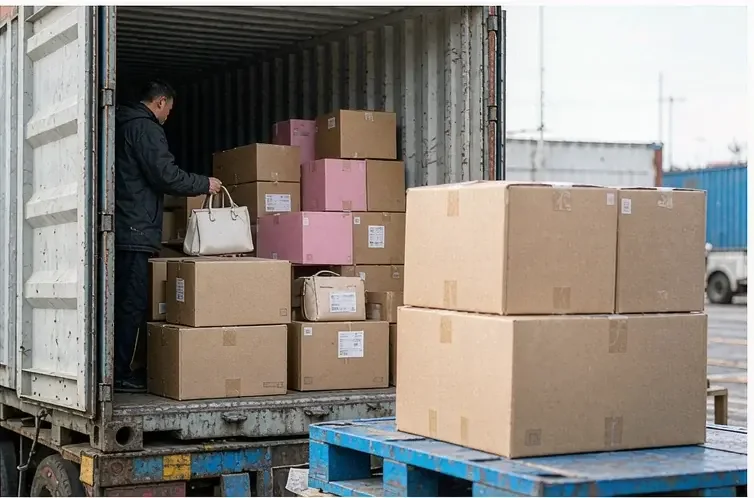
Failures cluster in three places. The lid, because skirt fit is set on a hand-made sample and then drifts on the production board. The tissue, because weight was bought down at the last minute and nobody re-tested the fold. The dust bag, because the channel was specified by eye and the cord by diameter alone. All three are specification gaps rather than material problems, and all three are found at the packing bench, which is the most expensive place in the programme to find anything.
Set against a reference unit cost of USD 4.80, correcting a failed opening after the cartons are sealed costs several times the element it fixes, because the fix is rework plus repacking plus the freight of a second pass. Correcting the same line at specification stage costs a phone call. That asymmetry is the entire argument for writing the nine contacts down before the first bulk carton is packed, and it is why the checks above belong in the packaging specification rather than in the packing instruction.
Pack three variations of the same set, hand them to three people who have not seen the programme, and time each opening. You will learn more in that hour than from any amount of debate about finishes, and you will find the lid problem before it reaches the bench.
Fitting the Opening Into the Programme Clock
An opening has to be specified early enough to be tested, which means at the same time as the tech pack rather than at the same time as the packing instruction. Board, wrap, tissue and dust bag fabric all have lead times of their own, and deboss or foil tooling has to be cut before any of them can be assembled into a set. The workable sequence is specification released with the tech pack, artwork approved during sampling, tooling cut during the bulk window, and materials received before pack-out starts.
Those windows are the same ones the bag runs on. Sampling takes 6-10 working days and 12-15 for complex constructions, bulk production runs 35-50 days, inspection sits at AQL 2.5 under ISO 2859-1, and handover is on FOB Xiamen terms, with the option of CIF or DDP where a programme needs it. Packaging that is specified late does not get a shorter clock; it simply borrows from the bag's, and that is how openings end up being decided at the bench. See luxury handbag packaging for the layer-by-layer specification that sits behind these checks.
Take this to the bench
- Write the nine contacts down in the order the client meets them. Specify lid resistance at 250 to 400 grams, pace the reveal at eight to twelve seconds, hold tissue at 30 gsm acid-free, size the dust bag channel at 12 millimetres, and run the one-hour opening trial before the first bulk carton is sealed.
Build the opening specification
Send the silhouette, the colourway list and the markets you ship to, and we will write the nine-contact specification around them. Work runs through our validated partner factory Quanzhou Yingming Bags, an SGS-validated site operating since 2014 with 7 production lines and capacity of about 200,000 pcs per month, at 500 pcs per style and colourway. Request a quote
Frequently Asked Questions
What makes an unboxing feel luxurious?
Nine physical contacts executed to tolerances you can write down, in the order the client meets them. Two carry most of the perceived quality: lid lift resistance of 250 to 400 grams, and the weight of the box in the hand. Both are decided by board weight and skirt fit at tooling stage.
How much resistance should a rigid box lid have?
Between 250 and 400 grams, measured with a gauge on ten lids from the bulk run. Below that the lid drops and the box reads as empty; above it the client braces and the opening reads as a struggle. The tolerance that produces it is the skirt fit, held at plus or minus 0.5 millimetres.
How long should a luxury bag reveal take?
Eight to twelve seconds from lid clear to piece in hand. Under five feels abrupt, as though the packaging were an obstacle; over twenty feels like work and the client starts hunting for the closure. Sheet count and fold pattern move the figure by two to four seconds each and cost almost nothing.
What tissue weight is right for the reveal layer?
Acid-free tissue at 30 grams per square metre is the working standard. It folds cleanly, does not shred at the fold line and does not react with a finished leather surface over months in a wardrobe. Tissue at 22 gsm suits interleaving only, and 17 gsm creases in transit.
How should a dust bag be sized for a handbag?
Width at bag width plus 40 millimetres, height at bag height plus 60 millimetres, so the piece enters without being forced and the mouth still closes. Pair that with a 12 millimetre drawcord channel and a 3 millimetre cord, which is the combination that survives repeated one-handed use.
Why does the packaging smell matter so much?
Because a solvent note from an adhesive or a laminate reads as newness in a low house and as a defect in a premium one. It is the most common cause of a first-contact return that has nothing at all to do with the bag, and it is easily avoided by checking the inside of the box on opening.
How many times should the brand mark appear on a set?
Twice: once on the box and once on the dust bag, which is the only layer the client keeps. Repetition of the mark reads as confidence and insistence reads as insecurity. Printing on every layer costs more and spends in the wrong order, because the layer that stays is the one worth marking.
What is the rattle test and how is it run?
Hold a packed set at waist height and shake it gently. A considered set is silent. Any rattle means the void fill has settled or a hardware element is loose against board, and both are clearly audible in a quiet room. Run it on three sets from the first bulk carton.
How do you stop a client using a knife on the shipper?
Specify a tear strip or a single adhesive line that releases at 20 to 40 newtons, and put the opening method on the carton drawing rather than in the packing instruction. Keep 10 to 15 millimetres of paper void fill on every face so a blade that does slip meets paper, not board.
Where do luxury openings most often fail?
In three places: the lid, because skirt fit drifts from the hand-made sample to the production board; the tissue, because weight was bought down without re-testing the fold; and the dust bag, because the channel was specified by eye. All three are specification gaps found at the packing bench.
When should the packaging be specified in a programme?
At the same time as the tech pack. Board, wrap, tissue and fabric each carry their own lead time, and deboss or foil tooling must be cut before a set can be assembled. Specified late, packaging does not get a shorter clock; it borrows from the bag's, and gets decided at the bench.
How is an opening inspected before the run ships?
By reproducing it rather than looking at it. Three packed sets from the first bulk carton are opened with no tool, weighed, gauged for lid resistance, timed for reveal, shaken, smelled, and rub-tested for ink transfer. The run is released only when all three pass. Inspection sits at AQL 2.5 under ISO 2859-1.
People Also Ask
What is an unboxing experience in luxury packaging?
The fixed sequence of nine physical contacts a client performs before the piece is in their hands, from opening the shipper to setting the card down. It can be specified and tested because the order never changes.
How do you measure a good lid fit?
With a pull gauge on ten lids from the bulk run, accepting 250 to 400 grams of resistance. Achieve it through skirt fit held at plus or minus 0.5 millimetres rather than through friction against a wrapped surface.
Why is the dust bag the most important layer?
It is the only part of the set the client keeps and uses one-handed in a wardrobe. That single fact should drive channel width, cord diameter, fabric weight and the position of the mark.
Does packaging affect how a bag is perceived?
Yes, and the effect comes from weight, lid resistance and reveal pacing rather than from print. Clients remember how the lid came off and how heavy the box felt, and rarely remember a third colour on a card.
How do I test an unboxing before bulk ships?
Pack three variations, hand them to three people who have not seen the programme, and time each opening. Then run the rattle, scent, lid gauge and rub checks on three sets from the first bulk carton.
Sources and further reading
Every figure on this page is either our own programme data or attributed below. Open the originals before you write them into a specification.
- Technical Association of the Pulp and Paper IndustryTAPPI Test methods for board strength, compression and moisture content used on presentation boxes.
- ISO standards catalogueInternational Organization for Standardization Reference for ISO 2859-1 sampling procedures and paper and board test methods.
- FSC certification and chain of custodyForest Stewardship Council Chain of custody reference for board, paper and tissue where the destination market requires it.
- REACH legislationEuropean Chemicals Agency Substance restrictions relevant to adhesives, coatings and inks used in a presentation set.
- Proposition 65California Office of Environmental Health Hazard Assessment Warning requirements relevant to printed packaging entering the California market.