High-End Handbag Supplier for Limited Editions: How a Numbered Run Is Actually Made
What does a limited edition handbag run actually require? Fewer pieces than most buyers expect, but not fewer than 500 per style and colourway, because the nest, the dies and the bench setup are fixed costs whatever the size of the edition. A limited edition is made exclusive by what is different about it, not by how few there are. Six questions below cover exactly how a numbered run is made.
How few is too few on a limited edition?
The honest answer is that a limited edition is not made exclusive by being small. It is made exclusive by being different in ways that can be seen and verified. A run of 300 pieces of a stock shape in a stock colour is a small order. A run of 500 pieces built on one reserved hide lot, carrying a hand-set frame and a numbered plaque, is an edition. The piece count is the last thing a customer ever checks.
What the count does govern is the economics. The cutting nest, the clicker dies, the pattern grade and the bench setup cost the same whether the run is 300 or 3,000, so the per-piece figure at 300 is necessarily the higher one. Our floor is 500 pcs per style / colourway, and it is that number for precisely this reason: it is where the fixed work becomes economical, not a preference about how much volume we would like.
What makes 500 pcs a limited edition rather than a small order?
Four things, and the fourth is the one buyers forget. A reserved construction, meaning a shape or a frame that does not sit in the general range. A single material lot, meaning every piece in the run cut from hides bought and dyed together. A marking, meaning a number, a date or an initial. And an end date, meaning a written position on when that shape stops being offered.
The end date is the one that costs nothing and means the most. A shape that is merely unavailable this season is a shape that can be reissued next season; a shape carrying a written end date is an edition, and it is a promise a maison can make to a customer and then keep. Ask for it as a clause on the order. It is available on every reserved construction and it costs nothing to ask for.
One further distinction is worth drawing, because it decides how the whole run is planned. A capsule is a small group of related shapes offered for a season; an edition is one shape, or one shape in two sizes, offered until its end date arrives. A capsule is planned like a seasonal drop and inspected as three or four separate lots. An edition is planned like a single object and inspected as one lot of 500 pcs. The two words are used interchangeably in this trade, and they should not be.
Where does the per-colourway reading bite hardest?
On a limited edition the per-colourway reading stops being a footnote and becomes the whole arithmetic. A 500-pcs edition in one colour is one dye lot, one nest and one hide purchase. The same 500 pcs spread across five colours are five dye lots, and five lots cannot be bought as one, matched as one or inspected as one. The piece count that looked like an edition becomes five small orders wearing the same name.
There is a version of this that does work, and it is worth naming because it is the one most often overlooked. A size family fills the floor without fragmenting it. Two hundred and fifty pieces of a 32 cm and 250 pieces of a 26 cm share the pattern grade, the clicker die logic, the hardware set and, usefully, the hide lot. That is one edition carrying two sizes rather than two editions competing for the same 500 pieces.
How is a numbered edition physically marked?
Three methods, in ascending order of permanence. Hot foil stamping directly into the interior facing, at 110-130 degrees Celsius with a dwell of 1.5 seconds, is the most widely used and the least durable. A separate plaque in 0.8 mm brass, typically 20 by 8 millimetres, riveted or stitched into the facing, is the most durable. And a debossed number pressed to a depth of 0.3 mm into the leather itself is the most discreet, and the hardest to correct once it has been done.
The numbering sequence matters more than the method. Number 001 of 500 carries a value that number 387 of 500 does not, and a buyer who wants the sequence to mean something should say so at the brief stage, because otherwise the pieces are numbered in the order they leave the bench. That is a perfectly good system, but it is a random one, and a random sequence is not what an edition buyer is paying for.
What protects an exclusive shape once it has shipped?
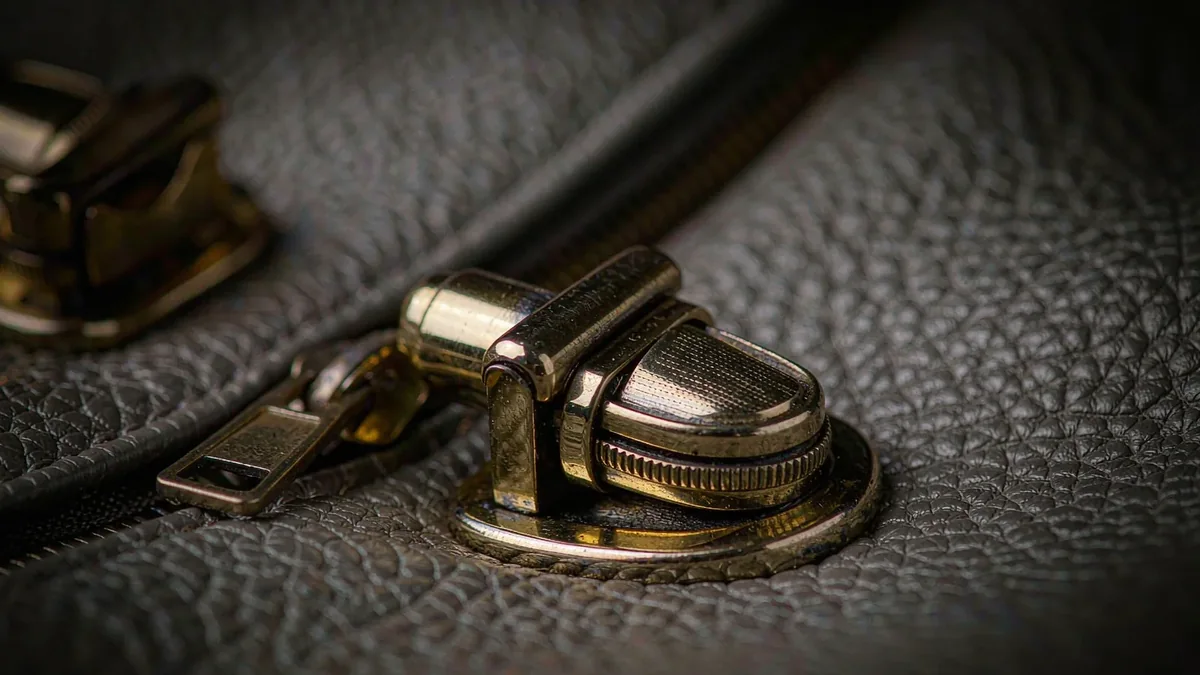
A written clause, and only a written clause. The three things to put on the order are the reservation period, meaning how long the shape belongs to you alone; the end date, meaning when the construction stops being offered; and the mould ownership, meaning who holds the tooling for a bespoke lock or a frame. All three are available, and all three are requested far less often than they should be.
The mould question is the practical one. If a house opens a tool for your lock and then offers that lock to the next client, your exclusive shape is exclusive in silhouette only. Either the tool charge covers exclusive use for an agreed period, or the tool is bought outright. Both arrangements are entirely normal in this market, and the one that fails is always the arrangement that nobody wrote down at the time.
Can the leather for a short run be bought as one lot?
Usually yes, and it is the strongest material argument for making a limited edition at all. A tannery sells in lots, and 500 pcs worth of hide bought together, dyed together and finished together gives a consistency across the run that a rolling purchase cannot. Colour consistency between piece 1 and piece 500 is exactly what an edition buyer is paying for, and there is no other way to obtain it.
Where this gets difficult is with an exotic skin. A single matched lot of crocodile flanks sized for a 500-pcs run is a serious purchase: the skin count is high because usable area per skin is small, and the CITES paperwork has to be issued for every skin in it. Plan that purchase before the brief rather than after sample approval, or the 35-50 days bulk window will absorb the delay.
The mechanics of a numbered run
- Reserve the construction, and write the reservation period and the end date onto the order.
- Buy the hide or the skin lot as one purchase, before the sampling window closes.
- Choose the marking method and the numbering sequence at the brief stage, not later.
- Decide the mould ownership for any bespoke lock or frame before the tool is opened.
- Confirm the inspection level, AQL 2.5 under ISO 2859-1, and the sample size for the run.
Five steps, and the third is the one that gets left behind. A marking method chosen late becomes a hand operation performed on finished pieces, at 500 pcs, at the end of a calendar that was already full. Chosen at the brief stage, it is a station on the line like any other, and it costs a fraction of the same work done in a hurry. The luxury sampling page shows where that station sits in the sequence.
That sequence also decides the sampling window. A reserved construction carrying a bespoke lock and a matched skin lot is complex work by definition, which means 12-15 working days for sampling rather than 6-10, and it means the material has to be in hand before that clock is allowed to start. An edition brief sent out without the material decision attached to it will spend its first fortnight waiting for a lot that could have been bought in the first week.
Documents that travel with a limited edition
| Document | What it records | Why it matters on an edition |
|---|---|---|
| Numbering record | The sequence assigned and which piece received it | Number 001 of 500 has to be provable rather than claimed |
| Material lot reference | The hide or skin lot used across the run | Consistency from piece 1 to piece 500 is the promise |
| CITES paperwork | The permit for every exotic skin in the run | An edition held at customs is an edition that never launched |
| Certificate card | The 300 gsm card signed and numbered per piece | The customer keeps it, and it is the part they will show |
| Reservation clause | The period and the end date for the shape | An unwritten reservation is not a reservation at all |
| Inspection report | AQL 2.5 under ISO 2859-1 on the lot | A rejected edition costs more to re-make than a rejected staple |
Those six also form the resale file. A numbered piece that arrives with a numbering record, a material lot reference and a signed certificate holds its value in a way that the same bag without them does not, and that difference belongs to the buyer rather than to the house that made it. Presentation is part of the same question, and the luxury packaging page carries the specification for the certificate and the carton.
Three ways short runs go wrong
Numbering left too late
A stamp chosen the week before shipping becomes a hand operation on 500 finished pieces, at the end of a calendar that was already full.
Fragmented colourways
Five colours at 500 pcs are five dye lots, five nests and five purchases, not one edition of 500 pieces.
No reservation clause
An exclusive shape with no written end date can be reissued next season, and a customer will eventually find out.
Skin bought after approval
A matched exotic lot sized for 500 pcs cannot be assembled in a fortnight, and the delay lands inside the bulk window.
All four are documentation problems rather than construction problems, which is the single most useful thing to know before a short run begins. Making 500 pieces of anything is a solved problem. Making 500 pieces that are provably an edition is a paperwork problem, and paperwork is where short runs are won or lost.
What to put on the order
Six clauses, and the edition is protected. The construction reservation with its period, the single material lot, the marking method with the numbering sequence, the mould ownership, the end date and the inspection level. Alongside those sit MOQ 500 pcs per style / colourway and FOB Xiamen, a sampling window of 6-10 working days or 12-15 working days for complex work, and a bulk window of 35-50 days.
A reference unit of USD 4.80 on the entry tier does not survive a numbered edition, and it should not be expected to. The plaque, the single lot, the certificate and the reservation each add cost, and the value of the edition depends on those things being done properly rather than nominally. Our 7 production lines releasing about 200,000 pcs per month are scheduled for an edition exactly as they are for a staple: against a named line, with export experience since 2014 behind the schedule.
Reserve the shape before you brief
Send the construction, the material lot requirement, the marking method and the end date, and we will quote the edition with all four printed on the order. Request a quote
Frequently Asked Questions
How many pieces make a limited edition handbag?
500 pcs per style / colourway in our programme. What makes it an edition is not the count but the four things attached to it: a reserved construction, one material lot, a marking and a written end date. Three hundred pieces of a stock shape is a small order rather than an edition.
Can I order fewer than 500 pcs for a limited edition?
The floor is 500 pcs per style / colourway because the nest, the dies, the grade and the bench setup cost the same at 300 as at 500. A size family is the better route: 250 pieces of a 32 cm plus 250 of a 26 cm fills the floor without fragmenting it.
How are limited edition handbags numbered?
Three methods. Hot foil stamped into the interior facing at 110-130 degrees Celsius with a 1.5 second dwell, a separate 0.8 mm brass plaque of about 20 by 8 millimetres, or a deboss pressed 0.3 mm into the leather. The sequence matters more than the method.
What does a single material lot do for an edition?
It gives colour consistency from piece 1 to piece 500. A tannery sells in lots, and hides bought, dyed and finished together can be matched in a way that a rolling purchase cannot. That consistency is precisely what an edition buyer is paying for.
How do I stop my exclusive shape being reissued?
Put an end date on the order. A shape that is merely unavailable this season can be reissued next season; a shape with a written end date is an edition. Ask for the reservation period and the end date as clauses at the same time.
Who owns the tooling for a bespoke lock?
Whoever the order says. Either the tool charge covers exclusive use for an agreed period, or the tool is bought outright. Both arrangements are normal in this market, and the one that fails is always the arrangement nobody wrote down.
Does an exotic skin change how an edition is planned?
Yes. A matched lot of crocodile flanks sized for 500 pcs is a serious purchase, and the CITES paperwork has to be issued for every skin in it. Buy the lot before the brief rather than after sample approval, or the delay lands inside the 35-50 days bulk window.
How long does a limited edition take to make?
6-10 working days for sampling and 35-50 days for bulk on a standard construction, moving to 12-15 working days for sampling on a framed, hand-stitched or exotic build. Add the time the single material lot takes to assemble, which is the part most often forgotten.
What documents should arrive with a numbered piece?
A numbering record, a material lot reference, the CITES paperwork where an exotic skin is used, a 300 gsm certificate card signed and numbered per piece, and the inspection report at AQL 2.5 under ISO 2859-1. Together they form the resale file.
Can a limited edition be split across two deliveries?
Yes, and for an edition it is often the better shape. Two drops of 250 pieces against one order share the nest, the lot and the marking sequence, and the second drop can be adjusted once real sell-through data exists.
What is the most common mistake on a short run?
Choosing the marking method too late. A stamp decided the week before shipping becomes a hand operation on 500 finished pieces at the end of a full calendar, whereas the same decision made at the brief stage is a station on the line.
How much more does a numbered edition cost?
More than a reference unit of USD 4.80 on the entry tier, because the plaque, the single lot, the certificate and the reservation each add cost. The value of the edition depends on those being done properly rather than nominally, so it is not the place to economise.
People Also Ask
What is a limited edition handbag?
A reserved run, usually 500 pcs per style and colourway, made exclusive by four things: a reserved construction, a single material lot, a marking and a written end date. The piece count alone does not make it an edition.
How are handbags numbered?
By hot foil stamp into the interior facing, by a separate 0.8 mm brass plaque, or by a deboss pressed 0.3 mm into the leather. The sequence is planned at the brief stage, because otherwise pieces are numbered in the order they leave the bench.
Can I get 300 handbags made?
Not below our floor of 500 pcs per style / colourway, since the nest, the dies and the bench setup cost the same at 300. A size family of two sizes at 250 each is the workable alternative.
What makes a limited edition valuable?
Provable scarcity. A reserved shape, a written end date, a numbering record and a signed certificate. An edition held at customs or a shape that can be reissued quietly are the two things that destroy that value.
Should a limited edition use exotic leather?
It can, but the skin lot has to be bought before the brief. A matched lot sized for 500 pcs is a serious purchase with a permit for every skin, and it cannot be assembled in a fortnight after sample approval.
Sources and further reading
Every figure on this page is either our own programme data or attributed below. Open the originals before you write them into a specification.
- CITES Appendices I, II and IIICITES Secretariat The listing that decides which exotic skins in a limited edition need a permit issued for every skin in the run.
- ISO 2859-1 sampling procedures for inspection by attributesInternational Organization for Standardization Sets the AQL 2.5 sample plan and the accept and reject numbers applied to a 500-pcs limited edition lot.
- Leather Working Group environmental audit protocolLeather Working Group The audit protocol used to grade a tannery before it supplies the single material lot behind an edition.
- Sourcing JournalSourcing Journal Trade reporting on limited edition and capsule launches across the luxury accessories market.