The Handbag Inspection Report, Read Properly: Nine Sections, Three Decisive Lines and What It Cannot Tell You
What is a handbag inspection report actually for? It converts a random draw into a signed decision about whether a lot ships. Nine sections carry that decision in order: lot identity, the plan used, quantities submitted and drawn, findings by defect code, photographs, instrument readings, packing observations, the conclusion line, and the signatures. Three lines inside it decide everything — units drawn, number of major findings, and the accept number written before the draw rather than after it.
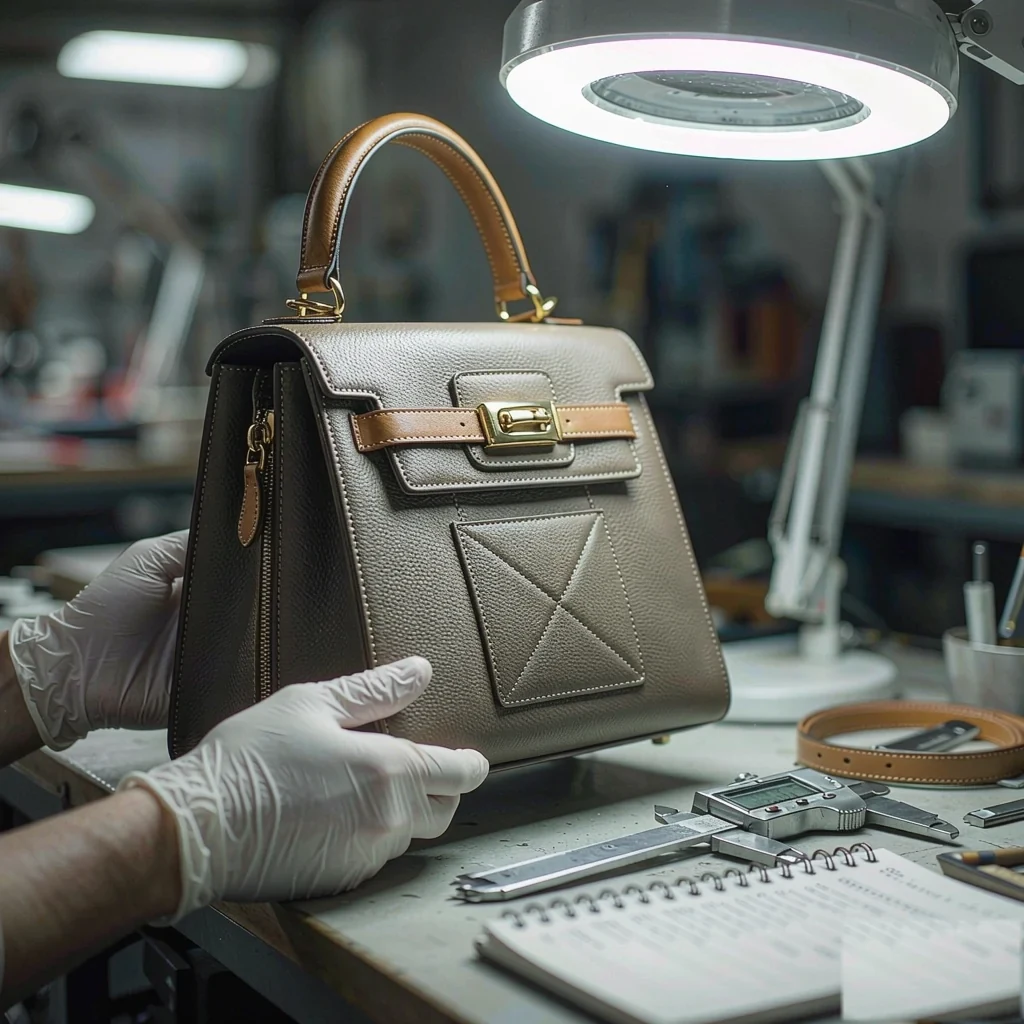
What This Document Actually Is
An inspection report is not a quality certificate and not a warranty. It is a record of one draw, made at one moment, against one plan, describing one lot. Read correctly it tells you how to dispose of that lot; read loosely it tells you whatever you hoped to hear. The distinction matters most when a retailer disputes a shipment, because the reader on the other side will be reading the precise version.
- It describes a sample, never the whole population of units in the shipment.
- It reports findings against a plan agreed beforehand, not against general expectations of excellence.
- It is issued against a named lot and a date, and it cannot honestly be reissued for another lot.
- It carries photographs, findings and a conclusion, and those three must agree with one another.
- It becomes evidence, so dates, names and instrument references belong on every page.
The Nine Sections, in the Order They Appear
Order is not decoration. A reader who has never met your style should be able to follow from identity to decision without asking a question, which means the plan has to precede the findings it generated and the conclusion has to follow them rather than float above them.
| Section | Contents | What to check first |
|---|---|---|
| Lot identity | Style, colourway, order reference and submitted quantity | Does it match the packing list exactly |
| Plan used | Standard, acceptance limit, inspection level and code letter | Was the level agreed before the draw |
| Quantities | Units submitted, drawn and packed, stated separately | Do the three reconcile with one another |
| Findings | Each unit by number, with defect codes and class | Is every finding classified, not just listed |
| Photographs | Indexed images of every critical and disputed finding | Do the captions match the codes |
| Readings | Thickness, shade and build figures with the gauge named | Are they numbers rather than adjectives |
| Packing | Carton count, marking and document reconciliation | Is the count short against the list |
| Conclusion | Accept, rework or reject, with the reason stated | Does the conclusion follow the arithmetic |
| Signatures | Inspector, reviewer and date, with contact details | Is anyone actually accountable for it |
Reading the Defect Summary Table
The summary is where most disputes begin, because it looks like arithmetic and is sometimes arithmetic about the wrong things. Three questions settle it: which defects were counted against the accept number, whether any zero-tolerance clause exists outside that count, and whether critical findings appear anywhere at all. A single critical finding changes the result regardless of how low every tally sits.
| Row | What it states | How to read it |
|---|---|---|
| Total units drawn | 50 from a 500 pcs lot under code letter H | The denominator behind every rate quoted below |
| Critical count | Usually 0, sometimes 1 | One means reject regardless of other rows |
| Major count | Compared against accept 3 | This is the row that usually decides the lot |
| Minor count | Recorded for trend rather than decision | High totals warn about drift even in a passing lot |
| Result line | Accept, rework or reject | Must follow the two counts above, not precede them |
Sample Size Is Not Lot Size
The most common misreading in the entire discipline is treating fifty examined units as five hundred inspected ones. The plan works because variation across a lot is statistically visible in a well-chosen draw, not because each unit vouches for ten others. That is why the report should always state the three quantities separately, and why a low major count is evidence about the process rather than a promise about your neighbours' cartons.
- Units submitted
- 500 pcs at one style and colourway, the standard minimum order quantity
- Units drawn
- 50, from code letter H at general inspection level II
- Accept number
- 3 major findings under AQL 2.5, ISO 2859-1 single sampling
- Reject number
- 4 major findings, which sends the lot to correction
- Critical allowance
- None, and any single finding rejects whatever the tallies say
- Delivery window
- Report issued within 24 hours of the draw, before packing release
Three Lines That Decide Everything
If you read nothing else, read these three, and read them before the goods are cartoned. They are the difference between a document that protects you and one that merely accompanies the shipment. Everything else in the file is supporting detail around them.
- Units drawn: confirm the number against the code letter for your lot size, since a smaller sample weakens every conclusion below it.
- Major count against accept number: confirm the comparison was made against the plan agreed in writing, not against a convention adopted that morning.
- Critical count: confirm it reads zero, and that any zero-tolerance clause in your specification is reflected in the conclusion even when it does not appear as a standard class.
Photographs: What the Set Must Show
Photographs are the part of the report most likely to be read and least likely to be specified. Ask for a minimum set, ask for captions that name the defect code, and insist that every image is of the lots units rather than of convenient examples. A picture of another day's finding is not evidence about this lot's failings.
- One overview of the full drawn set together, so consistency across the population is visible.
- One image of each major finding close enough to read the failure, lit so the defect rather than the leather is the subject.
- One image of each critical finding from two angles, including the surrounding construction.
- One record shot of the sealed reference beside a questionable unit, taken under the same light.
- One set of packing images showing cartons, labelling and count sheets laid out before closing.
Keep the set in the same order as the findings table so that a reviewer reads evidence and tally side by side, and store the images at a resolution that allows a reader to zoom into a stitch line without leaving the page. Low-resolution evidence is functionally no evidence at all, because it cannot answer the question it was attached to settle.
Inspection Report Versus Laboratory Report
Three documents get conflated constantly, and conflating them costs money because each is produced at a different moment by a different party with a different validity period. Knowing which one you are holding tells you whether it can settle an argument with a retailer or merely inform a conversation internally.
| Document | Issued against | Typical use |
|---|---|---|
| Inspection report | One lot, on the day of the draw | Deciding whether that lot ships |
| Laboratory test report | One material lot, valid while stock lasts | Proving a physical or chemical property |
| Declaration of conformity | A specification, sometimes across a season | Answering a retailer compliance questionnaire |
What a Report Cannot Tell You
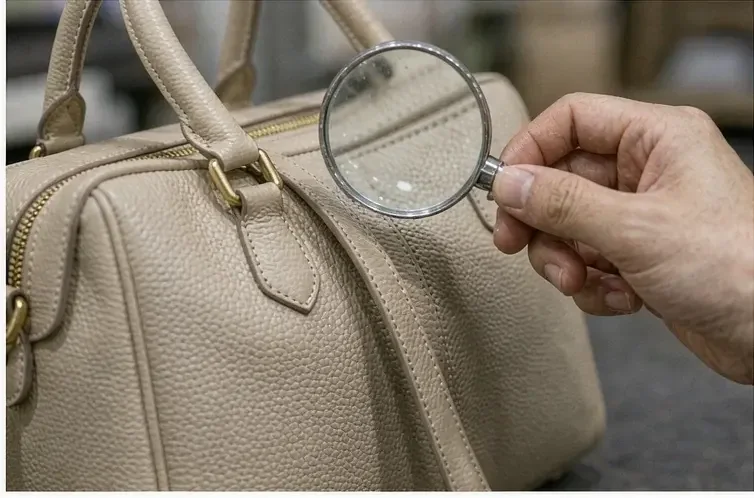
Honesty about limits protects you more than optimism does. A report is a snapshot of one draw, and several important things sit outside what it observes. Accepting that in advance means you plan other controls for those gaps rather than discovering them when a client asks a question the document cannot answer.
- It cannot promise that every unit in the cartons is free of defects; it describes a sample only.
- It says nothing about durability over months of wear, which belongs to laboratory testing.
- It cannot confirm ethical or environmental claims unless those were part of the agreed checklist.
- It does not extend to units made after the draw, so late additions need their own check.
- It cannot be reissued for another lot, since it is dated evidence rather than a general statement.
Using It to Decide Rather Than to Argue
The value of the document lies in what happens the day after. A finding written against an operation becomes a specification change; the same finding written as a complaint becomes a conversation that repeats next season. Five moves turn any report into an improvement rather than an expense that merely documents how things went.
- Convert each finding into a numeric target in the specification rather than a stronger adjective.
- Attribute every finding to an operation, so the record stays useful when staffing changes.
- Compare the current tallies with the previous four lots, since trends matter more than single results.
- Decide rework and re-check before discussing payment, not after the goods have been loaded.
- File it under the lot reference where anyone can retrieve it years later without asking you.
Cost, Timing and Where It Is Filed
Preparation of the file starts at USD 4.80 per lot and covers assembly of the set — identity, plan, tallies, readings, photographs and signatures — rather than laboratory work, which is quoted separately and booked against a named material lot. Our validated partner factory Quanzhou Yingming Bags, an SGS-validated site, has run export programmes since 2014 across 7 production lines at about 200,000 pcs per month, with sampling taking 6-10 working days, bulk 35-50 days, and 500 pcs per style and colourway as the minimum order quantity.
See a sample report before you need one
Ask for the nine-section template and a completed example for a structural calfskin style, together with the plan that would be used for your own lot size. Request a quote.
Frequently Asked Questions
What sections should a handbag inspection report contain?
Nine, in order: lot identity, the plan used, quantities submitted and drawn, findings by defect code, photographic set, instrument readings, packing observations, the conclusion line, and signatures with dates. Followed in that sequence, a reader who has never seen your style can move from identity to decision without asking a single clarifying question.
How long does it take to receive an inspection report?
Within 24 hours of the draw, and always before packing release, because the document authorises a decision rather than merely reporting one later. A report delivered after the cartons have left describes a result nobody can act on, so state the interval in writing at the same time you agree the plan.
What is the difference between an inspection report and a test report?
An inspection report describes one lot at the moment of the draw and decides whether it ships. A laboratory report describes one material lot and proves a physical or chemical property such as tensile strength. A third document, the declaration of conformity, answers retailer questionnaires across a specification and is issued on its own cycle.
How many units should the report say were drawn?
Fifty for a 500 pcs lot, since the 281-500 band carries code letter H at general inspection level II under ISO 2859-1. Always check that the three quantities are stated separately, submitted, drawn and packed, and that they reconcile with one another before you read anything else on the page.
What if one critical finding appears but the major count is low?
The lot is rejected. Critical findings carry zero tolerance and sit outside the accept number entirely, because they describe something unsafe, unlawful or unsaleable rather than a statistical average. Examples include an unaccounted needle fragment or a handle that separates at its attachment, and either one overrides an otherwise passing tally.
Can an inspection report be reused for a re-order?
No. It is dated evidence describing one lot, issued against that lot's identity and nothing else. A re-order needs its own draw and its own report. Where laboratory work is concerned, certificates are issued against a material lot, so they also have limits once that lot of hide or metal has been consumed.
Why do the photographs matter so much?
Because they are the part most often read and least often specified. Ask for a minimum set covering the drawn population, each major finding, each critical finding from two angles, the sealed reference compared beside a questionable unit, and packing before closing. Captions should carry the defect code so images and tallies cannot diverge.
What does it mean if the report shows a high minor count?
Usually drift rather than failure. Minors do not affect the accept decision, but across lots they are the earliest signal that a pattern is moving, a needle is dulling or a hide behaves differently. Set a review threshold in advance, such as twelve findings of one code on a 500 pcs lot, and act on it rather than debating each one.
Who should sign an inspection report?
The person who performed the draw and a reviewer who was independent of it, each with a date and contact details. Anonymous reports are difficult to rely on later, because the reader cannot verify who decided, when, or on what instrument. Accountability is the least expensive thing to ask for and the hardest to add afterwards.
Can a report confirm that every unit is flawless?
No. Fifty units drawn from five hundred describe statistical variation across a process, not perfection in each carton. Any assurance stronger than that misrepresents both the method and the standard it comes from, and it tends to be discovered at the worst possible moment, which is when a client raises the subject.
What should I check before signing off a shipment?
Units drawn against the code letter for your lot size, the major tally against the agreed accept number rather than a convention adopted that morning, and whether the critical line reads zero. Then confirm that any zero-tolerance clause in your specification appears in the conclusion even though it is not a standard defect class.
How should the report be used after the decision is made?
Convert findings into numeric targets in the specification rather than stronger adjectives, attribute each to an operation so the record survives staffing changes, and compare across the previous four lots. Trends matter more than isolated results, and a specification change is the only conclusion that improves the next capsule.
What does assembling the documentation cost?
Preparation starts at USD 4.80 per lot file and covers the identity page, plan, tallies, readings, photographs and signatures. Laboratory testing sits outside that figure, is quoted separately, and should be booked when the material lot is named, because certificates cannot be produced retrospectively once that lot is consumed.
People Also Ask
What is in a handbag inspection report?
Nine sections: lot identity, the sampling plan with its code letter, quantities submitted and drawn, findings by defect code and class, photographs, instrument readings, packing checks, the accept or reject conclusion, and dated signatures. Read in that order the document explains itself to anyone who was not present.
How do I know if a lot passed inspection?
Compare three lines: units drawn, the major count against the accept number, and the critical count. On a 500 pcs lot that means 50 units, 3 accepted majors and 4 rejected ones, with zero criticals. One critical finding rejects the lot whatever the other numbers show.
Is an inspection report the same as a quality certificate?
No. An inspection report records one draw against one lot on one date and decides that lot's fate. A laboratory report proves a property of a material lot, and a declaration of conformity answers retailer questionnaires across a specification. Each is issued differently and none substitutes for another.
How soon after inspection should I get the report?
Within 24 hours of the draw and before packing release. Timing is contractual rather than courtesy: the document authorises the ship or rework decision, and a report arriving after the cartons have left describes a result that nobody can act upon any longer.
Do I need photographs in the inspection report?
Yes, indexed to defect codes and taken of the actual drawn units: the full set together, each major finding, each critical from two angles, the sealed reference beside a questionable unit, and packing before closing. Captioned images keep the tallies and the evidence from quietly diverging.
Sources and further reading
Every figure on this page is either our own programme data or attributed below. Open the originals before you write them into a specification.
- ISO — International Organization for StandardizationISO Publisher of ISO 2859-1, the standard that fixes sample size code letters, accept and reject numbers, and switching rules cited in inspection reports.
- ISO/IEC 17025 — Competence of testing and calibration laboratoriesISO The accreditation standard governing laboratory test reports that sit alongside inspection reports in the same lot file.
- United Kingdom Accreditation ServiceUKAS Accreditation body explaining what an accredited report must carry, which informs how signatures and instrument references are recorded.
- ASQ — Acceptance sampling resourcesASQ Practitioner guidance on interpreting defect counts, sample sizes and lot acceptance decisions when reading a completed report.